
Radeon RX 9070 vs. RTX 5070 ti: Upscaling Performance
Comprehensive analysis of DLSS 4 and FSR 4 efficiency in demanding 1440p and ray tracing gaming scenarios.
Hardware by Tanisha Aria on Nov 04, 2025
In 2025, the upper mid-range graphics card market will be a battle between Nvidia's GeForce RTX 5070 Ti and AMD's Radeon RX 9070 XT. This is an interesting time for PC gaming.
It's essential to understand how these GPUs perform in real-life gaming scenarios, as upscaling technologies like DLSS4 and FSR4 become increasingly important for enhancing performance and visual fidelity. Both cards have very similar prices and performance, but small differences in driver support, ray tracing efficiency, and upscaler quality can make a big difference in whether or not you buy one.
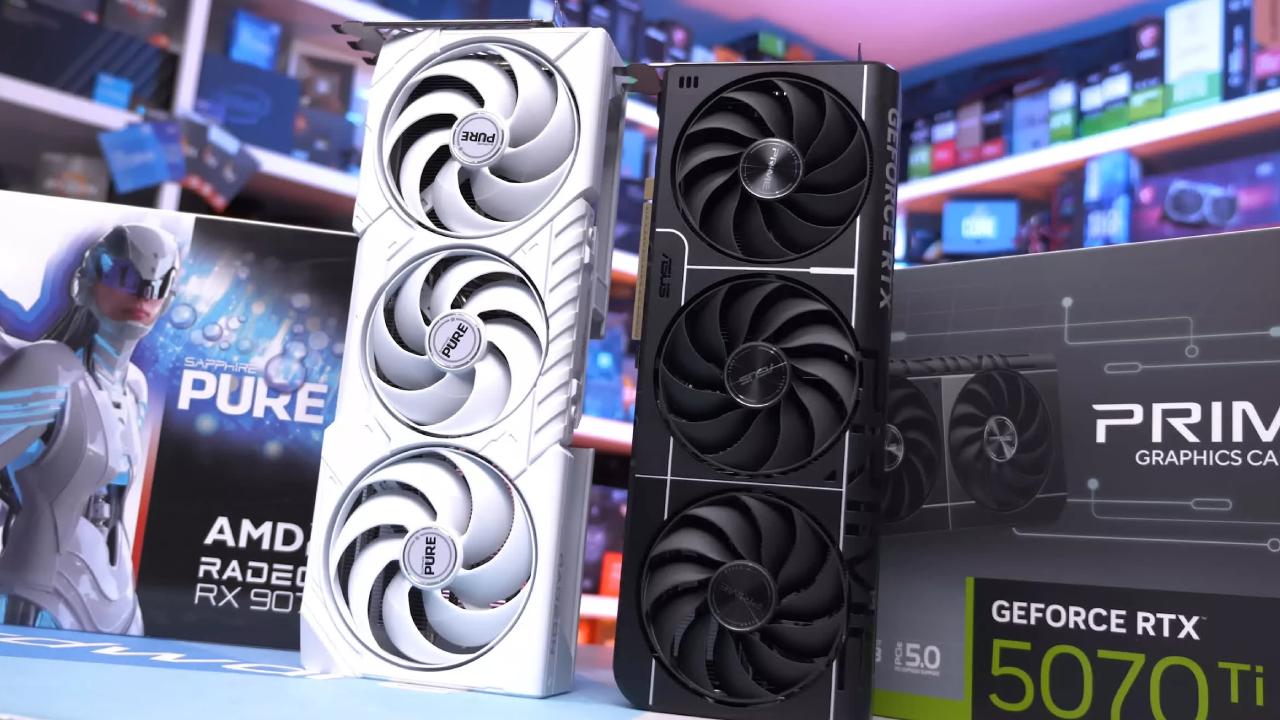
Setup and Testing Configuration
We added the RTX 5070 Ti to our existing dataset, providing a new perspective on upscaled performance compared to earlier reviews that focused on native rendering. We tested the native performance and the three main upscaling modes—Quality, Balanced, and Performance—at 1440p to achieve a realistic appearance in a gaming setup.
To ensure they were all the same, all the GPUs were tested at their base-spec clock speeds. The computer had a Ryzen 7 9800X3D CPU, 32GB of DDR5-6000 CL30 memory, and the most recent drivers: Nvidia 581.57 and AMD 25.10.1. To ensure that the latest upscaler versions were used in supported games, DLSS4 and FSR4 were both enabled globally.
Game Benchmarks and Performance Insights
Horizon Zero Dawn Remastered
The RX 9070 XT was a little faster, running 4% faster on its own and 6% faster with Quality upscaling. Both GPUs performed well at high refresh rates, with only a slight difference noticeable below Quality mode.
Ratchet and Clank: Rift Apart
The RTX 5070 Ti was 16% faster natively and 15% faster with Quality upscaling when using the Very High preset with ray tracing turned on. The RX 9070 XT had to switch to FSR Performance mode to match the RTX 5070 Ti's DLSS Quality mode, which resulted in worse-looking visuals.
The Last of Us Part I
At native settings, both GPUs were very close, but the RTX 5070 Ti pulled ahead by about 3% in Quality mode and up to 5% in Performance mode.
Marvel's Spider-Man 2
The RTX 5070 Ti beat the RX 9070 XT by 11% at native resolution and 19% with Quality upscaling. It also had a 30% lead in 1% lows, indicating that DLSS4 is more effective at scaling in this game.
Assassin's Creed Shadows
The RX 9070 XT was the best, with 15% better native performance and 10% better performance with Quality upscaling. In this game, upscaling below Quality mode was not as effective.
The Last of Us Part II
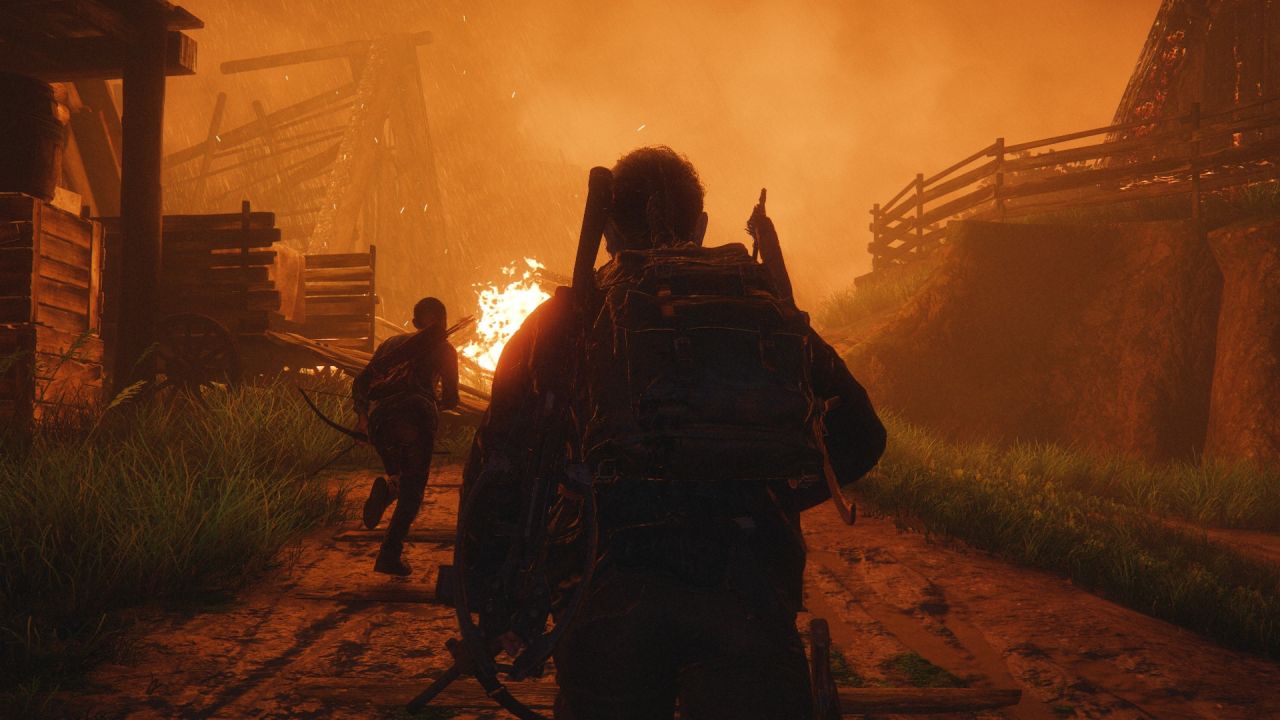
The RX 9070 XT stayed ahead by 13% natively and 9% with Quality upscaling. It was still very consistent, even when compared to the RTX 5070 Ti.
Ghost of Tsushima
The RX 9070 XT was still 8% faster with Quality upscaling, which is a good scaling result compared to the RTX 5070 Ti.
STALKER 2
The RTX 5070 Ti was 12% faster on its own, but this difference dropped to 3% when Quality upscaling was used. Both cards were held back by Unreal Engine 5's traversal stutter.
Marvel Rivals
The performance of the RTX 5070 Ti and the Marvel Rivals was nearly identical, with the RTX 5070 Ti being 4% faster natively and 5% faster with Quality upscaling.
The RTX 5070 Ti had a 10% native and 12% quality upscaling advantage. Still, the RX 9070 XT had steadier 1% lows, which made the gameplay more consistent.
Star Wars Outlaws
FSR4 worked better in this case: the RTX 5070 Ti was 8% faster on its own, but it got 8% slower when using Quality upscaling. The RX 9070 XT, on the other hand, achieved 39% faster upscaling and 18% faster performance with the RTX.
Hunt Showdown
There was a close race, but the RX 9070 XT won by 3% in both native and upscaled performance after recent driver updates.
God of War Ragnarök
The GPUs were initially tied, but the RX 9070 XT pulled ahead by 5% when Quality upscaling was enabled, demonstrating that FSR4 performs well.
Stellar Blade
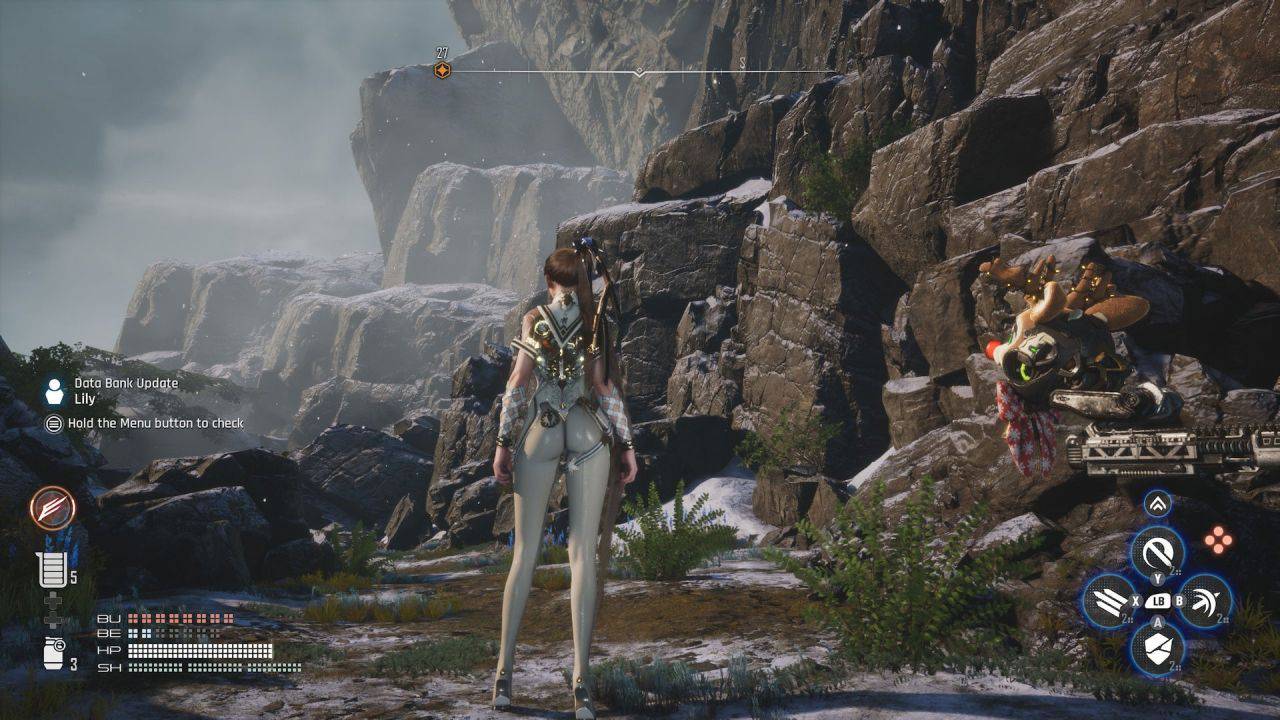
Nvidia won by a lot: the RTX 5070 Ti was 29% faster on its own and 27% faster with Quality upscaling, and its 1% lows were 30% better.
F1 25
The results were different for each metric. The RTX 5070 Ti was 6% faster on its own, but the RX 9070 XT had a 2% lead in average frame rates when using Quality upscaling. The RTX card, on the other hand, had 9% higher 1% lows, which made it more consistent overall.
Cyberpunk 2077
With the Ultra Ray Tracing preset, the RTX 5070 Ti was 18% faster on its own and 13% faster with Quality upscaling. This improved the 1% lows by 24%, making the frame pacing smoother.
Hogwarts Legacy
Performance was the same on both GPUs, with only a small difference between native and upscaled results.
Borderlands 4
The two GPUs performed almost identically, with the RX 9070 XT having a slight 2% edge when using Quality upscaling.
Mafia: The Old Country
The RX 9070 XT was 9% faster natively and 13% faster with Quality upscaling. The RTX 5070 Ti was closer to the RX 9070's performance.
Dying Light: The Beast
The RTX 5070 Ti performed exceptionally well, achieving 19% better native performance and 14% better Quality upscaling performance. The Radeon had to use Balanced mode to keep up with the competition.
The Alters
The RTX 5070 Ti was 3% faster natively, while the RX 9070 XT was 4% faster with Quality upscaling. The Radeon model had stronger 1% lows.
Battlefield 6
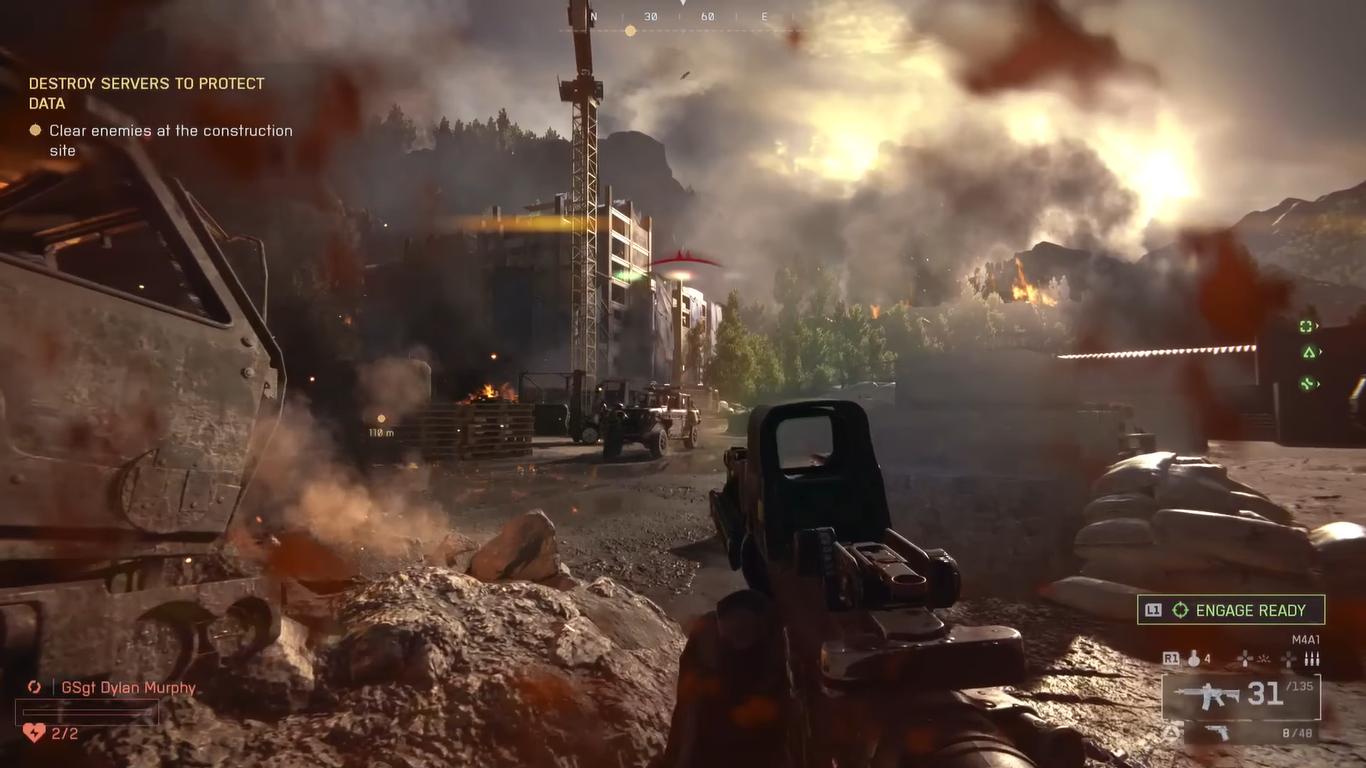
When tested with the Overkill preset at 1440p, the RTX 5070 Ti was 5% faster natively, 9% faster with Quality upscaling, and 11% faster with Balanced mode. This indicates that DLSS scaling performs more effectively.
Average performance over 22 games
In native rendering, the RTX 5070 Ti was on average 5% faster than the RX 9070 XT across the 22 games that were tested. With Quality upscaling, this gap shrank to just 2%, making them almost the same. The RTX 5070 Ti was 15% faster than the RX 9070 without any changes and 9% faster with Quality upscaling, demonstrating a clear step up in performance.
The RTX 5070 Ti won 9 games by more than 5% when looking at native performance spreads. The RX 9070 XT won 4 games. When Quality upscaling was turned on, the RTX 5070 Ti was faster than the other card in 7 games, tied in 10, and slower in 5. Overall, both GPUs were pretty close to each other.
Value and recommendations
The Radeon model is a better deal if both cards cost the same amount of money: $750 for the RTX 5070 Ti and $600 for the RX 9070 XT. The performance is basically the same when upscaled, but the price is 20% lower. On the other hand, RTX 5070 Ti remains the superior product due to its additional features, enhanced DLSS support, and improved ray tracing performance.
DLSS4 is more widely used currently and typically produces better-looking images than FSR4, which enhances Nvidia's cards' performance, especially in older or non-FSR games. However, AMD's FSR4 adoption rate has increased significantly, and it will be included in major releases, such as Battlefield 6, at launch in 2025.
For gamers who want to play newer games, the RX 9070 XT is a great deal because it performs just as well as the RTX 5070 Ti in most situations but costs less. People who play a wide range of games, including older titles, may still prefer Nvidia because it offers better upscaling support and is more consistent across its products.
The RTX 5070 Ti costs 25% more than the RTX 5070, but it has 13% better performance and 24% better 1% lows in ray-traced games like Cyberpunk 2077. That extra cost may not be worth it unless you're going for very high ray tracing or path tracing workloads.
The Radeon GPU is 13% cheaper than the RTX 5070 Ti ($750) and the RX 9070 XT ($650) at current US prices, but it is less appealing than it would be at full MSRP. The RX 9070 is still the best value, offering 9% less performance than the RTX 5070 Ti but at 36% lower cost, which translates to approximately 20% less per frame.
Final Thoughts
Both GPUs excel at upscaling to 1440p, making modern AAA games run smoothly. RTX 5070 Ti remains the better choice due to its additional features and overall polish.
RX 9070 XT is also a great deal, but in the end, the choice will depend on what matters most: Nvidia's advanced features and fast ray tracing, or AMD's lower price and strong FSR4 performance. In either case, gamers will have two great choices in the mid-range market in 2025.
Also, check our other articles:
- AMD Ryzen 9 9950X3D Review: Setting The Standard For 2025 Gaming CPU
- AMD Ryzen 7 9800X3D Review: 3D V-Cache Goes God Mode with Stunning Gaming Performance
- AMD RX 9070 Performance Review: Thermals, Clocks, and Real-World FPS
- AMD Ryzen 5 7600 Review: Best Budget Gaming CPU of 2025?
- AMD Radeon RX 7800 XT Review: RDNA 3 Power For Midrange Gaming
- Sapphire NITRO+ AMD Radeon RX 9070 XT Review: The Ultimate 4K Gaming GPU
- AMD Ryzen 7 7800X3D: Delivers Gaming Performance Far Beyond Expectations
- AMD Ryzen 9 7900X Review: Powering the AM5 Era with DDR5 & PCIe 5.0
- ASRock Radeon RX 7800 XT Challenger OC Review: Best Price-to-Performance GPU of 2025
- Intel Core i9‑14900K vs. AMD Ryzen 7 7800X3D: Power Profiles & Gaming Benchmarks
- NVIDIA GeForce RTX 5080 Review (2025): Still A 4K Gaming Powerhouse?
- NVIDIA RTX 5070 Review: Mid-Range Muscle or Marketing Hype?
- RTX 5070 Ti Review: Performance, Thermals & Power Efficiency Tested
- ASUS GeForce RTX 5090 LC Liquid Cooled GPU Review: Unmatched Silence & Speed
- MSI GeForce RTX 5090 32GB SUPRIM SOC Review: Power Efficiency, Cooling, and Gaming Performance
- INNO3D RTX 5060 Ti 16 GB X2 Review: Gaming Benchmarks, Temps, and Power Efficiency
- HP Omen 45L Review: RTX 5090 Performance, Thermals, and Value Analysis
- ASUS TUF Gaming GeForce RTX 5060 Ti Review: DLSS 4, Power Efficiency, and Gaming
- ASUS Prime RTX 5060 Ti OC 16GB Review: DLSS 4, Ray Tracing, & Thermals Tested
- NVIDIA GeForce RTX 5060 Review: Specs, Gaming, and Cost per Frame
- MSI GeForce RTX 5090 GAMING TRIO OC Review: A Monster Power GPU
Contributor, NoobFeed
Gaming Hardware Updates
No Data.