
RDNA 1 and RDNA 2 GPUs Get Official Game Optimization Backing from AMD
AMD confirms consistent day-one driver updates across all RDNA generations, ensuring stable performance in upcoming major game releases.
Hardware by Masaru Hoshino on Nov 12, 2025
AMD has officially confirmed that all RDNA GPUs—from RDNA 1 through RDNA 4—will continue to receive full game optimization support. This announcement comes after weeks of uncertainty and concern among gamers about the longevity and usability of older GPUs in upcoming titles.
Previously, AMD had separated RDNA 1 and RDNA 2 GPUs, including the RX 5000 and RX 6000 series, into a separate driver branch from the newer RDNA 3 and RDNA 4 cards. This raised fears that older GPUs might be left behind when it comes to new game releases.
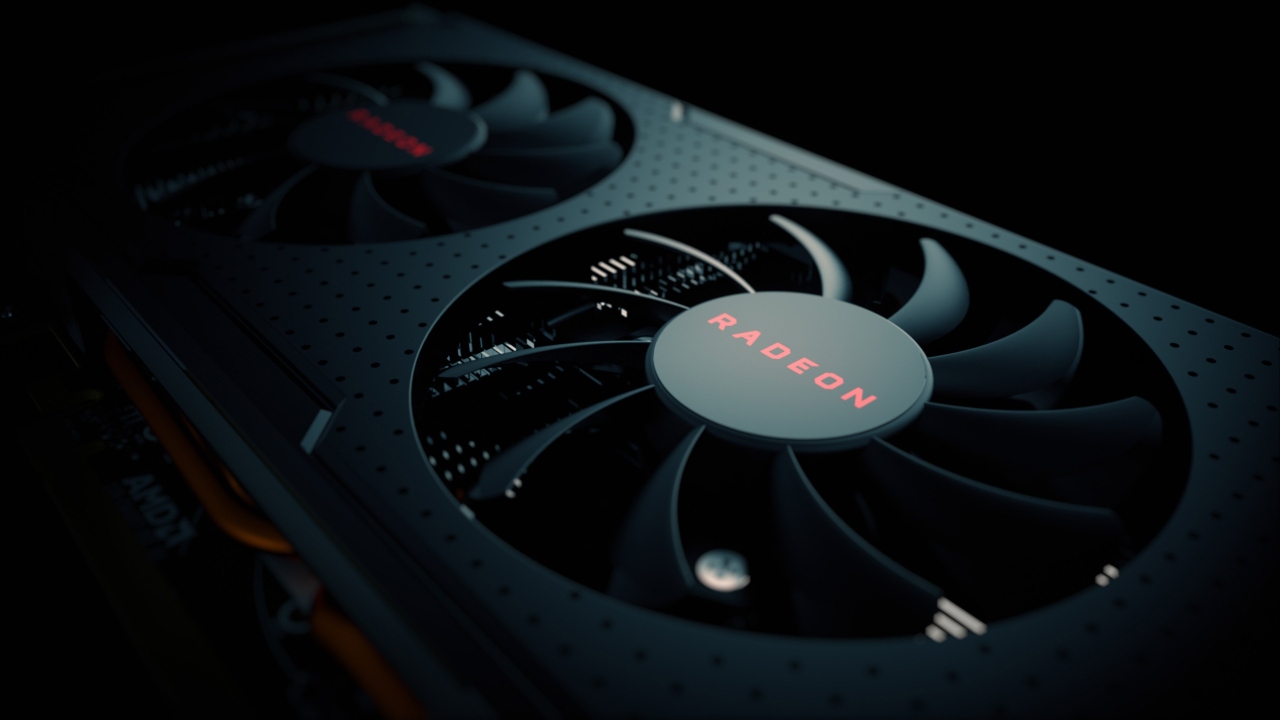
Background: The Driver Separation Controversy
Earlier, AMD's decision to place older GPUs on a separate driver branch meant that game optimizations and updates for RDNA 1 and RDNA 2 could potentially lag behind those for the newer RDNA 3 and RDNA 4 GPUs. While older GPUs would still run games, driver support is critical for achieving optimal performance and stability.
Many gamers complained, saying that their newer GPUs would suddenly feel old and unsupported, even though they could still run modern games.
There was a lot of online debate about the issue, with some in the community pointing out that driver support is a key aspect of a GPU's worth. Without timely updates, even high-end RDNA1 and RDNA2 GPUs could see reduced performance compared to newer hardware.
AMD's Response and Day-One Support
AMD responded directly to Hardware Unboxed, confirming that all RDNA GPUs will now receive game optimizations simultaneously with RDNA 3 and RDNA 4 cards. This includes big games that are coming out soon, such as Call of Duty: Black Ops 7, Crimson Desert, and Resident Evil Requiem. Gamers can now expect day-one drivers for all supported games, which means that older GPUs will continue to work well and remain useful.
This choice demonstrates the importance of community feedback. AMD initially sought to reduce support for older GPUs, likely to facilitate development for newer architectures. However, gamers' complaints made the firm change its mind. AMD's official statement demonstrates that they recognize the importance of supporting a wide range of devices, not just the latest ones.
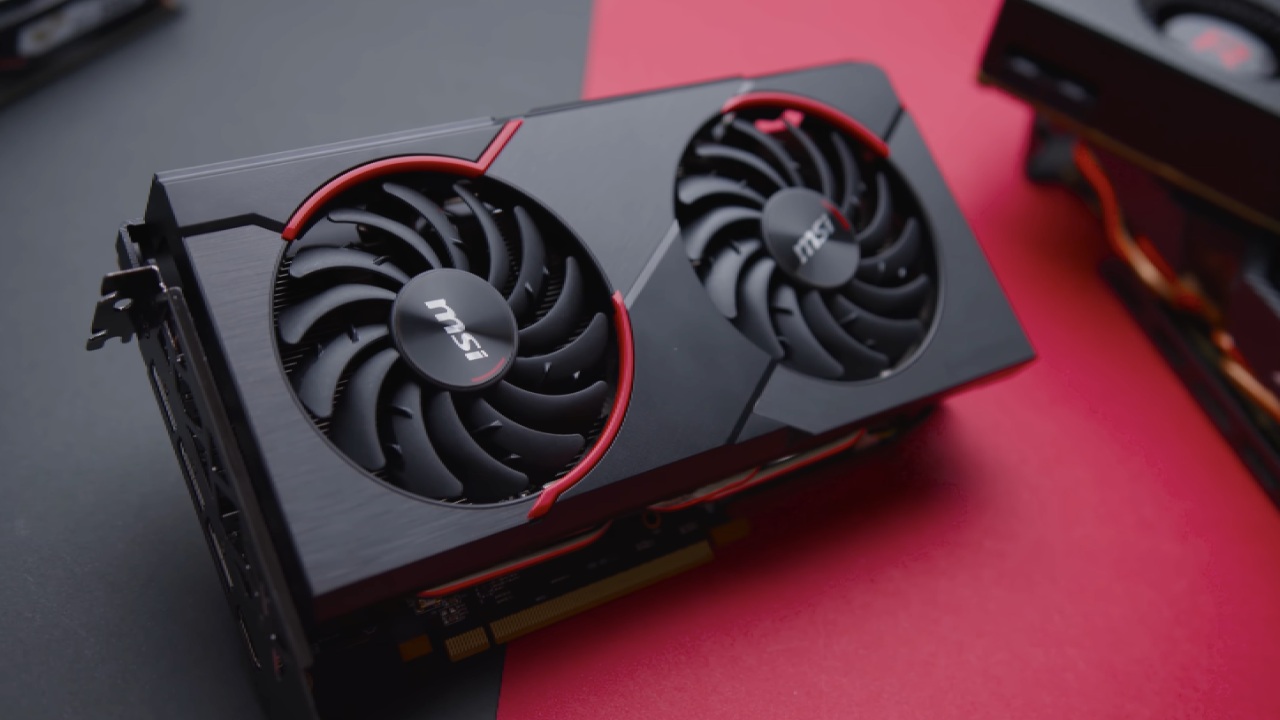
What this means for gamers
Gamers who purchased RDNA 1 and RDNA 2 GPUs can be assured that their cards will continue to perform well in new titles. Some new capabilities, including FSR 4 and Redstone improvements, are still only available on RDNA 4 GPUs. However, the day-one optimization makes sure that older cards can still compete.
This move also sets a precedent for GPU manufacturers to maintain long-term support for mid- and high-tier cards. Gamers no longer have to worry about losing optimization on relatively recent hardware, which strengthens the value of their investment.
Looking Ahead
We should keep in mind that AMD may still opt to limit access to some new capabilities that are only available on later architectures. However, the baseline performance support means that RDNA 1 and RDNA 2 GPUs will still be able to handle recent games. This balance between new technology and continued support demonstrates a more customer-friendly approach that could impact how GPUs are designed and how drivers are updated in the future.
In short, AMD's decision to fully support RDNA 1 and RDNA 2 GPUs is a significant benefit for gamers. Along with the newest RDNA 3 and RDNA 4 cards, older GPUs will still get game optimizations. This will maintain performance and extend the lifespan of existing hardware. Gamers can now continue enjoying their older AMD GPUs without fear of being left behind in the rapidly evolving gaming landscape.
Also, check our other AMD articles:
- AMD Ryzen 9 9950X3D Review: Setting The Standard For 2025 Gaming CPU
- AMD Ryzen 7 9800X3D Review: 3D V-Cache Goes God Mode with Stunning Gaming Performance
- AMD RX 9070 Performance Review: Thermals, Clocks, and Real-World FPS
- AMD Ryzen 5 7600 Review: Best Budget Gaming CPU of 2025?
- AMD Radeon RX 7800 XT Review: RDNA 3 Power For Midrange Gaming
- Sapphire NITRO+ AMD Radeon RX 9070 XT Review: The Ultimate 4K Gaming GPU
- AMD Ryzen 7 7800X3D: Delivers Gaming Performance Far Beyond Expectations
- AMD Ryzen 9 7900X Review: Powering the AM5 Era with DDR5 & PCIe 5.0
- ASRock Radeon RX 7800 XT Challenger OC Review: Best Price-to-Performance GPU of 2025
- Intel Core i9‑14900K vs. AMD Ryzen 7 7800X3D: Power Profiles & Gaming Benchmarks
Editor, NoobFeed
Gaming Hardware Updates
No Data.