

Project Helix and the Future of Xbox Series S Support Explained
Project Helix is expected to introduce a separate platform strategy while maintaining compatibility considerations for existing Xbox hardware.
XBOX by Godrics01 on Jun 11, 2026
Microsoft's new game plans have sparked debate over how previous Xbox devices will fit into the company's future plans. Project Helix also promises a new platform approach, so the focus has turned to the Xbox Series S and whether the Xbox team will continue to support an older console as newer versions are released.
At the core, Xbox Series S and Series X will be pretty different from each other. It's up to developers to decide whether or not to cater to that platform. From the information provided, it sounds like a PC based product, which is what Project Helix is looking to be at this time. It's not an extension of the Xbox Series ecosystem; rather, it will be a platform that runs Windows and other technologies Microsoft may be developing.
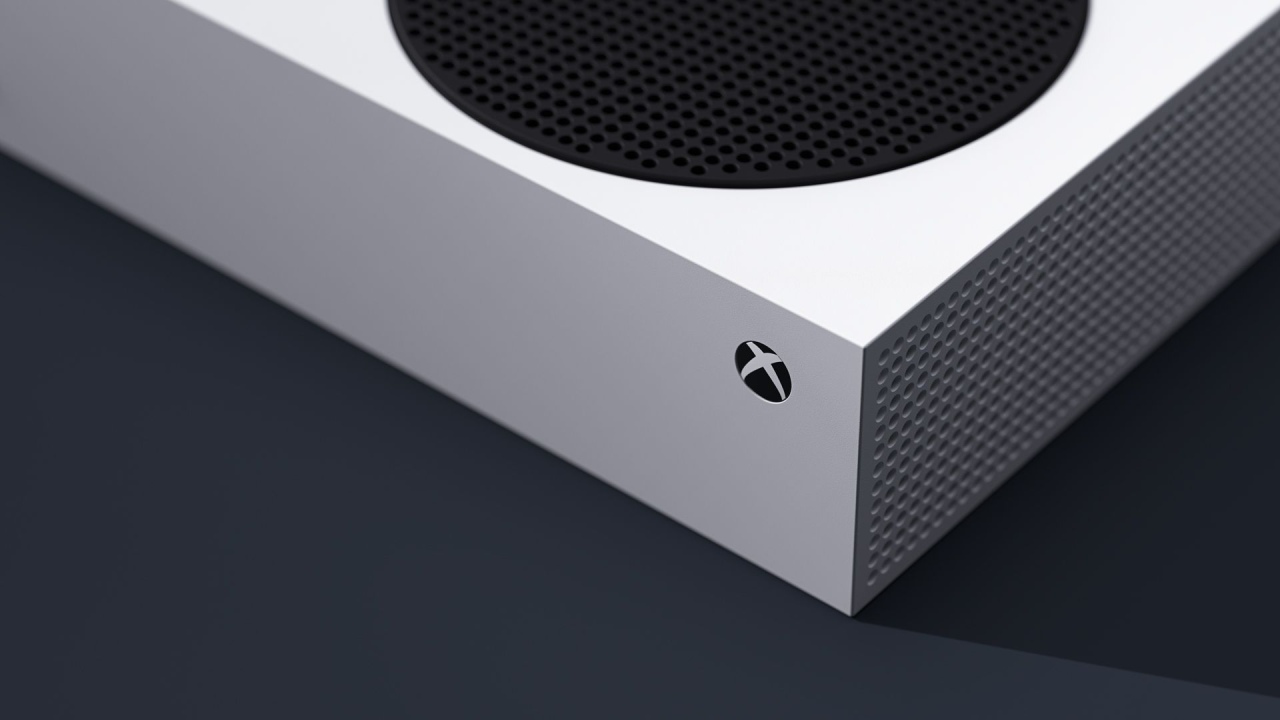
Project Helix, the Xbox Series Platform
As a result, with this split, if a game is launched on Series X, it would be assumed that the developer will continue to release it on Series S by any means necessary. There are already developers who have released hard games on older equipment. For example, the original Nintendo Switch has been converted, though at times it has not been of the highest quality.
That's not always the case, but if the developers choose to support older Xbox hardware, it is safe to assume the game will also be available on the Series S. If they don't, then support is no longer offered for the now “old” Xbox.
Exploring the Past Console Generations
Let us now look at what has previously happened. However, the Xbox One X was saddled with the Xbox One S, and developers were forced to either adapt to it, reduce their support, create a less refined version of the game, or simply ignore it. This was also the case with other games, such as Resident Evil 4, where some developers opted for alternative release dates rather than the traditional all-platform release.
That said, it's hard to envision a situation in which developers would make a game for Series X and ignore Series S. Given the platform connection between the two consoles, it is unlikely there is a decision to make about separate support.
Even if Microsoft were to permit developers to release games on the Series X without support for the Series S, there is still the issue of market size. According to third-party estimates, both Series S and Series X have sold the same number of units. There are even estimates that Series S might marginally outpace it, though it has not been officially released by Microsoft.
On the other hand, if you feel you're going to have a big headache with the Xbox Series when you come out, you might just not come out on Xbox Series hardware, period. That likely won't be a significant market penalty if there is no install base to support development.

Some Developers Failed to Understand
The bigger question isn't why they won't share, but why they can't share. While the new Series S isn't quite as enjoyable in most games, it still offers decent performance. There are recent examples of developers delivering decent performance on consoles, such as support for 120 fps mode.
It would also be a mistake to claim there aren't any problems with the hardware. The console's RAM shortage and its weaker graphics card have been cited by several developers as obstacles to development. Optimization efforts can be required to help deliver the same experience across both Series X and Series S.
If Series S is proving to be a major hurdle for some studios, supporting Xbox Series hardware may not be worth it. Xbox Series support could end sooner than some would like. In addition to the launch of the next generation of consoles, Project Helix may be a part of that transition.
Xbox Series platform didn't achieve the sales momentum many expected.
Series X is basically tied to the Series S and is part of the same platform strategy. It's hard to envision a time when developers would focus on one console and ignore the other. That's a relationship unlikely to change throughout the rest of the generation. At the end of the platform's life, however, there are different options.
If it did, the console would essentially be a PC-like device, offering a different path into the next generation. For the time being, it's hoped that both Series X and Series S will remain on the same path, and that Project Helix will take a more prominent role in Microsoft's future game plans.
Editor, NoobFeed
Latest Articles
No Data.