
Sony Digital Policy and XBOX Disc Feature Test Game Ownership
Sony's stance on digital ownership is drawing fresh criticism, while XBOX's disc-to-digital approach offers a very different idea of what preserving your library could look like.
Opinion by Adeela Tas on Sep 09, 2026
After weeks away from the usual routine, the conversation around PlayStation has come back to one issue that is becoming increasingly difficult to ignore: physical games. The latest controversy centers on Sony's position that reasonable customers understand digital purchases are licenses, not games they actually own.
That argument has landed badly among players who want clearer ownership and long-term access to their libraries. The issue stems from a lawsuit filed in California by four players against Sony Interactive Entertainment. The plaintiffs argue that the PlayStation Store does not make it sufficiently clear that customers are purchasing licenses to access games rather than copies they own.
Store language such as "buy now" and "confirm purchase," they argue, can reasonably make someone believe they are obtaining a game outright. Sony's response takes a very different position. The company says its software license agreement already tells customers that digital software is licensed, not sold, and argues that reasonable consumers should understand how digital products work.
Its filing essentially points out that multiple people can purchase the same digital game, meaning the first customer cannot logically own the singular copy.
That explanation highlights the uncomfortable part of the digital ownership debate. You can have a game sitting in your library for years, but your access ultimately depends on the license and the platform continuing to provide it. If that license disappears, the game can potentially disappear with it.
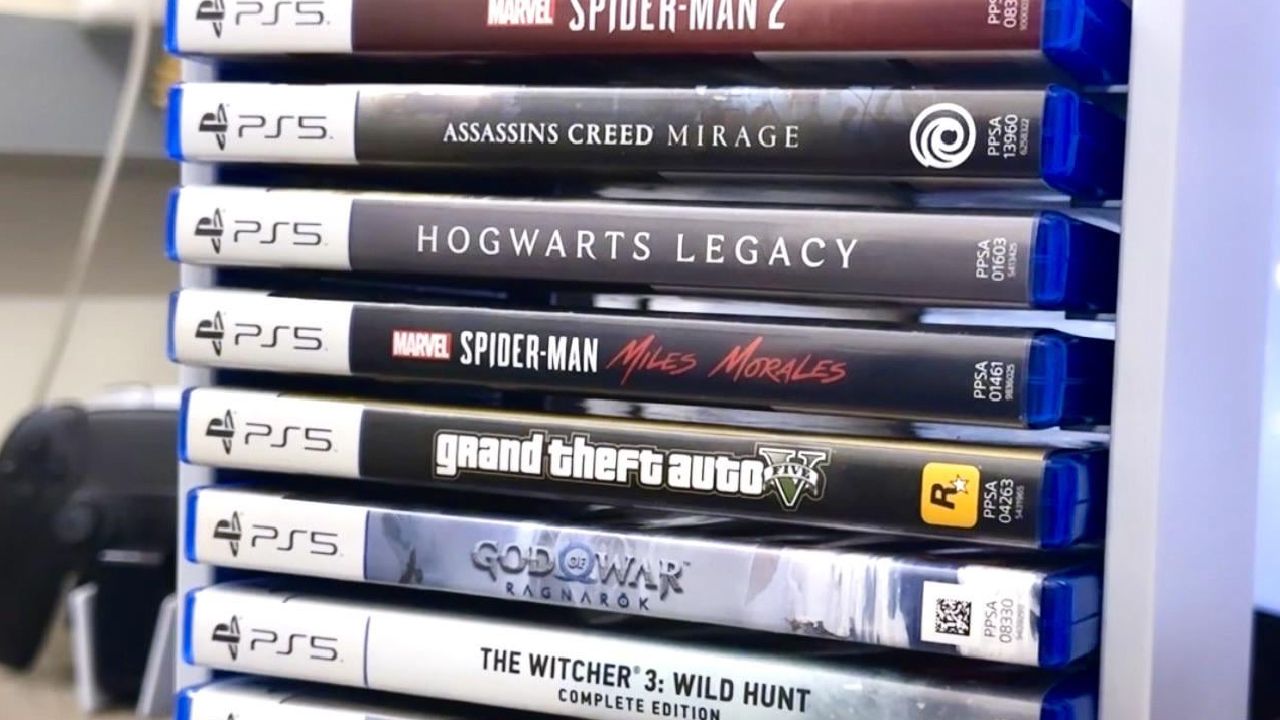
That is why physical games still matter. A disc can provide access that doesn't depend entirely on a storefront remaining available. It is not a perfect preservation solution, especially when games require downloads or online services, but it gives players something tangible and makes ownership much clearer. Sony recently reminded users of this distinction through its user agreement.
The relevant section states that software is licensed rather than sold and gives players a limited, personal license for private use. The concern is that the company continues using purchase-focused language in its storefront while emphasizing elsewhere that the customer does not actually own the software. The timing makes the situation even more interesting because XBOX has been moving in the opposite direction with its disc-to-digital program.
The initiative allows owners of eligible physical titles to receive a digital entitlement while keeping the connection to the original disc. The program initially covers around 10,000 titles, and the broader message is that players should not have to choose completely between physical and digital libraries.
For you as a player, that can mean keeping the benefits of digital access while still having a physical collection.
The approach is also designed so that the entitlement follows the disc. If you sell the physical copy, the digital entitlement goes with it rather than becoming permanently attached to your account. The most striking part is that the program can also work with certain games that are no longer digitally available.
A physical copy of Deadpool, for example, can reportedly provide access to a digital license even though the game was removed from digital storefronts after licensing issues surrounding Marvel properties. That has much bigger implications for preservation than simply making an old disc easier to play.
It demonstrates how physical games can bridge to digital libraries instead of replacing them. Games that disappeared from storefronts can remain accessible to people with legitimate physical copies, giving older releases another path forward.
Sony continues to face loud criticism from sections of the PlayStation community. The reaction has been especially visible around recent game trailers and presentations, where comments have repeatedly focused on demands for discs, physical releases, and clearer ownership. The same reaction has appeared more than once, suggesting this is not simply a short-lived complaint.
That public response could matter beyond social media.
Smaller developers and publishers can depend heavily on physical sales, especially when an edition arrives after a game's original release. A major AAA publisher can spend enormous amounts on marketing, but smaller studios often need a gradual path to profitability.
Consider a smaller game that launches digitally on PC or another platform. If the game builds a following, a later physical release can pull in players who didn't catch it the first time. It can also give existing fans another reason to purchase the game. Limited editions, manuals, art cards, and reversible covers can turn a later release into an additional sales wave rather than simply repackaging the launch.
That secondary market matters because physical games can keep generating attention long after release. A distinctive cover can catch someone's eye even if that person never heard about the game during launch. Editions can therefore introduce smaller titles to new audiences.
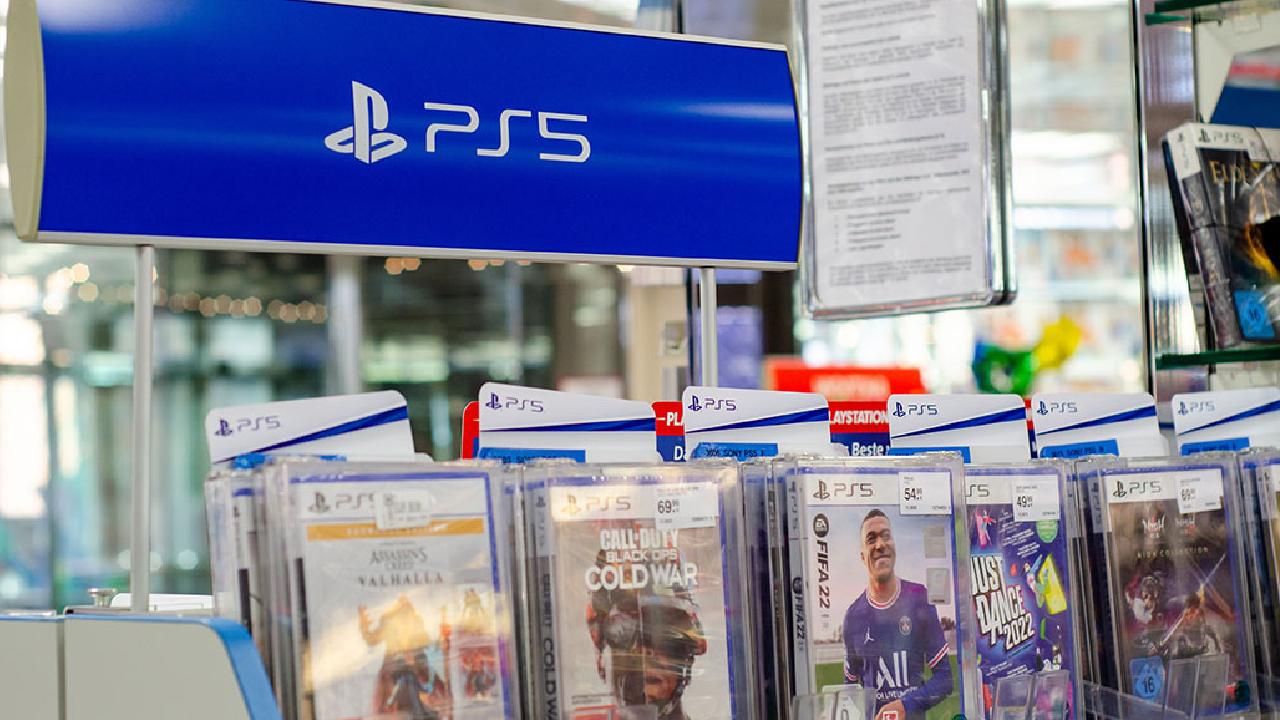
There is also a practical difference between large and small publishers. A major company can support huge marketing campaigns and elaborate collector products. An indie publisher may instead start with PC and one console, build an audience, and expand later when the budget allows.
A physical edition can become part of that expansion.
Once a game picks up enough buzz, a publisher might put out an expanded edition on more platforms, including a physical boxed copy. Removing that opportunity could have consequences that are not immediately visible in launch sales numbers.
That is why the long-term effect of the physical games debate may be more important than the immediate reaction. Big releases can continue selling millions digitally, and that does not necessarily tell you how smaller, collector-focused games will perform when physical distribution becomes harder or less attractive.
There are also signs that developers and publishers are paying attention. Industry figures who have spoken with smaller teams say many of them are unhappy with Sony's direction because physical sales can represent a major portion of their revenue. Some developers are reportedly considering putting more focus on Nintendo's platform, where physical releases remain an important part of the ecosystem.
That potential shift could eventually affect PlayStation's lineup. If smaller and more experimental games increasingly choose other platforms because they believe those audiences are more supportive of physical releases, PlayStation could lose some of the variety that helps distinguish its library.
At the same time, Sony has introduced a customer harassment policy in Japan that addresses behavior directed toward employees.
The policy targets behavior like constant demands, unreasonable calls for refunds or apologies, abusive language, and threats. It's important to separate two things: feeling upset about a company's choices is fair enough, but going after the people who actually work there - through harassment or threats - is a completely different problem.
This whole controversy also raises a bigger question about what players actually want from their game libraries. Digital games are convenient - instant access, cloud saves, and so on - while physical copies give you something tangible and a stronger sense that you actually own what you paid for. Going forward, players might not have to pick one option and stick with it forever.
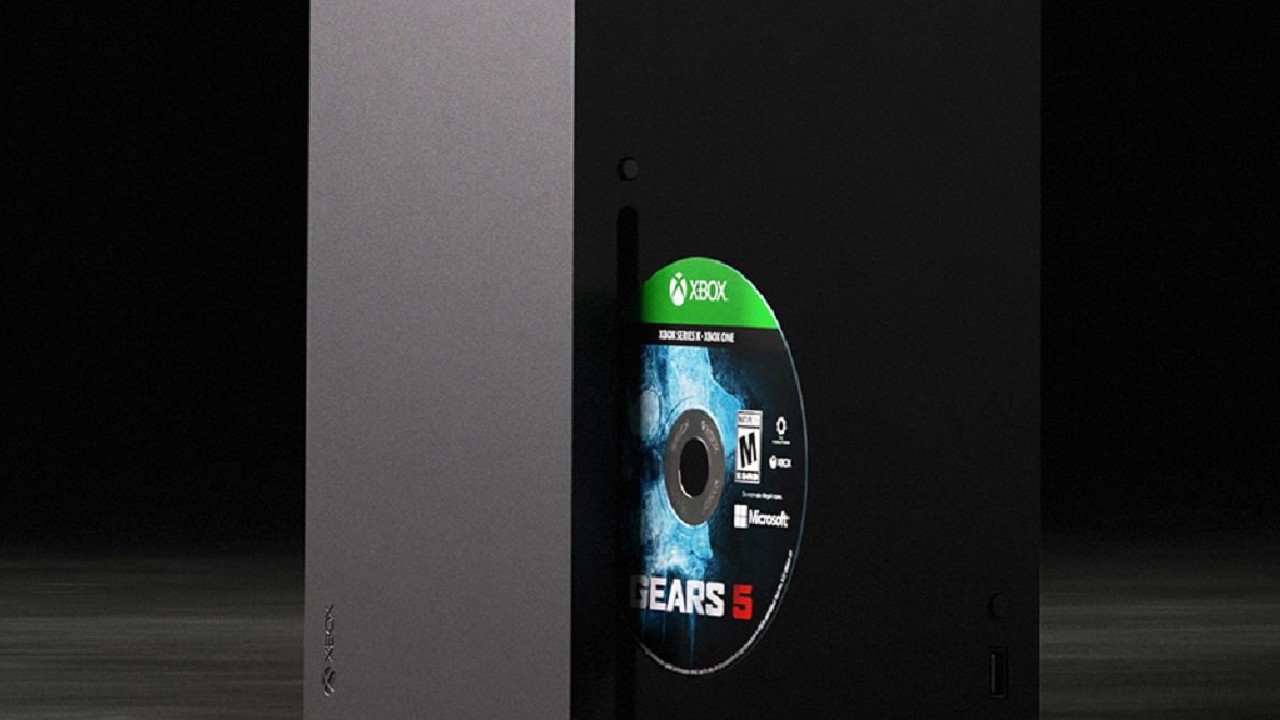
XBOX's approach suggests a middle ground is possible. External disc drives, digital entitlements for physical purchases, and limited physical games could let platforms move toward digital convenience without completely abandoning collectors. That would also give publishers more flexibility to decide when a physical release makes financial sense.
For PlayStation, the criticism is therefore not simply about wanting every game on disc. It is about wanting meaningful choice and clearer expectations. If a digital purchase is effectively a license, the terminology should make that distinction obvious.
If a player buys a physical copy, that copy should remain useful wherever technically possible.
Physical games are unlikely to disappear overnight, but the direction platforms choose now could determine how easy it is to preserve today's libraries years from now. For smaller developers, physical games can provide secondary sales, visibility, and another way to reach audiences. For players, they provide a tangible connection to games that might otherwise depend entirely on storefronts and licensing agreements.
The current debate therefore goes beyond nostalgia. It is about whether your library remains yours in any meaningful sense, how companies communicate digital limits, and whether players will still have practical ways to access older games. XBOX is experimenting with both formats, while Sony's messaging is widening the divide.
If that divide continues, the consequences may not appear immediately. These shifts probably won't happen all at once; they'll show up slowly, through fewer physical releases, platforms prioritizing different things, and smaller developers deciding where to put their limited resources. That's really why the physical games conversation deserves attention: the real impact might not be obvious until years after these decisions are actually made.
Editor, NoobFeed
Latest Articles
No Data.