
CXMT Launches LPDDR6 Memory in Production With Higher Bandwidth
CXMT brings next-generation LPDDR6 memory into a production smartphone with new bandwidth, efficiency, and reliability features.
Hardware by Shinji Okazaki on Sep 08, 2026
A memory company has put LPDDR6 into a real production smartphone before Samsung or Micron did. The chipmaker is ChangXin Memory Technologies, better known as CXMT, and its new 16GB LPDDR6 package has debuted inside Xiaomi's 18fold.
CXMT rates the memory itself at up to 12.8 Gbits per second per pin, says it cuts power consumption by about 20% compared with its previous generation, and has already moved the part into mass production.
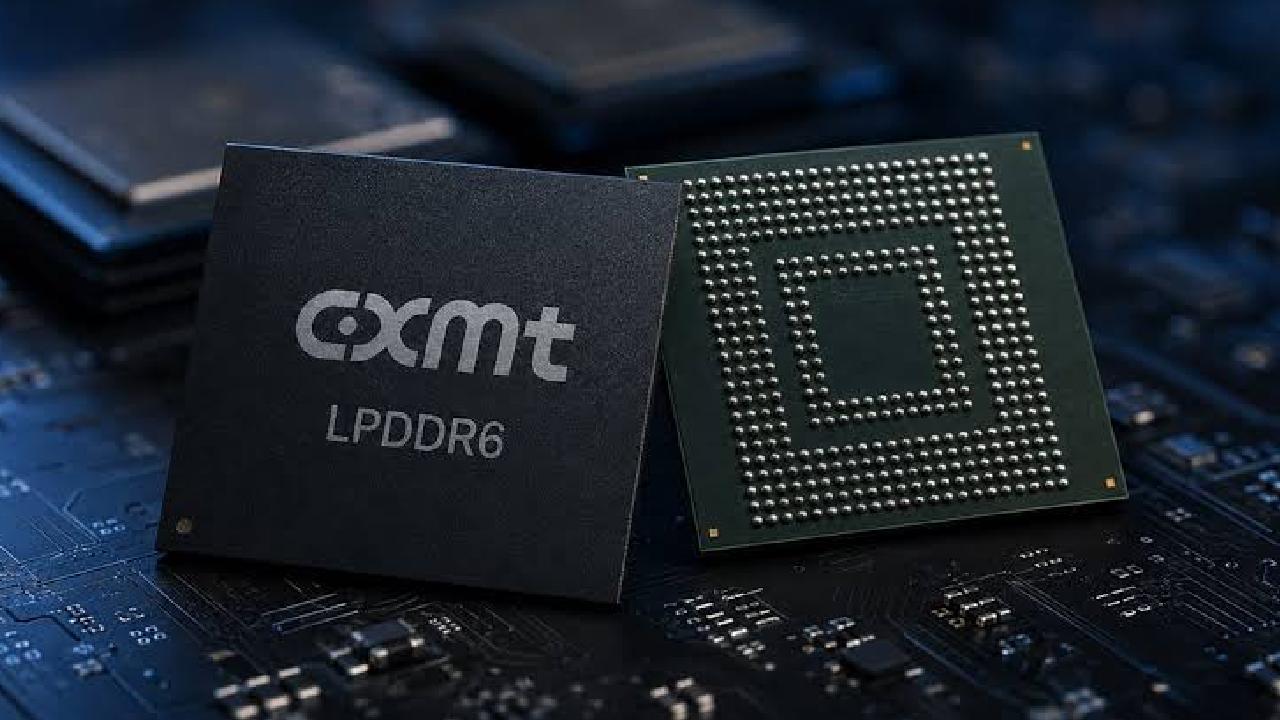
Samsung, SK Hynix, and Micron still dominate the global DRAM market, while advanced mobile memory remains an area where the industry has spent years competing. But there is an important catch. Samsung already has LPDDR6 capable of 14.4 Gbps, and SK Hynix has also developed advanced LPDDR6. So this isn't suddenly the fastest memory on Earth.
LPDDR6 Changes the Memory Interface
LPDDR6 has a native 24-bit I/O arrangement, split into two 12-bit subchannels. When multiple workloads compete for data, these smaller, separate paths can help things run more smoothly. More flexible transfer sizes also help the system handle different traffic patterns without wasting as much bandwidth. CXMT's implementation adds the high-speed signal circuitry needed to make those links reliable.
The company says each pin can independently tune pre-emphasis and decision-feedback equalization (DFE). The idea is straightforward. At extremely high transfer rates, electrical signals traveling through a tiny package and circuit board can become distorted. Pre-emphasis strengthens parts of the outgoing signal, while DFE helps the receiver separate the new data from electrical echoes left by previous bits.
Similar techniques are used on high-speed networking links. That is why the Xiaomi connection is arguably more important than the headline speed. The power story may matter just as much. Moving more data usually means switching more transistors more often, and switching transistors consumes energy.
In a desktop computer, you can solve some of that with a bigger power supply and a cooling fan. CXMT uses a dual-rail dynamic voltage and frequency scaling design. Instead of treating memory as a single block that always requires the same electrical conditions, the system can adjust voltage and operating speed based on the workload.
A phone running a large AI model may need high bandwidth for a burst of several seconds. A phone sitting on a messaging screen does not. The standard also includes a dynamic efficiency mode that can reduce active interface circuitry during lighter workloads. It is like shutting down lanes on an empty highway instead of keeping all lanes open all night.
CXMT says these changes reduce power consumption by about 20% compared with its previous-generation product. Samsung, using its own LPDDR6 design, cites roughly a 21% efficiency improvement over LPDDR5X. Different vendors use different circuits, but the goal is the same: more bandwidth per unit of energy.
That is particularly useful for on-device AI because AI workloads are bursty. A voice assistant may sit mostly idle, then suddenly process audio, pull a model from memory, run inference, and generate a response. Camera AI can require significant bandwidth for a fraction of a second when combining frames.
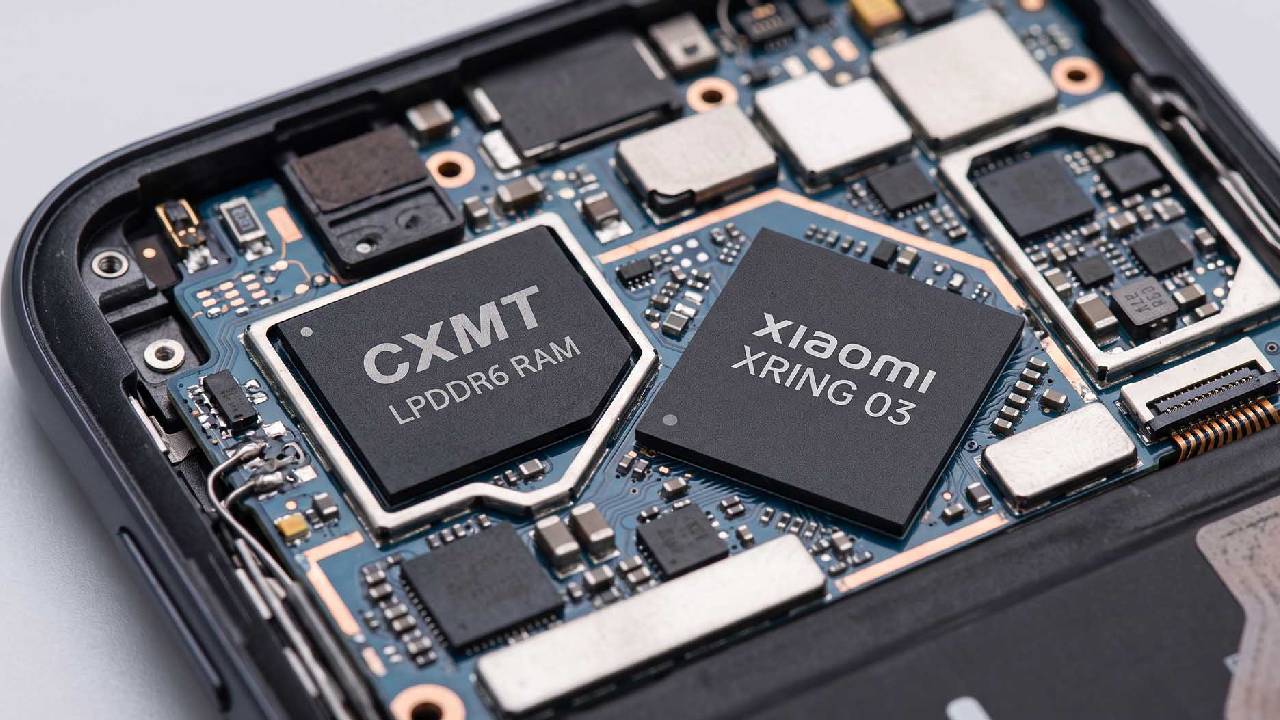
CXMT also includes built-in self-test functions that let the memory check parts of itself for faults.
LPDDR6 also adds more emphasis on reliability. As memory cells shrink and transfer rates rise, the chance of errors cannot simply be ignored. The standard includes on-die error correction, link protection, and per-row activation counting. That last feature is designed to defend against a class of problems known as Row Hammer.
Those features help explain why LPDDR6 is being positioned for more than smartphones. Memory vendors talk about AI PCs, vehicles, edge servers, wearables, and robotics because many of these products require the same combination of high-bandwidth and compact, power-efficient memory.
It is now being integrated into a commercial device, with the memory, processor, package, and phone platform working together. Speed is only one part of the story. The main difference lies in how the interface, power management, reliability features, and memory design work together for tasks that need to move large amounts of data quickly and efficiently.
Editor, NoobFeed
Gaming Hardware Updates
No Data.