

Sony’s Physical PlayStation Disc Exit Sparks Massive Backlash
PlayStation fans are criticizing Sony’s reported plans to move toward a fully digital future without physical game support.
PlayStation by Dhee_02 on Jul 03, 2026
Sony’s rumored decision to stop making physical PlayStation games from 2028 onward has sparked widespread backlash across the gaming community. The move suggests that future PlayStation hardware could focus almost entirely on digital distribution. For many longtime fans, the situation feels far bigger than a standard business decision.
A large part of the PlayStation community now believes the brand is slowly abandoning one of the biggest parts of its identity. Many players argue that modern PlayStation no longer resembles the company they supported during earlier console generations.
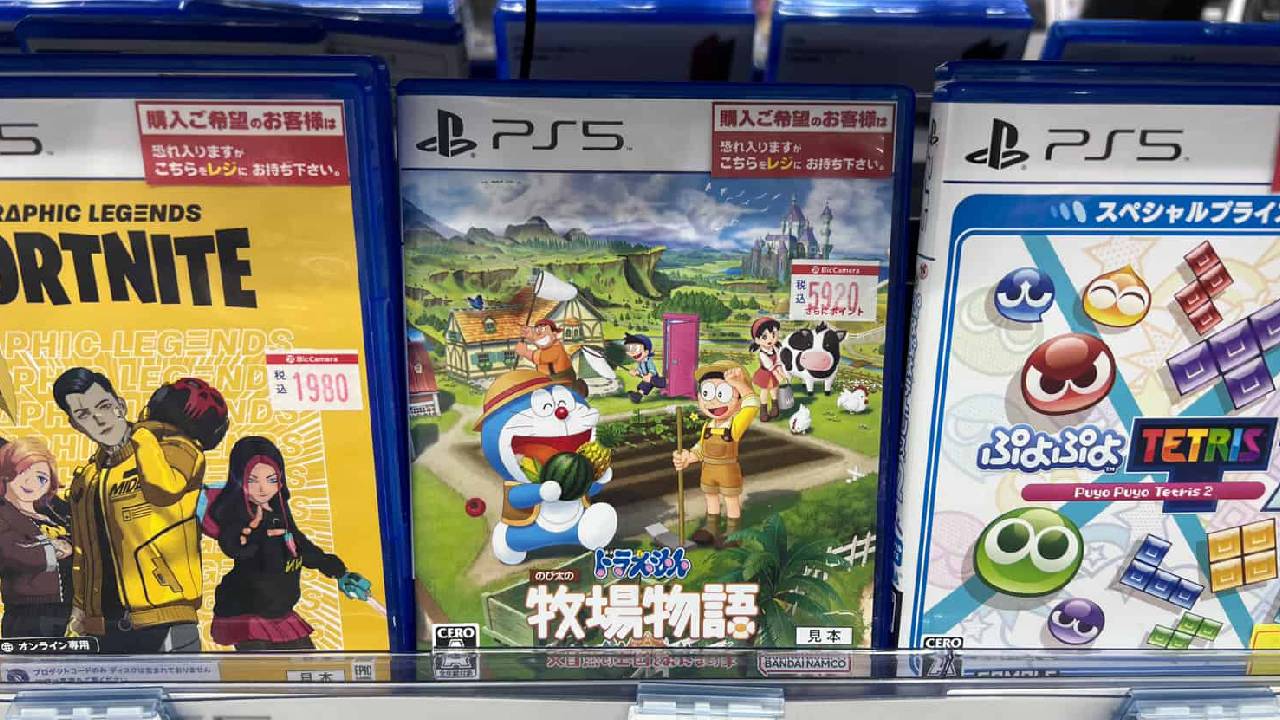
The response online has been mostly negative, with fans criticizing Sony for further distancing itself from the audience that helped build the brand into one of gaming’s biggest names, and some players believing Sony’s current position in the industry has led to this shift.
With Xbox struggling to maintain strong momentum in the console market, many fans feel Sony has become increasingly confident that players will remain loyal regardless of controversial decisions. That perception has only intensified frustration surrounding the company’s reported digital-only direction.
Why Physical Media Has Always Been Important to PlayStation Fans
One reason the backlash has become so intense is that PlayStation itself helped define physical gaming across multiple console generations. Sony played a major role in pushing physical formats into the mainstream gaming market for decades.
The original PlayStation heavily promoted compact discs over cartridges. Later, the PlayStation 2 became one of the biggest reasons DVDs exploded in popularity worldwide, while the PlayStation 3 strongly pushed Blu-ray technology during its generation. Because of that history, many longtime fans find it shocking that Sony now appears ready to abandon physical media entirely.
For physical collectors, games are not simply products sitting on shelves. Physical copies are ownership, preservation, and long-term access. It allows players to lend discs to friends, sell them later, continue playing games when digital storefronts go dark, or keep games that eventually get delisted online.
That flexibility is something many players believe digital-only ecosystems cannot fully replace. Fans have also pointed out that digital-versus-physical sales statistics can be misleading, since many independent games launch only digitally due to budget constraints.
Because of that, some players argue the actual split between physical and digital sales for major PlayStation releases may be much closer than industry reports suggest. That argument has become a major part of the ongoing debate surrounding Sony’s reported plans.
Growing Concerns About the Future of the PlayStation 6
The reported decision has also fueled major concerns regarding the future of the PlayStation 6. Many players now expect Sony’s next console to launch as a heavily digital-focused platform with limited physical support.
.jpg)
Some fans believe optional disc drives could still exist for backward compatibility, but Sony has not clearly explained how physical PlayStation libraries will carry forward into future hardware generations. That uncertainty has frustrated a large part of the community and created growing concern among longtime collectors.
Players who have spent decades building up their libraries across the PlayStation 1, PlayStation 2, PlayStation 3, PlayStation 4, and PlayStation 5 generations are now questioning the relevance of those libraries going forward. Many fans are left uncertain about what could happen to years' worth of purchases if physical support is removed completely.
Some players are also concerned that removing physical media gives Sony far more control over pricing. Physical releases create competition between retailers, while digital storefronts often lock players into a single marketplace controlled directly by the platform holder.
Others think this could actually hurt PlayStation more than Sony expects. Price has been a big factor in console success for years, and players are already concerned about how much the PlayStation 6 could potentially cost if it launches with a fully digital ecosystem.
The Continuing Debate of Digital Convenience and Ownership
Despite the backlash, digital gaming continues to grow rapidly across the industry. Many gamers prefer instant downloads and digital libraries, and avoid shelves of physical discs and cases altogether.
Digital distribution has also made it easier for smaller developers to release games without the manufacturing costs associated with physical production. However, even many players who mainly buy digital games have criticized Sony’s reported direction, as they still believe physical releases should remain an option.
A major part of the frustration comes from removing player choice entirely. Fans argue that physical and digital formats can coexist without harming one another. But physical copies still have many advantages, especially when games get delisted or storefronts eventually shut down.
“A lot of players also feel that physical ownership is different for console players than PC players. Some people choose PlayStation consoles specifically because they prefer collecting physical games rather than relying solely on digital storefronts.
Others argue that digital convenience is now unavoidable and that the industry has slowly been moving toward this direction for years. Still, many fans believe that removing physical media completely changes players' relationship to ownership.
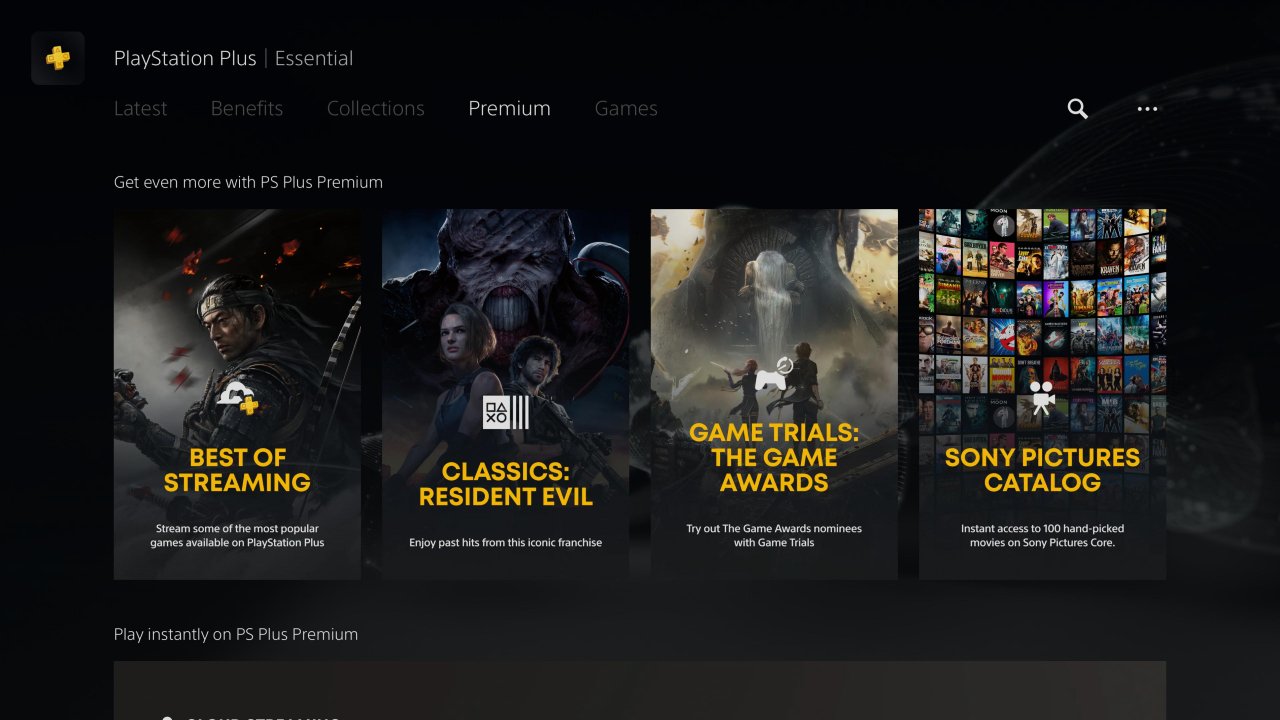
Sony Faces Increasing Criticism From Longtime PlayStation Fans
The backlash surrounding this announcement has also reignited broader criticism toward Sony’s overall strategy during the current generation. Many fans believe modern PlayStation has slowly drifted away from the image that originally built its loyal audience.
Rising console prices, live-service priorities, and stronger pushes toward digital ecosystems have already created tension within parts of the gaming community over the past few years. Some players now feel Sony has become increasingly disconnected from longtime fans and is too confident in the PlayStation brand.
There are also growing comparisons to previous moments in gaming history where companies became overly aggressive with digital-focused strategies. Many players still remember the backlash surrounding the Xbox One’s original digital-heavy messaging years ago.
At the time, PlayStation positioned itself as the more consumer-friendly alternative. Now, many fans believe the situation has almost completely reversed, with Sony receiving the same kind of criticism once directed toward Microsoft.
Xbox and Nintendo are Being Pulled into the Physical Media Debate
Sony’s reported direction has also sparked wider discussions about how competitors could respond. The backlash has pushed Xbox and Nintendo into conversations surrounding physical ownership and digital preservation.
Some reports suggest that Xbox is exploring systems that would allow players to convert physical games into digital licenses while still retaining ownership of the original disc. Many players agree that this is still not true physical ownership, while some think that it is a more even-handed compromise.
Nintendo has also become part of the conversation, with many fans now seeing the company as one of the last major console brands still strongly supporting physical media. Even though Nintendo has experimented with controversial distribution methods before, many players still view the company as more supportive of physical ownership than Sony currently appears to be.
Because of that, some fans believe Sony may have underestimated how strongly parts of the console audience still care about physical games and long-term ownership.
.jpg)
Why PlayStation Fans Fear the Future of Gaming Ownership
At the center of the backlash is a larger fear about the future of gaming ownership itself. For many fans, the problem is much bigger than the disappearance of physical PS5 games from store shelves. It’s about a future where players don’t really own the games they pay for, but instead have digital licenses controlled by corporations. That emotional concern is why the reaction has been so fierce.
For now, one of the main frustrations among fans is the lack of clear communication from Sony over backward compatibility and what’s happening to existing physical libraries. Until those issues are properly addressed, the backlash around the company’s announced plans will likely continue to grow.
Whether Sony eventually reverses course or doubles down on a digital-only future remains to be seen. But the reaction to this news has already proven that physical media is still very important to a huge chunk of the PlayStation community and remains a big part of how many players define ownership.
Editor, NoobFeed
Latest Articles
No Data.