

NVIDIA RTX Spark and the Future of Handheld Gaming
Nvidia's entry into ARM computing is pushing software developers toward broader support and optimization.
Hardware by Godrics01 on Jun 20, 2026
As manufacturers race to make the most efficient and competitive chips, PC handhelds keep getting better. Part of that transition is ARM processors, including Nvidia's RTX Spark platform, which could lead to fresh gaming laptop and handheld options. Improved optimization and software support also could lead to more competition in the portable computing market.
We had a couple of more interesting statements from Computex this year, including Nvidia's RTX Spark announcement. RTX Spark, an ARM-based processor, is Nvidia's approach to Apple's long-standing strategy. It's the first serious bid by any company to deny Apple's ARM chip monopoly.
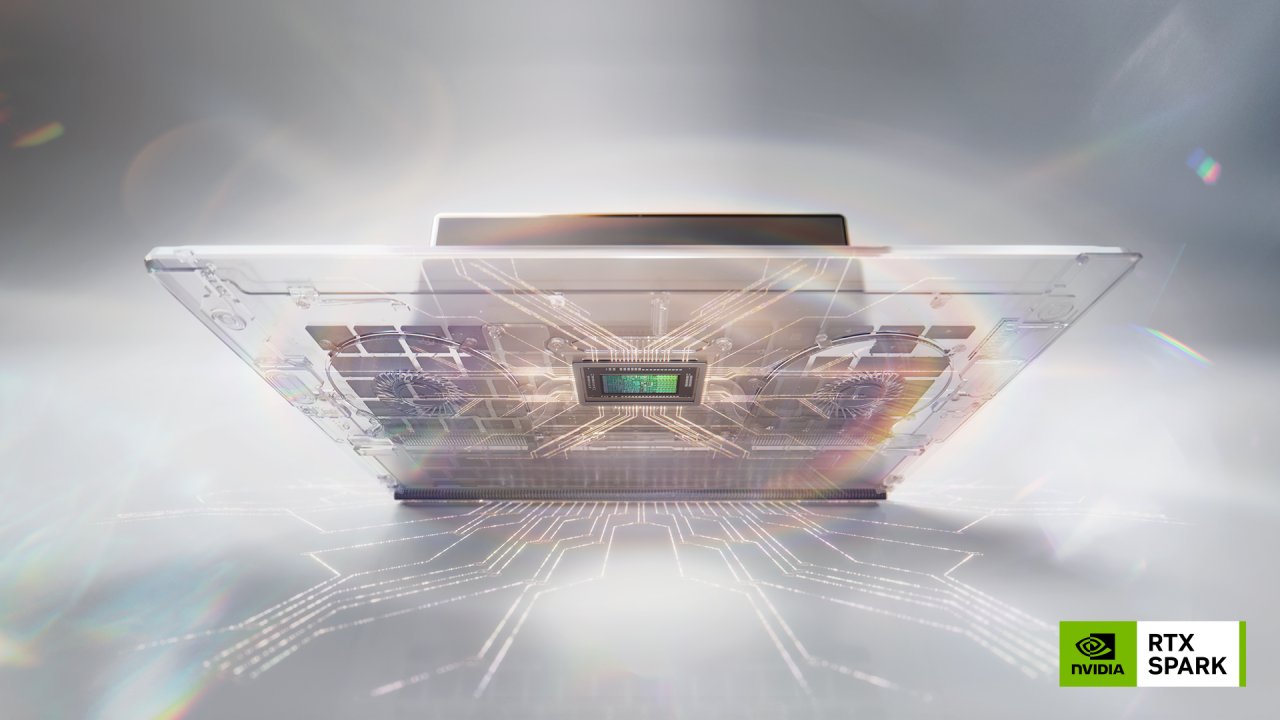
Nvidia's New Approach to RTX Spark
High-end Snapdragon X processors are available in laptops, but they are not the ones with top-notch performance. They are more efficient and effective at doing things in single threads. They have solid battery life and are efficient, coming close to Apple. But their raw performance has not been a strong suit.
Not all the blame is on Qualcomm. Optimizing software for ARM devices on Windows hasn't been the best. But now, NVIDIA has the clout to request more widespread support. Software firms react quickly when Nvidia moves in. NVIDIA is pushing this transition rather than relying solely on Qualcomm or Microsoft. Thus, programs that previously didn't have a Windows version are now getting ARM builds of their own.
No one can ignore the industry when one of the biggest hardware companies comes into a different segment. It is similar to Apple's impact but with a different experience. Apple users received a boon with Rosetta, which enabled x86 applications to run smoothly. It was quite a while before Windows on ARM could match its flavor.
There are Endless Possibilities
The new chips can do a lot of good, and the software support for them makes them interesting. They don't necessarily make the most efficient processors, but they could certainly have a significant effect on PC handhelds if some tweaks were made for smaller devices. That's already happening with Steam Decks and Valve's support for ARM devices on SteamOS.
The other side is also catching up to make Windows more ARM-friendly, and gaming technologies such as Easy Anti-Cheat now run natively on ARM devices. According to the laptop's picture with RTX Spark, the total board power is estimated to be about 97W. This includes a complete RTX 5070 graphics solution with the display, cooling system, fans, etc., needed to run the machine. That's a lot of battery draw for a handheld device.
A smaller graphics card, like an RTX 5060 or RTX 5050, may be in the same league as Strix Halo and use a bit less power. The original 97W includes the display and cooling components, so if they can be removed and the hardware modified into a handheld design, it could be down to around 40W with little performance compromise.
For those seeking 1080p gaming, the RTX Spark may be the more viable choice. This architecture may enable the creation of a substantially thinner, more efficient handheld. This isn't necessarily something we can expect to see right away, but there is a clear trend toward more efficient processors. Bigger application support could be a huge benefit for devices optimized for efficiency, such as handheld gaming consoles.
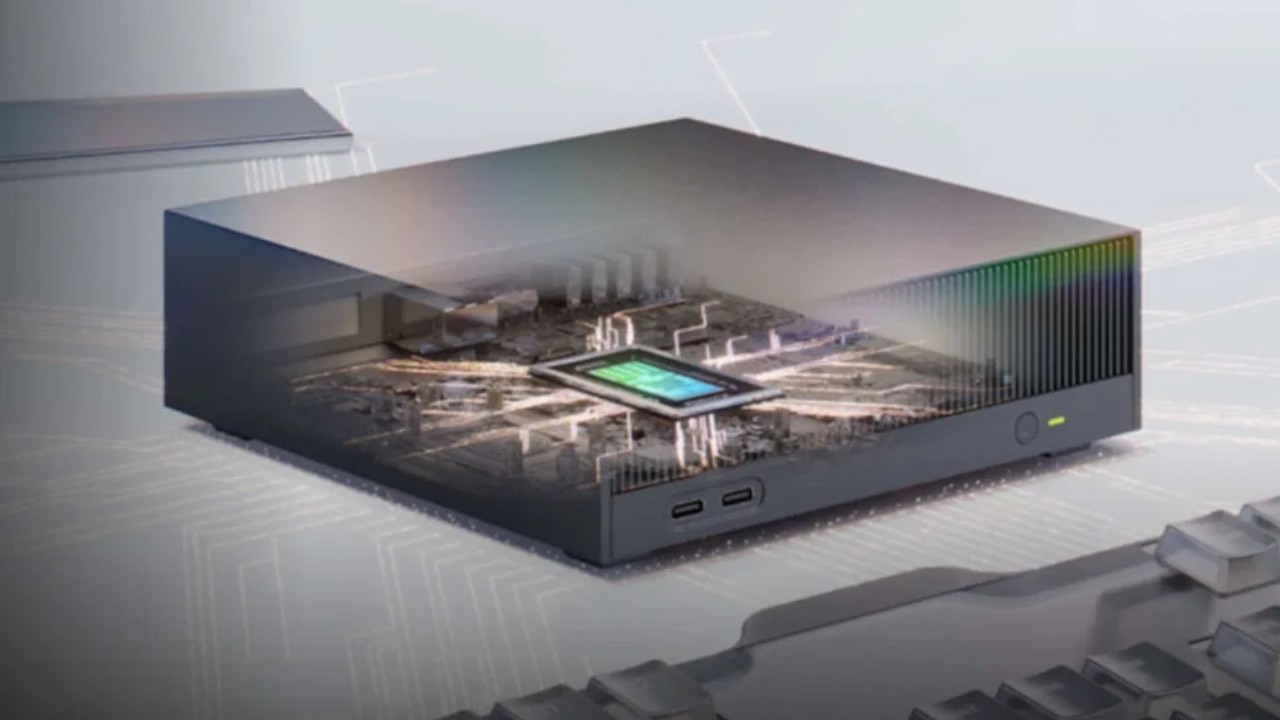
Portable Devices: Efficiency Matters!
Efficiency is critical for PC handhelds. They need to operate as efficiently as possible whilst not consuming all of the power. ARM architecture has benefits in that respect, with increased performance at less consumption. The architecture itself is more efficient, as fewer instructions are used.
X86 has been around since the 1980s, and features and technologies have been added over the decades. Some of those 'inefficiencies' and 'complexities' are unnecessary in certain circumstances. ARM is a newer platform with no decades of legacy baggage. This is efficient in many ways.
It is interesting to see a large company using ARM technology to its limits. Real competition for the MacBook Pro systems may begin if Nvidia can convince Microsoft to improve Windows' ARM support. NVIDIA remains the top company in graphics performance. MacBook GPUs can do well in some applications, but Nvidia's driver stack is one of its best attributes. By emulation, these systems have already achieved results close to those of regular x86 gaming laptops.
Most emulation runs on the CPU, leaving the GPU to handle gameplay.
That enables games to fully utilize the hardware's graphics potential. A lot of that is due to Nvidia's driver stack and how they manage these workloads. As mentioned in my previous article, laptop motherboards can be repurposed as handheld computers. There are already several creators who have converted designs for Framework motherboards into handheld devices to prove that the concept works.
The same technique could be used for the boards of RTX Spark laptops. If properly wired up with a screen cable and a controller, it should be possible to convert one of these laptop motherboards into a hand-held system. The device could quite possibly be longer due to the motherboard's size, but it would still be interesting. With ARM improving and hardware efficiency still climbing, NVIDIA RTX Spark may be a major piece of the puzzle for PC handheld gaming.
Editor, NoobFeed
Latest Articles
No Data.