

Xbox May Have Planned Ninja Theory Exit Before Senua Reveal
A new report claims Microsoft may have already planned to part ways with Ninja Theory before showcasing its next game, raising questions.
News by Sabi on Jun 19, 2026
One story claims Microsoft may have already decided to close, sell, or spin off Ninja Theory before the firm showed off its next project at the Xbox Games Showcase earlier this month. That has put Microsoft’s Xbox division under even more scrutiny.
Before Ninja Theory’s new game Senua was revealed at the Xbox Games Showcase on June 7, Microsoft had plans for the studio’s future, according to a newsletter by writer Stephen Totilo called “Game File”. Xbox execs believed that showcasing the game might attract investors or buyers interested in acquiring the studio, which could have spared it from a complete shutdown, according to an article citing a source familiar with the issue.

The announcement has been a topic of much discussion in the gaming world.
Some people worry about whether it is OK to hype a game if the firm that produced it might not want to sell it after all. While the claimed strategy may have been to help Ninja Theory remain alive, many critics say it could mislead fans who think the titles being showcased are likely to be released on Xbox in the future.
The report explicitly claimed that it’s still unclear whether Ninja Theory workers knew about Microsoft’s purported ambitions. Other industry figures fear that, should studio heads and Xbox management decide to make the showcase a vehicle for wooing purchasers, it might be interpreted as a move to save jobs and secure the studio's future. But critics believe the issue is far more alarming if the developers had no idea what they were doing.
The news comes at a time when Xbox’s restructuring efforts remain uncertain, and concerns about the future of several first-party studios are mounting. The report also illustrates how much Xbox has evolved over the last few years, not just in light of Ninja Theory's assertions. Review the 2022 org charts and compare them with the current leadership and studio structures. You can see that several executives and teams have either left, been restructured, or been tied to closure discussions.
Microsoft's cost-cutting and reorganization efforts are attracting attention in the business world, especially as the company’s fiscal year comes to a close. Many in the IT and gaming industries have faced layoffs over the past few years, and there’s concern that more cutbacks may make it more difficult for game writers to find work.
Suddenly, many experienced developers in the sector are looking for jobs, which is a concern.
Sudden events have occurred at major IT companies in the past few years, often making competition for a small number of unfilled jobs very tough. And that has led to a lot of discussion among fans and industry professionals about whether a huge showcase trailer could have been used for commercial purposes beyond promoting a new game.
One of the greatest questions raised by the study is the reason why gaming exhibitions exist. Players often see events like the Xbox Games Showcase as previews of upcoming games that platform holders are trying to launch. Some say that showing off a title, largely to attract investors rather than tease a new game, lowers expectations.
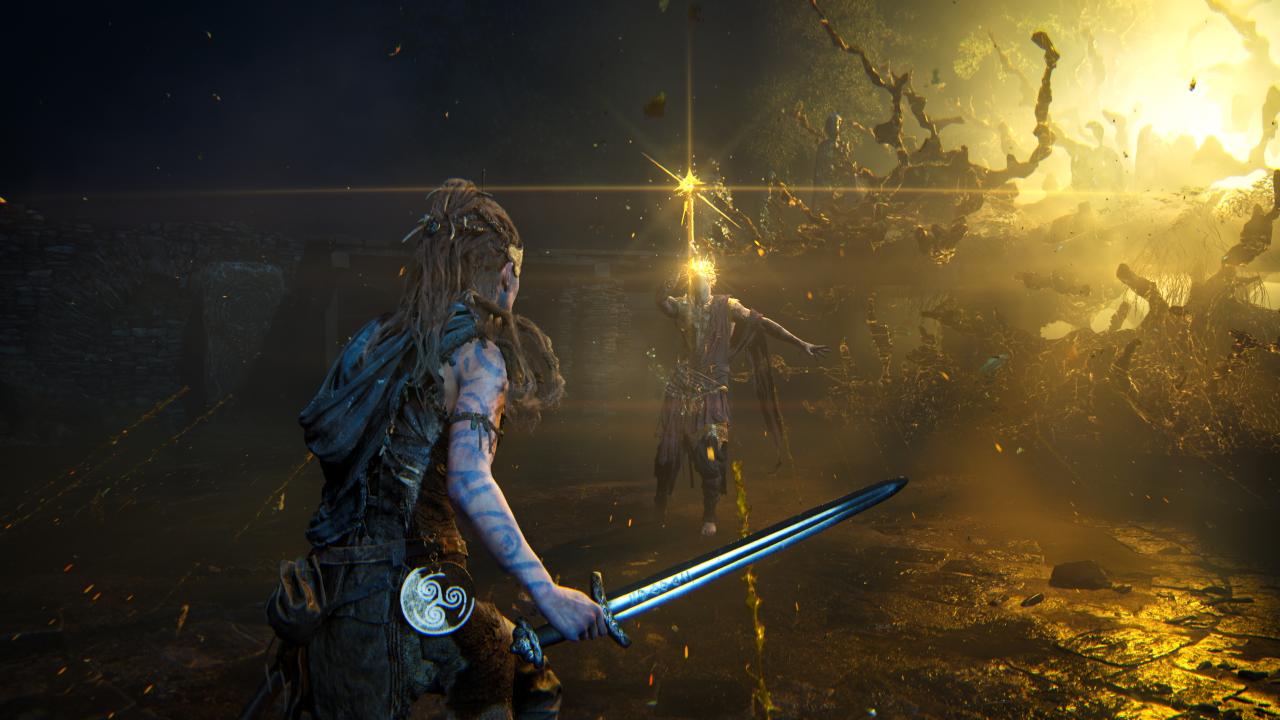
Critics point to a long history of gaming initiatives that were meant to materialize but never did, as they were repeatedly delayed, altered, or dropped altogether. Releasing movies for games that may never be released could further erode people’s trust.
That said, many argue that showing off a project could be the right thing to do if it means saving a firm and jobs. In that sense, the trailer is not so much a guarantee to consumers as a high-profile plea to potential donors. The argument is based on transparency. Most of the time, fans believe that showcased games at major events will eventually come out. When that assumption is challenged, there is typically sadness.
Some experts have also noted that Senua's trailer did not do very well online.
The reveal was believed to have far fewer viewers on the official Xbox and Ninja Theory channels than blockbuster game reveals, which regularly get millions of views. Trailer views aren’t a perfect measure of a project’s commercial potential, but they’re commonly used as a rough estimate. If the game had exploded, it could have made the case for continuing to trade or buy stronger.
People are also chatting about the word itself. Instead of following the established Hellblade name and calling it Hellblade 3, Ninja Theory opted for the more straightforward Senua. Some critics say this move may suggest the franchise is being rebranded to appeal to a broader audience or attract investors.
Others felt that the video seemed more like a prototype for the sequel than a finished product, which could corroborate the theory that the project was rapidly cobbled together to produce an appealing show reel. The discussion has also touched on why game trailers are often released years before the game is released. Many people believe it is only due to consumer marketing, but that is not necessarily the case.
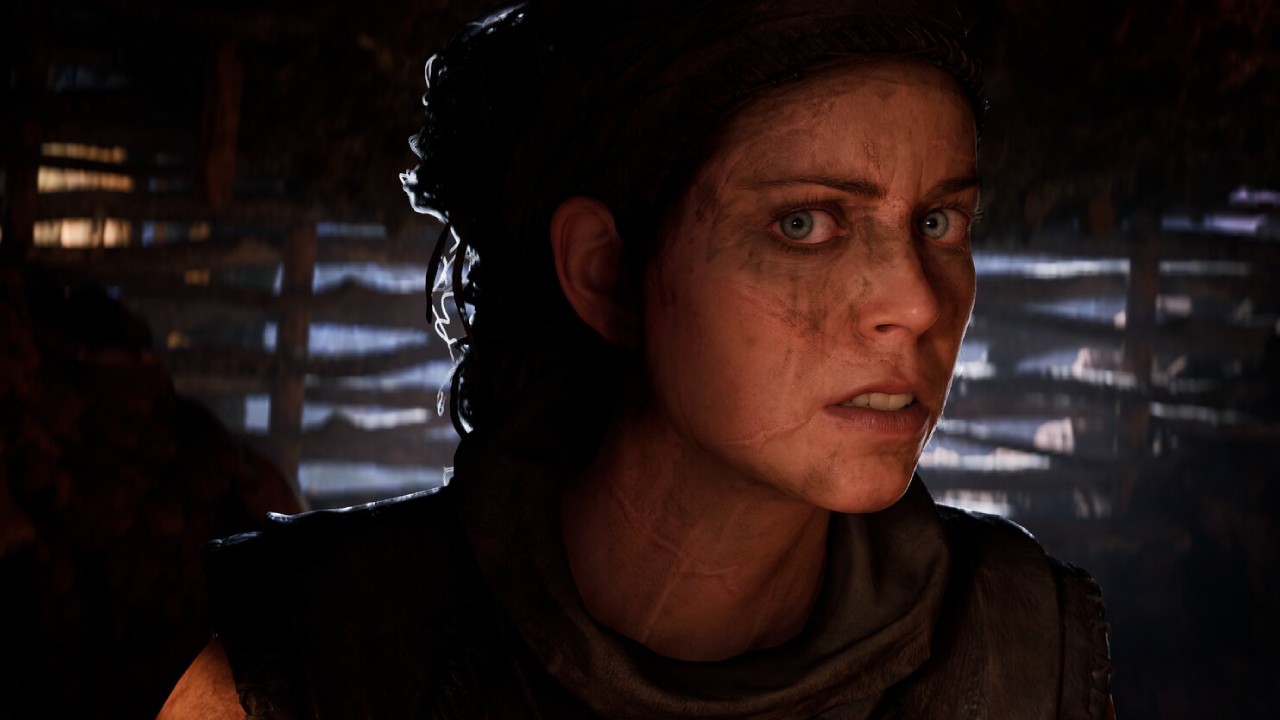
Developers typically use promotions to attract new staff, particularly when building teams for large projects. A big announcement can make potential employees enthusiastic and attract experienced coders to a company. Announcements can also alter how things are managed inside the firm. When individuals are enthused about a project, it can help teams raise money, attract talent, and secure executive support.
In some cases, studios will show projects off early to keep them in the public eye and maintain enthusiasm within larger groups. These data illustrate the complexity that exists when commercial strategy, public relations, and game production intersect. Usually, players regard videos as teasers for new games, while studios see them as tools that can serve multiple purposes.
The future of Ninja Theory remains to be seen for now.
Microsoft and the company have not publicly validated the assertions in the report, so many doubts remain. Fans of the Hellblade series have become increasingly apprehensive that Senua was shown off in part to make the studio more attractive to potential buyers. Many consider the series one of Xbox’s most distinctive and musically ambitious, making the prospect of losing its developer all the more distressing.
The truth of the story aside, the discussion has raised broader questions about how open game marketing is and the struggles of producing games nowadays. With increased layoffs and restructurings in the entertainment industry and rising production expenses, Ninja Theory could be another example of how business realities are influencing what consumers see on stage.
But for fans, the big thing that still matters is that when a game shows up at a large event, they want it to have a future. In the wake of news that a trailer might be better used as a negotiating chip than as a product launch, many are wondering where to draw the line between marketing and business strategy.
Staff Writer, NoobFeed
Related News
No Data.