

Why RDNA 5 Could Be AMD’s Most Important GPU Launch
Nvidia's extended RTX 50 strategy could create a rare opportunity for AMD to regain momentum in gaming GPUs.
Hardware by Godrics01 on Jun 21, 2026
AMD might be on one of its biggest opportunities in graphics cards in years. NVIDIA has been the benchmark for gaming GPUs for many years, and buyers have come to expect GeForce GPUs to provide the fastest performance, better ray tracing, and top-class gaming functionality. But the changes in both companies' strategies may be the difference-maker in the coming years.
For many years, NVIDIA has been the best at making gaming video cards. When people talk about the best game experience, the most powerful card, the best ray tracing, or the highest-quality upscaling, NVIDIA's name usually comes up first. The GPU market is becoming interesting right now.
.jpg)
NVIDIA might be pushing the capabilities of its current RTX graphics cards, but AMD might have a much larger vision for its next-generation Radeon graphics cards. This could be the best opportunity for AMD to make a run at NVIDIA in years, if timing is right.
AMD’s Long-Term Platform Strategy
Well, let's start with AMD's bigger plan. AMD has proven that a long-lasting platform is important. The reason AM4 became one of the most supported platforms in PC history was that users could upgrade it for years without having to replace any parts. With AM5, it appears that AMD is attempting to duplicate that success.
Being able to support it for years with AM5 gives PC builders more confidence. It points out that AMD isn't trying to sell a new motherboard every two generations. It makes AMD seem more consumer-friendly. That's important because PC equipment is becoming more costly. We wish for better value. We want longer-lasting products, and we want businesses to fight it out for our money.
RTX 50 Super Refresh may be a Chance for NVIDIA
That's where Nvidia could present a significant opportunity for AMD. Recent rumors suggest that Nvidia is working on an RTX 50 Super refresh. These cards could be equipped with the newer 3GB GDDR7 memory modules, enabling Nvidia to add more VRAM without a complete redesign. An 8GB card would become a 12GB card, a 12GB card would become a 18GB card, and a 16GB card would become a 24GB card.
Gamers would benefit from more VRAM as games become increasingly demanding, particularly at 1440p and 4K. Memory can be much higher for high-resolution textures, ray tracing, and open-world games. Having more VRAM on the RTX 50 Super would be good, but it's about timing. RTX 50 generation might be getting extended quite a bit if Nvidia waits too long to launch these Super cards, particularly if they start around 2027.
NVIDIA might opt to continue supporting Blackwell with a refresh rather than hasten into RTX60. Well, it is good business sense. NVIDIA is making a lot of money through AI. Data center GPUs are in high demand, and gaming drives may no longer be the top priority.
The Potential Advantages of AMD
There is an opening for AMD at its beginning. But if NVIDIA is simply updating its RTX series, and AMD is developing a new architecture, then AMD might be on the verge of a launch. According to reports and rumors, AMD's next big GPU generation, RDNA 5, could be in the market sometime in 2027.
The release date hasn't been announced and might shift, but if AMD releases at the same time as Nvidia's RTX 50 Super refresh, it could be a riveting comparison. NVIDIA is selling an updated generation, and AMD may be selling a new generation. That difference matters. AMD is not looking for just another so-so GPU. It must have a call to action. RDNA 4 allowed AMD to make better inroads in the middle market, but it didn't turn the game around.
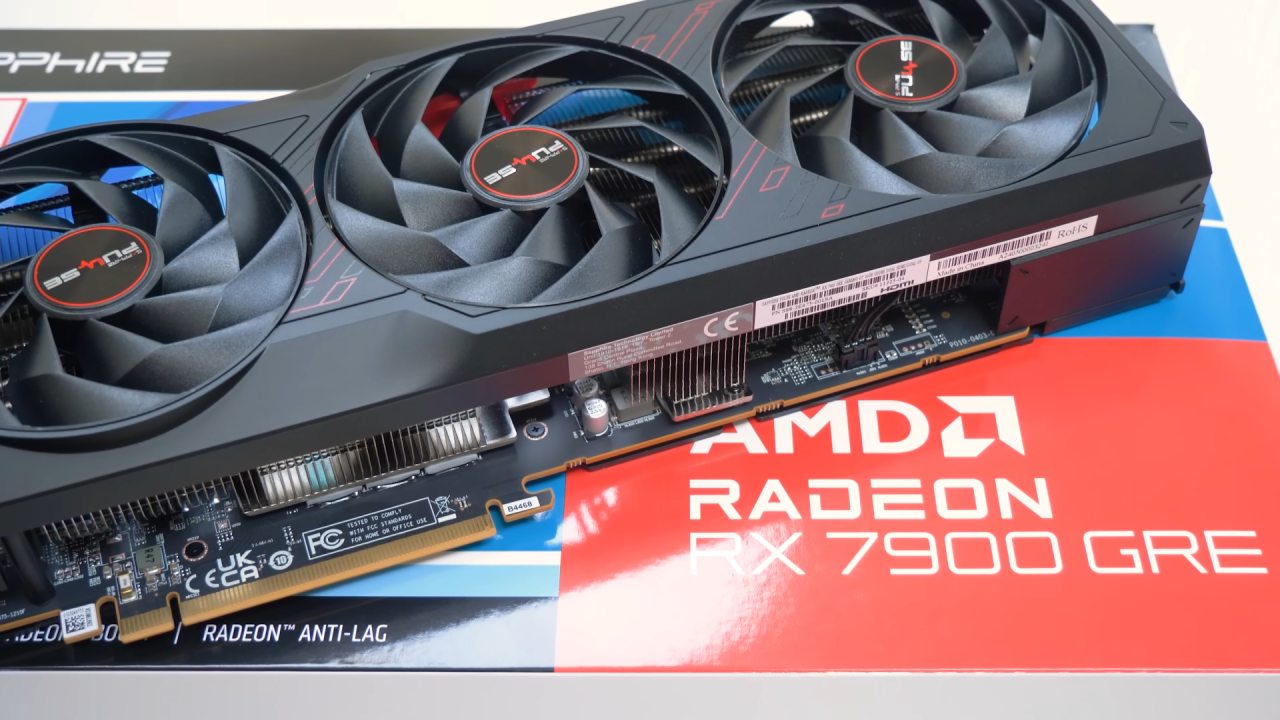
RDNA 5 must be something different. AMD must deliver solid 1440p and 4K performance if it is to be a pain in the ass to NVIDIA. It must have the VRAM from the get-go. It requires improved ray tracing. It requires enhanced upscaling and frame generation features. Above all, it requires aggressive pricing.
Pricing is critical. AMD can't sell wall-to-wall with NVIDIA and still get any customers. NVIDIA's brand is more well-known. DLSS is widely adopted, ray tracing is reliable, and many customers opt for GeForce as a default option. AMD must put the value in.
If NVIDIA introduces the RTX 50 Super with increased memory but a higher price, AMD will have to come up with its own answer. We need performance, more VRAM, and better value, but you need a reason to choose Radeon.
Avoiding Previous Mistakes
In addition, there are errors to avoid from previous launches. AMD has provided decent hardware in the past, but some launches haven't gone so well. At times, prices were not competitive. Frequently, software was not ready. In some cases, marketing was unclear at best about why to purchase Radeon products.
AMD won't be able to afford that with RDNA 5. If it's a huge step, the firm must have a “clean” launch. The factors that will matter will be good drivers, strong availability, clear naming, and smart pricing. The message should be consistent: better performance, more memory, and value for gamers.
The situation is different now. AMD is developing trust on long-term CPU platforms.
NVIDIA might be pushing more generations of its GPUs, and AMD's next-generation Radeon architecture might be just around the corner. Nothing is guaranteed. These are just rumors, and launch plans are subject to change. It will be all about performance, cost, and availability. If AMD does its job right, RDNA 5 could be one of the most significant Radeon releases of the year.
Competition benefits everyone. If NVIDIA is not under pressure, then prices will stay high, and upgrades will be smaller. If it's competitive, NVIDIA must react. This has several advantages, such as more VRAM, better GPUs, and lower prices for everyone. AMD is not only looking for a new graphics card. It's got to make NVIDIA uncomfortable. But if it delivers the right performance, price, and timing, this might be AMD's biggest opportunity to come back.
Editor, NoobFeed
Latest Articles
No Data.