
Final Fantasy 7 Revelation Director Explains Massive Gameplay Changes
Director Naoki Hamaguchi explains the new FIT job system, open-world philosophy, and Highwind traversal changes as Square Enix aims to make Revelation feel fresh and tidy.
News by Wasbir Sadat on Jul 27, 2026
With Final Fantasy 7 Revelation continuing to unveil new elements ahead of its release, the newest developer interview reveals Square Enix is taking player feedback from Final Fantasy 7 Rebirth seriously.
In a recent interview, director Naoki Hamaguchi touched on key talking points for this game, including the larger open world, gameplay, adjustments, and the challenge of keeping a huge RPG interesting without giving players too much information. While Revelation is said to have a wider scope than Rebirth, Hamaguchi admitted that “open-world fatigue” is a real thing for modern gamers.
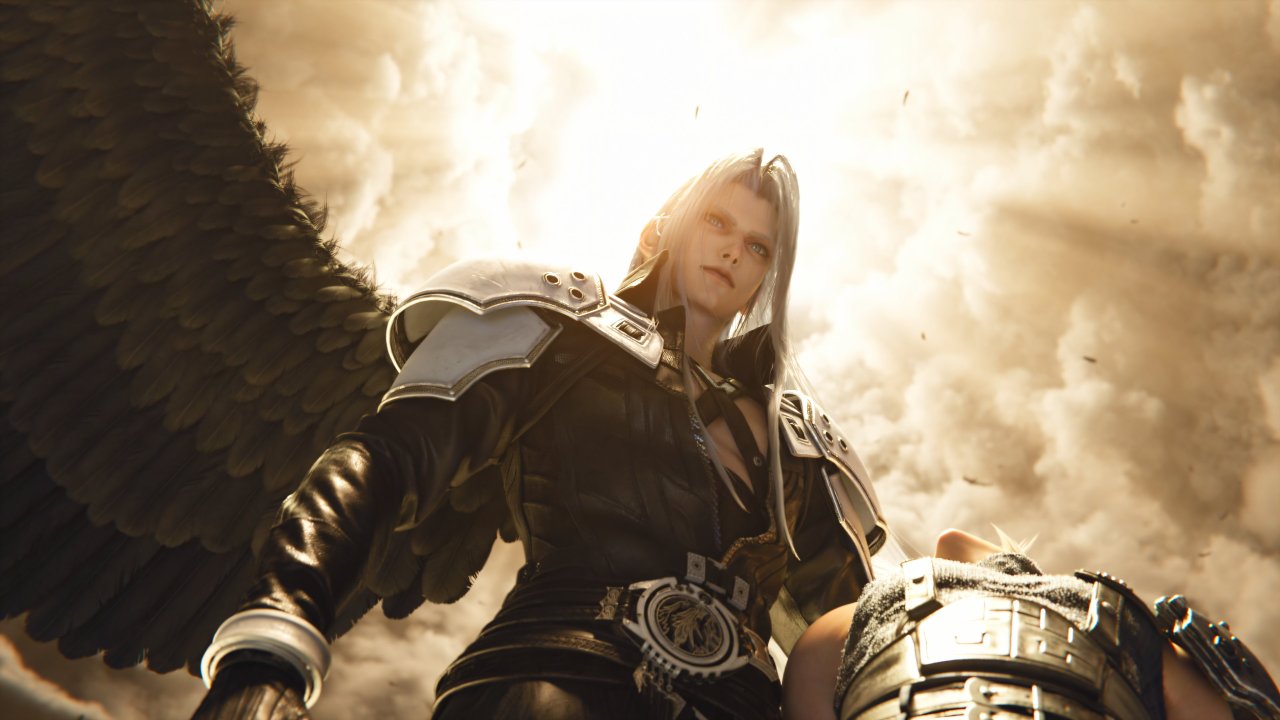
The dev team is not just expanding the game; they want to ensure players always know where to go and what to do, while also allowing them to explore at their own pace. The interview also revived suspicions about Hamaguchi’s future at Square Enix. Many fans have long speculated he’d move on to direct Final Fantasy XVII once he completes the Final Fantasy VII Remake trilogy.
Still, recent comments concerning producer Naoki Yoshida have only spurred further talk.
Nothing has been confirmed, but the potential is garnering more interest than ever before. But aside from the gossip, the interview focused mostly on Revelation itself, giving us a glimpse of the mechanics put in place to keep the end of the trilogy fresh despite being built on the critically lauded gameplay established in Rebirth.
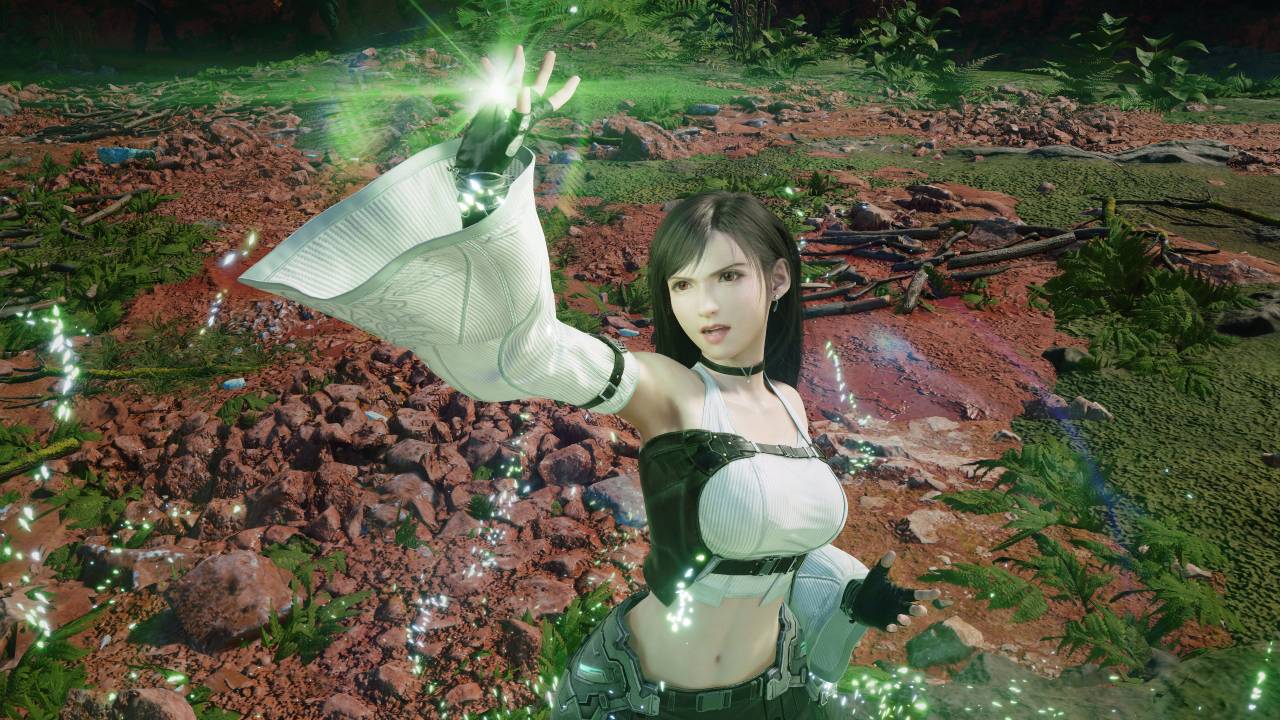
One of the greatest changes coming to Revelation is the FIT (Functional Integrated Tactical Suitwear) system. This is essentially a job class system that allows characters to assume multiple combat roles. Each character will have four different clothes related to different jobs, with Cloud's Warrior class and Tifa's Dark Mage already shown.
Hamaguchi said the idea came when the combat system in Rebirth had reached its optimal form. Moving that mix action-RPG combat into a third game risks having the experience feel too familiar, even if the mechanics themselves were still great. Instead of overhauling combat entirely, the team collaborated with the combat director to provide players more choice through configurable roles.
In Rebirth, characters spontaneously fell into predetermined roles. Cloud was a master in close-range combat, Barret was responsible for ranged assaults and tanking, and Aerith was mostly a support mage. Players were able to explore, but many party configurations eventually settled into these patterns.
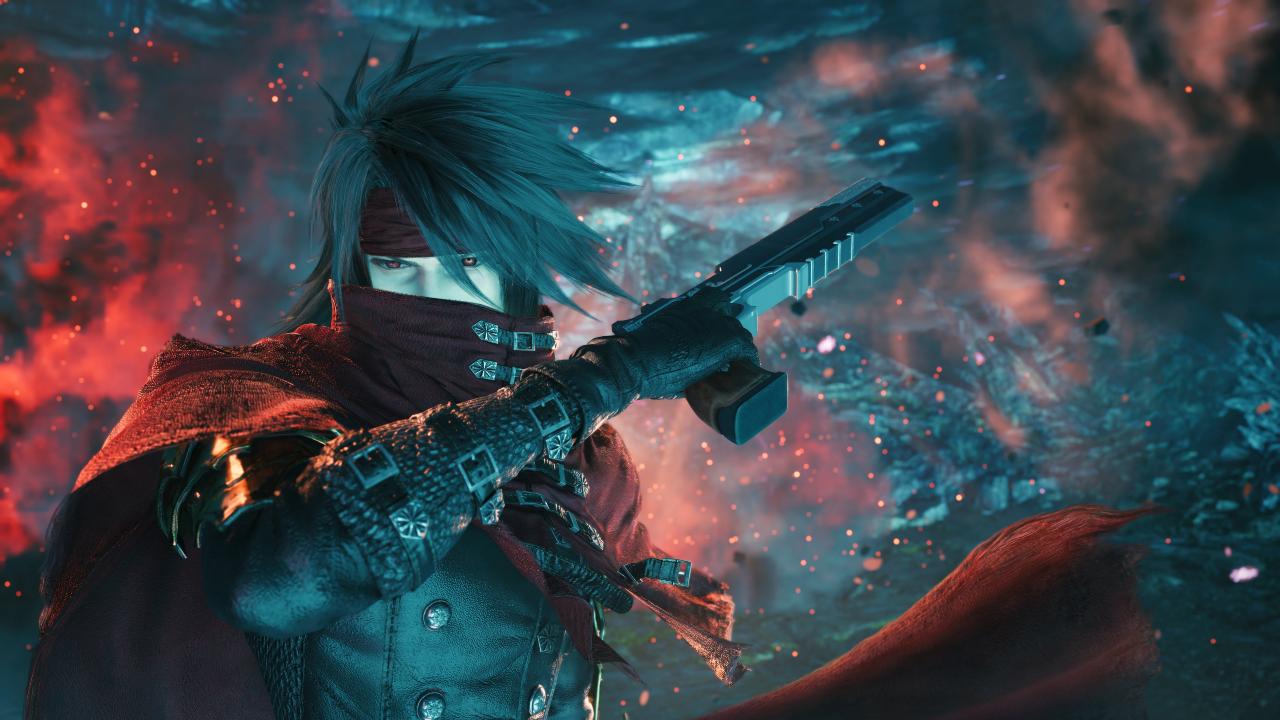
The FIT system is meant to remove these limitations and allow players to assign different tasks to individuals on the roster, creating parties based on preference rather than predetermined strength. The hope is to give full choice in squad composition while keeping the refined combat core that made Rebirth so highly accepted.
Rebirth's fighting was already one of the strongest systems Square Enix has ever made, but doing the same thing over another 40- to 60-hour adventure without much added may get repetitive over time.
New employment classes could offer just the right new twist for the trilogy's finale. Another main topic mentioned in the interview was Revelation's open universe. Hamaguchi said that he’s aware of the increasing criticism of large open-world games that plunge players into huge maps without much guidance.
While he still enjoys the rush of free exploration, he also feels that developers have a duty to lead players appropriately through those environments. In Rebirth, the team crafted content with care so that players could grasp both where they were and how hard they were. That same concept is spilling over into Revelation despite its scope.
The comments are particularly interesting because Revelation is anticipated to have even more activities than its predecessor. Queen's Blood is coming back better than ever, and more minigames are being added. The overall amount of optional material is being greatly increased. One of the team's major difficulties has been to balance that added content without drowning players.
Hamaguchi says the answer is good guidance, keeping players always aware of the goals while still giving them freedom over how much optional stuff they want to finish. That philosophy illustrates one of the greatest controversies regarding Rebirth. Some gamers liked the abundance of side content, while others said that the various activities slowed the flow of the main adventure.
Optional material can be avoided theoretically, but a lot of side systems are introduced during main missions, so players are naturally encouraged to engage. The conversation also points to an issue that many modern RPGs still struggle with: balancing meaningful material with overwhelming volume. Rebirth has some great side activities like Queen's Blood, but not every optional feature was quite that good.
There were a couple of mini-games and objectives that felt more like padding to stretch out the game rather than something that really added to the adventure.
That’s where Revelation will eventually be tested the most. Spending 30 hours on the core tale vs 90 hours exploring every activity is a useful option, but only if those optional activities regularly justify the extra time commitment. Developers sometimes try to lengthen play-time in RPGs by adding recurring tasks, although this does not always improve the overall experience.
Maybe the real test of Revelation's success is not the quantity of stuff it has, but just how consistently compelling that content is from start to finish. Hamaguchi's remarks indicate the team knows the task, but the final execution will not be judged until players can experience the game for themselves. Highwind and aerial exploration are another interesting characteristic mentioned.
Hamaguchi says players will go through two different phases as they leap from the airship. While in freefall, players can scout their destination before they choose to land, with objectives, markers and areas of interest remaining visible over the landscape. But when you open the parachute, all markers disappear.
After this point, players must rely on their memory and visual cues to reach their chosen destination. A weird design choice that adds a depth of forethought that is rarely seen in modern open-world games. Instead of just always following the waypoint markings, players are urged to have a quick scan of the environment before dropping down.

This mechanism might be daunting to some players who like a lot of navigation help, but it is actually less severe than it first appears.
Players can just wait to deploy the parachute until they're closer to the ground, or memorize nearby goals before they even jump. It may also be a technical decision, as that would prevent dozens of objective indicators cluttering up the screen while depicting Revelation's massive environment at the same time. The mechanic provides a new way to explore that is different from typical open-world design, whether for immersion, performance, or both.
Players' reactions to the feature post-launch remain to be seen. Still, for now, based on Hamaguchi's latest comments, Final Fantasy 7 Revelation seems to want to change just about anything about Rebirth, while slowly but surely keeping intact the parts that made its predecessor one of the franchise's biggest successes.
Staff Writer, NoobFeed
Related News
No Data.