
RAM and SSD Price Surge Explained: How It's Changing GPU and PC Build Decisions
Rising DRAM and NAND prices driven by AI data center demand are reshaping the cost of building a PC.
Hardware by Naheyan Tahmin on Jul 27, 2026
PC building is in a very unusual position with two halves of the same build going in different directions. Memory and Storage prices are rising very rapidly, and the Motherboards, which are usually the most stable and predictable component of any build, are being cut in such a way that is usually associated with clearance pricing.
The disparity is indicative of a bigger paradigm change in the PC-pricing model at this time, and is a question that buyers now have to ask themselves: build now, scale back the build, or wait. System RAM, of which DRAM is a key component, and NAND used in SSDs are both being increasingly drawn to the realm of AI data centers, enterprise storage, and other high-margin server hardware.
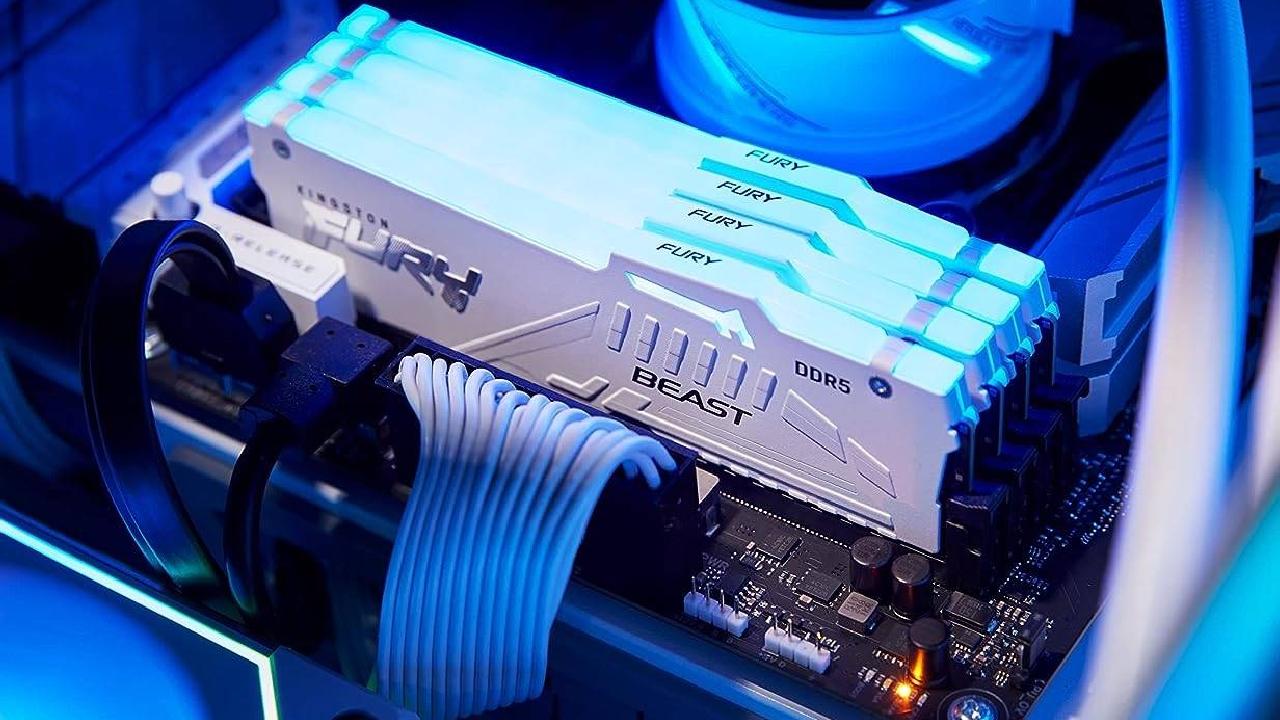
Memory and Storage Costs are Rising
That alters the economics of a typical build as consumer PC parts are now being offered to companies willing to pay a lot more for the same parts. What used to be a normal choice of 32GB DDR5 is once again considered standard, and the 2TB NVMe SSD was once a standard storage capacity for most builds. The higher the price of RAM and storage, the higher the price of the build before a GPU even comes into play.
At first glance, this seems to be the extra memory and storage space that can mean a smaller GPU budget, a choice to hold off on the build and/or an older graphics card, for those planning a build around an RTX 4070, RX 7900 XT, or an Intel Arc GPU. Now memory is no longer a 'line item' but a whole purchase.
Game demand will be impacted by increased memory and component prices, and AMD expects gaming revenue to suffer as buyers wince, the company has said. A full build is more than just the GPU; it incorporates the CPU, motherboard, RAM, SSD, power supply, case, cooling, and, with increasing memory prices, a mid-range build becomes a high-end build, or a budget build becomes inapplicable altogether.
Motherboards are on Discount
The push for increased memory and storage prices is manifesting itself in one other way in the build: motherboards. The premium boards are selling off at the price of entry-level ones. One of the high-end Z890 boards that normally costs $460 was on sale earlier in the week for a little over $200, which is more than a mere price cut.
When RAM and SSD prices chase people away from building, motherboard manufacturers face unsold inventory, which drives prices down. The price has nothing to do with things such as PCIe 5, Wi-Fi, USB-C, or powerful VRMs becoming irrelevant. It's all about buyers taking their foot off the gas.
However, it does provide an advantage for buyers already committed to an AM5 or Intel platform. For a slightly higher cost than a basic board, a discounted premium board can offer higher power delivery and more M.2 slots. Having a cheaper motherboard won't fix the issue of expensive memory, though; it's just pushing the money in a build to the motherboard.
VRAM is again playing a big role in GPU buying decisions. RTX 5070 has 12GB of GDDR7, while the RTX 5070 Ti upped the ante to 16GB. AMD's RX 9070XT has 16GB of GDDR6, while Intel's Arc B580 is geared towards budget consumers with 12GB of GDDR6. VRAM boosts 1440p gaming, upscale texture settings, creator apps, and local AI workloads, but the more important consideration is how many consumers will be able to afford the card they want.
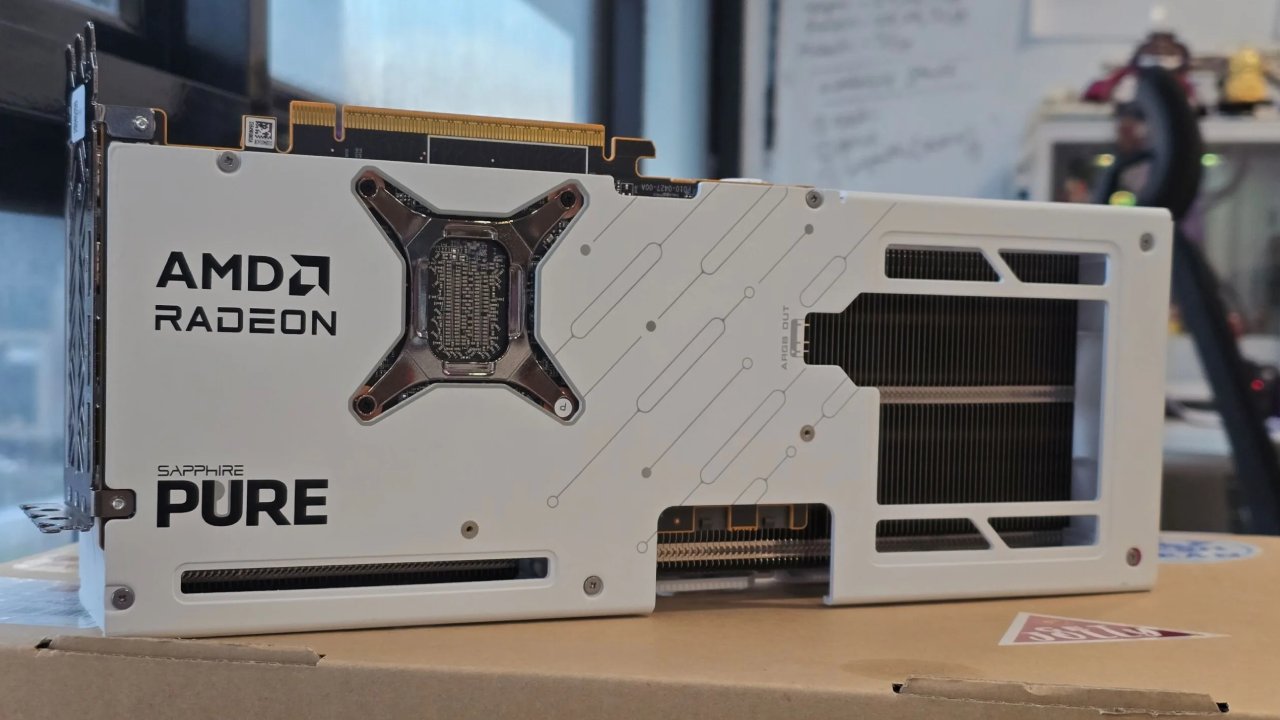
Implications for GPU Purchases
As memory continues to cost more, there are only a few choices for graphics card manufacturers: increase prices, reduce profit, reduce memory capacity, or encourage customers to spend more on their graphics cards. None of these options should appeal to gamers. Now, nothing will suffice except benchmark charts.
The value of a GPU can vary depending on the surrounding platform's cost, such as $200 or $300. The power draw and the quality of the power draw also factor in the choice. Nvidia is strong in software and AI capabilities; AMD is competitive in VRAM; and Intel may be a good choice on price, though caution is warranted regarding compatibility. The point should be to select the GPU that is still viable given the total system cost, and not to go for the fastest of the bunch.
The pressure is an example of what you'll see at the system level in the Steam Machine by Valve. It is a small SteamOS gaming console that's pitched as a solution to the cost of a complete Windows gaming machine, but when it gets to be more than a thousand dollars, it's just a solution to the cost problem it was designed to address.
VRAM capacity across current GPU lineups is becoming a deciding factor.
If the games you play are still supported by your current GPU, it's a fair bet you should wait. If you do have to build now, the more effective approach is to look for motherboard/CPU combination packages, avoid features that you won't get much value from but will cost more, and ensure that the memory or storage upgrades don't cost more than the graphics card.
The PC market is not in jeopardy, but it is definitely under stress. These are causing full-system prices to rise, as buyers wait to upgrade, motherboard vendors to sell fewer shipping units, and GPU value to be more difficult to determine by specs. The only reason to wait is if the existing PC can still do the work the computer is requested to do, and the move only makes sense if the deal involves a lower overall system cost, not just a lower PC cost.
Editor, NoobFeed
Gaming Hardware Updates
No Data.