
GTA 6’s Physical Copy Raises New Questions About PlayStation’s Digital Future
A 170-day activation limit for Japanese download codes has sparked concerns about what happens when physical game ownership becomes little more than a box with a code inside.
News by Tahmid Mahi on Jul 26, 2026
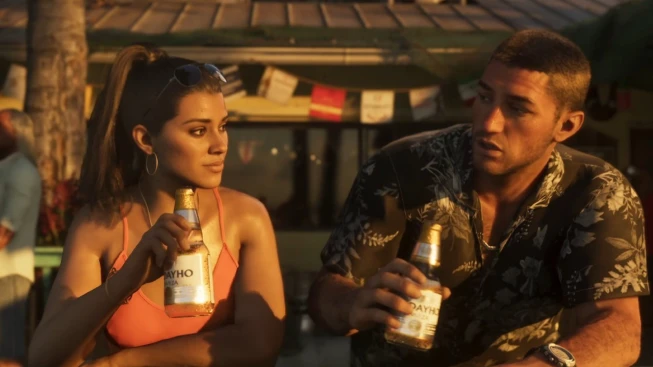
Grand Theft Auto 6 is arguably the biggest game still scheduled to arrive in 2026, and the excitement around it has been building for years. You could make a case that the rumored Ocarina of Time remake has plenty of people excited too, but Nintendo still hasn't shown enough of it for fans to know exactly what they're getting
The wait for GTA 6 has also been unusually long. Grand Theft Auto 5 came out two console generations ago, so there’s a lot of excitement for the sequel. The game is sure to get plenty of attention in the industry, and its release could help boost console sales and give the struggling video game market another big push.

But the release also comes at a time when the future of physical games is being questioned as never before.
PlayStation has recently come under scrutiny after announcing plans to end physical game distribution starting in January 2028. That would further reduce the choices you have when buying PlayStation games, leaving digital purchases as the primary option and pushing the platform closer to becoming one giant storefront.
GTA 6 has already been caught up in this conversation because Rockstar has confirmed that its physical version will not actually include a game disc. Instead, you'll be able to purchase a physical box containing a download code, allowing you to preload the game ahead of its launch.
That has led some people to view GTA 6 as a kind of test for the industry's digital future. If one of the biggest games ever released can successfully move away from physical discs without hurting sales, it could make it easier for companies to push further toward digital-only distribution.
Details about the various editions of GTA 6, including the more expensive Ultimate Edition upgrade, can be found on Rockstar's official website (last updated June 24, 2026). The premium edition includes some extra content and features, such as some barbers and mod shops not found in the standard edition.
The bigger discussion, however, comes from the details surrounding the physical version. According to Rockstar's information, the physical edition of GTA 6 will contain a download code inside the box and will be available starting November 12 to support preloading.
There won't be a disc included, which is something players already knew, but the details surrounding those codes have now raised additional questions about how long you actually have to use them. That has made the physical release feel less like traditional game ownership and more like a digital purchase packaged inside a physical box.

For many players, the lack of a disc might not be a major issue by itself.
GTA 6 could potentially be so large that it wouldn't fit comfortably on a standard Blu-ray disc anyway, meaning Rockstar may have had to make some kind of compromise. You could argue that the game could have been optimized further, but without knowing the final file size, it's difficult to say whether a disc-based release would have been practical.
Grand Theft Auto 4 and Grand Theft Auto 5 can be found physically for relatively low prices, while GTA 6 is expected to remain expensive for quite some time after launch. If you want to buy a physical copy and keep it sealed for later, though, the new details surrounding the download codes could become a problem in certain regions.
The issue people are now focusing on comes from the information about PlayStation codes purchased in different regions. These codes are meant to be redeemed by users with PlayStation accounts registered in the appropriate countries, which is generally standard for digital products.
Product codes purchased in Japan will expire 170 days from the date of issue, as stated for Japan due to regional regulations. With the release date for Grand Theft Auto 6 scheduled for 19 November 2026, Japanese players would have 170 days from the launch date to redeem the code. Once that time frame is up, an unused code would not work anymore.
Practically that could mean that somebody ends up with a physical box with a code that can’t be activated anymore. If you bought the game as a gift and waited a little too long to give it to someone, you could end up with a product that can’t be used. The same could apply if you bought the game during a sale and planned to play it months later.
This 170-day limitation is reportedly tied to regulations in Japan, meaning it isn't simply Rockstar deciding that Japanese customers should have a limited amount of time to redeem their games. The restriction applies to how digital codes are handled in the region, so it isn't necessarily fair to place all of the blame on Rockstar or PlayStation.
That context doesn't mean there is nothing worth discussing, though.
GTA 6 is simply the latest major example that has brought attention to a larger issue surrounding the industry's move toward digital distribution. Even if the 170-day expiration is the result of existing regulations in Japan, the broader concern is that physical game ownership is slowly being replaced by access to digital licenses.
That becomes more important when you consider what could happen if physical alternatives disappear completely. If you're buying a traditional physical product, you generally have the freedom to decide when you use it, whether you keep it sealed, give it to someone as a gift, or simply wait until you're ready.
If you buy a game during a sale, you might want to hold onto it until you have time to play it. If you purchase it as a gift, you might not give it to someone immediately, but a limited redemption period means you have to think about when the code will actually be used.
This isn't necessarily going to affect every player in Japan, and many consumers are likely already familiar with the rules surrounding digital codes in their region. Still, the discussion has become part of a much bigger conversation about how many options consumers will have in the future.
For some players it is more about the cumulative effect of changes happening across the industry rather than one single decision. Concerns about the future of gaming have been stoked by problems with PlayStation Network outages, the increasing reliance on digital purchases, and restrictions over how digital products can be accessed.
The 170-day window also sounds different depending on how you think about time.
Five and a half months might seem like plenty of time to redeem a game, but 170 days can disappear surprisingly quickly, especially if you're someone who buys games ahead of time. By the time you're ready to play, the code you purchased could potentially have already become invalid.

That's why the GTA 6 situation has caught the attention of people who are already worried about the loss of physical media. The concern isn't necessarily that Rockstar is personally responsible for every change happening in the industry, but that the company is releasing one of the biggest games in history at a time when traditional game ownership is becoming less common
Some will continue to defend these changes by saying companies are just adapting to the modern market or following the rules in different regions. You can see why they would take that position given the situation in Japan. And at the same time, it’s understandable that consumers could be worried about losing options, especially when digital purchases can be tied to restrictions that were never part of the traditional physical media.
GTA 6 itself is still anticipated to be one of the biggest releases of the year, and its success is unlikely to be affected by the controversy surrounding its physical edition. The game is set to be released on November 19, 2026, and players all over the world are already gearing up for it.
At this stage, it seems Japan’s case is tied to regional regulations, not Rockstar placing a global 170-day limit on GTA 6 codes. Still, it underscores a bigger issue that players have been vocal about for years as more companies move away from physical media.
Editor, NoobFeed
Related News
No Data.