
PlayStation Physical Media Collapse: Only 3% Left as Digital Dominance Takes Over
Sony's latest financials reveal physical media shrinking to just 3% of PlayStation revenue, as digital dominance reshapes ownership, convenience, and the future of game collecting.
News by Zahra Morshed on Sep 22, 2025
There is a quiet change happening that is changing how PlayStation owners buy and play games. Sony recently released their financial information, and one of the details that seems almost impossible at first glance is that physical games only made up about 3% of all income across the PlayStation ecosystem.
For many years, discs and cassettes were the only way to play video games. They are quickly becoming old-fashioned these days. At first glance, the number seems to show that almost all hard media have been thrown away. But there's more to the story than that.
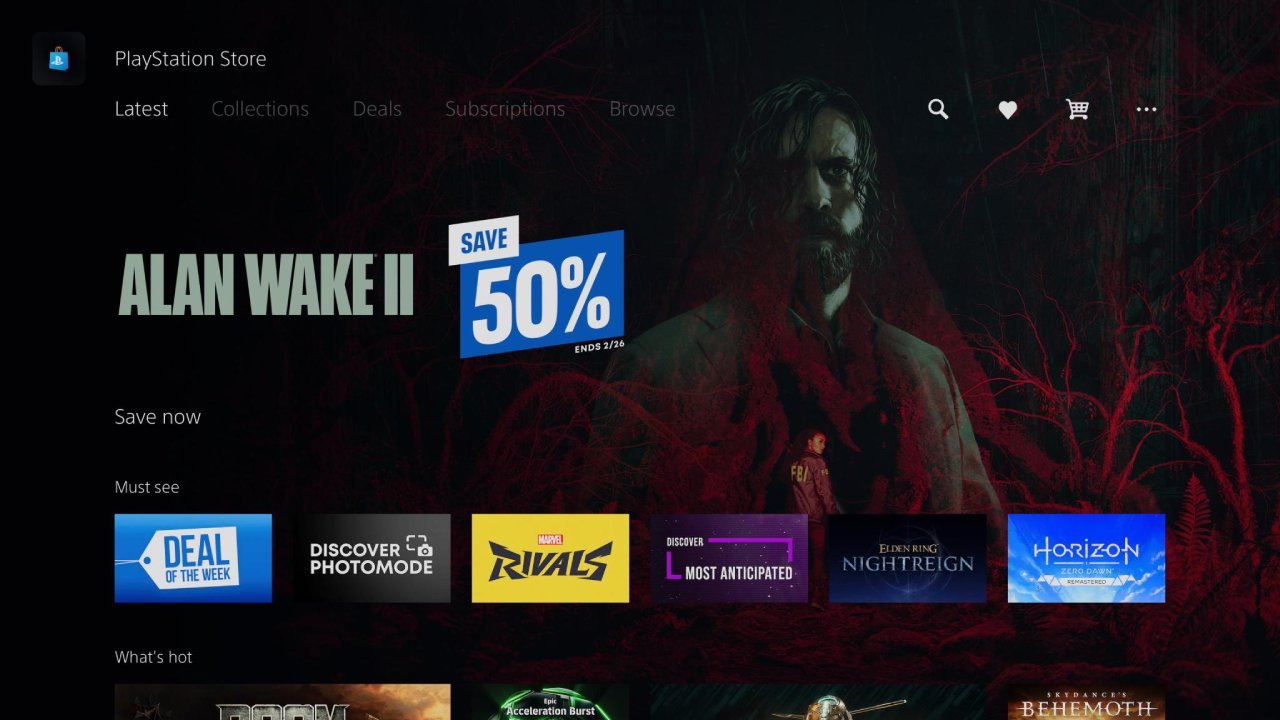
Sony's accounting methods record digital sales at the full price, even though the platform owner typically retains around 30% of the revenue generated from third-party games. Physical sales, on the other hand, are recorded at a lower value to account for the costs of distribution and retail. This makes the difference between forms look bigger than it really is because most of the money comes from digital formats.
Even with that caveat, it's clear where things are going: digital is now the norm. The main idea behind this change is convenience. Digital games are included with all PlayStation Plus plans. By preloading, you can be sure that new titles will be ready at midnight. In the background, Day-One fixes are being downloaded.
When a player starts a game, the disc that came in the box is no longer needed because the machine already has the whole game installed on its SSD. What used to be as simple as putting in a disc and playing it is now akin to digital ownership. This change is similar to how the PC market adopted Steam twenty years ago.
Boxes used to be all over store shelves, but now they're only found in collector's versions and specialty shops. The same reasoning is at work in the world of consoles. However, discs still have real benefits. In-person stores lower their prices more quickly and more deeply than online stores. Deals like "buy two, get one free" are still only available in print media.
Players on a budget can get more use out of their game libraries by buying used games at stores like GameStop. Collectors enjoy having a visible library with rows of spines that show years of game history. A shelf of discs is still more memorable for many people than a computer menu.
There are rumors that Sony is working on a disc drive that can be taken off for its next hardware cycle, which could be the PlayStation 6. If it's true, it means the company wants to keep at least a symbolic link to real ownership. But symbols can't change the flow of things. Since almost all PlayStation 5 players already use digital versions, physical editions run the risk of becoming niche items rather than popular ones.
This brings up both chances and questions for the industry. Digital sales offer better customer service, higher profit rates, and lower shipping costs. However, they also increase power by taking away the competitive pricing that real stores used to offer. The chance of the market staying the same rises as people get used to paying more for less freedom.
.jpg)
When you can only access things through computers and licenses instead of discs, the value of ownership itself gets less clear. Physical media still has a nostalgic draw. Fans still buy up all the limited-edition collector's boxes, fancy packaging, and steelbook versions.
But these items don't seem like regular releases; instead, they seem more like high-end things for a specific group of people. The way things are going now, actual games may soon be like vinyl records: loved, but not very important. This change is happening at a time when the business is also experiencing quality issues.
High-profile games keep coming out before they are fully optimized, which means that players who start playing right away have to deal with patch cycles and speed problems. There is no safety net for actual discs in this kind of setting.
They no longer offer full games; they just have a license key that needs to be downloaded in gigabytes before it can be used. When it comes to real life, digital has already won. Symbolism is all that's left. A disc on a rack. A real-world warning that games used to be things as well as experiences.
These signs are going away, as shown by PlayStation's financials. No longer is the question whether physical media can live on, but what part it will play in a world where speed, convenience, and digital dominance rule the market.
Contributor, NoobFeed
Related News
No Data.