
NVIDIA RTX 50 Super Delay Explained: 3GB GDDR7 Chips Are Too Expensive
Higher density GDDR7 modules cost roughly three times as much as standard chips, adding hundreds of dollars per card.
Hardware by Naheyan Tahmin on Jul 18, 2026
This week, there were several changes to PC hardware prices and thermal reporting. There was the release of a new AM5 processor, a delay in Nvidia's next line of graphics cards, and new scrutiny of GPU temperature readings that users had not been able to see before.
NVIDIA's RTX 50 Super lineup appears to be built and ready, but a launch date has not been set. According to a report from Videocardz, at least one Nvidia board partner has received physical RTX 50 Super cards, indicating the hardware has moved past the specification and prototype stage. NVIDIA has reportedly told partners to hold the cards, and no new launch window has been given.
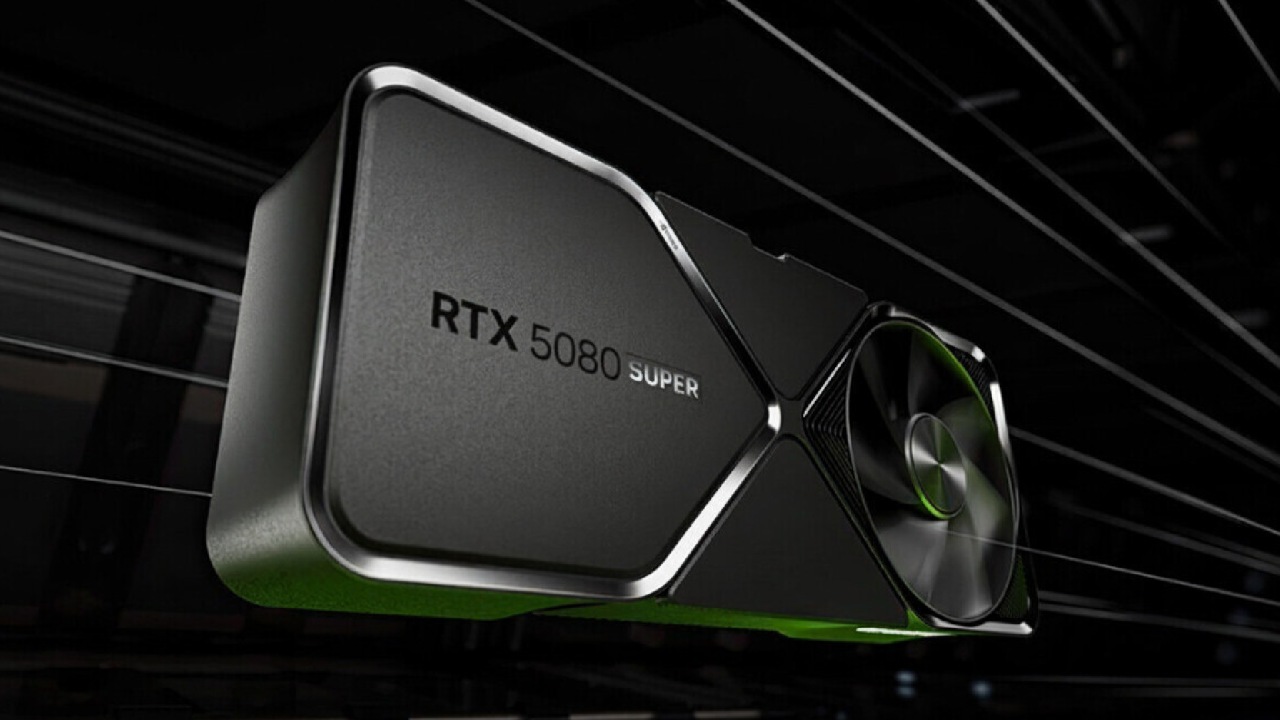
NVIDIA RTX 50 Super Delayed Over Memory Prices
The reason has to do with how much memory costs. RTX 50 Super series is likely to use 3GB GDDR7 memory chips with a better density. This will allow NVIDIA to increase VRAM capacity without changing the memory bus width or adding more chips to the board. This plan would raise the RTX 5070 Super from 12GB to 18GB.
RTX 5070 Ti Super and RTX 5080 Super would each rise from 16GB to 24GB. The problem is the price. A 3GB GDDR7 chip currently costs between $60 and $70, while a normal 2GB chip costs around $20. This means NVIDIA would have to pay three times as much for each chip that offers only 50% more space.
NVIDIA likely receives different volume pricing than the figures reported, so these numbers should not be treated as final manufacturing costs. Still, the direction is clear enough to explain the delay. The report also states that the previously rumored RTX 5050 with 9GB of memory is being held back for the same reason, since it would have used three of the new 3GB GDDR7 modules.
RTX 50 Series Hotspot Temperature Concerns
A recent case involving a Gigabyte RTX 5070 Ti showed why hotspot temperature readings matter. A repair specialist found that the card's standard GPU temperature looked normal at around 67°C, but Nvidia's internal diagnostic software showed the hottest section of the GPU reaching roughly 106°C.
Because NVIDIA currently restricts access to hotspot temperatures on the RTX 50 series in standard monitoring software, a user could keep using the card without knowing about a problem like this. After that case became public, developers began restoring the reading. HWMonitor added RTX 50 hotspot support first, followed by HWiNFO, and AIDA64 has since added support as well.
A new case has surfaced: a Colorful RTX 5080 showed a hotspot reading close to 100°C.
There is a known bug in an early version of HWMonitor that reports temperatures slightly higher than the actual values. The version used in this case is not confirmed, so this particular reading may fall within an acceptable range.
Still, the earlier case involving bad thermal paste and an uneven cooler showed that hotspot issues can be real, so checking your own card's hotspot temperature is worth doing. Colorful states that if a card remains at 95°C or higher for more than 10 minutes under heavy load, it is considered overheating. Colorful's first recommendation is to check for dust buildup and confirm proper airflow.
Editor, NoobFeed
Gaming Hardware Updates
No Data.