
Lenovo Legion Go S Price Hike: Z1 Extreme Now Costs $1,579
Lenovo raises Legion Go S pricing sharply across both the Z2 Go and Z1 Extreme SteamOS configurations in April.
Hardware by Shinji Okazaki on Jul 18, 2026
Handheld gaming PCs have become one of the more visible casualties of the ongoing memory shortage, with several devices seeing sharp price increases over the past few months. Lenovo Legion Go S is one of the clearest examples of that shift, and a price change from earlier this year has pushed it from a budget recommendation into a device that is difficult to justify at its current cost.
Legion Go S did not always have a strong reputation. When it first launched, we saw it as a poor value, but the SteamOS version changed that assessment once it arrived at a lower price with real gains in performance and battery life.
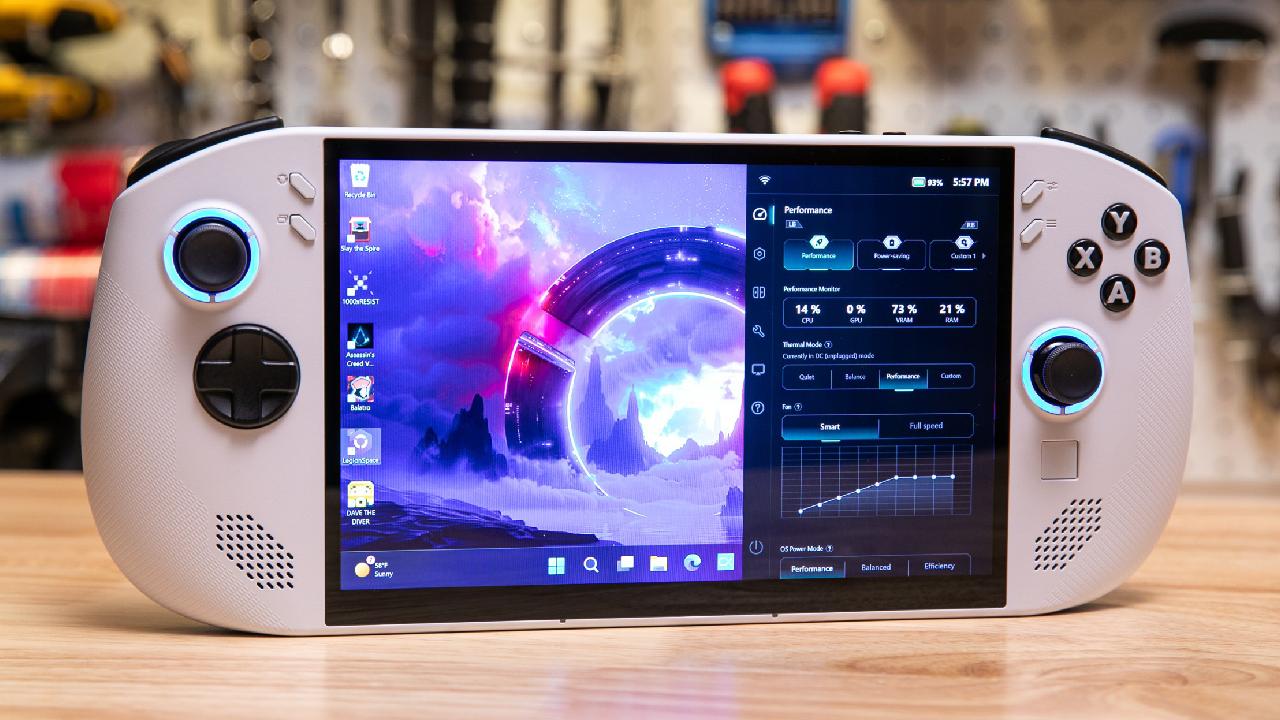
At that point, the Legion Go S became a reasonable alternative for anyone who could not get a Steam Deck, or who preferred its larger screen and different ergonomics. It served as a workable budget entry point into PC handhelds for a while.
That changed with a price increase in April, tied to the broader DRAM shortage driven by AI demand. Handheld gaming PCs have been affected by this shortage more than most categories, since they already operated on thin margins before memory costs climbed. Legion Go S became one of the more visible examples of that pressure.
How Much Did the Price Increase?
The base model, built around the Z2 Go chip with 16GB of memory, SteamOS, and 512GB of storage, went from $650 to $989, close to the $1,000 mark. That is the same price range the Steam Deck reaches at its most expensive configuration, except the Legion Go S price applies to its cheapest version rather than its top tier.
At that price, you are within range of an Xbox Ally X running a Z2 Extreme chip, which is available at retailers like Best Buy for around $1,000 and represents a stronger purchase than a Legion Go S with a Z2 Go chip at a similar price. The Z2 Go chip itself is not the issue, but a $1,000 price tag is not appropriate for what it offers.
The higher-end model, built around the Z1 Extreme chip with 32GB of memory and 1TB of storage in its SteamOS configuration, moved from roughly $899 to $1,579, close to $1,600. At that price, an older Legion Go or ROG Ally with the same Z1 Extreme chip can be found on the secondhand market for about a third of the price.
Paying nearly $1,600 for a Z1 Extreme handheld in 2026 no longer looks reasonable by comparison.
Even the Steam Deck compares favorably now, since its price gap with the Z2 Go version of the Legion Go S has narrowed to the point where the OLED Steam Deck, at roughly $800 to $900, costs only somewhat more while offering similar performance.
Before this price increase, the Legion Go S and the Steam Deck were essentially the only two budget options with enough performance to be worth considering.

There were other devices in that price range, such as the AYN Loki, which handled emulation and older PC games but was never built for modern titles, and the Ambernic Win 600, which sold for around $250 and offered limited performance at that price.
With both the Steam Deck and Legion Go S now priced higher, and new Panther Lake handhelds arriving at the high end, the market currently lacks a real budget option. Memory pricing plays a large role in that gap, since 16GB of DDR5 alone now costs around $300, and pushing a handheld's memory up to 32GB tends to put the whole device over $1,000.
That is a difficult price to justify for a handheld, even a high-end one. Devices like the AYANEO NEXT 2 or the OneXPlayer at least deliver top-tier hardware for their price, while a $1,600 Legion Go S does not offer the same value at that cost.
Editor, NoobFeed
Gaming Hardware Updates
No Data.