
PlayStation Portal 2026 Sees Major Updates and Cloud Streaming—Here’s Why It’s Worth £220
What once struggled at launch is now shaping up to be a genuinely worthwhile handheld for everyday play.
News by Mahi Araf on Apr 07, 2026
If you look at the PlayStation Portal in 2026, you’re looking at a very different device compared to what first showed up at launch. Back then, it felt limited, overpriced for what it did, and frustrating to use in real-world situations. Now, after a series of updates and a shift in how it actually functions, it has turned into something that feels far more complete and, more importantly, far more useful in your day-to-day gaming routine.
Part of the renewed attention around the Portal comes from the broader pricing situation across PlayStation hardware. With price hikes affecting multiple products, it naturally makes you reconsider where your money goes and what actually gives you value. The Portal launched at £199.99 in the UK and has since crept up to £219.99. Even with that increase, it hasn’t jumped as aggressively as other hardware, and if you look around carefully, you can still find it for around £200, which keeps it close to its original positioning.
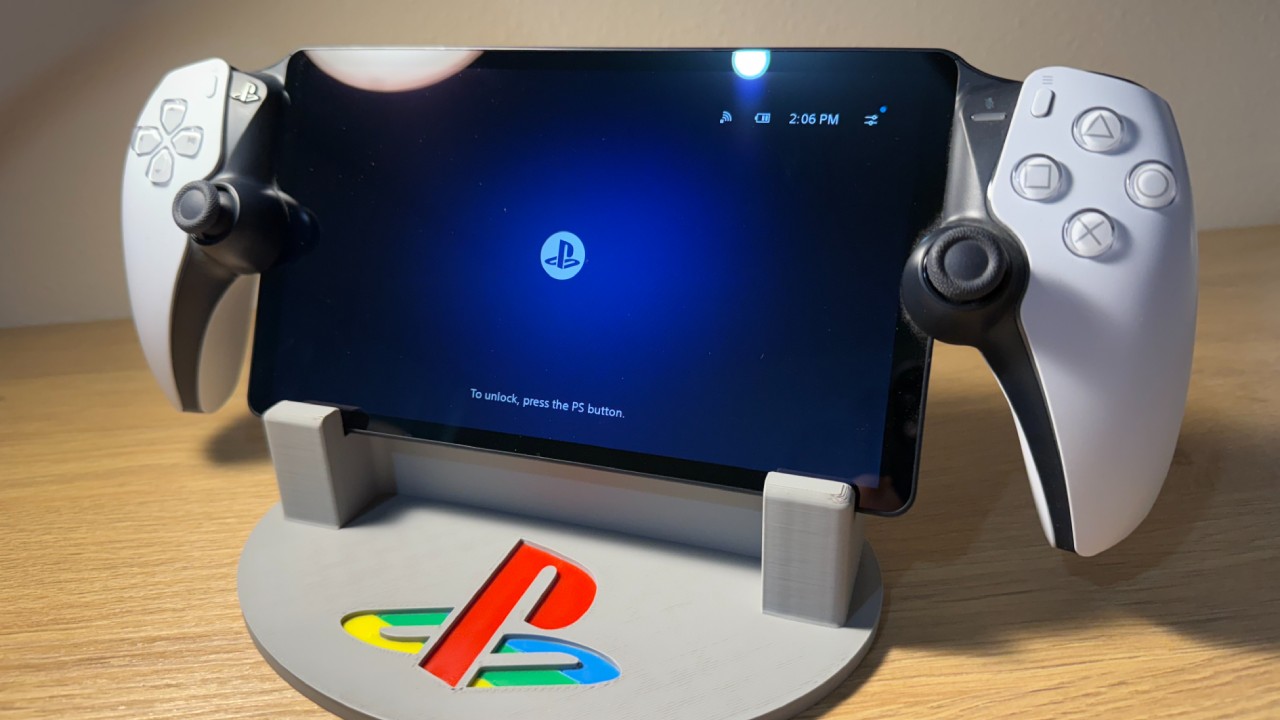
You need to know what the Portal is in order to understand why it seems more important now. It's basically a remote play device that lets you stream your PlayStation 5 games over Wi-Fi. That hasn't changed. That experience has become more flexible, though. At first, you were very connected to your console, so your experience depended a lot on how your home was set up and how close you were to your PS5. That restriction was one of the main reasons why people had trouble recommending it at first.
Now, the Portal has evolved into something closer to a hybrid between remote play and cloud gaming.
With a PlayStation Plus Premium subscription, you’re no longer locked into needing your PS5 powered on and connected. Instead, you can stream games directly from the cloud, which opens up access to a much larger library and removes one of the biggest pain points from the original experience.
The hardware itself is still in good shape. You get an 8-inch LCD screen that runs at 1080p and 60 frames per second. It's still one of the most comfortable handheld devices to use among those available in the market. The DualSense features, like haptic feedback and adaptive triggers, work well together, so you still get that familiar PlayStation feel in your hands. The quality of the build hasn't changed, but it didn't need to. It already felt high-end, and now that the software has caught up, that consistency works in its favor.
What really shifted things was the update that rolled out toward the end of 2025.
That’s the point where the Portal started to feel like it had a clear purpose. With cloud streaming available to Premium members, you suddenly had access to hundreds of games without relying on your own console. That includes not just modern PlayStation 5 titles but also older games from the classics catalog. You can jump into something like Resident Evil 2 or Ridge Racer and play them directly on the device, and they actually hold up well visually on that screen.
The Portal also does better than expected in terms of audio. The built-in speakers make a strong, full sound that doesn't make you want to use headphones right away. It has a sense of spatial presence that makes handheld play feel less limited, even without extra accessories.
Of course, you have to pay for a PlayStation Plus Premium subscription to get to all of this. It costs about £120 a year. It seems more doable when you break it down into monthly payments, especially since you have access to such a large library. If you already have a lower-tier subscription, all you have to do to upgrade is pay the difference. This makes the switch easier.
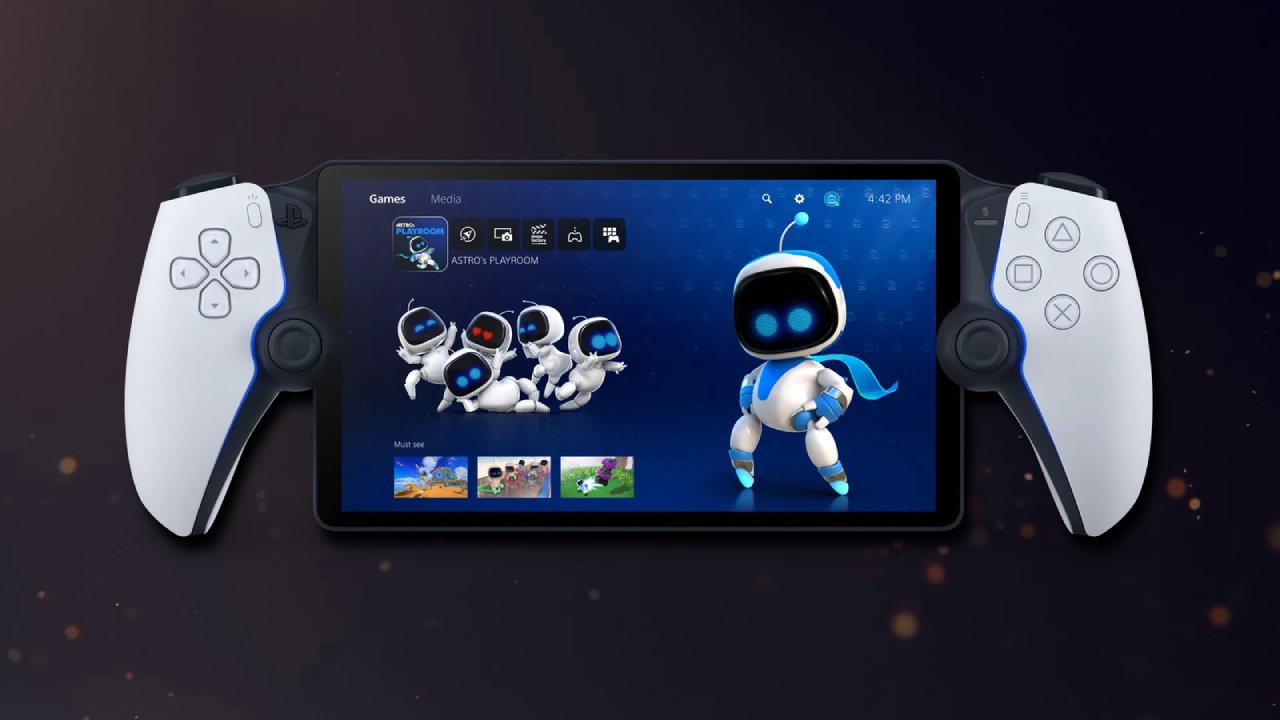
The value starts to make more sense when you consider how you actually use the device.
The Portal has found a niche among people who don’t always have the time or space to sit in front of a TV. If your schedule is packed or you share a living space, being able to pick up a handheld and continue playing without needing the main screen changes how often you can actually engage with games. It fits into smaller moments rather than demanding a dedicated session.
Connectivity problems made it hard to be flexible before. You had to stay close enough to your console for it to work, and moving to another room could easily ruin the experience. That made longer sessions annoying, especially if you were trying to play something more complicated. Now that cloud streaming is available and the device is more stable, that barrier is mostly gone, and it finally feels like it works all the time.
The most recent update, which came out in 2026, builds on that. One of the best new features is a new 1080p high-quality mode that increases the bit rate while streaming. That means that both cloud streaming and remote play will look better and work better. It's not a complete change, but it is a clear improvement that makes the experience feel more polished.
There are also smaller quality-of-life changes that round things out.
The interface has been refined, making it easier to browse and select games. Notifications for game invites now appear clearly while you’re playing, so you don’t miss out when someone wants to jump into a session with you. Trophy notifications have also been upgraded, showing more detail and adding a bit more presence when you unlock something, including special animations for platinum trophies.
The on-screen keyboard is easier to use, and the layout is cleaner, which makes it easier to find games. A QR code system has made onboarding easier, so you can quickly set up your account without having to go through a long process. By themselves, none of these changes are very big, but together they make the system feel more complete and easier to use.
When you look at everything together, the Portal now seems like the version that should have come out in the first place. Cloud streaming and other features would have made a big difference at first, and the lack of these features is a big reason why the device had trouble getting popular at first. But the change has been clear, and more people are starting to see how useful it is.
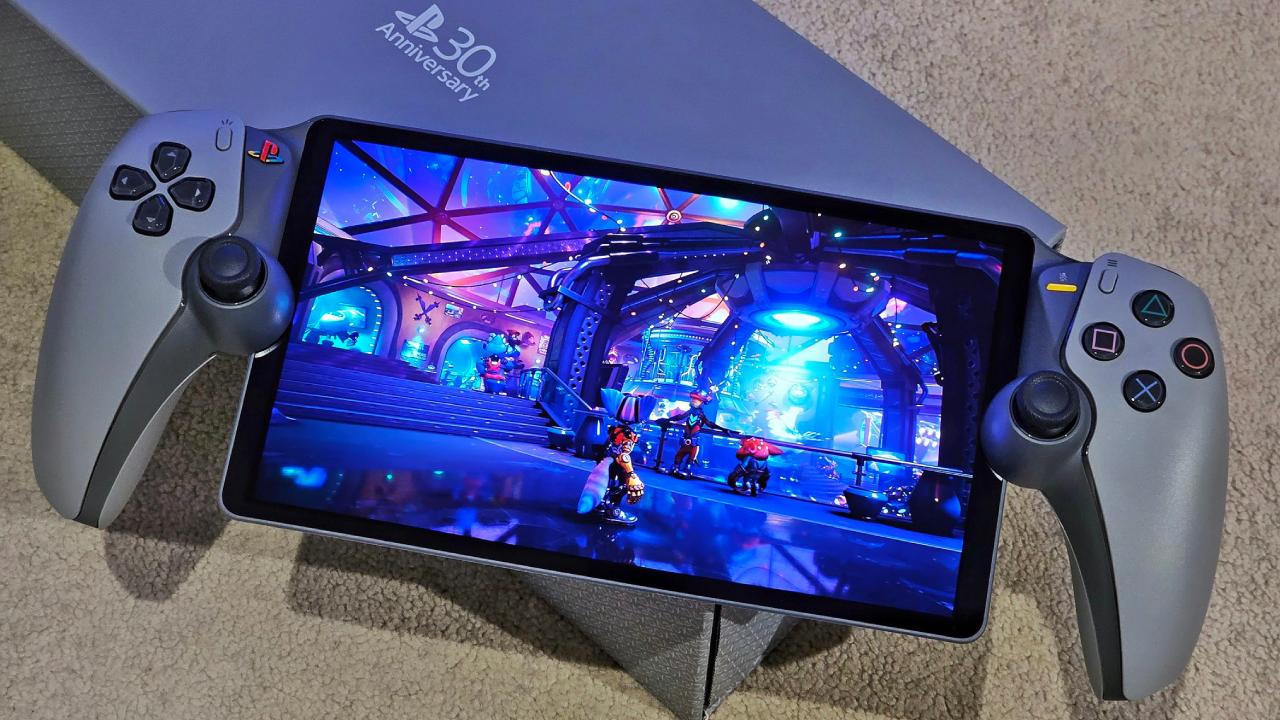
It costs about £220, but you can get it for less if you look for the right deal. It fits in well with what you already have, so it's not a replacement. It doesn't want to be better than your main console. Instead, it adds to it, giving you a new way to play your games without having to change everything.
If you’re not looking to upgrade to something like a more powerful console and just want a different way to experience your library, the Portal now makes a strong case for itself.
With the improved streaming quality, expanded access through Premium, and a more refined overall experience, it finally feels like a device that earns its place. In 2026, the PlayStation Portal is no longer defined by its rough start. It’s defined by how much better it has become and how easily it fits into the way you already play.
Senior Editor, NoobFeed
Related News
No Data.