
Single-Player Surges as a Surprising Shift in Gaming Preferences
New research suggests that single-player games are becoming more popular around the world, which brings up new questions about the priorities of the gaming business and what players expect.
News by Nusrat Choity on Nov 27, 2025
A surprising new split of global gaming habits has shown a change that many people might not have seen coming in a world where multiplayer games are all the news. According to the sources, a new study from Ampere Analysis has found that people's preferences for single-player and multiplayer games are pretty evenly split, but there is a clear lean toward solo games.
The results are very different from what people usually talk about when they talk about video games. Multiplayer giants usually get all the attention with their constant updates, yearly events, and competitive scenes. When given the chance, the data shows that most players still prefer story-driven or stand-alone adventures, even with that spotlight.
.jpg)
66% of players around the world prefer single-player games, while 44% prefer social games. This goes against the idea that online games like Fortnite, big shooters, and the growing number of live-service games completely control the market. There are a lot of conversations about these games on social media and the news, but the numbers don't support that.
The most surprising thing about the results is how stable the split is across age groups. As expected, younger audiences lean slightly toward multiplayer, with 51% supporting single-player and 49% backing multiplayer. Older viewers are more likely to play alone, but the overall picture is surprisingly balanced. There were also differences between countries.
The sources say that players in the US really like single-player experiences; among guys, this number can reach as high as 65%.
Reports say that players in China prefer online games more than single-player games. These trends are in line with what people expect from each culture, but they also show that people around the world play a lot more different games and in more even ways than the noise of online conversation might suggest.
A part of the study also looks at why single-player games are still so popular. In the past few years, some really great solo journeys have done really well, getting praise and awards. Strong story direction and well-polished gameplay have been shown to keep people interested in games like Expedition 33, even when there is a lot of competition in the multiplayer mode.
But there have also been releases with technical issues, especially in well-known single-player games that use systems that are heavy on graphics. Sources say that problems with speed, lighting, and rushed release cycles made some players not want to buy certain games when they came out, so they waited for patches or sales instead. Still, good stories and well-made worlds will keep players interested in solo games once the quality is stable.
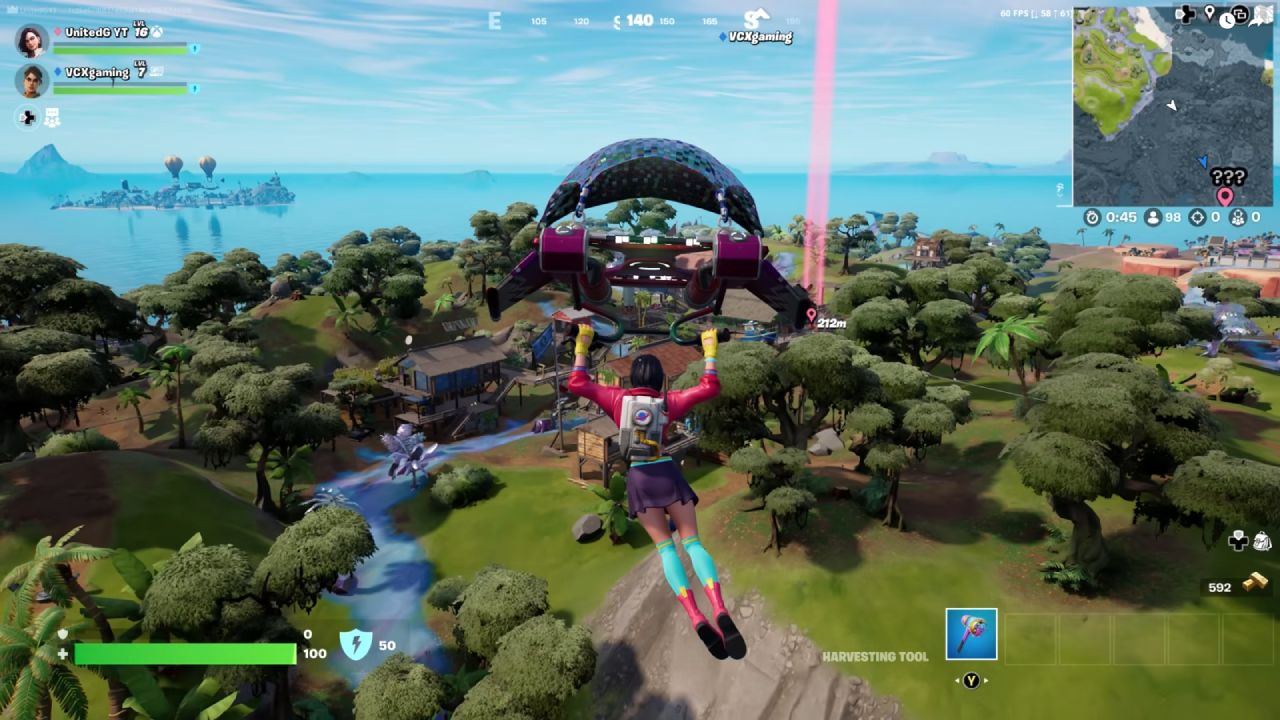
Multiplayer games, on the other hand, have their own problems. People are interested in big competitive games, but technical problems, lack of content, and split-up player groups are still problems. A number of big releases have failed to live up to promises, which supports the study's conclusion that multiplayer dominance is not absolute.
The data shows that both types of games are under pressure to get better, but single-player games have more appeal across generations and areas because they are more stable, can be played again and again, and have strong stories.
It's clear what coders should do. There is still a strong desire for full, high-quality experiences, and the global audience is more evenly split than current trends in the industry might suggest. The study shows a good middle ground: putting more effort into making releases that are well-done instead of rushing projects to market. Technical quality still affects how people see and buy both types of games, and players seem ready to reward studios that take the time to make their work better.
As the conversation goes on, this change brings up a bigger question for the industry: if single-player games are quietly ahead in popularity around the world, even though multiplayer games are getting all the attention, how will studios change their plans in the coming years, and what kind of experience will really define the next generation of gaming?
Contributor, NoobFeed
Related News
No Data.