
Nintendo Doubles Down on Exclusivity as Switch 2 Becomes the New Gold Standard
Nintendo is building a fortress around the Switch 2, with record-breaking sales and the purchase of studios. At the same time, Capcom and other major Japanese companies are quietly shifting their focus away from PlayStation.
News by Nusrat Choity on Nov 06, 2025
Nintendo appears to have identified its next big idea, and it centers on the Nintendo Switch 2. Sources indicate that Nintendo's most recent investor conference reinforced what many people already suspected: the company is committing fully to exclusives for its upcoming platform. There are no plans for multi-platform expansions, no PC releases, and no evidence that the hybrid experience will abandon its handheld roots. In short, Nintendo's goal is quite clear: establish, innovate, and thrive in its own ecosystem.
The company has dubbed the Switch 2 its "new standard," indicating that software development will be significantly different from that of the original Switch. This platform will be the center of everything for the next generation of Nintendo games, encompassing designs, upgrades, and exclusive IPs.
.jpg)
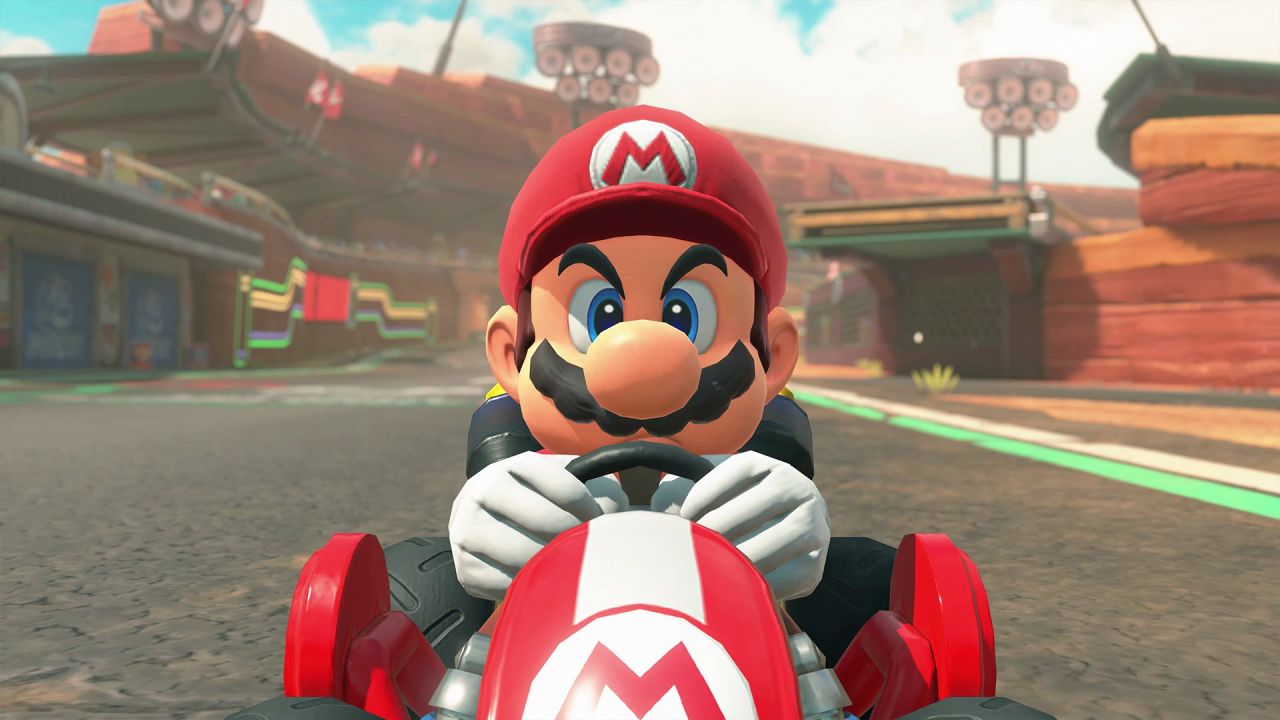
Donkey Kong Bananza and Mario Kart World were two of the first games to come out. They were both transitional titles that connected the two systems. Nintendo has made it obvious that from now on, it's all about the Switch 2.
This new console bears a resemblance to the old one, but it has been completely redesigned and rebuilt from the ground up. Players may now see and talk to each other through their cameras in a new game chat system. This is the first time this has happened in the series.
Additionally, games now feature elements that weren't available on prior hardware. Nintendo even used Mario Kart World's huge single-linked map and Donkey Kong Bananza's totally destructible surroundings as examples of this unprecedented technological freedom. Their message is clear: even though the technology looks the same, the experience is completely different.
And the outcomes speak for themselves. In just four months, the Nintendo Switch 2 sold 10.36 million units, making it the fastest-selling system ever. The company's strategy of making its games exclusive is still working, as shown by the excellent attach rates. For example, Mario Kart World has a 92% attach rate.
Nintendo knows a lot about its customers, namely that people buy Nintendo consoles to play Nintendo games.
Nintendo is still going its own way, even as more and more companies release games on multiple platforms and stream them from the cloud.
But what does Nintendo plan to do to maintain the momentum? The answer is to grow its entertainment empire outside video games. Their new "Nintendo Entertainment Experience" plan comprises five components: games, movies, mobile apps, merchandise, and real-life experiences.
The Super Mario Bros. Movie performed well in theaters, and the next Legend of Zelda movie will demonstrate that Nintendo's characters can just as well succeed in theaters as they do on consoles. When you factor in merchandise, mobile tie-ins, and Nintendo World theme park rides, you can begin to see the company's vision: a completely integrated ecosystem centered around its most famous brands.
Nintendo is investing in more than just innovation; it's also investing in muscle. To support the Switch 2's ambitious agenda, Nintendo is growing its internal studios and hiring new partners. The sources say that the company's three main investment aims are to improve game development, make entertainment that isn't related to games, and use the Nintendo Account system to build better ties with customers.
.jpg)
Nintendo's recent acquisitions of Next Level Games (known for Luigi's Mansion) and Shiver Entertainment (which developed ports of Mortal Kombat 1) indicate that they are already working toward their first goal: securing solid development support.
The work Shiver did was very important. The studio is said to have helped Nintendo prevent another technical disaster, similar to the WWE 2K18 transfer on the original Switch. This type of strategic relationship makes it easier for third parties to contribute and ensures that the Switch 2 receives better games. Nintendo also hinted that further purchases could be on the way, potentially of smaller studios like PlatinumGames or experienced port teams that know how to work with Nintendo hardware.
It's not about how big it is; it's about how well it works together.
Nintendo's account system is also being strengthened, in addition to its ongoing development efforts. People used to think the Nintendo Account system was clumsy and old-fashioned when the Wii U and 3DS were around. Now, though, it links games, purchases, and services together better than ever. The business aims to continue to improve this digital ecosystem so that the Switch 2 experience is more cohesive and personal than that of any other console.
The plan is working, and not just for the company. Big companies in the field are paying attention. One of Japan's most famous publishers, Capcom, has been in the news for changing its attention from the Switch 2 to development and marketing.
According to reports that were translated from Japanese financial briefings, Capcom thinks that a lot of PlayStation 4 owners would transfer to Nintendo's new platform instead of upgrading to the PlayStation 5. Why? Portability, price, and the ability to play contemporary games that work well on the hardware.
People say that Capcom's next big game, Resident Evil Requiem, is being developed to take advantage of the Switch 2's new hardware. Nintendo's system can now handle high-end, current games without major compromises because it can run the company's RE Engine natively. That's a big improvement over the days when ports were drastically reduced.
But the change isn't only about technology; it's also about culture. Japan has always been fond of playing games on handheld devices, and Nintendo's hybrid approach is a wonderful fit for that way of life. Sales of the PlayStation 5 are still not doing well in Japan. The Switch 2 and even the original Switch, which is nearly eight years old, often sell more than the PlayStation 5. That tells you everything you need to know about the country's gaming tastes. For many people, the ease of portable gaming is more important than the raw graphical power.
Capcom's change of heart could be the first of many. People in the industry believe that other Japanese publishers, such as Square Enix, are following suit and adjusting their release plans to incorporate day-one launches on the Switch 2.
The system sells hundreds of thousands of units every week, and sometimes even more than 200,000 in Japan alone. Developers can't ignore the surging demand. Nintendo's hybrid is no longer just a side platform; it has become the core of the Japanese gaming world.
Nintendo's long-term aim for the worldwide market is apparent. The corporation ensures its characters and settings remain at the center of popular culture by making them exclusive and creating a self-sustaining ecosystem that includes games, movies, and products. It's a paradigm that both Xbox and PlayStation want to copy. Still, instead of following trends, it focuses on making experiences that are uniquely Nintendo.
Some people might call the exclusivity strategy "old-fashioned," but it remains an effective approach. Nintendo doesn't need to enter into the armaments race or the cloud wars to win. All it needs to do is keep making amazing worlds that you can carry with you.
The Switch 2 shows that the future of gaming isn't all about specs or streaming. It's also about accessibility, innovation, and charm. It looks like the future is already here, and Capcom and others are getting on board.
However, Nintendo is becoming stricter about exclusivity, and third-party partners are already lined up for the Switch 2. The issue is, can anyone else catch up to the gaming giant's hybrid magic?
Contributor, NoobFeed
Related News
No Data.