

XBOX Project Helix Hit by Cost Surge, Pricing & Supply Issues
Project Helix is running into a price problem nobody can solve right now.
News by Adsey on Jun 22, 2026
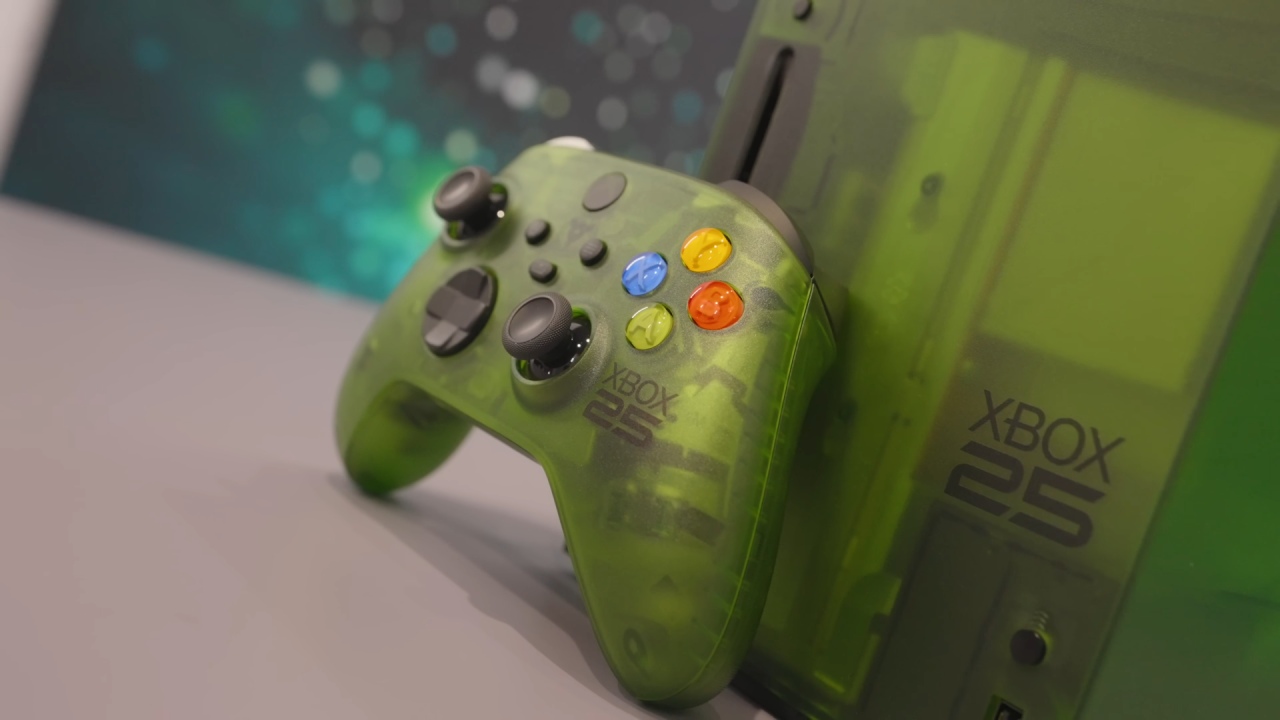
You've probably heard the chatter lately about Xbox, between the layoffs, the studio closures, and the constant questions about where the brand goes from here. Unlike Sony, where almost nothing is known about a PlayStation 6, there's actually been talk surfacing about Microsoft's next machine, known as Project Helix. The problem is, what's leaking out about Project Helix isn't exactly encouraging.
A clip from streamer Luke Stephens's broadcast has been making rounds, where he was asked directly whether Take Two Interactive could pressure console makers into dropping prices or ramping up production ahead of GTA 6 launching. His answer was a flat no. As he put it, there isn't really anything console makers could even do about it.

A sudden request for a supply spike can't be made simply like that; in case the hardware supply chain becomes constrained, the hands of the manufacturers will be tied.
He pointed to comments from XBOX CEO Asha Sharma, who has talked about manufacturing costs essentially doubling, then doubling again, as Microsoft plans toward a 2027 holiday release window for Project Helix. According to her, the company is bracing for prices that could end up five times higher than what they were paying just two years earlier.
That's an enormous jump in hardware costs in a short span, and it's a big reason Stephens said he doesn't see a 2027 launch as realistic for Project Helix. Part of the issue comes down to scale. Massive companies like Apple can absorb rising component costs because they order hardware in huge volumes, which brings shipping costs down and unlocks bulk discounts.
It's the same logic that lets large clothing retailers sell cheaper clothes than smaller brands, simply because they're buying so much more at once. Microsoft doesn't have that luxury with XBOX right now. Since XBOX isn't moving anywhere near fifty million units, the company can't place orders at that scale.
Instead, they're stuck ordering smaller batches, maybe a couple million units, which ends up costing way more per unit than bulk manufacturing would. Multiply that across every component going into Project Helix, and the math gets ugly fast, especially this late into the console generation when nobody wants a giant unsold stockpile sitting around.
Stephens doesn't expect Project Helix to come out swinging with ten million units sold immediately either.
He doesn't think XBOX currently has the trust with players to pull that off, even if technically Microsoft could manufacture that many units, betting on long-term sales. Either way, it puts the company in a brutal spot. To avoid losing money on every single console sold, Project Helix could need a price tag somewhere around eight hundred, nine hundred, or even a thousand dollars, and at that price, interest would likely tank.
That then forces production numbers down even further, creating a snowball effect with no clean way out. There's been talk from fans that console makers should simply eat the cost, the same way they've subsidized hardware before. Subsidizing isn't new in this industry.

For years, companies like Microsoft and Sony have sold consoles at a loss because once someone owns your hardware, they're locked into your ecosystem buying games and microtransactions for years afterward, eventually making up the difference.
This doesn't really apply to PC gaming since computers serve countless other purposes outside gaming. Asha Sharma has acknowledged that Microsoft has already poured upwards of twenty billion dollars into content platforms and hardware subsidies over recent years. So even with that kind of spending already happening, there's no easy fix left on the table for Project Helix.
This is just another example of why Sony finds itself in a much better position simply because PlayStation is sold in such large quantities.
They can afford to buy ten, fifteen, maybe even twenty million consoles per order and have economies of scale. We are going to have to watch how PlayStation console sales react when GTA 6 launches since PlayStation continues to have a huge player base of Call of Duty despite the acquisition of the series by Microsoft.
Right now, Sony is holding all the cards against the Xbox due to its strong ecosystem and margins that allow for increased pricing without impacting consumers. According to him, the real fix might just be waiting it out. He suggested that sometime around late 2028, new manufacturing hubs and chip fabrication plants should be operational, which could ease the component shortage driving prices up.
That timeline lines up with why he doesn't buy a 2027 release for Project Helix. He also pointed out that 2027 makes strategic sense for Microsoft specifically because Sony likely won't have a PlayStation 6 ready by then either, giving Project Helix a rare shot at hitting shelves without direct next-gen competition.
Going back to last October, Asha Sharma described the vision for the next XBOX as a premium, high-end experience built for enthusiasts, not a budget-friendly machine. That phrasing alone hinted Project Helix was never meant to compete on price.
He broke this down into basically two paths.
Either you release a console around a thousand dollars that's only a modest upgrade over the XBOX Series X, or you build something at $1,800 that's leaps ahead of anything else, accepting it'll be a harder sell but at least justified by the leap in performance.
Back in 2024 or early 2025, Project Helix was reportedly tracking toward roughly a thousand to twelve hundred dollars as a high-end machine. Then, as Stephens described it, the AI bubble hit, and Microsoft's own internal costs related to AI investment started bleeding into everything else, including console hardware budgets.
If pricing across the board has genuinely jumped five times since then, a console once planned at a thousand dollars could realistically land somewhere in the thousands once Project Helix actually ships, assuming nothing else changes.
He ran through a hypothetical where a console initially priced at a thousand dollars balloons to five thousand under that kind of inflation, gets subsidized down to two thousand, and Microsoft still eats a three thousand dollar loss per unit sold. That's simply not sustainable at scale, which is why he believes XBOX is actively scrambling for alternatives behind the scenes.
That said, he does think there's a real market for an ultra-premium console experience.
Something plug-and-play with zero driver issues, built purely for living room gaming at the highest possible fidelity. He compared it to the idea of a PS5 Ultra capable of effortless 4K path-traced visuals, suggesting hardcore fans would realistically pay somewhere around $1,200 to $1,500 for something like that. Anything climbing toward $3,500 or higher, though, and he thinks buyers would rather just build a gaming PC instead.
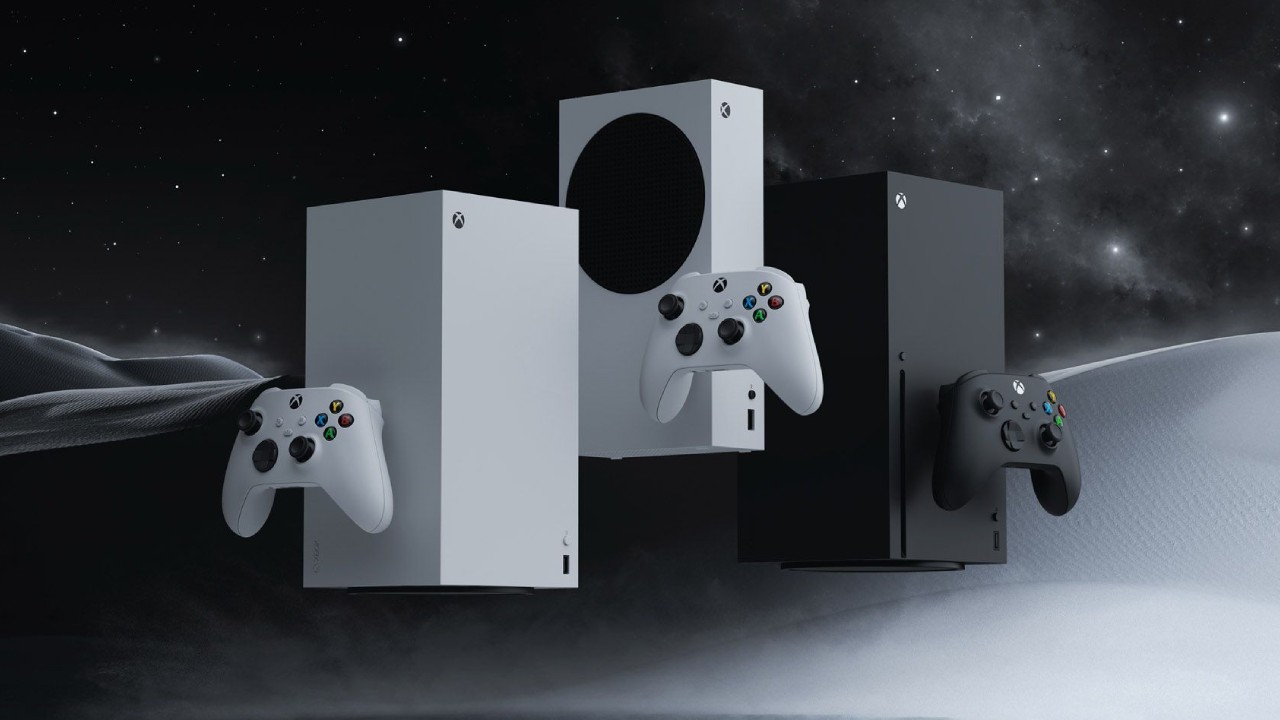
Microsoft originally envisioned Project Helix as a way to separate XBOX from being seen as the cheaper alternative to PlayStation, and to make it the go-to platform for showcasing games because the hardware simply performs best. It was meant to flip the narrative entirely. The problem is, nobody anticipated Microsoft's broader corporate spending spree on AI infrastructure driving up costs across every division, including the one building Project Helix.
It became clear in Asha's earlier interview with Bloomberg that Microsoft doesn't have an obvious solution lined up. He acknowledged Sharma is likely far more informed on the situation than he is, but from where he's standing, the moves don't add up. XBOX is cutting studios while claiming they need games released faster, despite losing teams that were actually capable of delivering games on a consistent yearly schedule.
Outside of Call of Duty, there's no flagship studio currently pumping out new releases regularly. At the same time, Project Helix is reportedly facing a fivefold cost increase that fans simply won't be willing to absorb. As the streamer puts it, he genuinely doesn't have an answer for what XBOX does next, only that the company is clearly caught in a difficult spot with no simple way forward.
Editor, NoobFeed
Related News
No Data.