
Assassin's Creed Black Flag Resynced Review
PlayStation 5 Pro
A modern reimagining of one of Ubisoft's most beloved adventures expands Edward Kenway's journey with smoother gameplay and stunning visuals, even if a few old and new flaws keep it from becoming the definitive pirate experience.
Reviewed by Mahi Araf on Jul 09, 2026
When you look back at the history of the Assassin's Creed series, very few games have earned the kind of reputation that Assassin's Creed IV: Black Flag enjoys today. When it launched in 2013, it came at a time when the franchise was still experimenting with its identity.
Instead of focusing purely on the conflict between Assassins and Templars, Ubisoft shifted its attention toward piracy, naval warfare, and the personal story of Edward Kenway. It was a gamble at the time, but it paid off spectacularly. Over the years, Black Flag became more than just another Assassin's Creed game. For many players, it became one of the greatest pirate games ever made. That reputation naturally made any attempt to revisit Black Flag difficult.
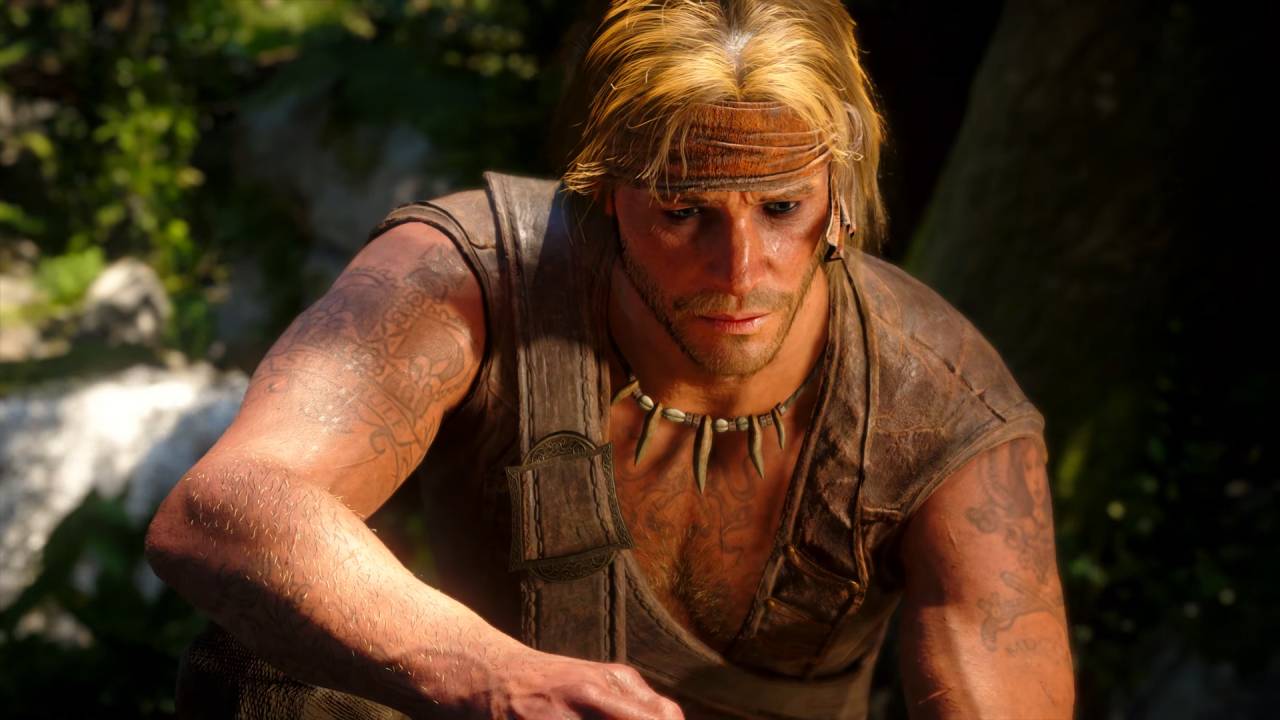
Remaking a game that already holds such a special place in players' memories means expectations are incredibly high.
Improving visuals alone would never be enough. Fans wanted smoother controls, expanded storytelling, modern gameplay systems, and meaningful reasons to revisit Edward Kenway's journey. At the same time, there was always the risk that changing too much would remove the qualities that made the original memorable in the first place.
Assassin's Creed Black Flag Resynced walks directly into that challenge. Rather than replacing everything that came before, Ubisoft treats the remake as an opportunity to refine what already worked while filling in some of the gaps left by the original release. Some mechanics have been modernized, several story moments have been expanded, and nearly every corner of the Caribbean has received visual attention.
The result is a game that constantly reminds you why Black Flag became so beloved while also offering enough new content to justify returning. You quickly notice that this isn't simply the original game running at a higher resolution.
The world feels denser, characters appear more expressive, and the environments are packed with details that simply weren't possible over a decade ago. Beaches are full of blowing sand, forests sway naturally in the wind, storms are more intimidating than ever, and sunlight bouncing across the ocean might make you stop sailing just to admire the scenery.
From the moment you step into the Caribbean, it's clear that Ubisoft wanted this remake to feel like a modern blockbuster without losing the atmosphere that defined the original adventure.
Perhaps the smartest decision Ubisoft makes is to understand that Black Flag never became a classic because of a single feature.
What made it all work was a combination of naval exploration, memorable characters, satisfying progression, and a surprisingly emotional story. Assassin's Creed Black Flag Resynced doesn't try to reinvent that formula. Instead, it carefully builds upon it, sometimes successfully and sometimes less so, but almost always with clear respect for the source material.
Edward Kenway remains one of the franchise's most interesting protagonists because he doesn't begin his journey as a hero. You're not stepping into the boots of someone already devoted to the Assassin Brotherhood.
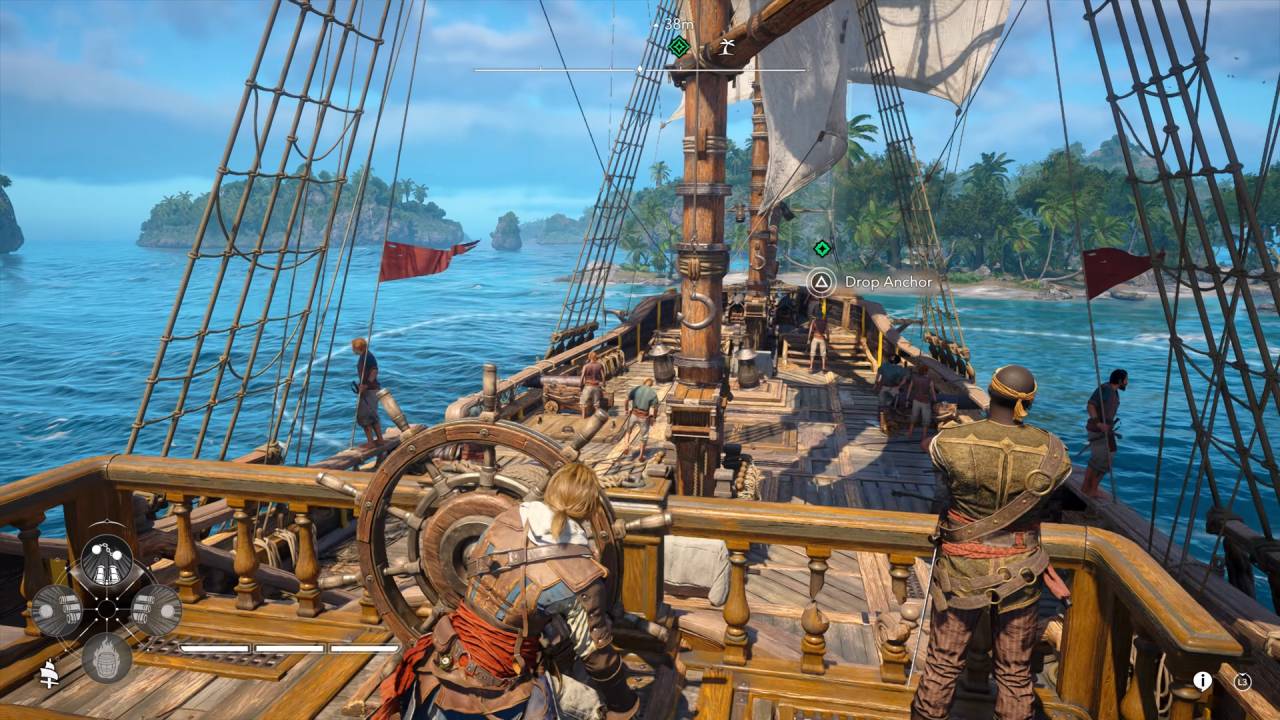
Instead, you guide an ambitious pirate in search of money, reputation, and personal freedom. Selfish in his aims, rash in his choice, and ever whirled into peril by his lust for money. This makes his eventual change of heart far more believable than in many traditional hero stories.
It's one area where Assassin's Creed Black Flag Resynced makes an obvious improvement in how it develops Edward's relationships. Instead of simply following the original story beats, the remake adds new scenes that explore key figures in his life more thoroughly.
These quiet moments don't change the story much, but they do add emotional weight, making a few later events feel more meaningful. You spend more time trying to understand what Edward leaves behind as he chases his dream, which makes his personal journey feel less like a sudden change and more like gradual growth.
A few supporting characters also benefit from this broader approach.
Familiar faces get extra dialogue, new interactions, and side missions that make them feel like active participants rather than just popping up for big story beats. Some characters' stories, which had rather abrupt endings, now find more fitting conclusions that better suit the significance they held throughout the adventure. They rarely break the pacing and help make the world feel more connected.
Not every new narrative decision slots in perfectly. Some of the new dialogue doesn't quite have the same chemistry as the original script, especially when introducing brand new characters. Sometimes conversations become too goal-oriented, rather than allowing personalities to shine through naturally.
Originally, Black Flag balanced serious moments with humor, banter, and the unpredictable energy of spending time with pirates. A lot of that charm is still there, though a few of the newer scenes don't have quite the same rhythm.
Perhaps the biggest departure from the original experience is the treatment of the modern-day story. Assassin's Creed Black Flag Resynced doesn't balance the two time periods equally; it is almost entirely about Edward's story. Depending on how you look at it, this will be a welcome simplification or a disappointing loss.
Fans of the pirate fantasy are likely to appreciate the game's uninterrupted flow, while diehard Assassin's Creed fans invested in the franchise's broader science-fiction tale may find the game's weaker link between past and present, provided by earlier entries, more compelling.
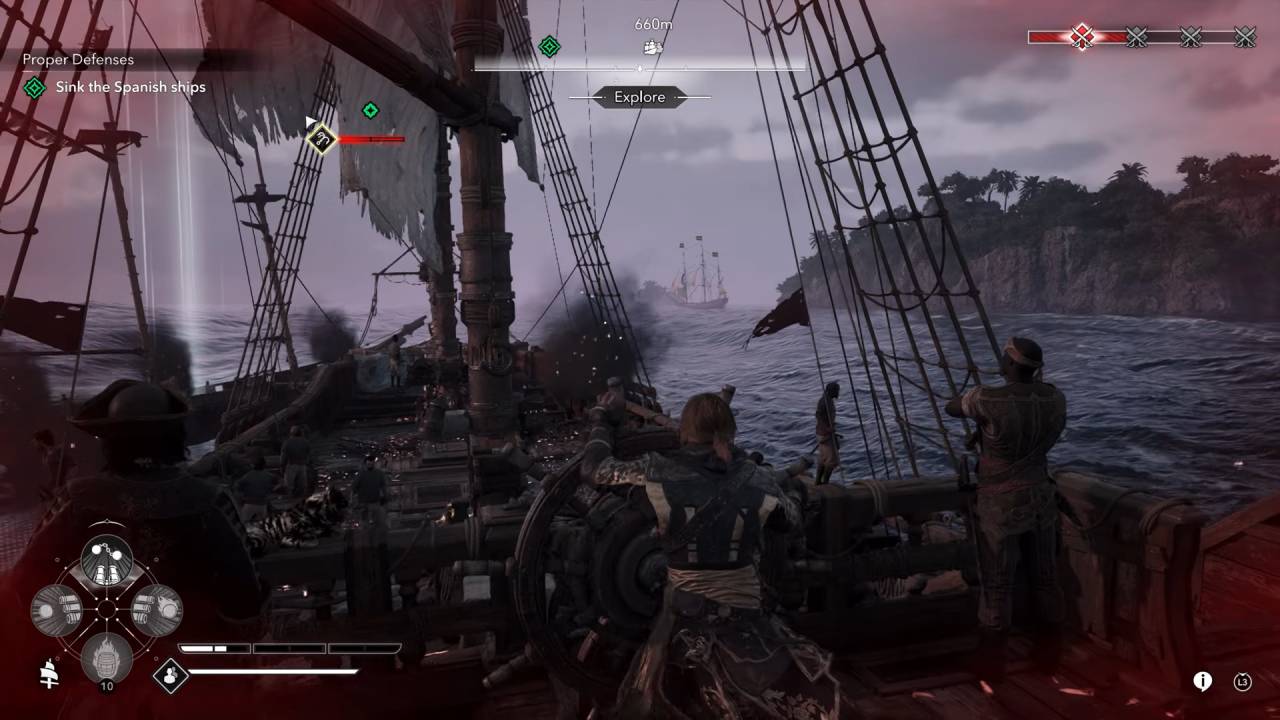
The core emotional journey remains intact, thankfully.
As time goes on, Edward comes to realize that infinite riches cannot replace meaningful relationships, and the story gradually shifts from a swashbuckling adventure to something unexpectedly reflective. Years later, the themes of ambition, regret, loyalty, and redemption still ring true.
And even if you've already taken the original Black Flag journey, many of these moments still hit hard due to beefier performances, improved presentation, and several well-placed additions that give familiar scenes new emotional weight.
One of the biggest things Assassin's Creed Black Flag Resynced gets right is how it naturally introduces new story content without constantly reminding you it's new. Extra missions often feel like events that could have been part of the original release, building on existing plotlines rather than taking players away from them. They don't replace iconic moments, but they do add some context and let the story breathe a bit more in between the big chapters.
Where the story actually works is in reminding you that Black Flag was never just about hidden blades or ancient conspiracies. At its heart, it's always been a story about a flawed man slowly coming to understand what matters. That central message remains just as effective today, and the remake's expanded storytelling only strengthens that foundation, even if not every new scene matches the quality of the original writing.
Stepping into the Caribbean once again, you immediately notice that Assassin's Creed Black Flag Resynced is less interested in changing the core gameplay loop and more focused on smoothing out nearly every rough edge the original had. The foundation remains familiar.
You spend your time sailing between islands, infiltrating forts, hunting treasure, tracking contracts, exploring hidden locations, upgrading your equipment, and slowly expanding Edward's reputation across the Caribbean.
What changes is how naturally all of these systems connect.
Moving from one activity to another feels far more seamless than before, making it easier to stay immersed for hours without constantly feeling interrupted. Traversal is one of the first places you see those improvements. Parkour feels much more responsive, with fewer awkward pauses between animations and smoother transitions when climbing buildings or navigating dense forests.
Edward still moves with the same confidence that made him fun to control in the original, but the modern animation system makes everything feel cleaner. Jumping across rooftops, swinging through trees, climbing cliffs, and boarding enemy ships all flow together naturally. It's still not the most technical parkour system in the series, but it strikes a nice balance between accessibility and style that works well with Black Flag's adventurous tone.
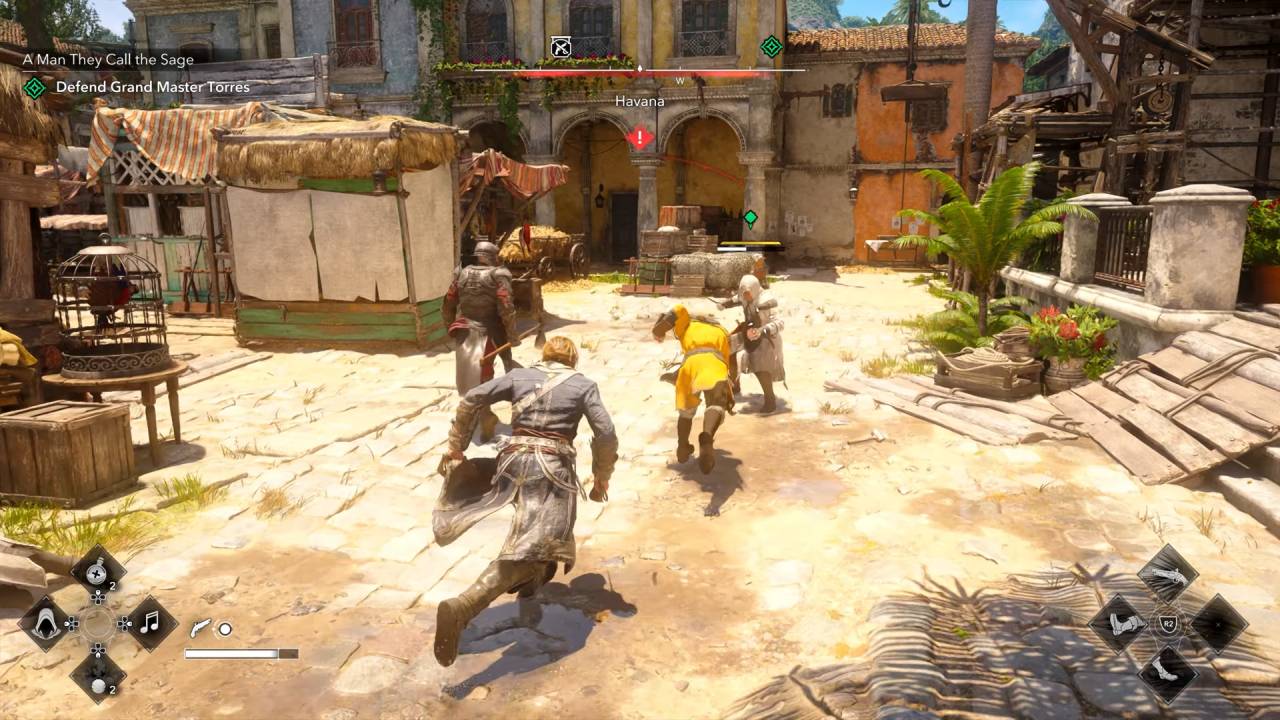
And the addition of a dedicated crouch button finally modernizes stealth without overcomplicating it. There's a lot more choice in how to tackle enemy camps and heavily guarded areas, rather than relying almost entirely on bushes or limited movement zones.
Darkness, weather and environmental cover now have a greater impact on staying hidden, encouraging you to think a bit more about positioning rather than just sprinting from one hiding spot to another.
These changes don't completely reinvent stealth, but they do make sneaking around feel a lot less restrictive than before.
There are also some quality-of-life improvements to the mission design. Some of the most frustrating objectives from the original release have either been adjusted or expanded to provide more flexibility. Instead of forcing you to restart after every minor mistake, the game often lets you recover naturally from failed stealth attempts by adapting your strategy.
That simple change dramatically improves pacing because you're spending more time solving problems and less time repeating lengthy sections from the beginning. Not every mission has been redesigned this way, but enough of them have that the overall experience feels much less punishing.
Progression remains one of the biggest reasons you'll keep exploring long after the main story begins. Black Flag Resynced prioritizes tangible upgrades that directly improve your skills over the endless grind for experience levels seen in recent Assassin's Creed RPGs.
Upgraded swords make you more effective in combat, stronger pistols give you more options in a fight, better outfits provide useful bonuses, and upgrading the Jackdaw opens up whole new possibilities at sea. Almost every action helps either Edward or his ship grow more powerful, providing a satisfying sense of progress throughout the adventure.
The real star of the progression system, however, is the Jackdaw. Each upgrade you purchase has an immediate effect on naval encounters, whether it be to increase armor, unlock more powerful cannons, improve mortar range, or add brand-new offensive capabilities. Early meetings, which once seemed scary, start to be handled as your ship grows to be one of the most dangerous in the Caribbean.
As you explore, complete contracts, hunt for treasure, and win naval battles, you earn upgrades in small increments, so you rarely feel like you're being forced or put in a rut.
Curiosity is still rewarded at just about every turn. Hidden caves, lost ruins, mysterious islands, shipwrecks, underwater ruins, deserted plantations, and remote beaches continue to lure you away from the main goal.
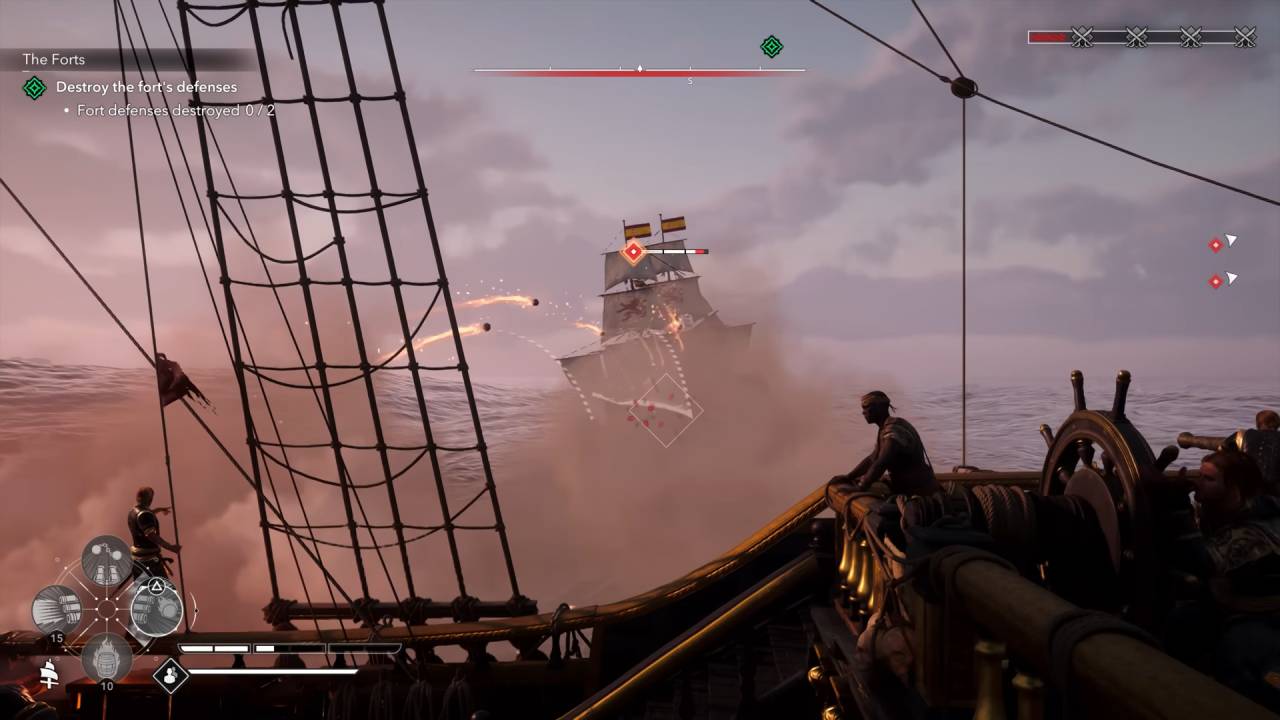
Many of the optional activities reward you with resources, unique equipment, or additional story content, which helps justify the time spent exploring rather than cluttering the world with pointless collectibles. Even after dozens of hours, it's still surprisingly easy to be distracted by something interesting just around the corner.
One of the most noticeably overhauled elements of Assassin's Creed Black Flag Resynced is the combat. The original was very much about waiting for the enemies to attack and then countering instantly, so big battles were fun to watch but not very deep.
This remake has a much more active beat. As the campaign progresses and tougher enemies start showing up, your ability to time your parries, deal with different enemy types, and utilize your growing collection of abilities becomes increasingly important.
Now, different enemies require approaches other than just taking more hits. Heavy soldiers demand patience; quick enemies punish reckless attacks; ranged enemies constantly threaten your positioning; and elite units make you better at utilizing Edward's tools rather than simply swinging the sword. The result is a combat that remains approachable while demanding slightly more attention than before.
New combat abilities further expand your options.
Heavy attacks, environmental interactions, kicks, rope dart takedowns, pistols, smoke bombs, sleep darts, berserk darts, and chain kills all combine to create encounters that feel far more dynamic than the original game.
Exploding barrels, tight corridors, raised platforms, and breakable objects always influence the flow of combat, forcing you to pay attention to your environment rather than obsess over enemy health bars.
That said, combat still suffers from long-term variety problems. Once you become comfortable with each enemy type, many encounters begin following familiar patterns. Powerful combinations remain effective throughout most of the adventure, meaning later battles rarely force you to rethink your strategy completely.
Difficulty increases through larger enemy groups rather than dramatically smarter opponents, leaving experienced players with relatively few surprises during the second half of the game. Stealth tells a similar story. The additional movement options are welcome, and crouching immediately makes infiltration more enjoyable, but enemy awareness occasionally behaves inconsistently.
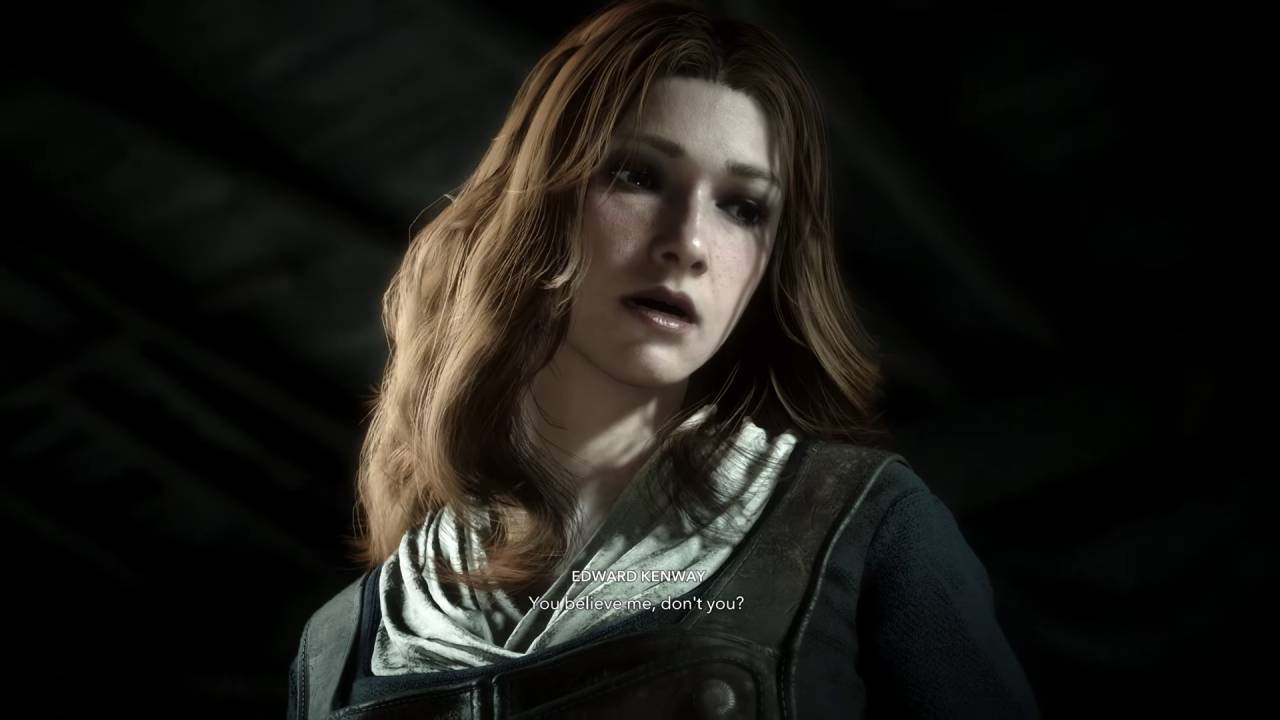
Sometimes guards react instantly to distant assassinations; other times, nearby enemies are oblivious to obvious commotion. These moments don't completely ruin the stealth system, but they can make success feel more like random detection than something that should have been planned.
Fortunately, exploration remains every bit as addictive as longtime fans remember.
Sailing across the Caribbean is still one of gaming's most satisfying forms of open-world travel. Calm waters can suddenly transform into violent storms, enemy ships constantly patrol trade routes, hidden islands invite investigation, and sea shanties continue to provide the perfect soundtrack as your crew sings during long voyages. Very few games capture the simple joy of setting your own destination quite like Assassin's Creed Black Flag Resynced.
Naval combat does not replace that foundation but complements it. All of the old favorites are back, including broadside cannons, swivel guns, mortars, chain shots, and boarding actions. Still, several new mechanics have been added to flesh out encounters without making them unnecessarily complex.
Special ammunition, extra defensive maneuvers, enhanced ramming attacks, and new officer skills all promote more tactical choices, especially in larger naval battles where positioning is more important.
Maybe the biggest improvement is how seamless sailing now feels. Loading screens have been greatly reduced when traveling between locations, helping the Caribbean feel like one big, connected world rather than separate zones stitched together. Just spotting a far-off island and changing your sails to head for it without interruption reinforces the sense of adventure that made the original game so memorable.
Visually, Assassin's Creed Black Flag Resynced easily justifies its existence.
Character models contain significantly more detail; facial expressions appear far more natural in emotional scenes; lighting dramatically improves across every environment; and weather effects completely transform the atmosphere during exploration. Tropical sunsets cast warm reflections across the ocean, violent storms reduce visibility while waves crash against your ship, and dense jungles feel alive with movement.
It constantly feels like you're exploring a version of Black Flag that finally matches how many players remember it. Environmental detail deserves particular praise. Towns feel busier, forests appear denser, beaches contain far more natural variation, and water technology reaches an impressive level throughout the adventure.
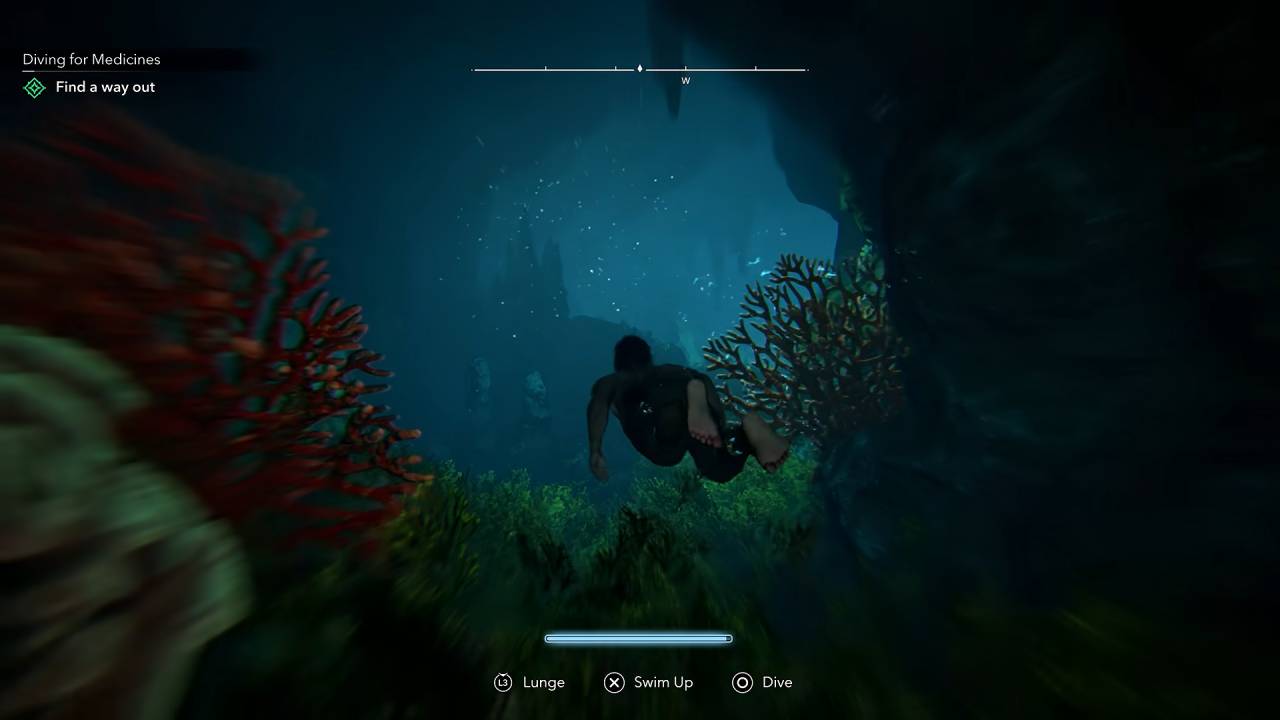
The Caribbean itself nearly becomes another character, rewarding you with amazing scenery whether you're climbing mountains, exploring forgotten ruins, or just gazing at the horizon as you sail to your next destination. The audio is still one of the best features of the game.
The orchestral score goes from quiet emotional scenes to huge naval battles, and the ambient sounds make every location feel real. Waves break against wooden hulls, wildlife fills dense forests, busy ports remain busy, and the sound of cannon fire booms across the sea with satisfying weight. The crew shanties are as memorable as ever. Very few games have managed to recreate the feeling of listening to your crew sing while you sail the open waters.
Sailing can often be fun even when you are just traveling between objectives, especially when coupled with better ambient sound and more potent environmental effects.
Performance is generally solid for most of the experience. Smoother frame rate makes combat and traversal feel more responsive, and faster loading greatly improves pacing. But, as with many ambitious open-world releases, technical issues still crop up now and then.
Sometimes, the enemy AI can act weirdly, animation bugs can get in the way of otherwise emotional scenes, and minor bugs can force you to restart certain encounters.
Most of the problems are temporary rather than game-breaking, but they serve as a reminder that even a polished remake isn't completely without flaws. Assassin's Creed Black Flag Resynced knows what made the original unforgettable, and it shows by the time the credits roll. It doesn't abandon the pirate fantasy in favor of modern trends, nor does it simply rely on nostalgia.
Instead, it carefully updates an already beloved adventure with smarter progression, expanded storytelling, improved traversal, deeper naval mechanics, and one of the most visually impressive versions of the Caribbean ever created in a video game. Not every change improves the experience.
The new stories don't add as much charm as the original writing; stealth AI is still hit-or-miss; combat settles into known patterns; and a few classical mechanics feel underdeveloped compared to modern action games. But even then, those flaws rarely detract from all that the remake does over its long campaign.
Assassin's Creed Black Flag Resynced costs $69.99 USD on current-gen platforms, the premium price you'd expect from a full remake.
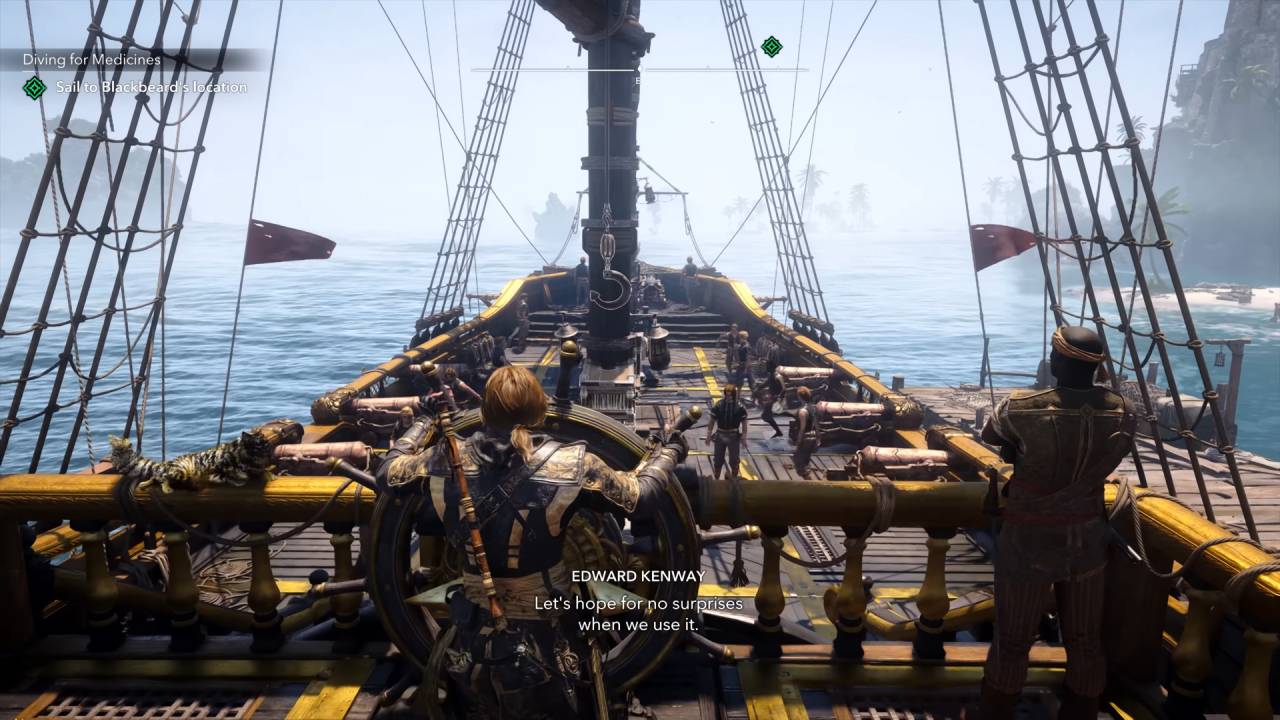
Considering the visual overhaul, expanded story content, meaningful gameplay refinements, and the sheer amount of optional exploration available, the package offers strong value if you're looking for a long single-player adventure. New players are getting one of Ubisoft's finest worlds with modern improvements, while returning fans have plenty of reasons to sail the Caribbean once again.
Ultimately, Assassin's Creed Black Flag Resynced may not completely replace the original for every longtime fan, but it doesn't need to. Instead, it's a respectful reimagining that updates one of Ubisoft's most beloved adventures without losing the heart that made it so memorable. If you've been waiting for an excuse to experience Edward Kenway's story again—or for the very first time—this voyage is still well worth taking.
Senior Editor, NoobFeed
Verdict
Assassin's Creed Black Flag Resynced succeeds in updating a classic to modern standards with polished gameplay and stunning visuals. Not every change is perfect, but it's still one of the strongest adventures of the series and an easy recommendation.
82
Related News
No Data.