
Bounty Star Review
PC
A deep dive into DINOGOD's genre-bending mech adventure.
Reviewed by Maisie Scott on Nov 03, 2025
Bunny Star was developed by the independent company Dino God and is published by Annapurna Interactive, a studio known for backing creative and unique games that blend genres. Dino God has a small but dedicated portfolio.
They often try to mix story-driven gameplay with complex mechanics, and Bounty Star is their most ambitious project to date. Unlike most mech games, which are all about fighting or action, Bounty Star does something different: it mixes heavy mech-based missions with light household tasks like cooking and gardening.
.jpg)
The developers made this unusual design choice to break up the fast-paced rhythm of mech battles and give players a chance to relax and build their character's life outside of battle. The bold idea makes Bounty Star stand out right away in the crowded world of independent games.
Bounty Star is not a sequel, but rather a spiritual follow-up to some of Dino God's earlier works. It takes on some of those works' mission-based structure while adding completely new gameplay features. The game has always been interesting because it combines two different types of games uniquely: it's supposed to be "Armored Core meets country life simulator," which sounds unusual at first but ends up being fun to play.
The story was a big part of how Bounty Star was made. It's not only about fighting mechs or doing jobs; it's also about Clementine, a lonely girl who can't stop thinking about the mistakes she made in the past.
Her quest for atonement becomes clear as she takes on more and more perilous bounties and steadily rebuilds her life on her Homestead. Dino God wanted players to feel the weight of her errors and her efforts to gain back control. This gives the story an emotional depth that isn't usually found in mech games.
Bounty Star came out at a time when a lot of independent games were trying new things with their stories and gameplay. Dino God took advantage of this trend by combining numerous known gameplay elements, including mech battles, resource management, and crafting.
The developers wanted to create a world that feels alive and responsive, not just a collection of separate tasks, so they combined all these elements into one cohesive experience. The idea is simple, but it makes you care: Clementine failed to protect the people she loved.
Players take on her role as she tries to make things right by completing bounty tasks and slowly regaining her sense of self-worth along the way. The story is sad but based on real people's feelings, and it adds weight to what could have been a list of fight scenes. Focusing on both the story and gameplay helps the game remain engaging, even when it becomes repetitive.
It's not just about flying mechs and shooting enemies in Bounty Star; it's also about finding life in the ruins of past mistakes.
.jpg)
Bounty Star is about a bounty hunter named Clementine who lives in a world that is both scary and strangely familiar. The story mixes the high stakes of bounty hunts between stars with the everyday routines of life at home. Early tasks allow players to get to know Clementine's world, and the carefully written dialogue helps reveal who she is and what she regrets.
Players quickly learn that missions aren't just about gathering supplies or killing. All of the events have meanings that connect to the main story. Some bounties reveal the world's politics, others Clementine's own past, and sometimes the game even explores moral dilemmas, forcing players to decide how far they're willing to go to achieve their goals, whether it's money or justice.
The homestead scenes provide a welcome respite from the fast-paced mech fights. It may seem like planting, gathering, and cooking are just filler scenes, but they're actually very important to the story because they show that Clementine has a life besides being a bounty hunter. This two-sided gameplay contributes to the story's theme of redemption and self-improvement.
In Bounty Star, the calm times are just as important as the battles; they both shape Clementine's journey.
Completing rewards, which have different goals and types of enemies, is what Bounty Star is all about. In the third-person perspective, players control Clementine's mech and navigate through both crowded and open areas. You can use different guns, dodges, and special skills in kinetic combat, so you can approach each bounty differently.
When you're not on a job, Bounty Star moves much more slowly. People return to Clementine's farm, where they plant crops, prepare meals, and make improvements to their machines. You don't have to do these things, but they are fun and give you tools or buffs that make missions easier. The game never gets boring because it alternates between intense battles and managing your home. However, some people may complain about the uneven pace.
There are also side tasks in Bounty Star, such as searching for materials or experimenting with different recipes. These features aren't very heavy, but they make the world more interesting and give players a sense of control. The way missions are set up and how the farm works together make Bounty Star a mixed experience that alternates between excitement and calmness.
When you first start Bounty Star, fighting is easy, but it gets harder as the game goes on. Players need to keep track of their mech parts, energy, and ammunition while facing enemies that employ various tactics. The fights have a rhythm: you dodge, hit, and then respond. Boss fights make Bounty Star harder because players have to learn patterns and act quickly.
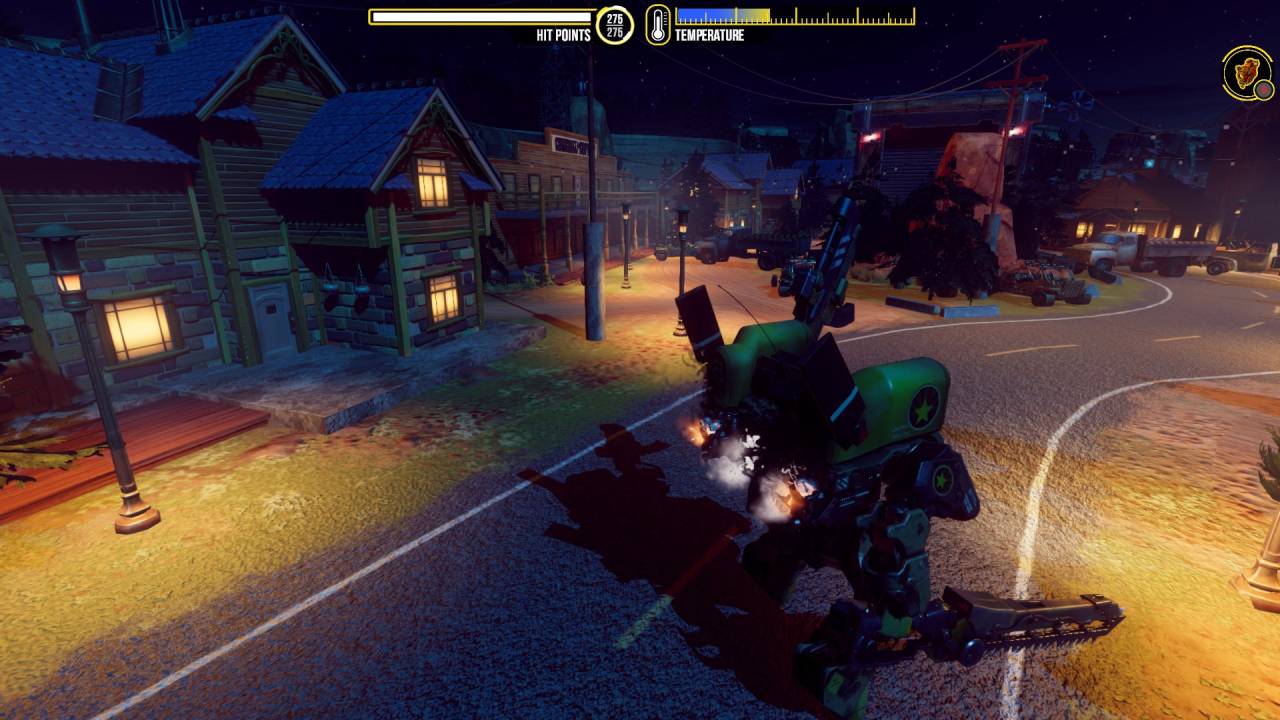
The puzzles in the game aren't so much standard brainteasers as they are strategic ways to solve problems. For some tasks, you have to change the environment, hack into systems, or strategically place weapons. When these scenes happen, they break up the usual shoot-and-dodge pattern and give Bounty Star more meaning.
Bounty Star's best feature is how the puzzles and battles fit into the world. It feels like everything you do has a purpose, like taking down enemy defenses or finding out the fastest way to get close to a bounty hunter. But some players might get tired of doing the same goals over and over, especially if they have to grind for resources or experience points at the same time.
The fighting is fast-paced and fun, but the repetitive parts remind you that even heroes have boring days.
In Bounty Star, you get experience points by finishing quests, killing enemies, and making things. XP is a key part of growth because it affects both Clementine's skills and the mech's abilities. Players can improve their tools, make it easier for them to move around, and unlock new skills, which makes grinding feel like fun instead of just a chore.
It's easy to move forward in Bounty Star. Early missions provide a significant amount of XP, which enables players to feel strong quickly. Later stages, on the other hand, require careful planning and strategy. This method makes you more likely to interact with both combat and the Homestead, since crafting and gathering resources can give you extra XP.
One problem is that some players may feel compelled to farm repeatedly, especially if they want to fully optimize their mech before tackling more challenging tasks. Even though it doesn't change Bounty Star, the way it was made might test your patience.
Bounty Star appears to be a strange blend of rough sci-fi and cozy home life. The mech designs are very detailed, and a lot of thought went into how the machines can move and how they sound in battle. The game's environments are exceptionally well done, even for an independent title. They range from brightly lit cities to quieter farmlands.
The art style does a good job of showing how different the bounty tasks are from the calm activities at Homestead. Lighting is creatively used to enhance the mood, and the particle effects in battle are rewarding without being overwhelming. Although the graphics aren't as photorealistic as those in AAA games, they're still cute, unique, and effective for both gameplay and storytelling.
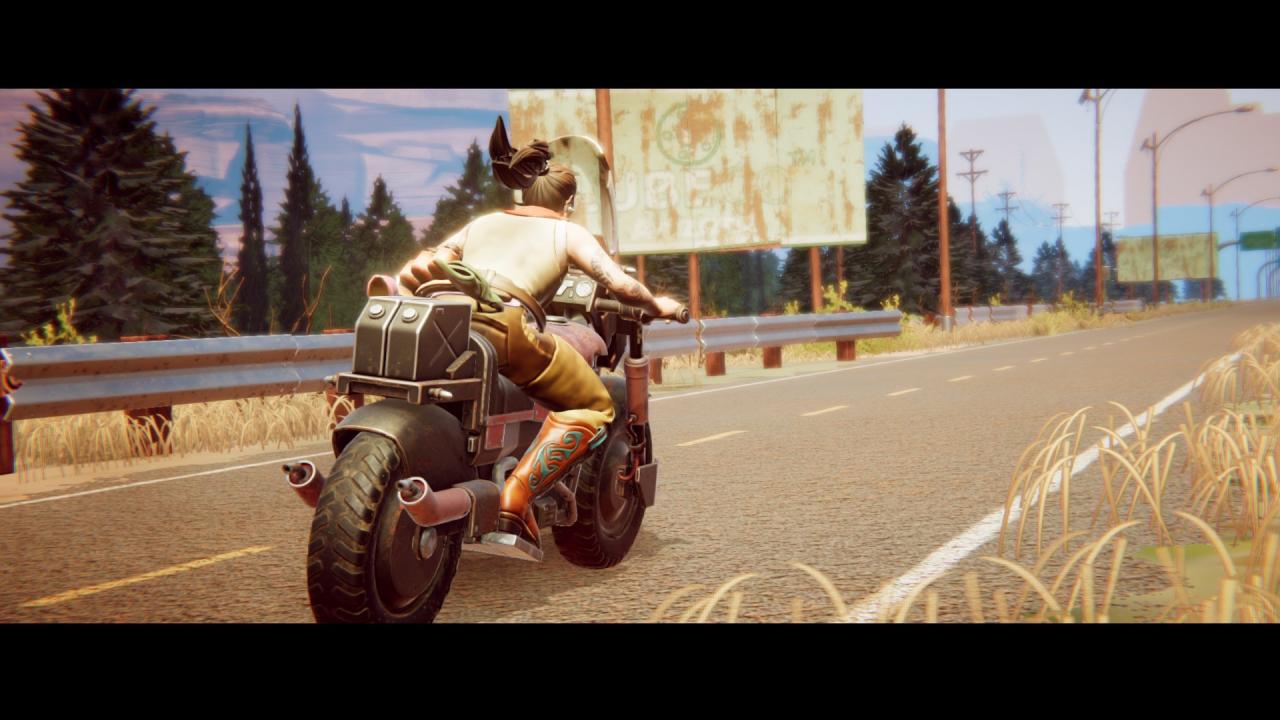
Another great thing is the sound design. When weapons shoot, they make heavy, impactful sounds, and enemy mechs make unique noises that help players guess when they'll attack. While on tasks, the music changes from tense, driving tracks to soft, reflective melodies. When taking care of the Homestead, the music changes again.
Voice acting is worth mentioning. Clementine's lines are given honestly, showing how tired, determined, and sometimes funny she is. The voices of side characters are also very good, which makes encounters more interesting and adds to the story immersion of the game. Ambient sounds, like the rustling of crops or the faraway noise of city machinery, also help make a world feel real.
Everything in Bounty Star sounds real, from the roar of the mech to the sizzle of breakfast.
Bounty Star doesn't want to be put into a single genre. Dino God has made an experience that is both emotionally and mechanically satisfying by combining mech battle with crafting, homestead management, and story discovery. The story of Clementine's redemption is interesting, and the way the game moves between tasks and normal life keeps it feeling alive.
Bounty Star does have some problems, though. Some players might not like the repetitive tasks, occasional grind, and uneven pacing, and the mix of genres can feel strange at first. But for people who are okay with its weirdness, Bounty Star is a nice change from other mech shooters. It's thinking-provoking and fun at the same time.
Editor, NoobFeed
Verdict
Bounty Star is a bold, genre-blending indie game that combines mech combat with domestic life and emotional storytelling. Its narrative depth and unique mechanics shine, though some repetition and pacing issues may challenge players' patience.
60
Related News
No Data.