
Mexican Ninja Review
PC
Mexican culture, Japanese crime drama, anime nonsense, and fast-paced roguelike combat come together in a game that gets better the longer you play.
Reviewed by Mahi Araf on Aug 26, 2026
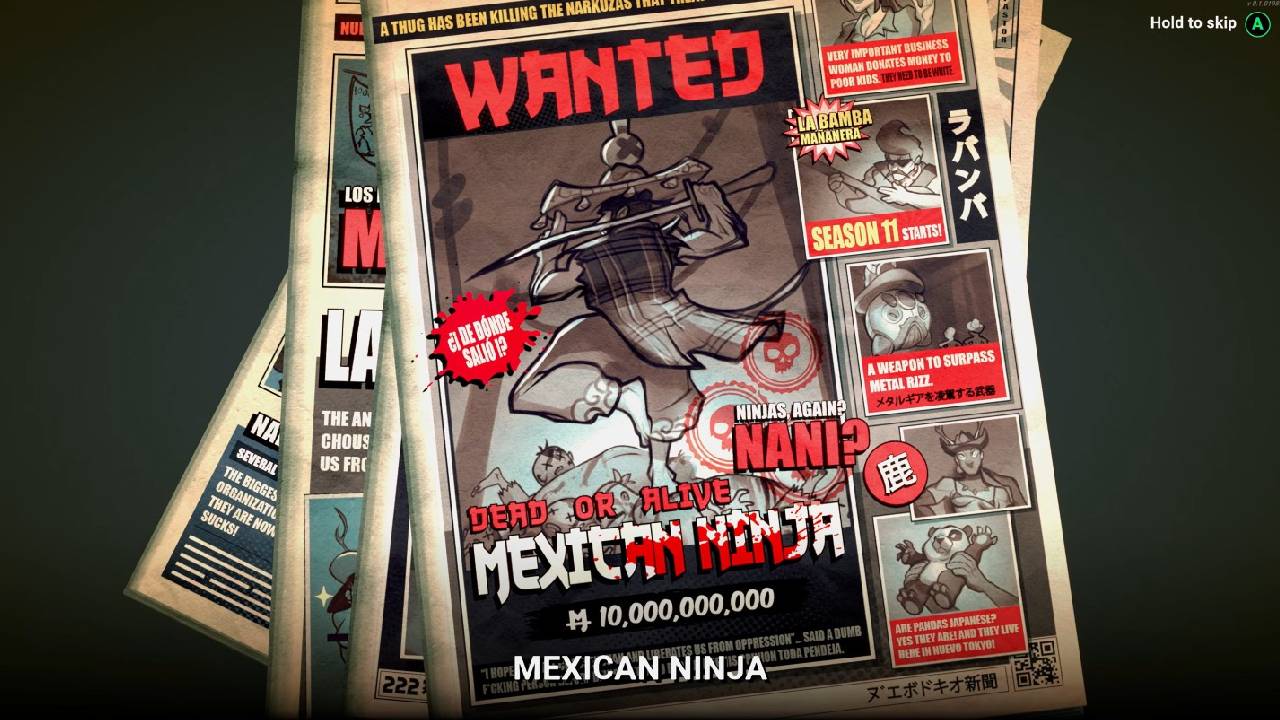
Mexican Ninja is one of those games where the first few minutes can leave you wondering exactly what the developers were thinking. You have a Mexican ninja, a city that mixes Mexican and Japanese culture, Narcos and Yakuza running the streets, ridiculous Jutsus, crude jokes, and a 2.5D beat-'em-up structure built around roguelike runs.
It sounds like someone threw several completely different ideas into a blender and decided to see what happened. The funny thing is, it works more often than it doesn't. Developed by Mad Bricks, Mexican Ninja has changed quite a bit from its earlier beta and demo versions.
If you played one of those builds, the full game feels like a much more complete version of the same idea. The combat is faster, the progression has more going for it, and the overall experience feels more focused.
It still has some problems, particularly when the level design gets too cluttered, but you can see how much work went into improving it.
You step into the shoes of Juan, a Mexican ninja fighting through Neo Tokyo, a strange city where Mexican cartel culture and Japanese Yakuza influences have merged together. The two sides have essentially become the Nakuza, who control the city, while a small rebellion is trying to take them down.
Don't expect me to tell you that the story is the reason you should play Mexican Ninja, though. The narrative is there, and there are story changes and different bits of dialogue as you progress, but the game is much more interested in getting you into fights than making you sit around trying to understand every detail of its world.
The story also knows exactly what kind of game it is. Mexican Ninja doesn't take itself seriously, and that attitude is present everywhere. Mexican culture is mixed with Japanese culture, anime references, gangster stereotypes, Spanish slang, English, Japanese, and a whole lot of crude humor.
Some of the jokes are surprisingly clever, particularly if you understand some Spanish or Japanese, while other jokes are exactly as ridiculous as you'd expect from a game called Mexican Ninja.
You get things like a God of War parody skin, Guillermo Totoro, fart jokes, and a Jutsu that involves Juan farting and setting enemies on fire. It's not subtle, and it doesn't really try to be. If constant crude humor isn't your thing, you'll probably know that pretty quickly.
But if you can get on the game's wavelength, the absurdity becomes part of the charm.
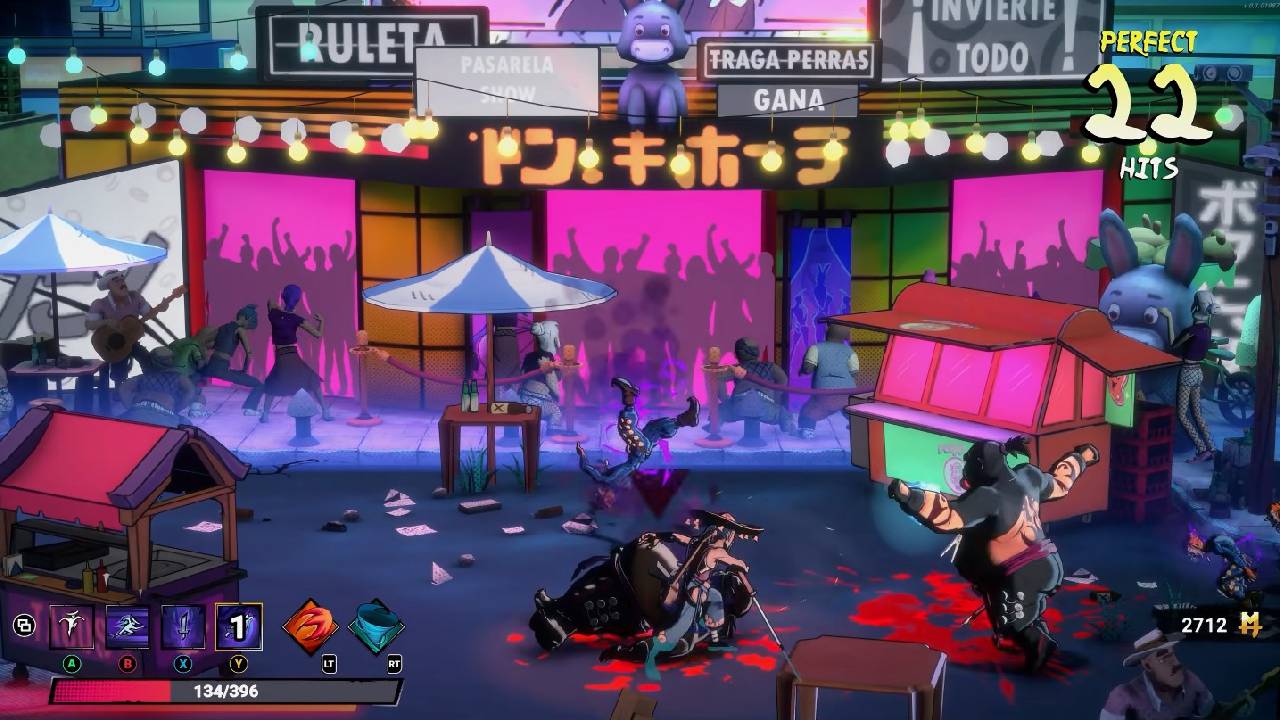
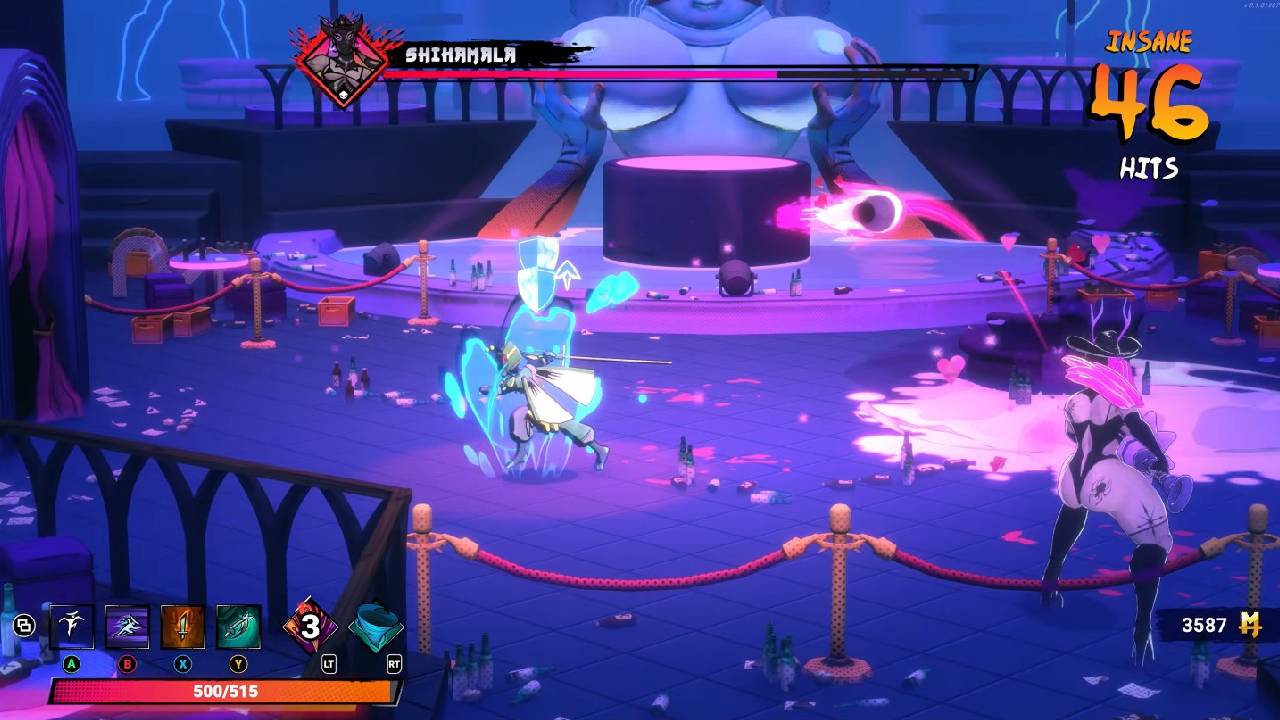
The actual reason you're here, though, is the combat, and this is where Mexican Ninja surprised me the most. At its core, you're playing a fast 2.5D beat-'em-up with roguelike progression layered on top. Juan has light and heavy attacks, jumping, dashing, parrying, passive abilities, Jutsus, launchers, air combos, projectiles, enemy juggling, and several ways to throw enemies around.
You can string light and heavy attacks together, launch enemies into the air, follow them with aerial combos, bounce them around, and use special abilities to keep groups under control. You can also deflect projectiles back at enemies and make use of environmental objects such as exploding barrels and vending machines that can be smashed open for healing items.
The combat is also much faster than it initially appears. Movement feels snappy, attacks come out quickly, and once you start unlocking more abilities, Juan can start doing some pretty ridiculous things. A fight can quickly turn into enemies flying everywhere, projectiles crossing the screen, combos going off, and Juan bouncing from one target to another.
If you enjoy that kind of controlled chaos, there's a lot to like here.
The game also expects you to pay attention. You can't simply run into a group and mash the light attack button until everything disappears. Well, you can try, but you're probably going to have a bad time.
Enemies have different attack patterns, and parrying is an important part of dealing with them. You need to recognize when an enemy is about to attack, decide whether to counter, attack, or move away, and keep track of what's happening around you.
That makes the combat surprisingly satisfying once you get comfortable with it. You're not just hitting buttons; you're learning how enemies behave and figuring out how to make your abilities work together.
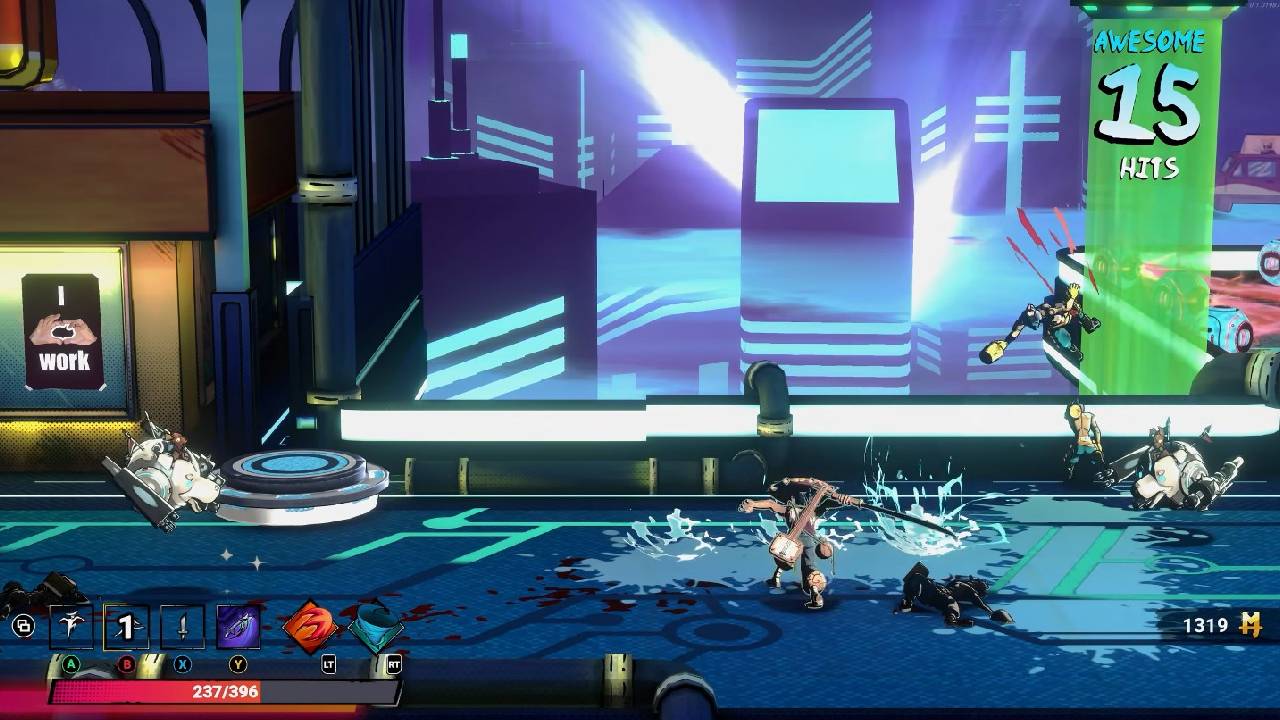
There is one problem with all this speed, though, and it comes back to the level design.
Mexican Ninja likes putting a lot of stuff into its environments. Sometimes, too much stuff. You'll find boxes, crates, barrels, barriers, environmental objects, and other pieces of scenery filling the screen. That can look good when you're simply walking through an area, but once the fighting starts, the clutter can become a genuine problem.
Add fast combat, multiple enemies, projectiles, environmental effects, and a busy background together, and you can sometimes lose track of Juan entirely. There were moments where you could find yourself wondering where your own character had gone while enemies were flying around the screen.
The game does use attack indicators, sound cues, and visual effects to help you understand what's happening, but the cleaner solution would have been to simplify some of the arenas in the first place.
The camera can also change during certain encounters, giving you different perspectives and zooming in during battle sections.
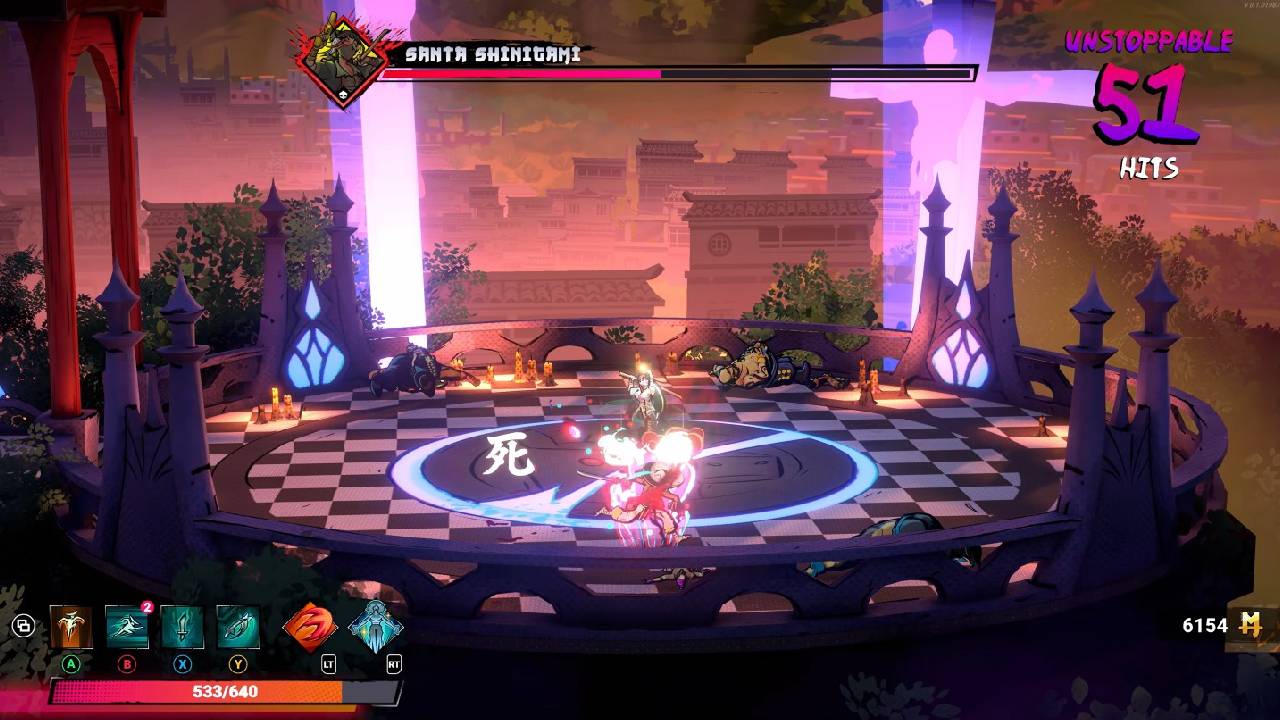
Most of the time, this works, but there are moments where the viewpoint feels unnecessarily close or slightly awkward. Some boss arenas suffer from the same problem, particularly when a large boss is fighting you in a relatively small space.
One bear boss is a good example. The boss itself is cool and has some interesting attacks, but the combination of its size, the arena, and the camera makes the fight feel more cramped than it needs to be.
Enemy variety is another area where Mexican Ninja could have done more. At first, the different enemy types seem interesting because they approach you in different ways. As you continue playing, though, you start seeing some of those same enemies repeatedly. The game remixes enemies by changing their appearance, health, or aggression, a pretty common trope in beat-'em-ups, but the repetition becomes noticeable.
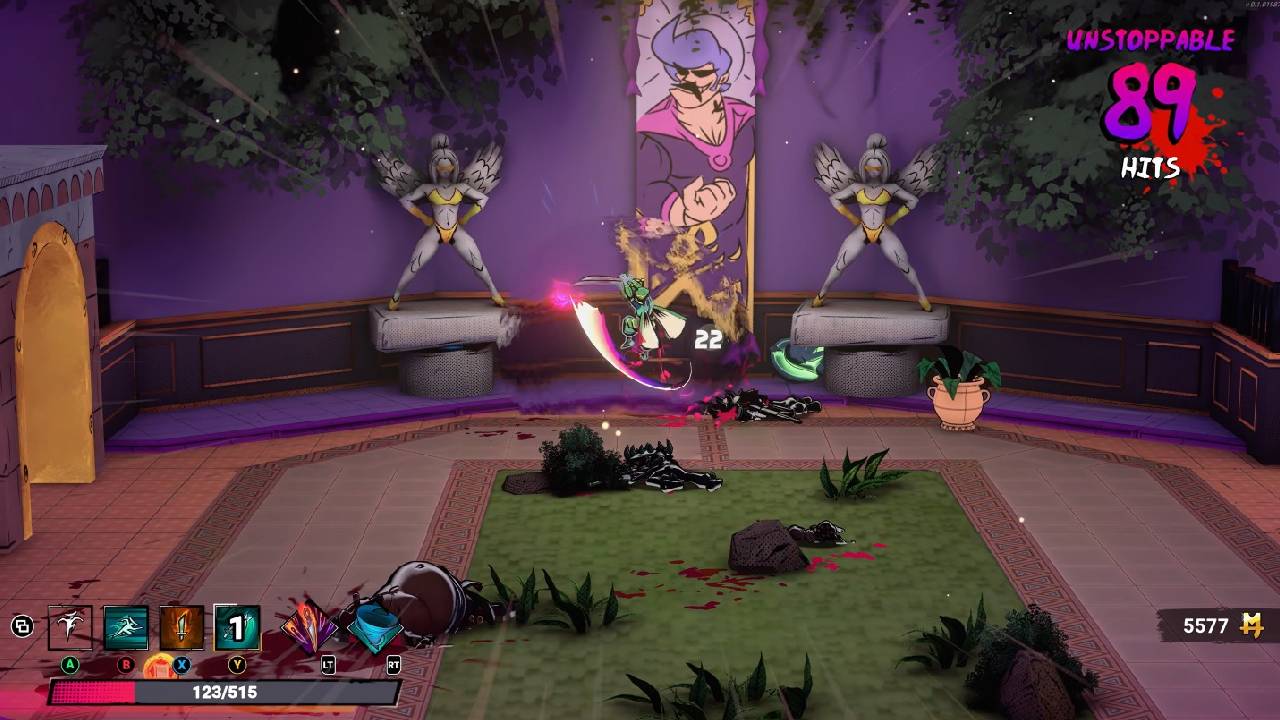
The bosses fare much better. They generally feel like they are actually trying to end your run rather than simply serving as a larger enemy with more health. They have their own personalities, distinct attacks, and enough aggression to earn your respect. Some bosses can also have multiple phases, and their dialogue can change between runs, which helps keep repeated encounters from feeling completely identical.
That matters because you're going to be fighting these bosses more than once.
Mexican Ninja follows a fairly structured progression where you face the bosses in chronological order during your runs. There's nothing inherently wrong with that, but after several runs, you might start wishing for a more randomized mode where you could fight different bosses in different orders.
The game does introduce some changes between runs, but fighting the same bosses repeatedly can eventually become part of the grind. Fortunately, the roguelike structure gives you plenty of reasons to keep going. Every run gives you something to work toward. During a run, you can collect temporary buffs, blessings from spirits, status effects, and other upgrades that influence how your character performs.
You also choose between branching paths, with the rewards for different routes visible before you commit to them. That makes route selection an integral part of building your character, rather than simply following a straight line.
You can build around fire damage, critical strikes, stuns, counterattacks, black holes, vulnerability effects, and other combinations. Some passive abilities interact with your combo meter as well, giving you another reason to maintain your attacks and think about how your build is coming together.
Then there are the Jutsus, which are some of the most entertaining abilities in the game. One favorite is a massive orange projectile created by a cross-slashing attack, while another lets Juan drop daggers that can set up some useful combos. There's also a tornado-style ability that turns Juan into a spinning cyclone.
These abilities aren't just there to make the character look cooler. They genuinely change how you approach fights.
The permanent progression system, called the Way of the Donkey, gives you a skill tree that carries between runs. You can use your earnings to improve things such as damage, health, healing, cooldowns, combos, and other bonuses. The important thing is that these upgrades actually feel meaningful.
Eventually, enemies and bosses that once gave you trouble can become much easier because you've built Juan up over several runs. The first boss can eventually feel like a regular enemy that you can quickly destroy, which is exactly the sort of progression you want from a roguelike.
Even dying doesn't feel like you've completely wasted your time. You're still earning money, progressing side objectives, unlocking abilities, discovering new skins, and making permanent improvements. That creates the kind of loop where you tell yourself you'll do one more run and then suddenly realize you've been playing for another hour.
The skins are also more useful than you might expect. They're not simply cosmetic palette swaps. Juan gets completely different outfits, and some of them provide gameplay bonuses. One can give you more money, while another causes mini explosions when you use light attacks. A God of War parody outfit can boost fire Jutsu damage and create additional effects when you're hit.
That means changing your outfit can actually change the way you approach your next run. It's a small feature, but it fits nicely into the game's build-focused design.
The difficulty is generally fair as well. The game gets harder as you progress, with stronger enemies eventually appearing in areas that were previously easier. Bosses can punish mistakes, but learning their patterns makes them more manageable. There are a few attacks that feel more like cheap surprises than legitimate tests of skill, but overall, the difficulty works well with the roguelike structure.
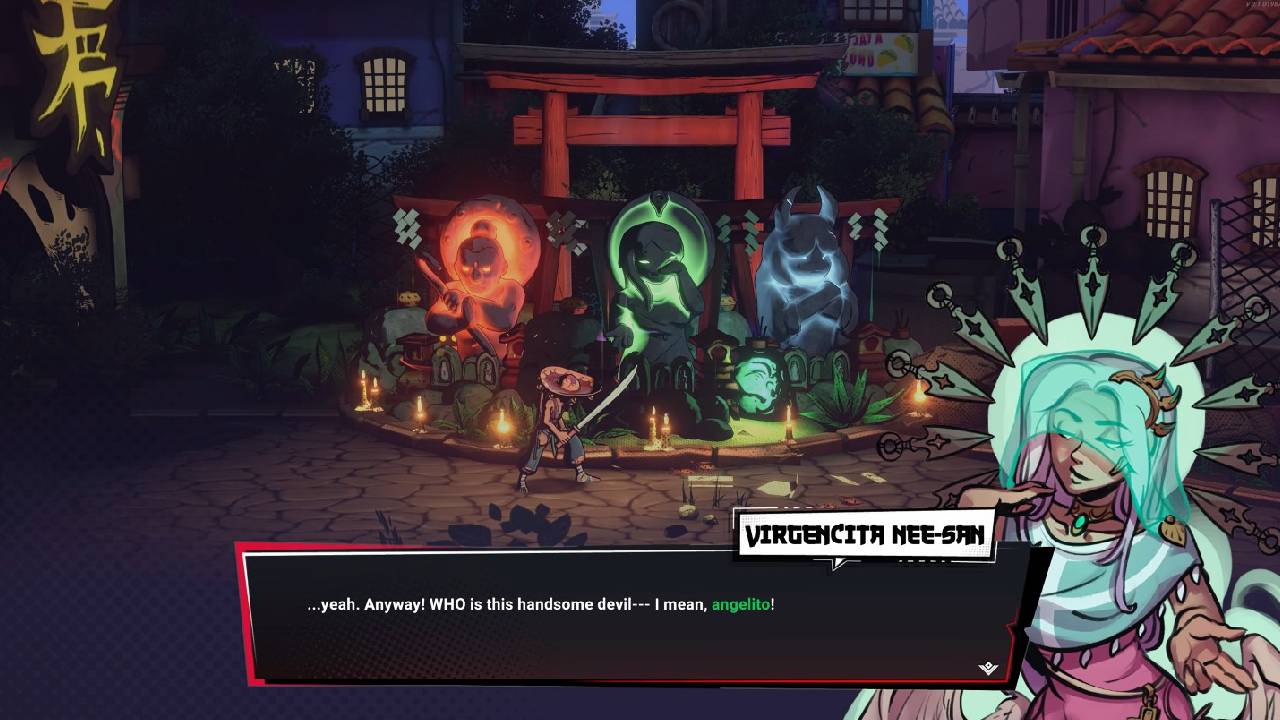
Visually, Mexican Ninja is probably at its best when you're looking at its overall art direction rather than individual technical details. The cel-shaded style gives it a comic-book look with some early-2000s cartoon influence, and the combination of Mexican and Japanese imagery gives the world its own identity.
You get street markets, graffiti, tacos, and older Mexican-inspired elements alongside cyberpunk signs, Yakuza aesthetics, spirits, Shinigami influences, and anime-style presentation. The story is also presented through comic-panel cutscenes, which fit the game's personality nicely.
The music follows the same philosophy. It blends the game's Mexican and Japanese influences while supporting the chaotic action. The overall presentation isn't trying to be serious or grounded, and the audio works alongside that attitude.
If anything, the presentation is another example of how Mexican Ninja is at its best when it fully commits to its ridiculous concept.
There are still a few things holding it back. The biggest is easily the cluttered level design. The combat itself can already become extremely chaotic, so adding a huge number of environmental objects makes it harder to follow. The enemy variety could also be stronger, and the repeated boss order may eventually become predictable.
The traversal between encounters can also get repetitive. You'll start noticing similar corridor-style battles fairly early, and by your fourth or fifth run, you may wish the routes were more open-ended. The branching paths and changing dialogue help, but they don't completely solve that problem.
Still, Mexican Ninja is a game that improves the more you understand what it's trying to do. What might initially look like a goofy indie beat-'em-up slowly reveals a combat system with more depth, a useful progression system, and a surprisingly enjoyable approach to building your character.
You get fast combat, meaningful upgrades, ridiculous abilities, different skins with actual gameplay effects, challenging bosses, and enough variety in your builds to make repeated runs worthwhile. Most runs take around 15 to 25 minutes, while the overall experience can take roughly six to nine hours depending on how much you explore and replay.
That feels like a good length for what Mexican Ninja is trying to accomplish.
Mexican Ninja isn't perfect, and its cluttered arenas can sometimes get in the way of its otherwise excellent combat. But if you enjoy beat-'em-ups and like the idea of adding roguelike progression and build crafting to the formula, there's a lot here for you to enjoy. The game has personality, the combat feels good once it clicks, and the progression gives you a reason to keep coming back.
Most importantly, the full game feels like a significant step up from its earlier builds. You can see that the developers listened, adjusted the balance, improved the systems, and turned what could have been a one-hour novelty into something much more substantial.
If you're willing to embrace the chaos, Mexican Ninja is worth checking out. Just don't be surprised if you occasionally lose track of your own ninja underneath a mountain of crates, barrels, enemies, and flying projectiles.
Senior Editor, NoobFeed
Verdict
Mexican Ninja's fast combat, meaningful roguelike progression, and ridiculous personality make it an easy recommendation for beat-'em-up fans, despite cluttered levels and repetitive enemies.
76
Related News
No Data.