
Over The Top: WWI Review
PC
A riotous trench warfare sandbox that turns chaos, comedy and destruction into a singular multiplayer spectacle, even when its rough edges keep it from reaching true tactical greatness.
Reviewed by Joy Rahman on Mar 09, 2026
Over The Top: WWI is one of the few multiplayer shooters that really stand out from the rest. It comes in with a smile, a shovel and a landscape that is made to fall apart under pressure. It was made by the same people who made big, community-driven war games, and it doesn't treat the First World War as a strict simulation.
Instead, it uses it as a stage for spontaneous stories, made-up heroes and silly group theater. That clever choice sets the mood for the game right from the start. Over The Top: WWI is not trying to be more realistic than any other historical shooter out there. It wants to make trench conflict an unpredictable sandbox where destruction, role-playing and the momentum of a lot of players are the main stories.
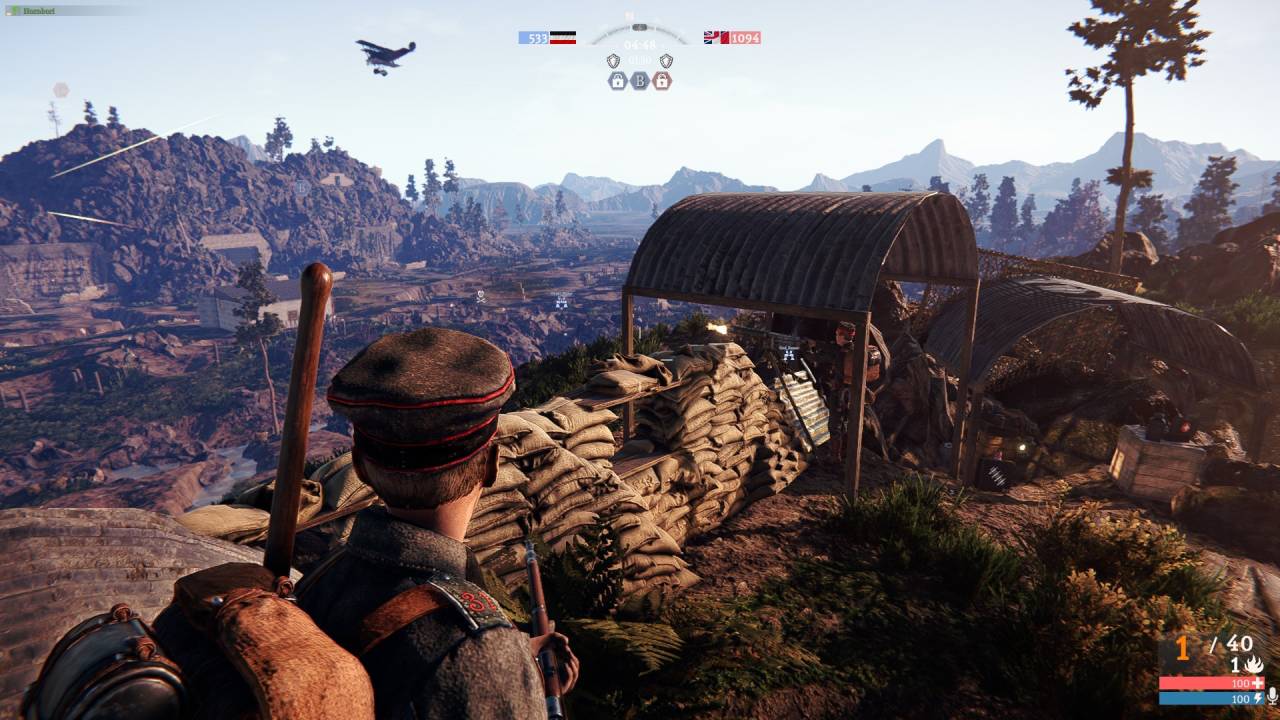
That placement is important because it lets the game comprehend its history without getting stuck in it. The huge battlegrounds remind me of Battlefield, the player-driven comedy reminds me of social sandbox games, and the voice chat and class interactions can change the mood of a match, reminding one of mil-sim games.
However, what's being offered here isn't just hardcore realism or arcade spectacle. Over The Top: WoWI works because it stays in the unstable middle ground. In the same way that a battlefield game builds tension, this game also lets you make up nonsense, legends and brilliant ideas by mistake.
That hybrid personality makes the game stand out in the market and makes it easy to remember.
The experience doesn't have a standard story campaign, but the lack of a scripted story doesn't make the game emotionally empty. Instead, campaigns that span multiple battles, territorial pushes, counterattacks and the battered memory of places that change every time you go back to them are what tell the story. A church that used to be a sniper's nest can be torn down.
A defense ditch that helped a team win one round could become a trap that kills everyone the next. Over The Top: WWI changes continuity into story texture by letting the scars, craters and broken lines of defense on the battlefield record each fight.
Even though it lacks a traditional story, the way the game is made makes it feel like an active war diary. Human sounds fill in the gaps. And, stories that feel written in the moment are developed when officers yell orders. Then, you argue over whether to defend or dig deep. If strangers suddenly commit to a charge that will fall through, it is not cutscenes holding the story together, but relationships between characters that play the role.
When there are a lot of real people on the server instead of bots, the match starts to have personality, humor and stakes on its own. That's where Over The Top: WWI comes to life, and its essence is much more convincing than any story that was written in a straight line.
The main loop of the game is big, has many levels and feels very physical. In this game, you can shoot, dig, fix, bombard, revive, charge, scout and sometimes they just have to stay alive long enough to help the frontline hold together.
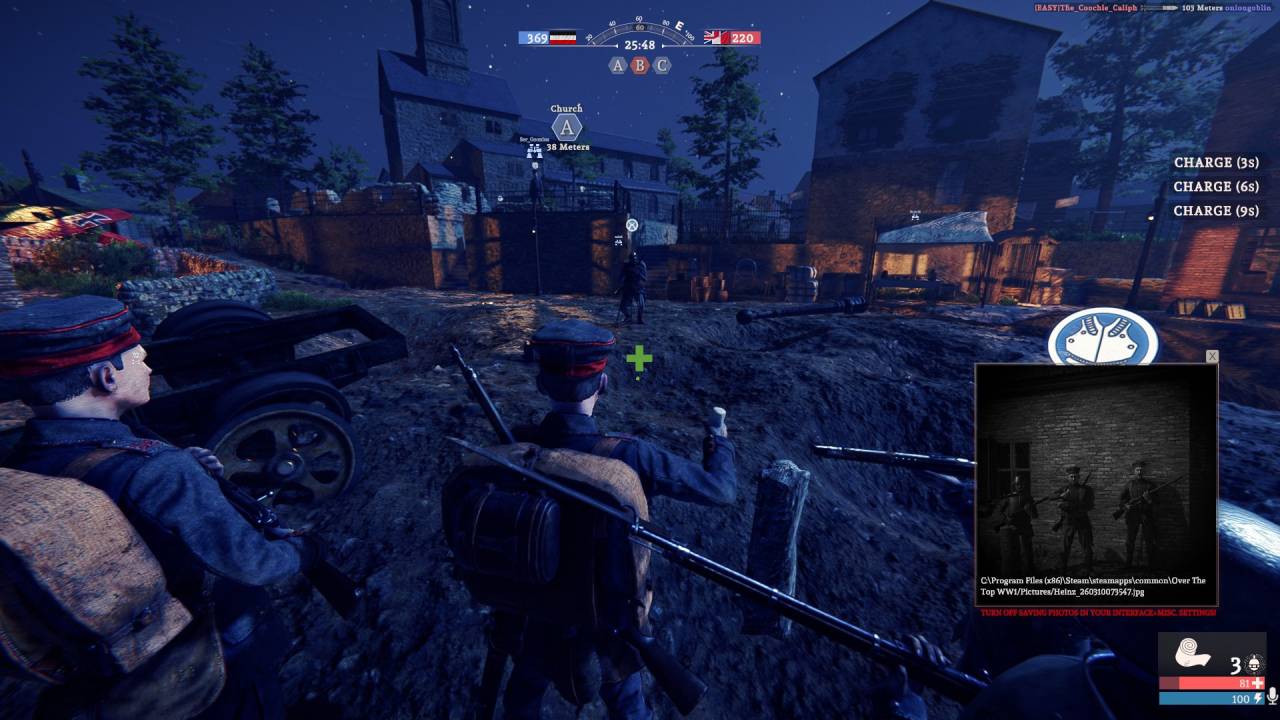
The fact that the battlefield never feels still is the most interesting thing about it. The ground can be shaped differently, ditches can be made deeper, structures can be made stronger, or buildings can be completely erased. In other words, the map is not simply a place. It is a plan. Over The Top: WWI always asks you to leave your mark on the battlefield. This allows you to shape each match in a way that no set level design could completely replicate.
The class environment gives the game more depth, though it's not always well-balanced. As part of the bigger war machine, riflemen, officers, engineers, armored roles and specialists all do their part. Vehicles, artillery, gas and air support add to the spectacle.
This means that you can help in more ways than just killing enemies. It can be important to dig trenches, build spawn spots, strengthen a defense line and provide utility. When everything works right, Over The Top: WWI gives you the unique feeling of being on the front lines instead of just in a normal shooter room.
You aren't just trying to get eliminated. In this game, you shape and speed up the war itself.
The server browser is more important than it seems at first because population has a lot to do with how well the match works. Lobbies full of bots take away from the game's best features and turn a great social battleground into a boring practice run. But when computers are full, everything gets better. It becomes important to stand on the flanks, the trench lines become fought ecosystems and sudden charges don't feel mechanical but dramatic.
So choosing a server isn't just a menu option; it's part of the user's trip. It is a small point of tension that is very important. Over The Top: WWI is designed to work right when there are a lot of people involved. Its best moments only happen when there are a lot of real people with real goals on the field.
Combat happens on a unique and interesting frequency. It looks like a typical large-scale shooter game, with rifles, machine guns, trucks, explosives and special call-ins. Modern habits to run and gun make it feel less controlled, more fragile and more situational when you use it. Just having a raw aim isn't enough.
Positioning, cover, patience and time are much more important than being violent without thinking. Gas pushes us to change. Being impatient is punished by open ground. Fortifications stop people from moving. Over The Top: WWI asks you to read the battlefield instead of just taking it over. This adds a welcome tactical tone to firefights, even when the rest of the game is going for laughs.
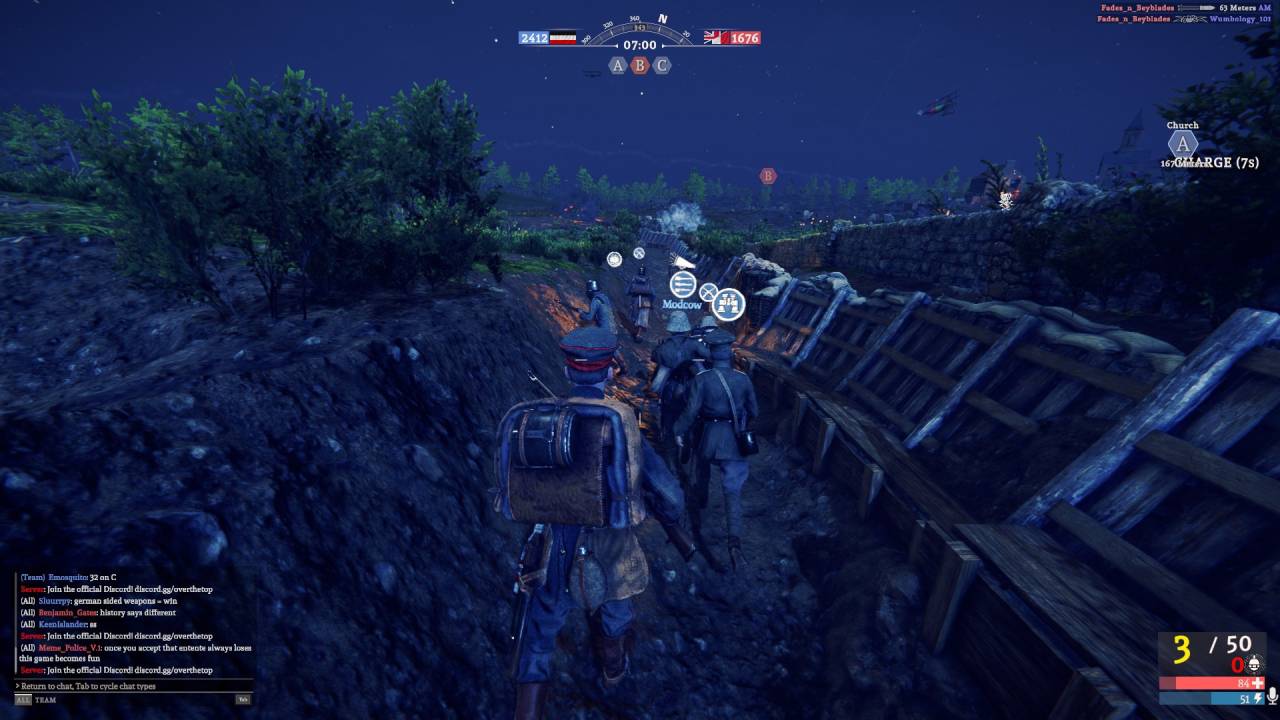
The way each push goes has a puzzle-like quality to it as well. It's not always easy to find your way through trenches because shells, shovels and falling buildings have the tendency to change the shape of the ground. Getting from one goal to another can feel as if solving a tricky spatial puzzle while being watched from three sides.
There is more to thinking than just shooting when you have to decide when to move, where to strengthen and how to get through a zigzag defense line. One of the good things about the game that doesn't get enough attention is the layer. It can feel like chaos in Over The Top: WWI, but there is a steady question of pathing, timing and battlefield literacy that rewards players who think things through.
What works best is the change in value. The destruction isn't just for looks. A well-placed barrage can destroy a house, take out a sniper's perch, or make both teams rethink an entire part of the map. That changes battle into something living and reactive. The game is also fun because it's okay for absurdity, along with tactical pressure to combine.
A charge led by a whistle can be both funny and scary. When six strangers work together to dig a ditch, it can become the defense that wins the game. In multiplayer games, those moments don't happen very often because the systems need to be flexible enough to surprise but solid enough to count. Over The top: WWI finds that balance more often than you might think.
Still, the fighting has some problems, and some of them are pretty big.
Gunplay isn't always constant, kills can look like they happen for no reason, and some classes don't always show why they're important from a strategic point of view. Sometimes the roles of engineers, snipers and armored vehicles seem more like extras than necessary ones. This is especially true when tanks are easily destroyed by enemy fire, and fixes on the battlefield feel like they could end in disaster.
Also, the range of weapons isn't as good as it could be, which makes them less fresh over time. People have the impression that some systems deliver more practical specialization than they actually provide. That means that some parts of the battle loop are fun to think about, but not always as fun to play over and over again.
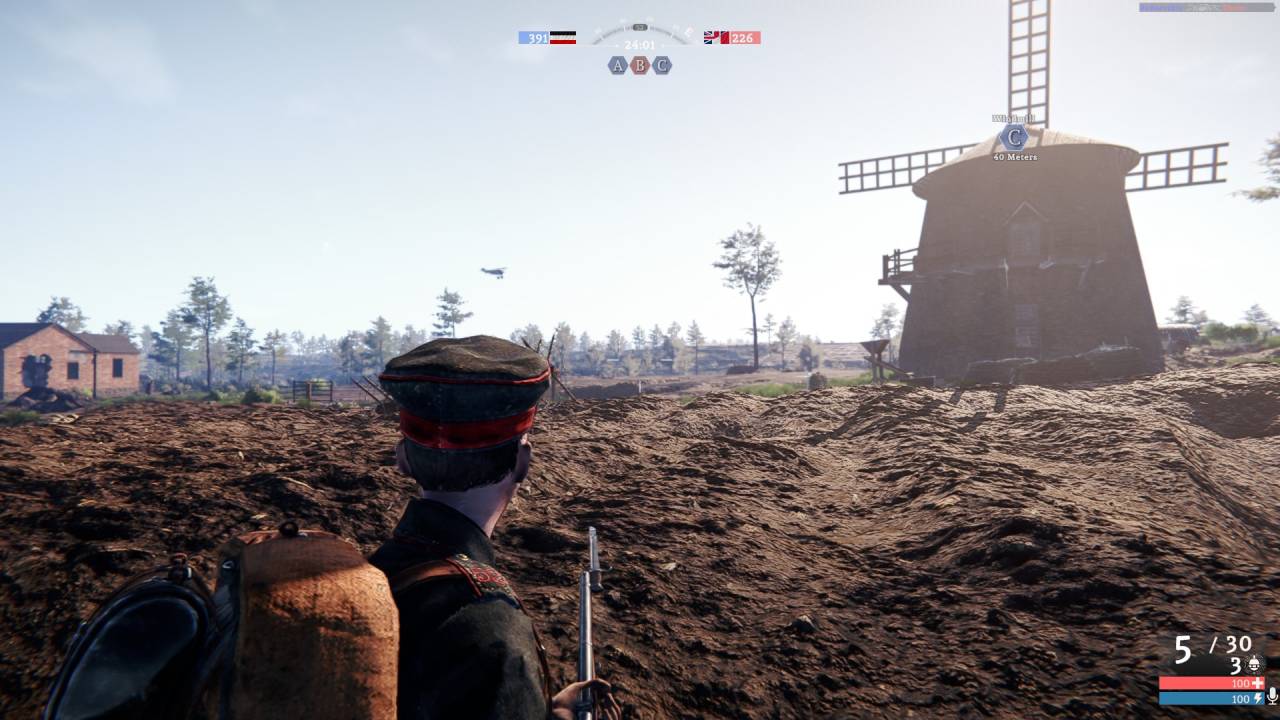
The class structure needs extra attention because it promotes battlefield identity more strongly than it always does. Officers' play really affects confidence, call-ins and rallies, but some other classes feel like they are defined more by their access to weapons than by their ability to do essential tactical tasks. That makes the sandbox's internal order less strong.
Every part in a good first-person shooter should be playable in both fantasy and real life. There are some parts that don't feel fully developed once the novelty wears off. Even so, the game gets by with that flaw because the world is so fun to play in. Even when the class structure isn't very deep, the battlefield is still fun to play because you can change the terrain, crash into other players and change the environment.
The way progression works is light, which fits with the mood of the game, yet also shows a cap. You can get experience by fighting directly, playing objectives, working as an engineer, or even by doing quiet things on the ground like digging and building walls.
That's a great design choice because it expands what it means to be useful. The game doesn't force every player to be a kill-chaser. It can still be materially satisfying to help shape the front, build a defensive line, or just back up a push. This model of development is good for Over The Top: WWI because it encourages the social and tactical behaviors that make its matches unique in the first place.
On the other hand, the development curve doesn't look deep enough to keep the long-term desire going on its own. With a level cap and unlocks that can be used up pretty quickly, the game runs the risk of hitting a wall where you can't try anything new.
There is progress, but it's not always the kind of deep metagame that holds you looking for months for the next big prize. It has a mixed effect on the game. On the one hand, it levels the playing field and stops big differences in gear. The other side is that it weakens the inspirational pull. Over The Top: WWI rests more on match-to-match storytelling than on progression architecture. This is both a good thing and a bad thing for business.
It is probably better for the game's strategy if it doesn't aim to be as visually realistic as possible.
Technically, the quality can look old because some of the textures, character models and animations don't have the polish of today. However, clarity isn't always the key to good aesthetics. It's more about the atmosphere, and the game often does it with amazing force. The battlefield is rough, unfriendly and strangely alive thanks to the mud, smoke, broken buildings, trench lines and blasted land.
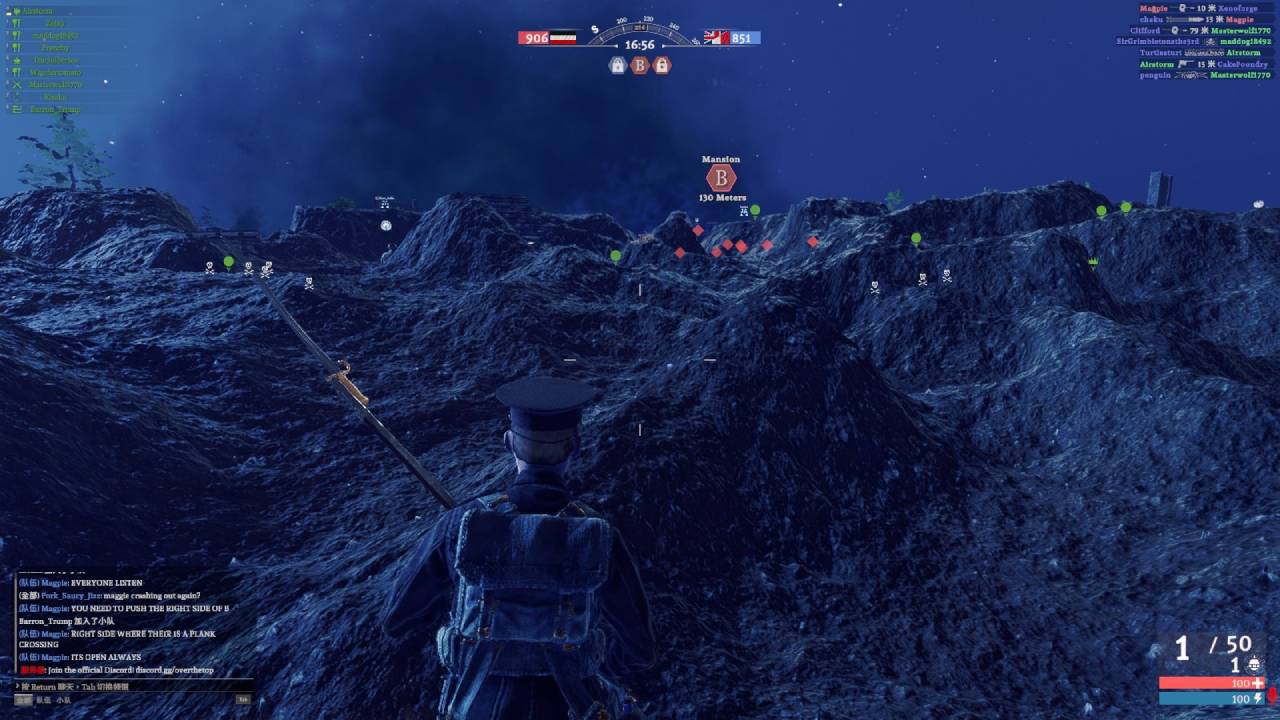
It's not so much about prestige rendering as it is about understandable chaos. That option works a lot better in motion than it might look in a static picture. The real visual success is changing the environment.
Not many shooters make damage feel so important to who they are. Watching a building that could have been defended fall, the ground change from being bombarded for a long time, or going back to a frontline that has changed from repeated battles, adds a level of drama to the game that many technically better shooters never manage.
Having different maps, seasons and times of day also assists in keeping things fresh. The world rarely feels dead, even when the quality of the assets can't match up with competitors with bigger budgets. Over The Top: WWI knows that memorable art direction isn't just about visual power, it is also about effect, silhouette and movement. That knowledge takes the game further than anyone thought it would go.
Another good thing about the game for selling is the sound design, which sells size, danger and silliness all at the same time. Gunfire sounds scary, artillery hits with real fear, and the whole battlefield is filled with panic, yelling, metal and muddy chaos. Just as important, proximity voice chat stops being an extra function and starts being a part of the soundscape.
That makes an audio personality that not many shooters can copy. Orders, jokes, fear and roleplay all become a part of the match's overall feel. Over The Top: WWI sounds like an arena where order and chaos are vying for power, and that tension is a big part of its appeal.
Audio is also very important for usefulness. When threats, chaotic pushes and changing fronts come at you, you can often hear them before you see them. That's important in a game where it's easy to lose your way and see what's going on in the trenches. The battlefield always sounds like it has people on it.
There is wisdom in that mix, even if it can sometimes become too much to handle.
The soundscape doesn't just add to the action during the match. It creates a sense of urgency, intensifies your experience and turns a messy battle into something cinematic and exciting. One very clear reason why the experience stays with you after the round is over is this.
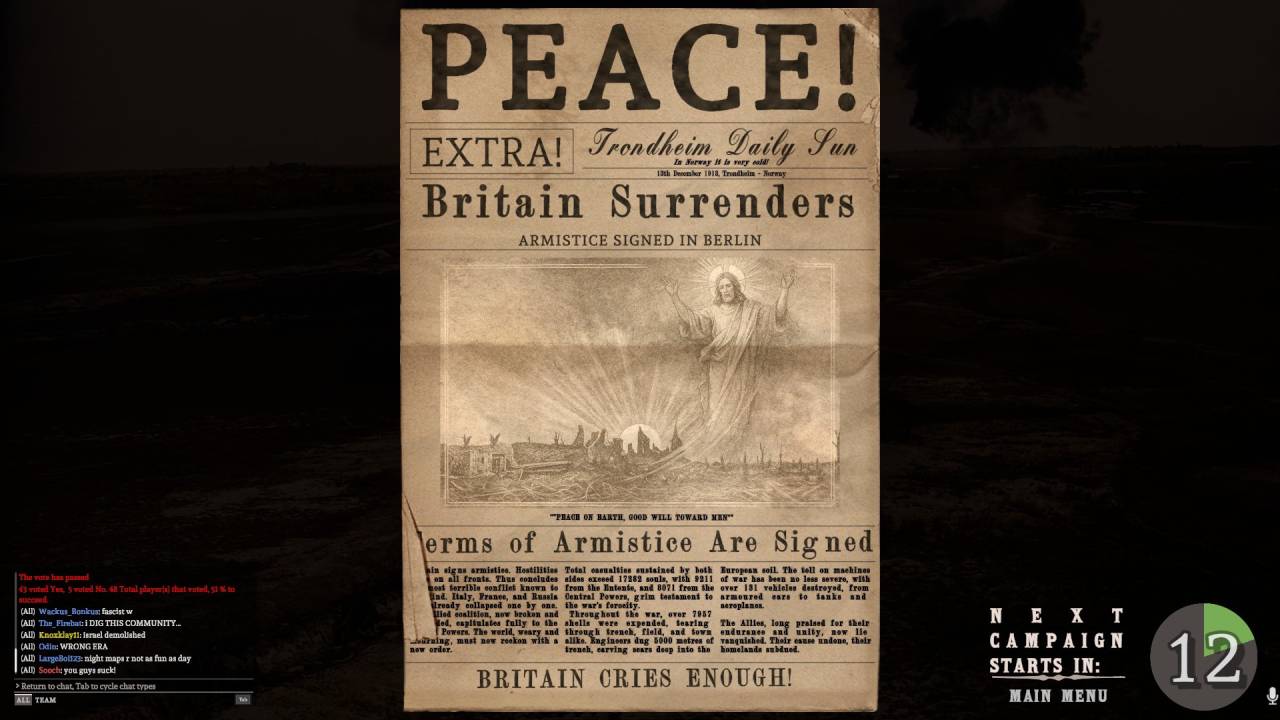
What's most amazing about this game is how fully it embraces its own style. It doesn't try to be a polished military sim, and it doesn't try to be as smooth and precise as current competitive shooters. Instead, it builds its worth upon chaos with a lot of players, battlefields that can change shape, performative teamwork and the kind of random chaos that cannot be made in a scripted shooter.
Being sure of yourself makes the correct matches feel exciting. Over The Top: WWI is funny, rough, creative and sometimes amazing. It knows that good multiplayer games don't always have a lot of control. Sometimes, they have just the right amount of unpredictability.
That being said, the interpretive lens can't ignore the bounds. Feedback in combat needs to be improved, role balance needs to be more solidified, long-term progression needs stronger hooks, and some features feel more like potential prototypes than fully developed systems. The game depends on active players, so it may not be as fun when there aren't enough players or the servers aren't working well.
But even with those flaws, the experience is still very interesting. A shooter has found its expression when it can make digging trenches feel as important as firing guns. Most of its rivals don't have this voice. Over The Top: WWI isn't the best game in its genre, but it is one of the most unique and popular new releases in that genre.
Contributor, NoobFeed
Verdict
A brilliantly chaotic trench sandbox with unforgettable social energy, destructive spectacle and genuine originality. Its gunplay and progression need sharper refinement, but its best matches deliver a multiplayer identity that feels rare and messy.
68
Related News
No Data.