
Wicked Seed Review
PC
A solo-developed survival horror that blends tactical combat, monsters, and deep RPG systems.
Reviewed by Wasbir Sadat on Feb 24, 2026
These days, the Steam store is full of Unity-made games that people usually brush off as asset flips. Wicked Seed is the kind of game that sneaks up on you. Ryan of Dead Right Games worked on this game by himself; it's not a sequel, a licensed product, or backed by a big publisher. It's a hobby project that doesn't really look like a "must-play" at first glance.
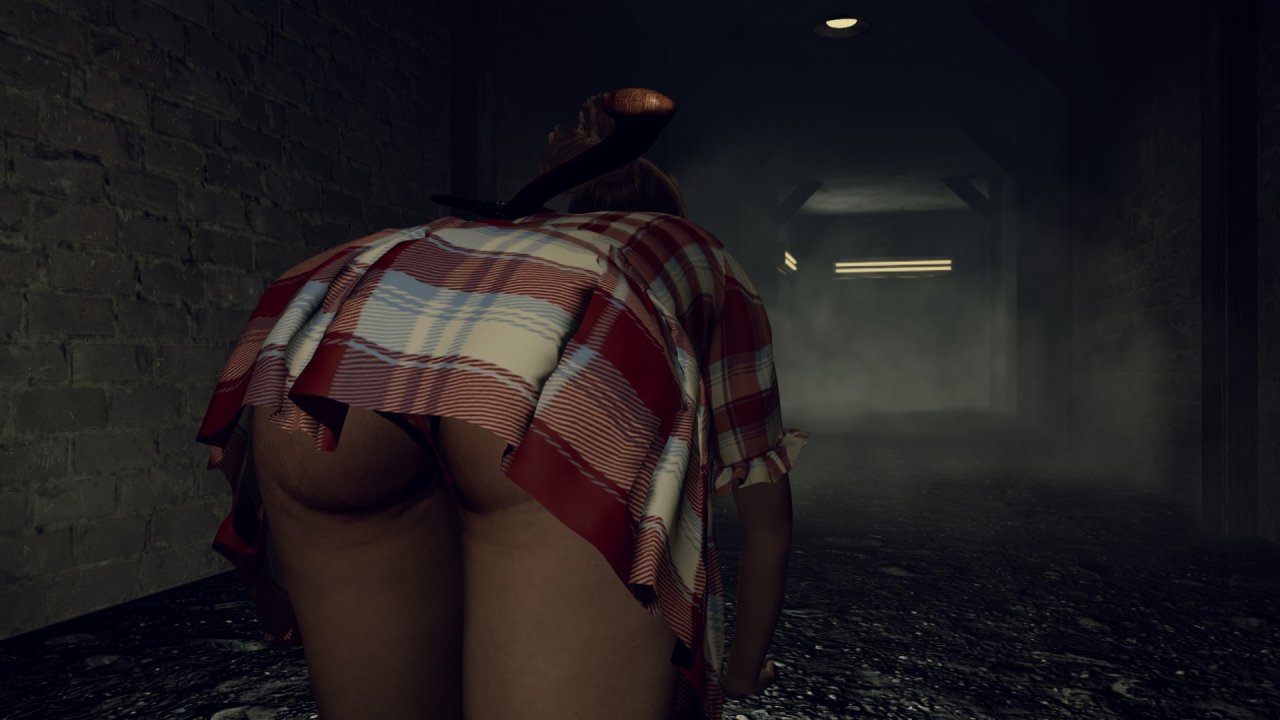
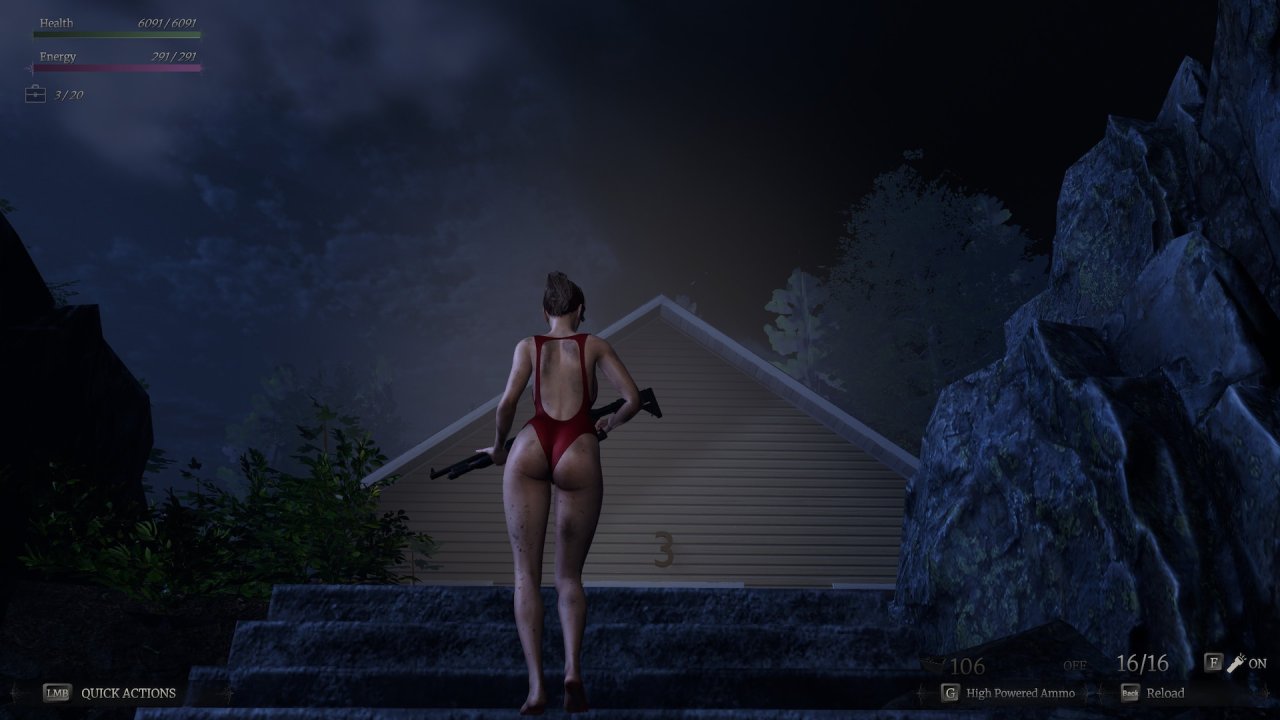
The promotional photos and cover art might make you think of a low-budget fan-service game rather than a serious survival horror game. Because the main character is a pretty woman and there are lots of costume choices, it's easy to get the wrong idea about what this game is. That simple assumption, on the other hand, couldn't be more wrong.
.jpg)
The story of Wicked Seed is a tribute to old survival horror games, especially Resident Evil, Silent Hill, and, best of all, Parasite Eve. It mixes RPG elements with survival-horror tension in a way that feels both familiar and fresh, much like Parasite Eve did before. The result is one of the most surprisingly deep independent horror games I've played recently.
You play as Ella Aster, a private investigator who gets a letter from Jacob, her brother, whom she hasn't seen in a long time.
The letter sends her to a remote park with a creepy cabin rental. The eerie setting makes her realize right away that something is wrong. There are crimson flowers that glow an unnatural shade of red, the air feels dirty, and scary monsters walk the grounds.
The story is a lot like a B-movie horror movie. There are acid-spitting spiders, tentacled monsters reminiscent of Lovecraftian horror, grotesque frog-like mutants, and even a strange hybrid resembling a shark fused with a pterodactyl. It's pulpy and a little campy, but it's also very self-aware.
Without giving anything away, the story slowly shows that something strange has taken root in the area. Like the themes of DNA mutation in Parasite Eve, the tone changes between a murder mystery and a biology nightmare. Even though the worldbuilding isn't always visually interesting, the mystery and strange stories are interesting enough to keep you going, especially since the ending hints at even scarier things to come.
At its core, Wicked Seed is set up like a typical survival horror game. You go through areas that are linked to each other, collect important items, solve puzzles in the environment, keep track of your limited inventory space, and go back to safe rooms that serve as break spots.
But the fighting system is what makes the game stand out.
When you face enemies, you join a battle zone, which looks like an arena and lets you move in real time while also giving tactical commands. You can move, dodge, and make space for yourself by running around. But when you open the command menu to fight, use items, or use skills, the game moves much more slowly, making you think of Parasite Eve's tactical flow.
.jpg)
Stamina that automatically regenerates and powers almost all of your actions. Scrap can be used to improve weapons and learn some fighting skills, so it can be used as a resource for crafting on the fly.
This triangle of resources makes conflict that matters. Do you spend scrap metal making a bomb out of things you already have to end a tough fight quickly? Do you save it to improve your tool at the next bench? The constant tug-of-war between short-term survival and long-term growth gives fighting a strategic edge that's rare in independent horror games.
Having a range of weapons makes builds even more unique. Upgrades to power and volume are good for handguns like the heavy-hitting Bella. On the other hand, upgrades to accuracy and handling, especially passives that restore energy, are good for faster weapons like the Valkyrie. You can get your money back for old guns at any time, which lets people try new things without fear of being punished.
The RPG layer is deepened by adding armor, trinkets, and wearable parts. Your defense, resistance, and speed stats affect how you play, and special parts can heal you after a kill or make your ammo work better. You can make Ella a quick, sneaky attacker or a tough bruiser who is willing to take damage in exchange for brutal attacks.
The combat is deep and incredibly subtle.
The enemies' stagger meters are shown by yellow bars. When their health is gone, they fall apart, letting you do a brutal axe murder that does a lot of damage. But there's a catch: hitting an enemy more times while they're stunned makes your final blow more powerful. So you're always debating whether to go for the execution right away or take the chance of adding more shots for a bigger return.
Ella's axe isn't just for killing someone; it's a useful tool that makes battle more interesting. It can be used to block attacks, which drains your stamina but lessens the damage in dangerous circumstances. If you time your move just right, you can do a parry, which is a perfectly timed block that doesn't cost stamina and does damage to the enemy while leaving you open for more hits.
You can do more than just block and parry. You can also counterattack, hitting enemies as they commit to their moves, or you can carefully position yourself to hit enemies from the sides or back, dealing more damage. Because it can be used in so many ways, the axe is an important part of both defense and offense in the game.
Some monsters can't be hit from the front. Some monsters burst into acid when they die. Some call for help unless certain weak spots are removed. To get past armor systems, you need strikes that can go through them or well-timed parries.
Boss fights add extra features that encourage you to try new things.
For example, making an early boss lose blood lets you call up a parasite creature that, when shot, does a lot of damage by knocking the boss out. These complex elements make fights more than just dodging and shooting. The puzzles are typical survival horror fare: putting together groups of items, solving codes based on notes, and key backtracking in a house style that makes me think of Resident Evil.
There are even jokes about yellow paint guidance systems and minor nods to Silent Hill, meant to be funny. The way that fighting and puzzles slow things down is really great. You can get XP, permanent stat boosts, coins for vending machines, new clothes, and secret challenges by exploring. There's no sense of loss.
XP can be won by fighting, exploring, solving puzzles, and finding hidden things. As you level up, your numbers, like offense and luck, get better. Luck can sometimes give you extra scrap or completely stop incoming damage. Adds repeat value with a "feat" system. During battle, random challenges show up that you can choose to do, like taking no damage or landing multiple counterattacks. When you finish them, your stats will always be higher.
There is also a bestiary advancement system for enemies. When you beat them over and over, weak-point data and silent bonuses become available. New Game Plus changes where enemies are placed and how items are distributed even more, so repeat runs always feel new.
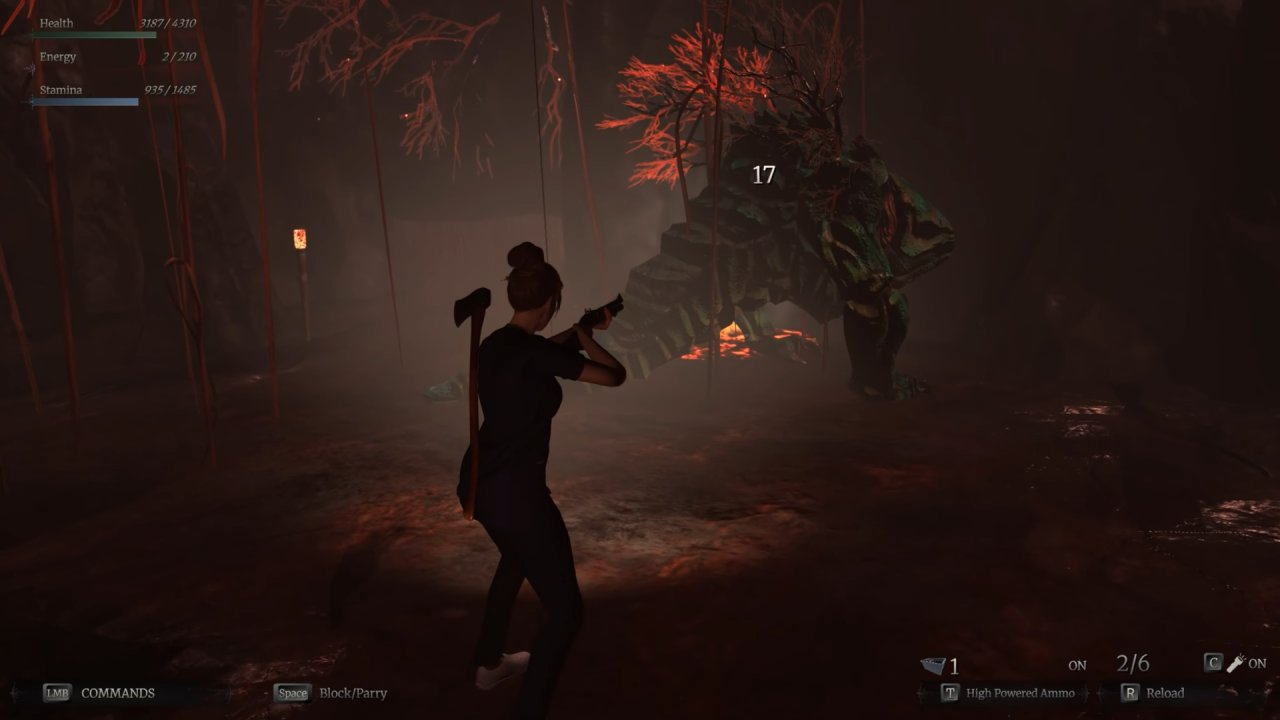
The game often displays damage numbers, completed challenges, and prizes, giving it an arcade-like feel that complements its tactical depth.
Wicked Seed looks like a Unity project for sure. Some parts of the world feel like they've been used before, and enemy animations can look stiff. A lot of enemies do nothing while your stamina is being restored, which takes away from the realism a little. But sometimes the art direction really shines, especially in lighting and mood-setting. Rain changes your fighting stats.
Going into holes stops the weather from happening. Break areas make you feel safe and on purpose. The animations for Ella are much better than those for the baddies, which helps ground the visual experience. Even though it's not groundbreaking, the presentation is good enough, and, amazingly, it was made by one person.
Surprisingly good voice acting. The dialogue doesn't feel over-the-top dramatic; it feels solid and real. During battle, the sound effects are satisfyingly punchy, especially the stagger breaks and axe killings. The music, on the other hand, can get boring after a while. It sets the mood, but it doesn't always change in response to stress.
It works, but it doesn't usually take scenes above just being background noise. Wicked Seed is the best example of how wrong first opinions can be. It might look like a low-budget indie movie made to please fans, but it's actually a very enjoyable tactical survival horror game.
Its fighting system shouldn't be this good for a project made by just one person. Managing scrap, building weapons, parrying, staggering, and changing the surroundings all work together to make an interesting loop that stays fun even after many plays. The movements of enemies could be better. The music could have more energy.
The world might look and feel different.
This is an independent gem that should be played by people who like Resident Evil, Silent Hill, or especially Parasite Eve. It respects your time, encourages you to try new things, and lets you play it again and again with New Game Plus and different levels of challenge.
It shows that passion and careful design can shine through even in a crowded independent market, which is the most important thing. At first glance, Wicked Seed might not seem like much, but if you give it a chance, it could become one of your best independent horror games.
Contributor, NoobFeed
Verdict
Wicked Seed is a surprisingly deep indie survival horror, blending tactical combat, RPG progression, and exploration. While it lacks the polish of AAA survival horrors, it more than makes up for it with its enjoyable short bursts of gameplay.
80
Related News
No Data.