
AMD Medusa Halo APUs: Zen 6 and RDNA 5 Advancements
AMD’s Medusa Halo APUs combine Zen 6 CPU cores and RDNA 5 GPU architecture to deliver unprecedented mobile and handheld performance.
Hardware by Tanvir Kabbo on Dec 05, 2025
AMD's Medusa Halo APUs are a big step forward for mobile and handheld computation. They combine Zen 6 CPU architecture with a powerful RDNA 5 GPU.
Based on what reliable industry insiders have said, the platform focuses on more cores, more cache, better IPC, and big improvements in GPU performance. As with all unannounced technology, details come from leaks and rumors, and confirmation will depend on AMD's official disclosures.
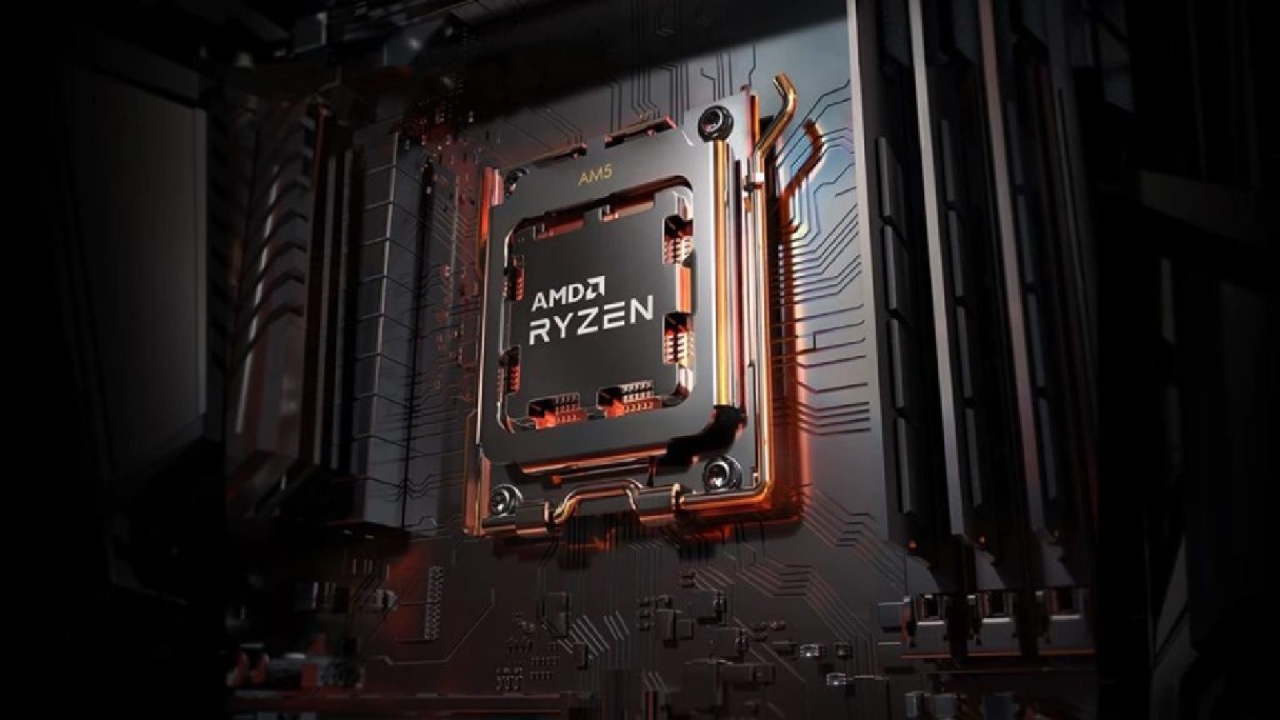
Zen 6 CPU Architecture and Core Configuration
We explore a CPU layout built around Zen6, integrating major architectural updates and an increased number of cores per CCD. Medusa Halo is described as featuring 24 CPU cores and 48 threads, supported by 96MB of L3 cache across the configuration. You notice that this cache increase aligns with the expansion in core density.
We also look at expected clock frequencies. We expect greater clock speeds than the current generation, but not as high as 6GHz on mobile, based on similar products like AI Max 395, which claims a 5.1GHz bump. We expect a large increase in IPC and a small but significant increase in frequency. We think that the desktop Zen 6 Medusa will run at about 6.2GHz to 6.3GHz when it's fully loaded.
Lower-core variations are likely due to yield concerns and product segmentation. It seems possible to have a single CCD arrangement with 12 cores, especially for mobile devices. This is only a guess, but we think it's a smart approach because it gives designers more freedom and meets market needs.
Console Context and Engine Evolution
We evaluate the expected CPU demands of next-generation consoles such as PlayStation 6 and Xbox Magnus. Early indications point to 8 to 11 Zen 6 cores per platform. Boost frequencies for consoles are unclear, but they will not mirror desktop-level peaks.
Tim Sweeney has mentioned that Unreal Engine 6 aims to address limitations found in UE5. We anticipate UE6 to appear after the PlayStation6 launches—possibly within a year—though the timeline remains uncertain. As these engines evolve, they will push hardware requirements even further, shaping expectations for Medusa Halo's performance envelope.
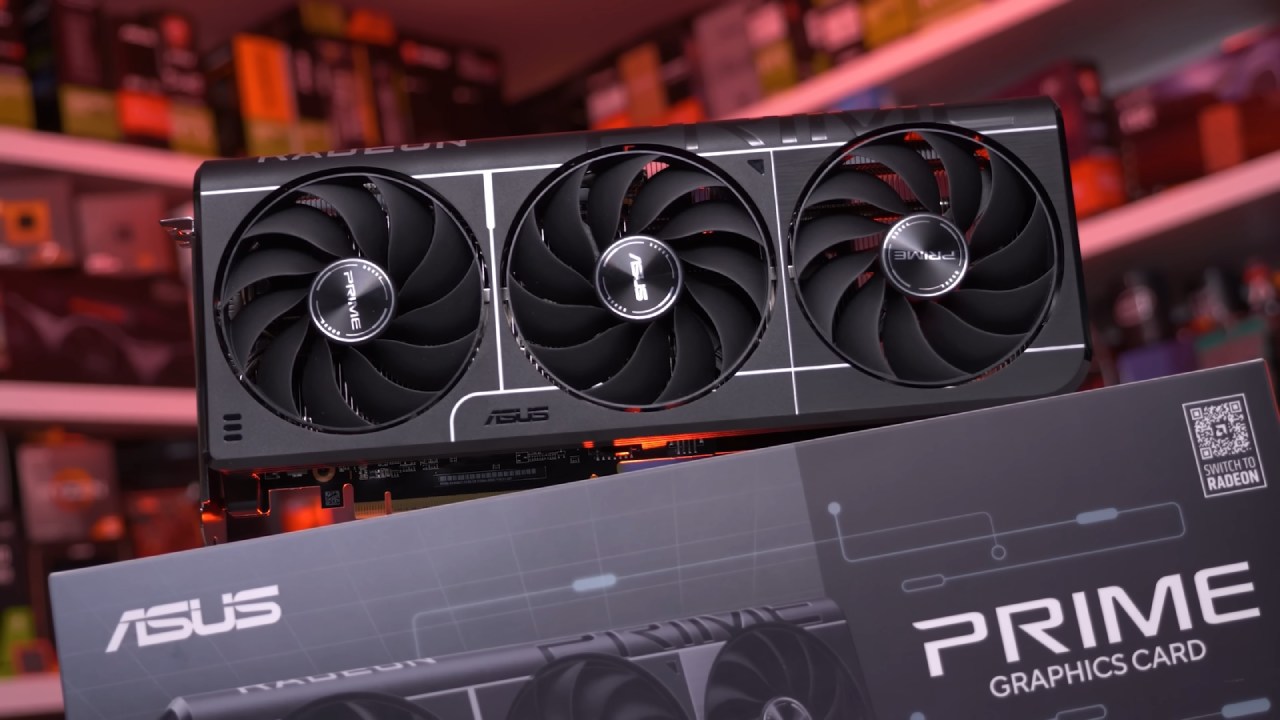
RDNA 5 GPU Architecture and Compute Design
The GPU portion of Medusa Halo centers on RDNA 5 graphics IP featuring 48 compute units. We assess that this configuration is unlikely to surpass modern mid-range discrete GPUs, such as an RTX 5070. However, we expect a substantial gain over existing integrated graphics solutions—especially for laptops targeting 1080p or 1440p gaming and for next-generation handhelds.
We don't yet have confirmed data for L2 cache sizes or GPU clock speeds. By comparison, Strix Halo uses 8MB of L2, so we anticipate Medusa Halo to exceed that—potentially 12MB, 16MB, or even 20MB—to feed the larger compute engine. Leaks surrounding RDNA 5 hint at significantly better rasterization, improved ray tracing via a dedicated co-processor, enhanced compression, and other architectural efficiencies.
Memory Configuration and Bandwidth
Medusa Halo has a 384-bit memory bus and LPDDR6 memory. Memory makers say transfer speeds of about 14,000 MT/s are possible, which is a significant increase in bandwidth over LPDDR5X.
We think that this level of throughput will be very helpful for both CPU and GPU workloads. For handhelds and mobile gaming PCs, this bandwidth advantage offers a strong foundation for higher-fidelity rendering and smoother performance.
Valve's Decard and RDNA 5 Integration
We examine early insights into Valve's hardware developments, particularly the device codenamed Decard. A lot of people have high hopes for Valve hardware, but recent news suggests the company might be planning a huge ARM-based device.RDNA 5 graphics power LITTLE design.
Reports about GPU configuration differ; one source says 8 computing units, while another says 4. There may be more than one version, or misunderstandings may have occurred during the exchange of specifications. Previous references to Soundwave often linked it to Microsoft Surface products, yet current hints imply Valve may also be involved.
The CPU structure described includes 2 Cortex performance cores and 4 Cortex efficiency cores—far more modest than Medusa Halo but appropriate for lightweight or portable systems. We think that this type of device works well with AMD's high-end APUs rather than against them.
Looking Ahead at Performance Expectations
We think about how well Medusa Halo will work on desktops, mobile devices, and handhelds. With more cores, larger cache pools, better IPC, and healthy clock scaling, CPU performance should be quite good. GPU performance, while not matching mid-range discrete cards, should still offer strong results for 1080p and 1440p gaming, especially combined with RDNA 5's architectural gains and the significant memory bandwidth provided by LPDDR6.
For desktop Zen 6, our projections point toward roughly 6.2GHz to 6.3GHz boost frequencies under heavy load. We remain open to higher figures but view them as less likely given current process node expectations.
Also, check our other AMD articles below:
- AMD Ryzen 9 9950X3D Review: Setting The Standard For 2025 Gaming CPU
- AMD Ryzen 7 9800X3D Review: 3D V-Cache Goes God Mode with Stunning Gaming Performance
- AMD RX 9070 Performance Review: Thermals, Clocks, and Real-World FPS
- AMD Ryzen 5 7600 Review: Best Budget Gaming CPU of 2025?
- AMD Radeon RX 7800 XT Review: RDNA 3 Power For Midrange Gaming
- Sapphire NITRO+ AMD Radeon RX 9070 XT Review: The Ultimate 4K Gaming GPU
- AMD Ryzen 7 7800X3D: Delivers Gaming Performance Far Beyond Expectations
- AMD Ryzen 9 7900X Review: Powering the AM5 Era with DDR5 & PCIe 5.0
- Intel Core i9‑14900K vs. AMD Ryzen 7 7800X3D: Power Profiles & Gaming Benchmarks
Senior Editor, NoobFeed
Gaming Hardware Updates
No Data.