
AMD Zen 6 CCD Leaks Reveal 12 Core Design and Larger L3 Cache
Increased core counts and cache capacity redefine performance expectations for gaming and multi-threaded workloads.
Hardware by Shinji Okazaki on Feb 03, 2026
The end of 2026 will be an important time for desktop CPUs. AMD is scheduled to ship the next generation of Ryzen CPUs, known as Ryzen 10000, in September or October.
Early reports suggest that these processors will have twice as many cores and L3 cache, which puts them in a distinct category from their predecessors right away. When you add in larger IPC increases and faster clock speeds, competing with Intel's Nova Lake S becomes a big deal.
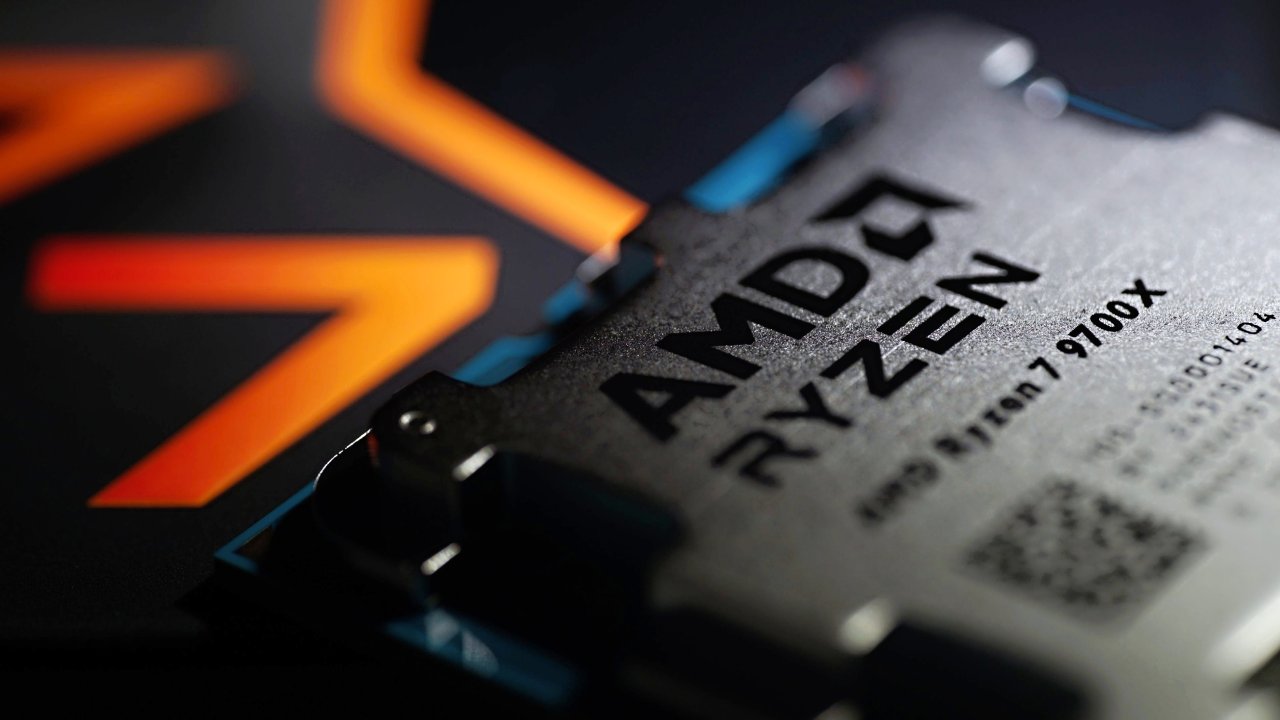
Zen 6 CCD Specs and Die Size Information
Recent HXL releases provide a detailed comparison of different generations of Zen CCDs. It is believed that Zen 6 CCDs will have 12 cores and 48 MB of L3 cache. It is said that TSMC is developing the N2 process node, which has a die size of about 76 mm². This means that Zen 6 is a little bigger than Zen 5 and Zen 4 CCDs, about the same size as Zen 2, and smaller than Zen 3. The rise in core density is what really stands out, even though the size has only grown a little.
Scaling L3 Cache and Core Count Evolution
AMD has kept 8 cores per CCD since Zen 2, although Zen 2 split cores into two complexes with distinct L3 slices. Starting with Zen 3, AMD combined the L3 cache while retaining 32MB per CCD. Zen 6 has 50% more cores and L3 cache than Zen 5. X3D variants are also likely to see similar cache scaling, which might increase the capacity of stacked V-Cache by 50% as well. There are still speculations about multi-stack cache designs. Still, it looks like setups like a redesigned 9950X3D will happen.
The Effects of SRAM Scaling and Process Nodes
One of the key things that has stopped cache from growing over time is SRAM scalability. Logic and SRAM have not grown at the same rate across all nodes, making it harder to design. According to TSMC's late 2024 datasheet, newer nodes have higher SRAM bit-cell density, with SRAM density reaching about 38 MB compared to earlier N3 and N5 nodes. Improvements in this density size help explain how AMD can add larger L3 caches to Zen 6 without making the chip too big.
Talk About Gaming Expectations and Core Values
When it comes to game CPUs, having more cores makes you wonder if the extra features are worth the extra cost. Even with V-Cache, it's getting harder to see why you should pay more for 8-core CPUs. Even though shader compilation and current tasks get better with more cores, most games still run well on 8 cores. The value proposition changes significantly if 12 cores become the new standard for high-end gaming CPUs at similar prices. In recent games, having more cores makes things less stuttery and more consistent.
The Real World of the Market and the Future of Prices
We still don't know what to expect from prices. 12-core X3D processors could replace 8-core processors at the same price. Still, market trends say otherwise. 8-core chips will likely stay pricey, 12-core chips will cost more, and 24-core flagship versions will cost even more. Even so, cores with better performance and more cores still make a difference for productivity and gaming workloads.
What I've Seen about Recent X3D Releases
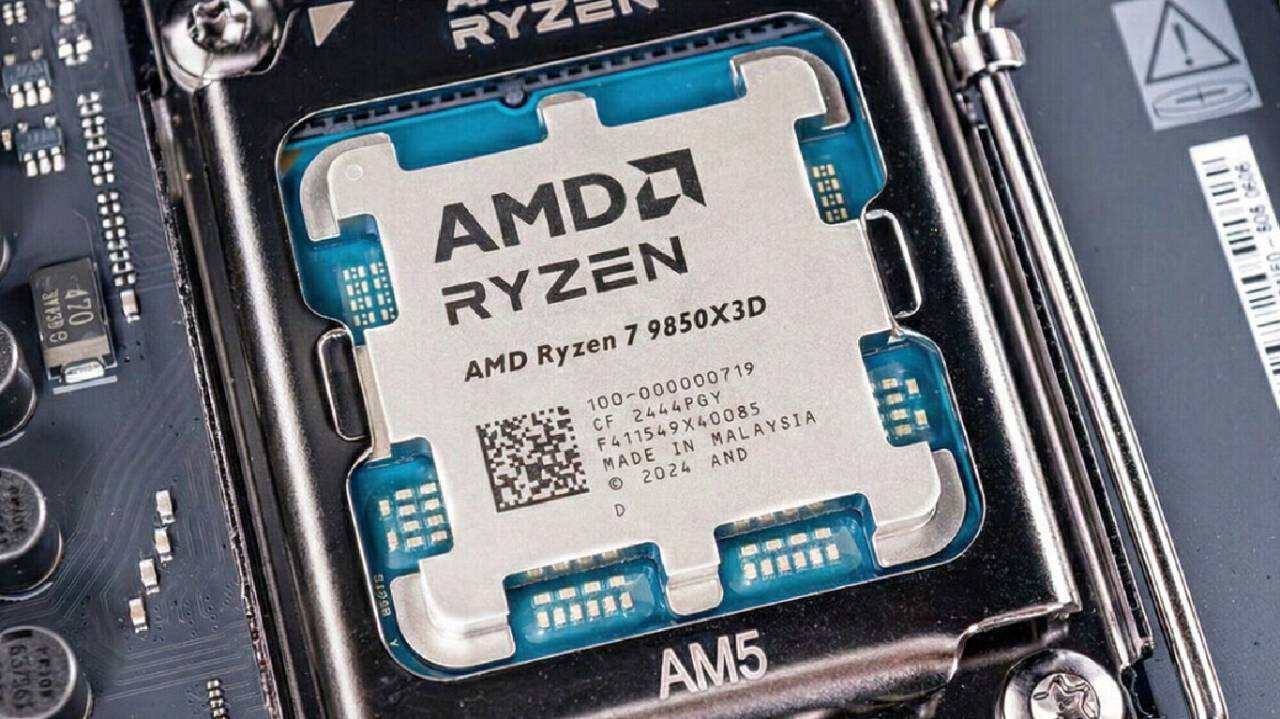
Recent assessments of the 9850X3D show it offers a few percent better performance but consumes much more power. Early results show that binning improvements are minimal, and performance is quite close to expectations. Overclocking and optimization improve, wider sample availability, and community tuning may become more evident over time.
Signs of a New Version of X3D
During partner testing, an intriguing feature emerged: a folder named 9950X3D V2 appeared during demos. It probably wasn't meant to happen, but it fits with rumors that the X3D CPU would be updated. There hasn't been much reliable information about this chip, but it will come out at the same time as Intel's refresh cycle. AMD is spacing its launches rather than releasing all its versions at once.
Final Thoughts
Zen 6 is a single-platform move that includes higher IPC, larger caches, better SRAM scalability, and greater core density. The fact that the CCD size only increased a little while the specifications saw a big boost shows how much AMD is getting out of newer process nodes. As more specific information comes out, benchmarks and prices will determine how useful Zen 6 really is. For now, the architectural orientation alone makes it clear that anyone interested in desktop CPU development will be keeping a close eye on late 2026.
Also, check our other AMD articles below:
- AMD Ryzen 9 9950X3D Review: Setting The Standard For 2025 Gaming CPU
- AMD Ryzen 7 9800X3D Review: 3D V-Cache Goes God Mode with Stunning Gaming Performance
- AMD RX 9070 Performance Review: Thermals, Clocks, and Real-World FPS
- AMD Ryzen 5 7600 Review: Best Budget Gaming CPU of 2025?
- AMD Radeon RX 7800 XT Review: RDNA 3 Power For Midrange Gaming
- Sapphire NITRO+ AMD Radeon RX 9070 XT Review: The Ultimate 4K Gaming GPU
- AMD Ryzen 7 7800X3D: Delivers Gaming Performance Far Beyond Expectations
- AMD Ryzen 9 7900X Review: Powering the AM5 Era with DDR5 & PCIe 5.0
- Intel Core i9‑14900K vs. AMD Ryzen 7 7800X3D: Power Profiles & Gaming Benchmarks
Editor, NoobFeed
Gaming Hardware Updates
No Data.