
Gaming Laptops vs. Handheld PCs in 2026: Which One Should You Choose?
A new generation of gamers needs laptops that handle both schoolwork and high-performance gaming in a single device.
Hardware by Mitsuba Miyu on Mar 01, 2026
People often wonder what the point of gaming computers is in 2026, when handheld gaming PCs and consoles are getting so much better. It might be hard to see why you would want a game laptop when devices like the Steam Deck and new consoles offer such great gaming experiences.
Even though this is how people think, a huge number of game laptops are still sold, especially those with AMD Ryzen processors and Nvidia GPUs. In many ways, their pace is getting faster, not slower.
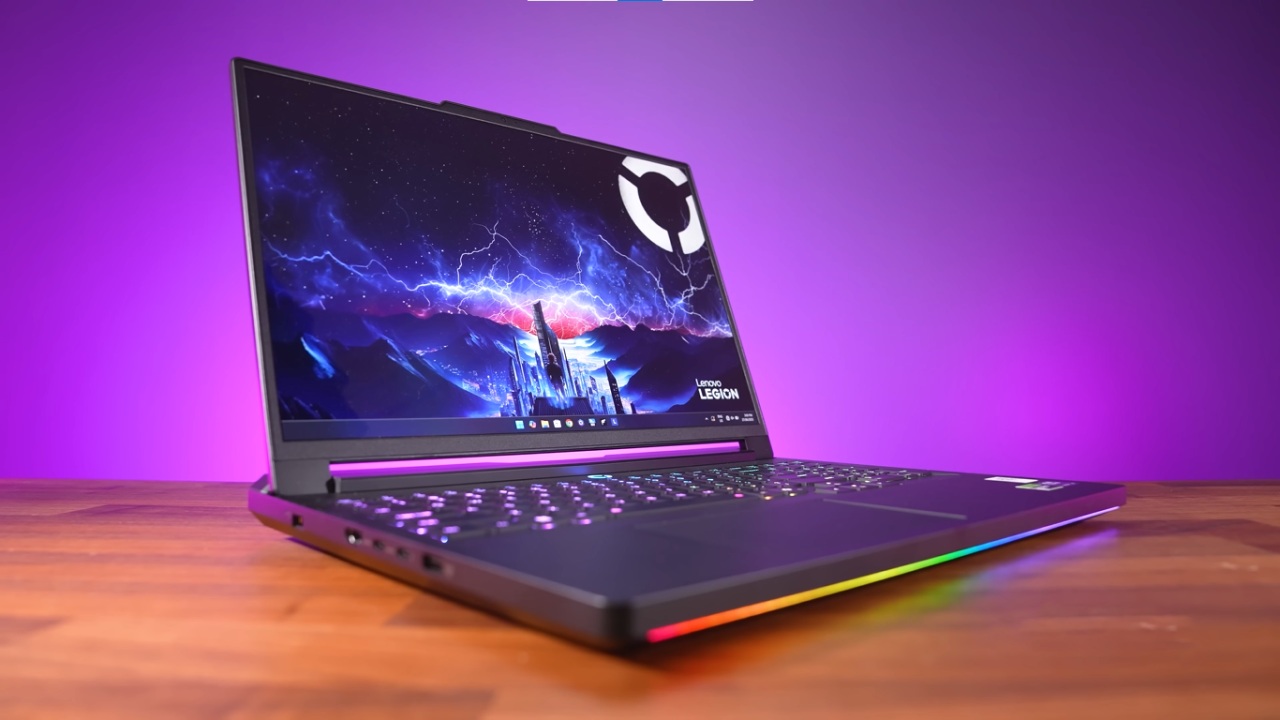
A Generation That Needs One Device for Everything
The usefulness of gaming laptops is a major driver of their growth. Another group of gamers is going from being teenagers to college and their first jobs. A lot of people need laptops for work or school, and also want to play new games on them.
There are real problems with space. Not everyone has space for a full desktop setup, and not everyone likes having a lot of gadgets around them.
A lot of the time, we forget how useful an all-in-one gadget can be. A handheld PC for gaming can't really replace a workstation. You can play games on it, but it's not great for writing papers, taking notes in class, coding, or doing work-related tasks.
That hole is filled by a gaming laptop. You don't have to switch gadgets to go to class, do your homework, edit media, and then start a hard game.
Screen Size, Comfort, and Ageing Eyes
There's also the question of being comfortable. As people get older, their eyesight changes, making it harder to use small handheld computers. Even though handheld gaming is fun, it can be hard to focus on a small screen that is close to your face. It is much easier to use a laptop with a bigger screen.
Many modern gaming laptops feature high-end screens, such as OLED displays that offer bright colours and good contrast. These happen much more often on laptops than on handheld game gear.
There is a significant difference in quality between a 16- or 17-inch high-refresh OLED panel and a smaller mini-screen. For many users, that change is reason enough to upgrade.
Performance Gap Between Handhelds and Laptops
Before new chip architectures like Intel's Panther Lake were released, there was a significant speed difference between gaming laptops and handheld PCs. Even now, laptops still have a big edge in raw power. Dedicated mobile GPUs, especially mid-range and higher models, perform much better than built-in handheld options.
We didn't consider gaming laptops for a long time because they were more expensive than building a desktop. The market has changed, though. As memory and supply become more limited, making a desktop isn't always the most cost-effective option it used to be.
More and more laptops come with a screen, keyboard, processor, and specialised GPU with separate VRAM, all in one package.
We don't have to go after the most expensive models with mobile RTX 5090-class tech. Those machines are still hard to find and expensive. In contrast, mid-range and low-end gaming laptops can offer a great light-to-moderate gameplay experience at a more accessible price.
VRAM is still the biggest worry. Many mobile GPUs still come with 8GB of memory, which can feel limited in new games. It is best to choose setups with more than 8GB VRAM if you can.
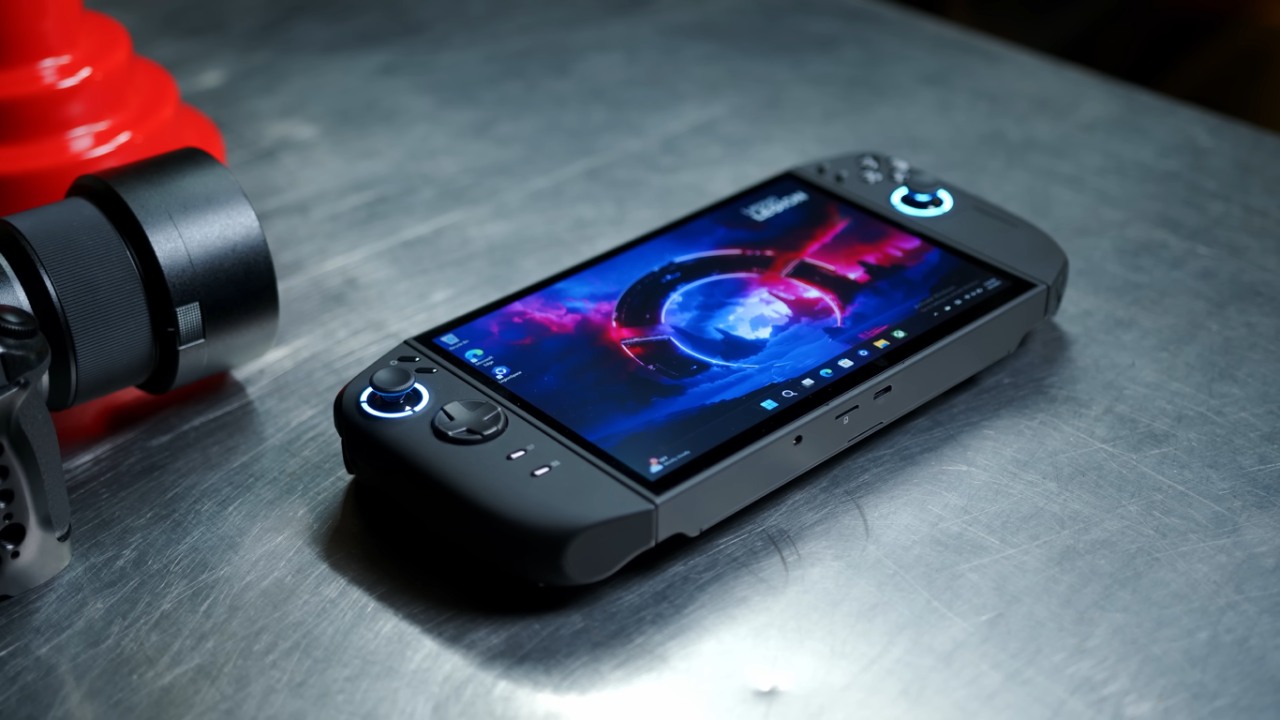
Desktop Replacement Experience
Handheld gaming PCs and gaming computers are very different. With its built-in controls and small screen, a handheld gives you a close-up, realistic experience. A game laptop works the same way as a desktop PC. You can hook up a keyboard and mouse or a controller if you'd rather, and the screen will be much bigger.
That is very important, and we shouldn't forget that. With a gamepad, not everyone wants to hold a gadget close to their face. For many, traditional PC game ergonomics are better. You can play games on almost any surface with a laptop, and in the best setups, they can even compete with desktop computers.
It's important to remember how far these tools have come. Older game laptops were big and hard to carry around. Desktop replacement systems from the beginning were very heavy, featured modular GPUs, multiple optical drive bays, RAID 0 storage sets, and up to seven fans.
They used desktop CPUs like a 3.6GHz Pentium 4. They were big, loud, and thick. At that age, people were ambitious but gave up portability.
Today's gaming computers are much thinner and lighter. The battery life is fine when you're not gaming. Many models no longer look overly aggressive or too much, so they can be used as normal tools.
Price Comparisons and Market Reality
Some of the best handheld game PCs cost close to $1,000. At about the same price, full-game laptops with GPUs like the RTX 4050 or RTX 4060 have appeared during big sales. When you think about speed, screen size, input options, and the ability to upgrade, it's easy to see why many buyers choose laptops instead.
You get a bigger screen, better cooling, better long-term performance, and more ways to use it. The value proposition often supports the laptop, especially for people who need to work and play games.
Diversity and Innovation in the Segment
The game laptop market has always been open to new ideas. There have been extreme examples, such as curved-screen models with huge 21-inch screens and crazy body designs, like the Acer Predator 21X. Some systems even had docking options that used water cooling to keep mobile GPUs running at higher speeds.
Even though these tools are rare and expensive, they demonstrate the breadth of the market. There is a wide range of options, from ultraportable, thin, and light game laptops to high-end desktop replacements.
Final Thoughts
Various gadgets are used for various tasks. Handheld game PCs are great for quick sessions and for taking them with you. Consoles make it easy to play games on your TV and give you good performance. Desktops are still the best for speed and upgrades.
But gaming computers occupy a special, stable middle ground. They offer portability, gaming features similar to those of a desktop, work tools, and increasingly competitive prices, all in one device. We may have a preference for one form factor over another.
However, the continued high demand for gaming computers shows their purpose. There is no need for them in 2026. They are changing, useful, and, for many users, the best option that strikes a good balance.
Also, check our other hardware articles:
- AMD Ryzen 9 9950X3D Review: Setting The Standard For 2025 Gaming CPU
- Amazon Luna 2025 Review: Is Prime Gaming's Cloud Service Your Go-To For Casual Fun?
- AMD RX 9070 XT Review: AMD's RDNA 4 Champion for 1440p Gaming
- GeForce Now Ultimate: Ditching Your Gaming PC For Cloud RTX 4080 Power?
- NVIDIA GeForce RTX 5080 Review (2025): Still A 4K Gaming Powerhouse?
- Intel Core Ultra 9 285K Review And Performance Breakdown (2025)
- AMD Ryzen 7 9800X3D Review: 3D V-Cache Goes God Mode with Stunning Gaming Performance
- Intel Core Ultra 9 285K vs AMD Ryzen 7 9800X3D: In-Depth Gaming Performance and Benchmark Comparison
- NVIDIA GeForce RTX 5080 Super Performance In Cyberpunk 2077: Path Tracing & DLSS 4.0 Tested
- AMD Radeon RX 9070 XT In Cyberpunk 2077: Ray Tracing & FSR 4.0 Tested
- Intel Arc B580 Review: The $250 GPU Revolutionizing 1440p Gaming
- Intel Arc B570 Vs. B580: Value, Specs, And Real-World Gaming Performance
- RTX 5090 Laptop Vs. M4 Max MacBook Pro: Ultimate Raw Performance Vs. Battery Endurance
- Intel Arc b580 Vs. RTX 4060: Game Performance And Value Analysis
- RTX5090 Hell Is Us Demo 4K Ultra Benchmark: DLSS Vs. Native Performance Guide
- NVIDIA RTX 5070 Review: Mid-Range Muscle or Marketing Hype?
- Nintendo Switch 2 Review: Handheld Performance, Features & Value Breakdown
- RTX 5070 Ti Review: Performance, Thermals & Power Efficiency Tested
- Samsung Odyssey OLED G81SF Review 2025: Ultimate 32-Inch QD-OLED Gaming Monitor
- AMD RX 9070 Performance Review: Thermals, Clocks, and Real-World FPS
- AMD Ryzen 5 7600 Review: Best Budget Gaming CPU of 2025?
- AMD Radeon RX 7800 XT Review: RDNA 3 Power For Midrange Gaming
- Asus ROG RTX 5090 Astral OC Vs. Founders Edition: The 4K Gaming Benchmark
Editor, NoobFeed
Gaming Hardware Updates
No Data.