
Intel’s Path to Redemption: Can They Ever Beat AMD Again?
AMD’s Ryzen 3D V-Cache processors redefined gaming performance and efficiency in the competitive CPU market.
Hardware by Masaru Hoshino on Oct 26, 2025
For years, Intel has been the dominant force in the world of desktop CPUs. From the golden age of the Core i5 and i7 series to the rise of affordable high-performance gaming PCs, Intel was once the undisputed leader. But as times have changed, so too has the CPU landscape.
AMD, once dismissed as the underdog, has become the driving force of innovation in desktop gaming. To understand how we got here and where Intel might go next, it’s worth looking back at how it all began and what might lie ahead.
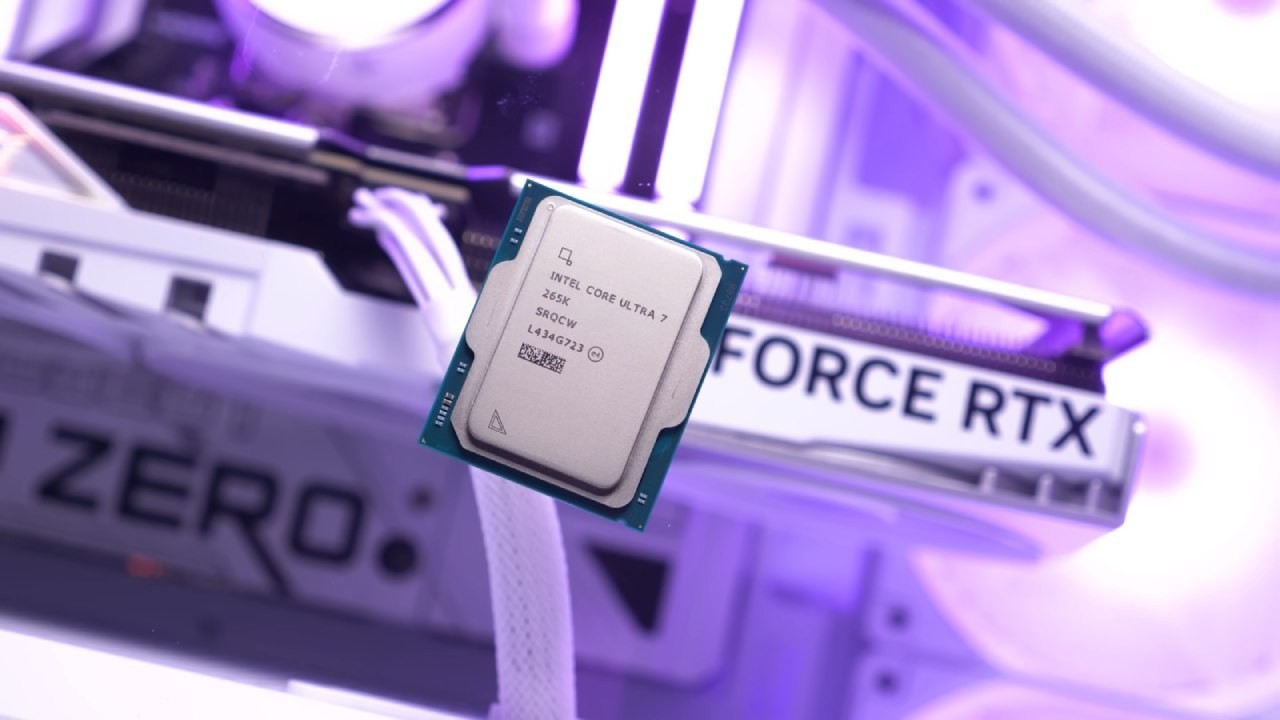
Golden Age of Intel Dominance
The story begins with what many still consider one of the greatest gaming CPUs ever made — the Intel Core i5-2500K. This 4-core processor offered incredible gaming performance for its time and gave everyday gamers access to premium performance without breaking the bank. Overclocking was easy, power consumption was manageable, and games rarely demanded more than a couple of cores.
For years, Intel maintained its advantage through superior single-core performance. Even though innovation slowed, each new generation remained the best choice for gaming. However, by the time we reached the Kaby Lake i5-7600, cracks were beginning to show. Intel continued releasing 4-core chips while competition was virtually non-existent.
AMD Enters the Fight
Everything changed when AMD launched Ryzen. The Ryzen 7 1800X brought 8 cores to the mainstream for the first time, doubling what Intel offered. While it wasn’t the fastest gaming CPU at the time, it was a clear sign that AMD was no longer content to play second fiddle.
Two years later, AMD pushed further with 16-core CPUs that started closing the gap in single-threaded performance.
Meanwhile, Intel was slow to react. Even as AMD offered more cores and maintained socket compatibility with BIOS updates, Intel continued to refresh older architectures. The final standout from Intel’s lineup was arguably the Core i9-10900K, a 10-core chip that pushed gaming performance to new heights. Yet, what followed showed Intel losing its footing.
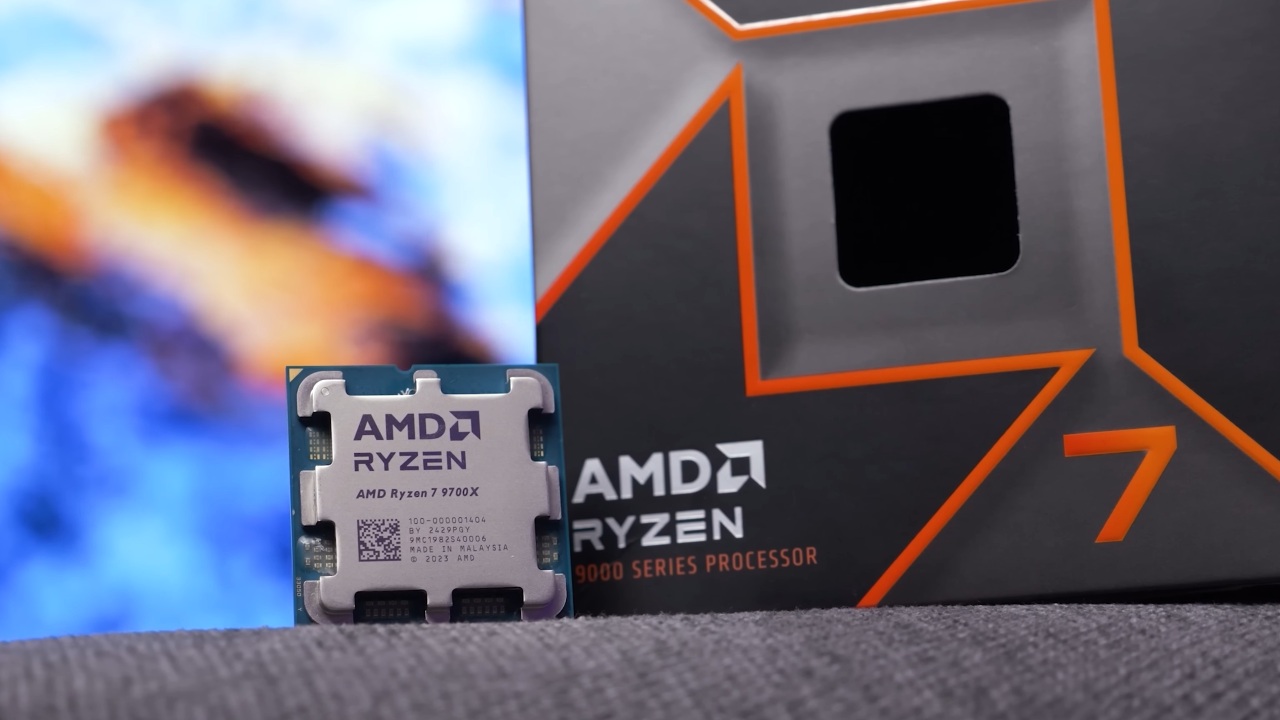
Turning Point
Intel’s next-generation chips tried something new with hybrid designs combining performance and efficiency cores. While this approach worked well for productivity and laptops, it added little value for gaming desktops. At the same time, AMD released the Ryzen 7 5800X3D, which used 3D V-Cache technology to deliver the best gaming performance on the market.
Then came the problems with Intel’s 13th-gen CPUs. Despite strong launch performance, reports of instability and failing CPUs began to surface. AMD took advantage, introducing the AM5 platform and the Ryzen 7 7800X3D — a chip that redefined gaming performance and efficiency. Even now, it remains one of the best CPUs for gaming, showing how far Intel had fallen behind.
Intel’s Core Ultra Struggles
The launch of Intel Core Ultra aimed to regain lost ground, but the results were mixed. The chips offered better power efficiency, yet somehow consumed more watts than AMD’s 7800X3D while delivering lower gaming performance. To Intel’s credit, ongoing updates, new modes, and aggressive pricing have improved things somewhat. However, when pure gaming performance is the goal, AMD continues to lead the way.
It’s unfortunate, considering that the innovation we see in today’s AMD processors was originally driven by fierce competition with Intel. Without that balance, gamers risk losing the benefits of performance leaps and fair pricing.
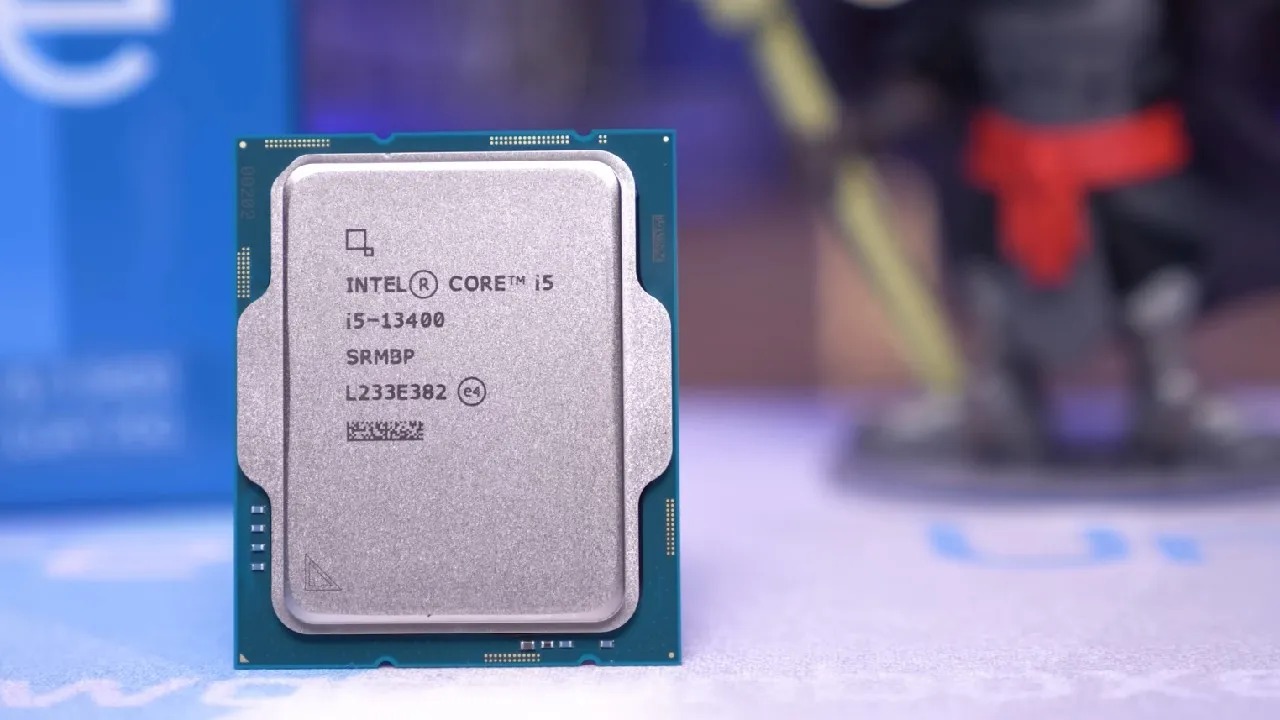
Looking Toward the Future: Panther Lake and Beyond
Intel’s future now hinges on its new 2nm Panther Lake architecture. The company is focusing heavily on mobile chips, doubling core counts on thin-and-light laptops from 8 to 16, and upgrading graphics performance by 50%. With support for up to 128GB DDR5 memory and 10% faster single-core performance, these improvements could set the stage for a desktop comeback.
If Intel can adapt these innovations to desktop CPUs, we could see smaller, more efficient cores with enhanced cache and power delivery. That could help close the performance gap with AMD, especially if Intel finally introduces its own version of 3D V-Cache technology.
What Intel Needs to Do
For Intel to truly return to form, three major things need to happen.
Intel needs to produce CPUs that can match or surpass AMD’s best offerings. If that means adopting cache stacking or rethinking its hybrid core design, then so be it. Gamers want the fastest and most reliable performance possible.
AMD has built trust by offering multi-generation compatibility for its motherboards. Intel must do the same. Gamers should be able to upgrade their CPUs over time without replacing expensive motherboards.
After years of reliability issues, confusing product names, and high platform costs, Intel must work to win back loyalty. Gamers need confidence that their investment in Intel hardware will last and perform consistently.
Time Is Running Out
While Intel’s name still dominates pre-built systems and OEM markets, its long-term position isn’t guaranteed. AMD’s continued success could easily shift the balance if Intel doesn’t act fast. However, Intel’s US-based foundries and control over both design and manufacturing could become a major advantage, especially as global supply chains remain unpredictable.
It’s clear that Intel still has the resources, talent, and infrastructure to make a comeback. The question is whether it can translate those strengths into products that excite gamers again. With new technologies like multi-frame generation (MFG) and open tools like PresentMon, Intel shows it’s still innovating.

Final Thoughts
We’ve seen Intel at the top, and we’ve seen it stumble. The company’s recent struggles don’t mean it’s finished — far from it. With massive investment, a renewed focus on advanced architectures, and lessons learned from past missteps, Intel has a chance to reclaim its place as a true gaming leader.
The road ahead won’t be easy. But as long as competition continues to thrive, both Intel and AMD will keep pushing boundaries, ensuring gamers get faster, more efficient, and more affordable hardware for years to come.
Also, check our other Intel articles:
- Intel Core Ultra 9 285K Review And Performance Breakdown (2025)
- Intel Core Ultra 9 285K vs AMD Ryzen 7 9800X3D: In-Depth Gaming Performance and Benchmark Comparison
- Intel Core i5-13400F Gaming Performance: Still Worth It in 2025?
- Intel Core i9‑14900K vs. AMD Ryzen 7 7800X3D: Power Profiles & Gaming Benchmarks
- Intel Core i9 14900K: Specs, Benchmarks, and Competitor Comparison
- Intel Core Ultra 5 245K Review: Gaming, Productivity & Power Efficiency Tested
- Intel Core Ultra 9 285 K's iGPU Gaming: In-Depth Benchmarks & Analysis
- Intel vs. AMD Gaming Laptop: Performance, Thermals & Battery Life Compared
- AMD Ryzen 7 9800X3D vs.7800X3D vs. Intel Core Ultra 7 265K: Gaming, Thermals & Price Analysis
Editor, NoobFeed
Gaming Hardware Updates
No Data.