
Intel Core i5-13400 vs. AMD Ryzen 7 5700X: CPU and GPU Scaling Analysis
Ryzen 7 5700X consistently provides superior value with stronger cost-per-frame efficiency compared to Intel’s Core i5-13400.
Hardware by Masaru Hoshino on Aug 23, 2025
Intel Core i5-13400 and AMD Ryzen 7 5700X are two CPUs that sit in a similar price bracket, yet bring different strengths to the table. On paper, the Core i5-13400 looks appealing with its hybrid architecture of 6P-cores and 4E-cores, alongside a 20MB L3 cache.
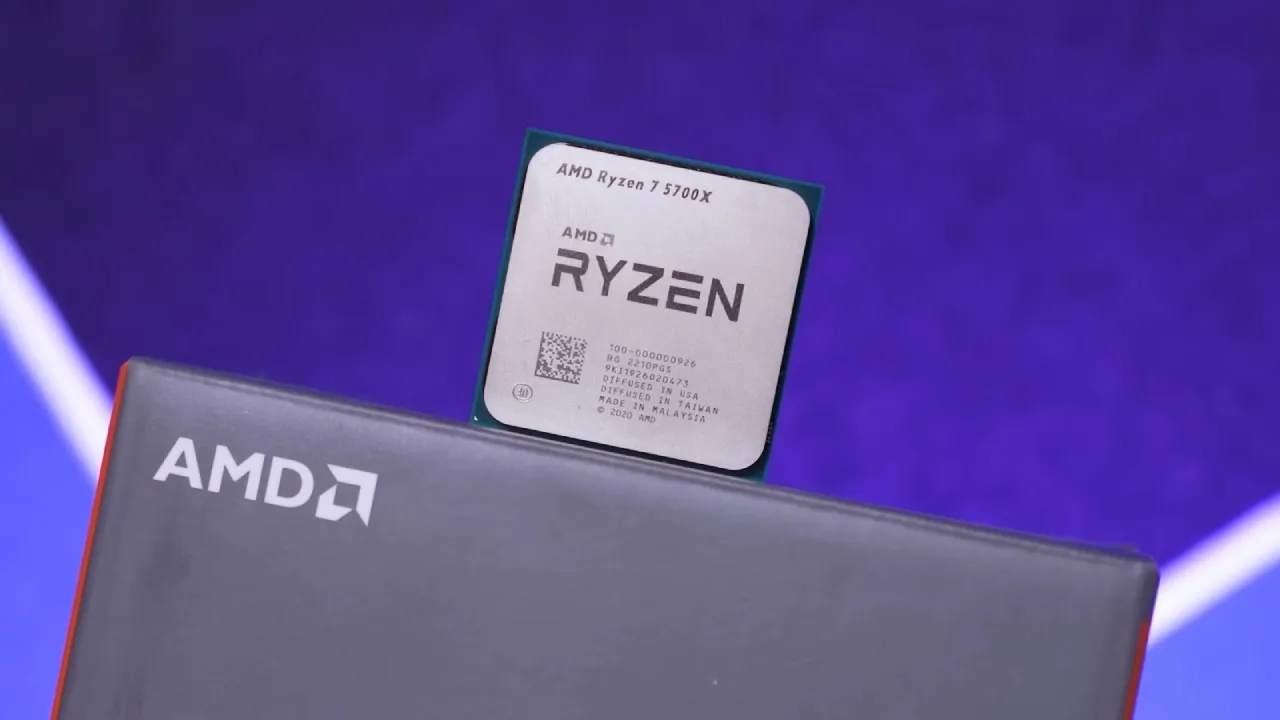
However, it shares several similarities with the older Core i5-12600K, with slightly lower clock speeds and reduced integrated graphics power. Ryzen 7 5700X, on the other hand, remains a strong competitor with lower pricing and proven gaming performance.
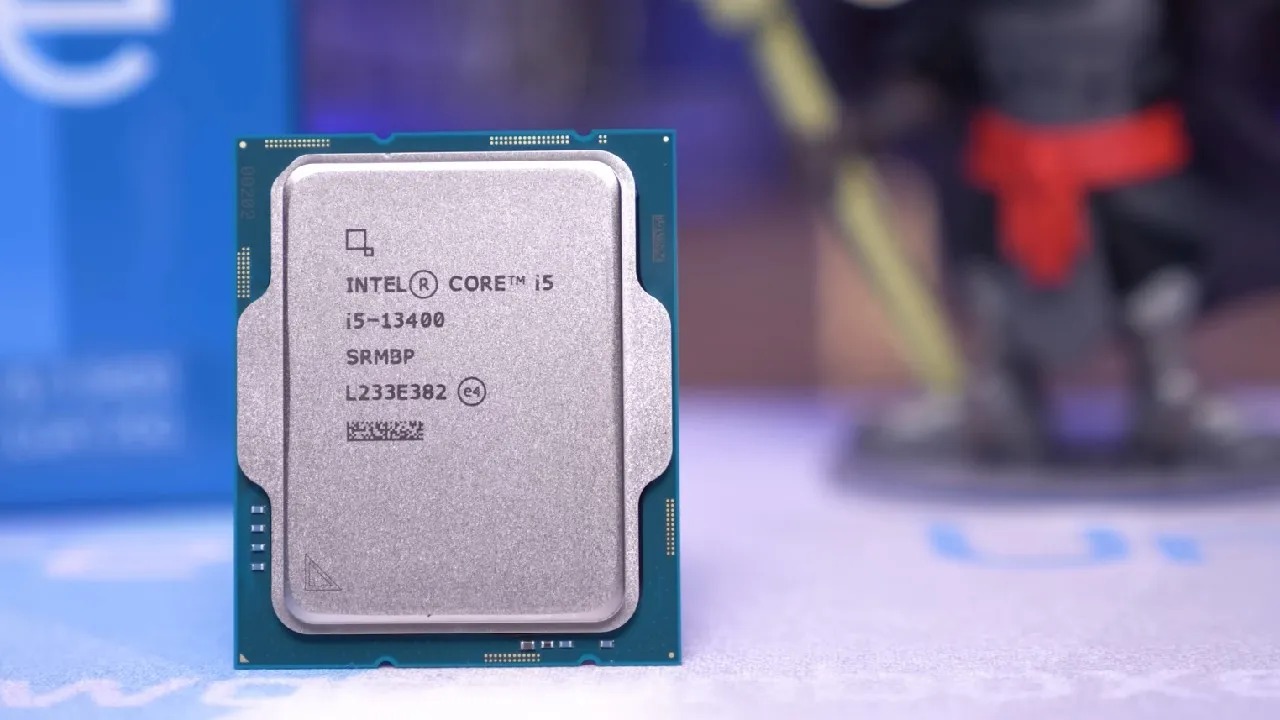
Both CPUs were tested across 12 modern titles paired with various GPUs, including RX 6650XT, RX 6950XT, and RTX 4090, to evaluate their performance scaling and value proposition.
Test System and Setup
The focus of testing was gaming performance at 1080p to minimize GPU bottlenecks and highlight CPU differences. We paired the CPUs with DDR4 memory, specifically a 32GB G.Skill Ripjaws V kit running at 3600CL16. Intel’s locked processors, including Core i5-13400, are limited in memory tuning and were tested at 3466MHz for optimal gear 1 operation.
Meanwhile, Ryzen processors ran at the full 3600MHz CL16 specification. All tests were conducted under stock settings without overclocking, since Intel’s 13th-gen locked parts disable this functionality.
Game Benchmarks
Watch Dogs: Legion
All of the performances were quite competitive. Results were about the same with RX 6650XT, with 13400 only 1.5% faster than 5700X. The 13400 only managed a 5% edge over the Ryzen 5 5600, indicating a negligible practical difference.
Total War: Warhammer III
With RX 6650XT and RX 6950XT, results were GPU-limited at around 81fps and 180fps, respectively. It wasn’t until the RTX 4090 was introduced that CPU limits emerged, where 13400 outperformed 5700X by 9%.
Hitman 3
A unique driver limitation caused RTX 4090 results to lag behind AMD’s RX 6950XT at 1080p. Regardless, all CPUs performed very closely, with no major differentiating factor in average frame rates.

A Plague Tale: Requiem
With RX 6650XT, performance was capped at 68 fps across CPUs. With higher-end GPUs, 13400 and 5700X matched, while Ryzen 5 5600 dropped off significantly under the overhead of RTX 4090.
Modern Warfare 2 (Multiplayer)
At 1080p competitive settings, GPU bottlenecks kept performance similar with the RX 6650XT. However, with RX 6950XT, 5700X pulled ahead massively, being 37% faster than 13400.
Marvel’s Spider-Man: Remastered
This title is highly CPU-limited, particularly with ray tracing. 13400 outperformed 5700X by 13% when paired with RTX 4090, highlighting Intel’s memory performance advantage.
Shadow of the Tomb Raider
Results were GPU-limited with RX 6650XT, but at higher-end GPUs, 13400 and 5700X tied with an 8% lead over Ryzen 5 5600 and i5-12400.
Horizon Zero Dawn
AMD CPUs showed dominance here, with 5700X 17% faster than 13400 when paired with RTX 4090, and 9% faster with RX 6950XT.
Cyberpunk 2077
Using RX 6950XT, 13400 edged past 5700X by 6%. However, overall margins were small, with all CPUs delivering similar gameplay.
Assetto Corsa Competizione
In this CPU-intensive scenario, the 5700X obviously benefited from its greater core count and frequency, maintaining a 7–10% advantage over the 13400.

The Riftbreaker
There was an intriguing division. Both CPUs tied at 140 frames per second with the RX 6950XT. However, with RTX 4090, 13400 surged ahead by 18%, showing better scaling under Nvidia’s driver.
Counter-Strike: Global Offensive
5700X led by 13-16% in this CPU-limited game. 13400 struggled more with RTX 4090 in terms of 1% lows, though on Radeon GPUs, differences were minor.
12-Game Average Performance
Across all tested titles, Core i5-13400 and Ryzen 7 5700X averaged nearly identical performance. With RTX 4090, 5700X was just 2% faster, 3% faster with RX 6950XT, and again 2% faster with RX 6650XT. Effectively, both CPUs performed the same in gaming.
Compared to its predecessor, i5-12400, the new 13400 was only 4% faster. Against the Ryzen 5 5600, the margin was again very slim despite costing significantly more.
Cost Per Frame Analysis
When only CPU cost is considered, Ryzen 5 5600 stands out as the best value, offering over 20% more value than i5-12400 and over 40% more than i5-13400. Ryzen 7 5700X also provides significantly better value than i5-13400, cutting cost-per-frame by 27%.
Even when considering motherboards and memory, 5700X maintains its superior position due to the affordability of the AM4 platform.
Final Thoughts
Core i5-13400 essentially launches into an already crowded space without delivering compelling reasons to choose it. For gaming, it is nearly identical to the 5700X, yet costs more. From a value perspective, Ryzen 5 5600 and Ryzen 7 5700X dominate, while Intel’s i5-13400 is overshadowed by its i5-12400 and the stronger i5-13500.
If you are seeking the best budget gaming value, the Ryzen 7 5700X at $180 is unbeatable. For productivity and hybrid performance, the i5-13500 at $250 makes far more sense.
Ryzen 5 7600, on the other hand, offers longer platform support and better gaming performance despite being more expensive. Comparing the Core i5-13400 to these options, it is still a bad option unless it falls below at least $180.
Check Our Other Intel Chips Articles:
- Intel Core Ultra 9 285K Review And Performance Breakdown (2025)
- Intel Core Ultra 9 285K vs AMD Ryzen 7 9800X3D: In-Depth Gaming Performance and Benchmark Comparison
- Intel Core i5-13400F Gaming Performance: Still Worth It in 2025?
- Intel Core i9‑14900K vs. AMD Ryzen 7 7800X3D: Power Profiles & Gaming Benchmarks
- Intel Core i9 14900K: Specs, Benchmarks, and Competitor Comparison
- Intel Core Ultra 5 245K Review: Gaming, Productivity & Power Efficiency Tested
- Intel Core Ultra 9 285 K's iGPU Gaming: In-Depth Benchmarks & Analysis
- Intel vs. AMD Gaming Laptop: Performance, Thermals & Battery Life Compared
- AMD Ryzen 7 9800X3D vs.7800X3D vs. Intel Core Ultra 7 265K: Gaming, Thermals & Price Analysis
Editor, NoobFeed
Gaming Hardware Updates
No Data.