
Nintendo Switch 2 Graphics Debate Distracting Everyone From What Really Matters
Online debates about graphics and performance are missing what the Switch 2 is actually built for.
Opinion by Mahi Araf on Feb 11, 2026
If you have been spending any time online lately, especially in gaming circles, you have probably noticed something strange happening around the Nintendo Switch 2. Instead of celebrating how far Nintendo has come with its next hybrid system, a lot of people seem obsessed with comparing it to the PlayStation 5, high-end PCs, and other powerful consoles.
You are seeing people argue about hair textures, missing visual effects, and tiny graphical details, as if the Switch 2 was ever meant to compete directly with massive home consoles. It feels like the system is being asked to "prove itself" all over again, even though Nintendo already proved this concept once with the original Switch.
Back when the first Switch launched, it was nowhere near as powerful as the PlayStation 4 or Xbox One. AAA games were rare at launch, and when they did show up, they often had issues. Yet, despite all of that, people still bought it in huge numbers. They chose portability, convenience, and Nintendo’s first-party games over raw power.
That made the Switch one of the best-selling consoles of all time.
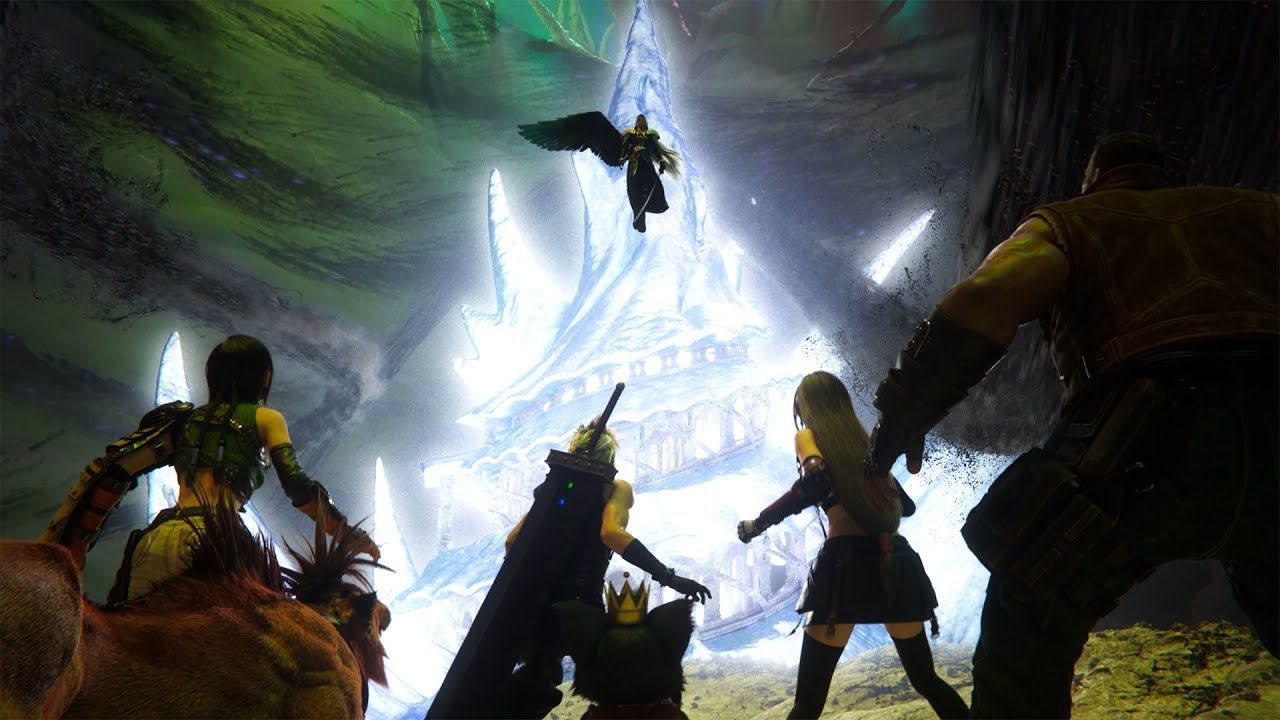
Now, with the Switch 2, things are already looking different. You are seeing stronger third-party support right out of the gate. Capcom is bringing major titles. Square Enix is supporting the platform with Final Fantasy games.
The performance gap between Nintendo and other platforms is smaller than it has ever been. And yet, instead of focusing on that progress, many online discussions seem stuck on what the system cannot do.
One of the strangest trends right now is what people are calling "Switch 2 Hairgate." You have probably seen it. Side-by-side comparisons of PS5 or Xbox Series X versions versus Switch 2 versions, with everyone zooming in on character hair and complaining that it looks less detailed. Not the gameplay. Not the frame rate. Not stability. The hair.
It gets even more ridiculous when you remember that many players already use performance modes on systems like the PS5, which reduce visual quality for smoother gameplay. If you have ever played Final Fantasy VII Remake in performance mode, you know the hair and textures already take a hit. Yet nobody calls that unplayable.
You are talking about a small, tablet-sized system being compared to a large, expensive home console.
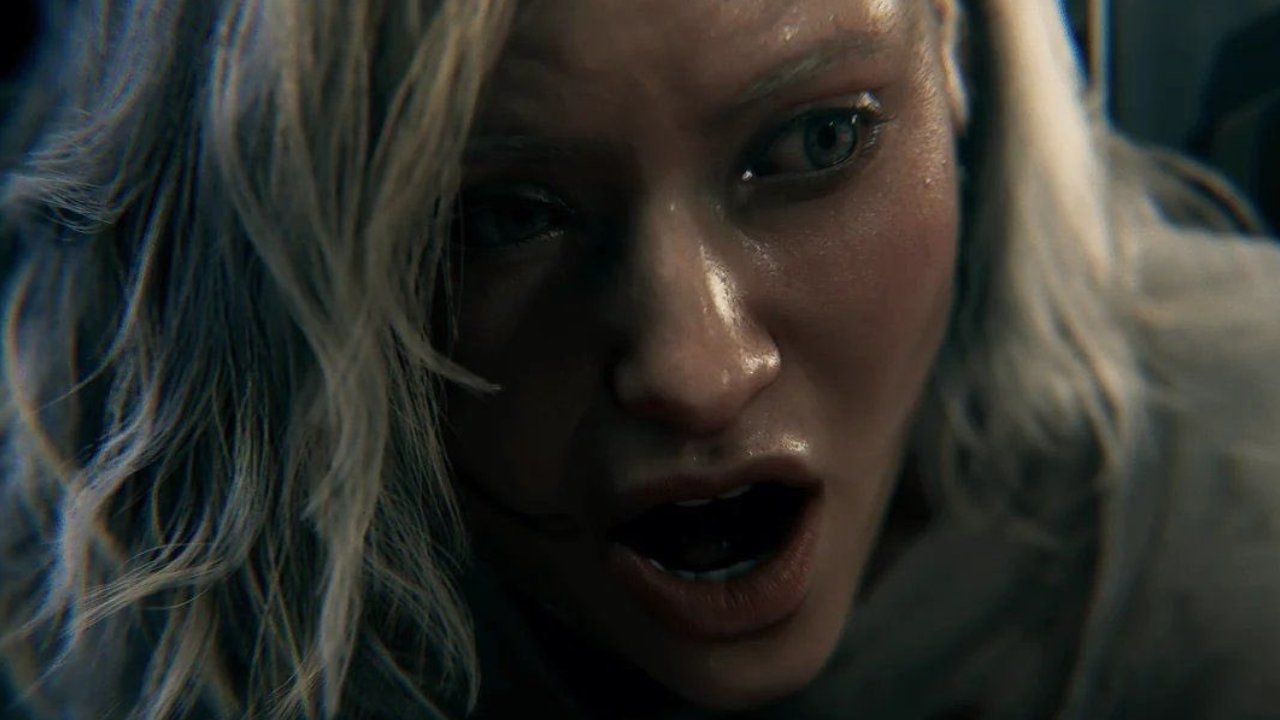
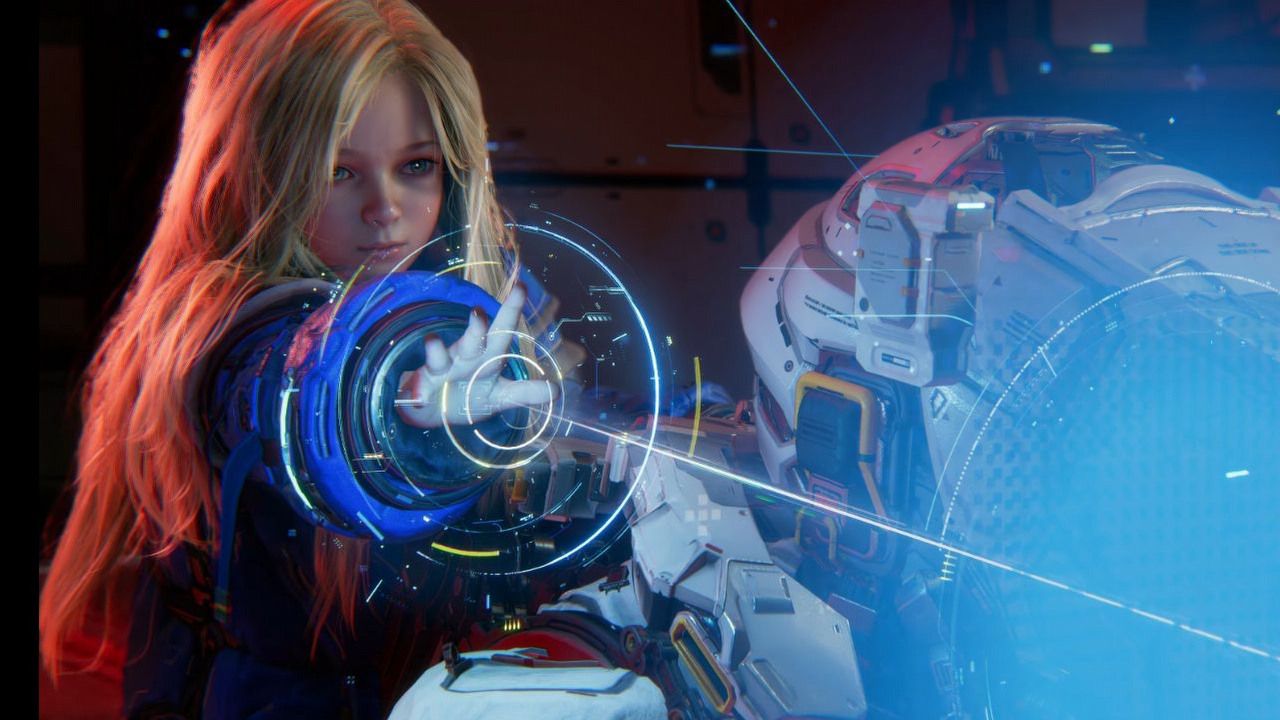
Of course the PS5 looks better. Of course a high-end PC wins in raw power. That was never in question. Almost nobody realistically expects the Switch 2 to match those machines. What people expect is that it can run modern games well enough to be enjoyable. And so far, based on demos like Pragmata and upcoming releases like Resident Evil, it seems to be doing exactly that.
Another point that often gets ignored is why some games are even coming to Switch 2 in the first place. When a title like Final Fantasy VII Rebirth goes multiplatform, it is not some kind of betrayal. It usually means the developer needs more sales to cover massive development costs. If exclusivity alone was enough, these games would stay locked to one platform forever.
From your perspective as a gamer, more options are almost always a good thing. You get to choose where and how you want to play. And in 2026, flexibility matters more than ever. You already use phones, tablets, laptops, and portable screens in your daily life. Gaming is naturally moving in the same direction.
Yes, you are not going to get OLED-TV-level fidelity on a small portable screen. That is just reality. But you still get to play when and where you want. And that trade-off is exactly why the original Switch succeeded.
The hybrid concept is not theoretical anymore. It is proven. The first Switch was weaker than the PS4, Xbox One, PS5, and Xbox Series consoles. Yet it outsold most of them. People were willing to accept lower graphics and frame rates in exchange for portability and strong exclusive games.
Now the Switch 2 is even better.
It is more powerful, more capable, and has stronger third-party backing. It is also off to one of the fastest starts ever for a dedicated console. That alone should tell you something. People are buying it. They are using it. They are enjoying it.
So when you see endless arguments about whether the Switch 2 looks "as good" as a PS5, you have to ask: what is the point? You already know the answer. It does not. It never will. And it does not need to.
History shows that gamers vote with their wallets. And they voted overwhelmingly for the original Switch. It is still selling today and is close to challenging the PlayStation 2’s lifetime record. That did not happen by accident. It happened because people valued portable play and strong first-party titles.
If you look even further back, you see the same pattern.
Handheld gaming has always been about freedom. Being able to play Mario, Tetris, Dr. Mario, or Kid Icarus anywhere was revolutionary in its time. You could not do that with an NES or a PlayStation 1.
Sony noticed this long ago. That is why they made the PSP and the Vita. They had mixed success, but the idea was there. Today, you see it again with the PlayStation Portal and mobile accessories like the Backbone controller. Even Sony recognizes that people want flexible ways to play.
The same goes for PC-based handhelds like the Steam Deck and ROG Ally X. While some of these devices are impressive, they have not matched Nintendo’s success. Many are expensive. Some cost close to a thousand dollars.
What Nintendo offers is simplicity.
You take the system out of the box. You play. You dock it. You undock it. You split the Joy-Cons. You play local multiplayer instantly. No setup. No troubleshooting. No drivers. No endless menus.
That ease of use is a huge reason why the Switch ecosystem thrives. It appeals to casual players, families, and even hardcore gamers who just want something that works. Combined with Nintendo’s exclusive games, it creates a package that few competitors can match.
It is also telling that many handheld PC companies rarely share sales numbers. Analysts like Matt Piscatella have suggested that devices like the ROG Ally X are underperforming. Reports of high return rates only add to that impression. Meanwhile, Nintendo continues to move units.
None of this means the Switch 2 is beyond criticism. It still has to prove itself in one major way: consistent software support. Nintendo needs to continue delivering great first-party games and maintain strong third-party partnerships.
Upcoming Nintendo Directs, potential Yoshi releases, new 3D Mario projects, and future Pokémon titles will all matter. Those announcements will shape how people feel about the system long-term. Critiquing that side of things is fair.
But endlessly comparing the Switch 2 to PS5s, gaming PCs, and Xbox systems misses the bigger picture. You already know there will be graphical downgrades. You already know it will not look as sharp. That is the price of portability.
.jpg)
What you get in return is freedom. You get one device that lets you play at home, on the road, and everywhere in between. No streaming. No extra hardware. No complicated setups. Just games, wherever you are.
For around $450, you can play titles like Pragmata and Resident Evil in a portable format that still looks solid. Not perfect. Not cutting-edge. But good enough to enjoy. And in the end, that is what matters.
Senior Editor, NoobFeed
Latest Articles
No Data.