
Nintendo Switch 2 Review After Six Months
Six months after launch, Nintendo Switch 2 shows clear strengths in portability, performance, and multiplayer appeal despite notable drawbacks.
Hardware by Nahe Yan on Dec 18, 2025
It's been six months since Nintendo Switch 2 was out, and it's already on track to be one of the best-selling systems of all time. Even if it sells well, many still criticize it.
Even before it came out, there was a lot of talk about the console, but it is still a good follow-up to the original Nintendo Switch. The actual question six months in is whether it's better to buy the Nintendo Switch 2 now or wait.
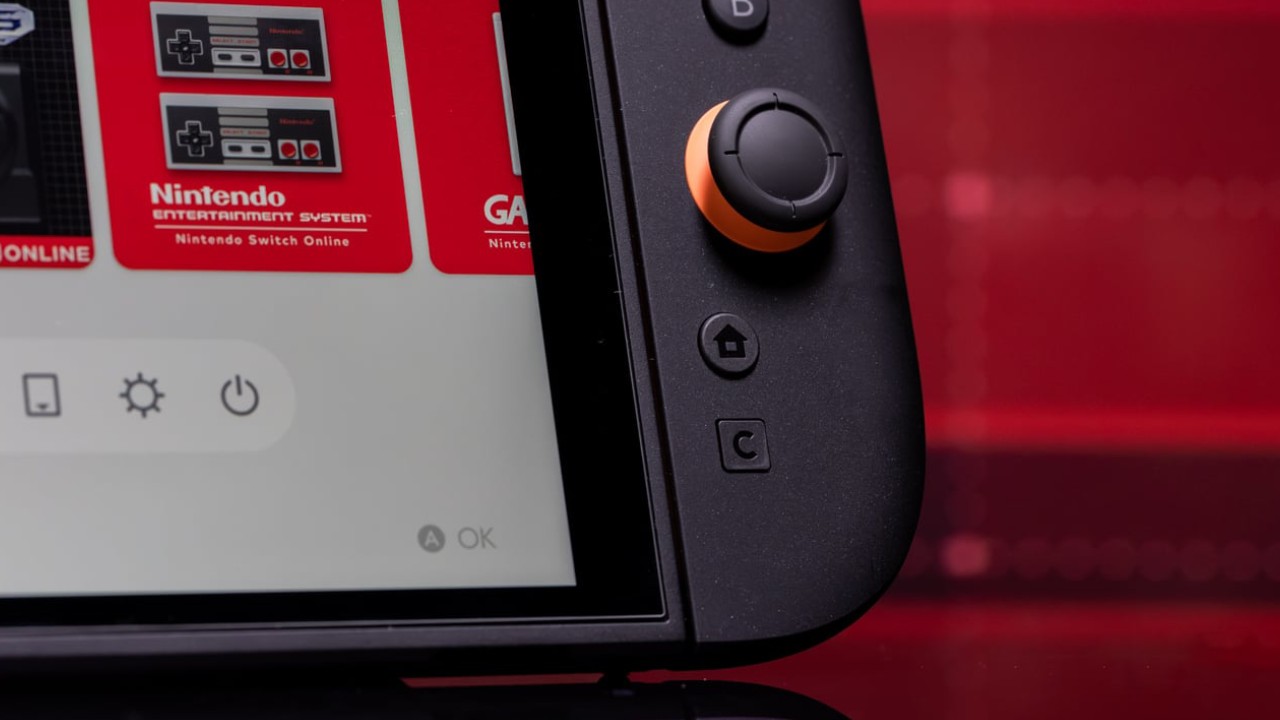
A Better Successor
Before Nintendo Switch 2 was shown off, many wondered whether Nintendo would improve the original design or create a whole new one. Nintendo picked improvement. Switch 2 preserves the same basic idea and shape while improving many aspects of the experience.
Some people were disappointed by that choice, but others were happy with it. People thought the first Switch was too small to hold, but Switch 2 is bigger, which fixes that problem. The softer edges also make it more comfortable to play for longer periods.
It makes sense to ask how much Switch 2 is worth, because it is mostly a progression rather than a novelty. At a retail price of $449, which might go up if there aren't enough RAM chips, and with the original Switch still being well-maintained and having a huge library, it's not easy to decide whether to upgrade.
Design of Hardware and Comfort
Nintendo Switch 2 is larger, with a bigger screen and more comfortable to hold. It still doesn't feel as good as some dedicated PC handhelds, but it's far better than the original Switch. The system is still tiny, so it's easy to take with you when you travel, unlike larger handhelds.
The adjustable kickstand extends across the back, just like the Switch OLED, making it more stable. The console works with all of the original Switch's digital and physical game cards.
The new Joy-Con attachment method is one of the most obvious modifications. The controllers don't slide on rails; instead, they snap together with a strong click. Even though I was worried at first, the connection feels strong and needs a lot of force to break. A physical connector keeps things stable while allowing them to move slightly to ease stress on the hardware. The buttons are larger, and there aren't many reports of joystick drift yet.
There are two USBC ports on the console: one on top and one on the bottom. There is also a microSD Express card slot, buried behind the kickstand. MicroSD Express cards are faster but also cost more, making upgrading storage a good idea. The shoulder buttons and triggers have been redesigned to be easier to reach, especially when using the new mouse mode. This optional mode uses an attachment that turns a Joy-Con into a mouse, which is fine for strategy and simulation games.
Display and Docked Experience
Switch 2 has a 7.9-inch LCD screen with 1080p resolution, HDR10 support, and a refresh rate up to 120Hz. The screen is bright, sharp, and hard to see individual pixels in typical use, even though it doesn't have the OLED panel the Switch OLED model has. The larger size makes it easier to get into, but the bezels are still thicker than they should be for a modern gadget.
When plugged in, Switch 2 can show up to 4K at 60Hz. The dock has active cooling, an HDMI output, Ethernet for wired networking, a USB-C power port, and two USB-A connections. Replacement docks cost more than they used to, which could be a problem for people who wish to set up more than one.
Games and Performance
Switch 2 has a unique Nvidia chipset and 12GB of LPDDR5X RAM, making it perform better than the first one. It still doesn't compare to newer home consoles or gaming PCs, but games are made to work best with its technology. Cyberpunk 2077 is an example of how well-demanding games can perform when they are made for the system.
Backward compatibility works well for the most part, but certain titles let you pay for or get free upgrades to Switch two versions. Upgraded versions usually have greater performance and graphics, but non-upgraded versions still work well. Nintendo keeps an official list of what works with what, and problems are decreasing as updates roll out.
First-party games remain a major strength. Donkey Kong Bonanza, Mario Kart World, and Metroid Prime 4 are examples of games that run smoothly and look the same every time. Multiplayer games remain a big draw, which is why Switch 2 is the best system for playing with friends. Even older Switch games like Super Smash Bros. Ultimate work better when they are more stable.
Playing on the go and battery life
Switch 2 is a great handheld system. Because it is easy to use and small, it is generally utilized more in portable form than in docked mode. The battery life depends on the game. Games that are hard to play, like Cyberpunk 2077, usually last about 2.5 hours. Games that are easier to play or that are older can last 4 hours or more. Official estimates say that under perfect conditions, it may take up to 6.5 hours, but in the real world, it frequently takes less time.
The battery life isn't great, but it's better than many PC handhelds and still works well for travel. The Joy-Cons can be detached, and their small size makes them easy to carry and great for playing with others while traveling.
.jpg)
Concerns about price and value
The price is the worst part of the Nintendo Switch 2. The device is pricey, and first-party Switch 2 titles usually cost $80. You can find some titles on the Switch at lower prices, but the premium charges add up rapidly. If you already possess a Switch, especially a recent model like the Switch OLED, the upgrade may not seem urgent unless there is a certain exclusive game you want to play or you want the system to run better overall.
Who Should Get Nintendo Switch 2
Nintendo Switch 2 is a great choice for anyone who wants to play games on the go, with friends, and with Nintendo's own games. It has better ergonomics, performance, and display quality than the original Switch in almost every way.
Final Thoughts
Instead of replacing Nintendo Switch 2, it builds on a formula that works. It makes things that worked previously work better while still supporting a large library of existing content. People with the money and who want fresh exclusives will probably find it worth it. If players are happy with a recent Switch model, they may want to wait for more games or updates.
Check our Other Handheld Articles below:
- ASUS ROG Ally X Handheld Review: Double the Battery, Double the Comfort
- Nintendo Switch 2 Vs. Original Switch 1: A Full Comparison
- How To Connect A Camera And Join Voice Chat With Nintendo Switch 2
- Nintendo Switch 2 Review: Handheld Performance, Features & Value Breakdown
- ROG Xbox Ally X Vs. ROG Ally X: Display, Battery & Controls
- ASUS ROG Ally X vs. Steam Deck OLED: Display, Battery & Gaming Benchmarks
- MSI Claw 8 AI+ Review: Display, Controls & Gaming
- Nintendo Switch 2 vs. Steam Deck OLED: Gaming, Performance, Battery, Display and Value
- PlayStation Portal Review: Remote Play, Cloud Streaming & Travel Gaming
- PlayStation Portal vs. Lenovo Legion Go: Best Portable Gameplay
- Lenovo Legion Go S vs. Zotac Zone: In-Depth Experience Comparison
- How AMD Dominates the Handheld Market
Editor, NoobFeed
Gaming Hardware Updates
No Data.