
Phantom Blade Zero Gets a Major Boost with New Weapons, Bosses, and RPG Mechanics
A new deep dive reveals more than 30 primary weapons, flexible progression, handcrafted exploration, demanding difficulty modes, and boss fights built around unique mechanics.
Games by Tahmid Mahi on Aug 24, 2026
Phantom Blade Zero was already looking like one of the most exciting action games on the horizon, but its latest deep dive has revealed just how much is happening beneath the surface. The State of Play presentation showed off a wide range of weapon styles, a deeper RPG progression system, and more details about the game's unusual 66 Days mode.
The deep dive has also attracted plenty of attention from players, with the presentation reportedly passing one million views and continuing toward two million. That suggests interest in Phantom Blade Zero is growing as the reveal finally shows more of its systems.
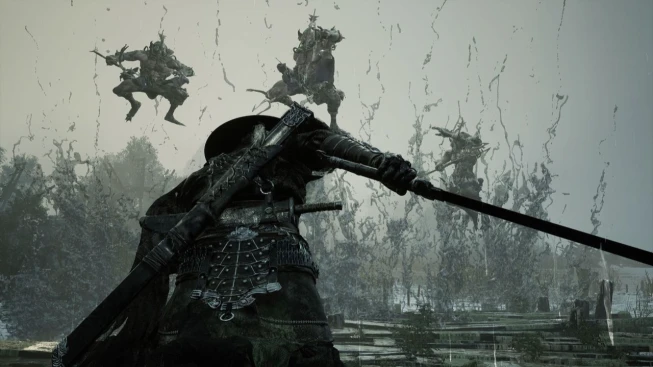
One of the biggest parts of the reveal was the game's weapon system.
S-Game has confirmed that Phantom Blade Zero will feature more than 30 primary weapons, alongside 25 secondary weapons known as Phantom Edges. The important part is that these weapons are not simply different versions of the same equipment with slightly better statistics.
The Drunken Sword is probably the clearest example of this system. When using it, Soul moves and fights with a drunken style while building up Drunken Energy, giving the combat a very different rhythm from what you might expect from a traditional sword.
The White Serpent and Crimson Viper provide another example of the game's approach to weapons. These twin blades can be used in different ways, including throwing one of them for ranged attacks.
The Soft Snake Sword is another particularly interesting weapon because it can coil around an enemy's guard and interact with incoming attacks in ways that other weapons cannot. The animations played during the deep dive also made its defensive capabilities pop.
You are also expected to switch weapons depending on the situation. Fists and hammers can be more useful against enemies with tough shields, while Phantom Edges provide access to special attacks and ranged options. Some of the examples shown include the Tiger Cannon and even a flamethrower.
Combat also does not use a traditional stamina system in the same way as many Soulslike games.
Light attacks and dodges do not consume stamina, so you can keep attacking and moving without constantly waiting for a bar to recover. Heavier attacks and blocking do use the resource, meaning you still need to manage it during more demanding encounters. The system is instead tied closely to breaking an enemy's Shi, which can leave them vulnerable once their stance has been depleted.
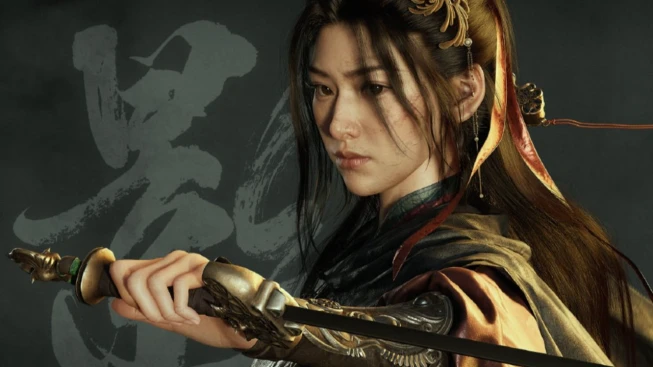
The progression system is another area where Phantom Blade Zero appears deeper than initially expected. Weapons can be upgraded, while Soul has his own skill tree, but unlocking new weapons can also unlock new forms and techniques. These techniques are not simply small passive bonuses, either.
There is also a reforging system that gives you more freedom when experimenting with different builds. You can reset a weapon, recover the materials invested into it, and then use those resources elsewhere. That means you are not permanently locked into an early decision simply because you upgraded the wrong weapon.
The world design also addresses one of the biggest concerns surrounding the game. Earlier footage focused heavily on combat sequences and relatively narrow environments, which made it all too simple to assume Phantom Blade Zero would be a mostly linear experience.
The game will feature eight regions, and the maps will not simply give you an exact route to follow. You are expected to explore these areas to find hidden enemies, side quests, rare treasures, equipment, and other optional content.
Optional encounters could also have consequences beyond simply rewarding you with extra loot. In an earlier demo, an optional fight featured a swordswoman who you could leave alone at any point. If you defeated her, she was gone, but leaving her alive allowed her to appear later during another boss encounter.
The protagonist of the story is Soul.
He was once a member of the Order and one of its most lethal warriors. He is framed for the murder of his leader and eventually betrayed, leading to a confrontation with his childhood blood brother, Deng. During that duel, Soul suffers a fatal injury when a blade is driven through his heart.
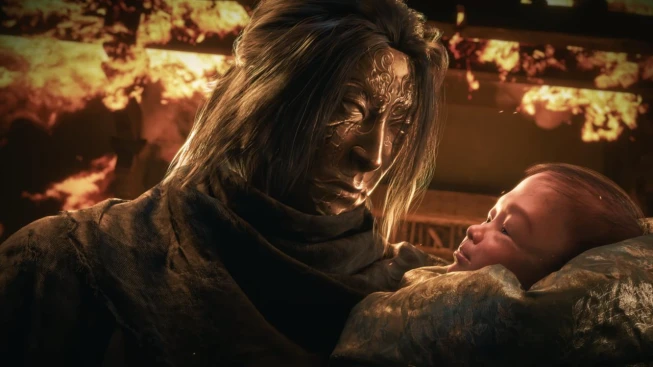
Soul survives because of a mysterious healer known as the Flesh Sculptor, who replaces his heart with a magical one. However, the solution comes with a major limitation because Soul only has 66 days left to live. His journey is a quest for a cure, then, and for the truth behind the betrayal and the events that have brought him to this point.
The world is structured around the Wulin, a martial underworld of rival factions. S-Game refers to the game’s visual style as “punk kung fu,” combining traditional Chinese martial arts with steampunk-inspired technology. The video also features traditional villages and martial arts settings along with mechanical structures, creating a setting that feels different from the usual fantasy worlds of other action RPGs.
The project also stars Donnie Yen, who will also be a creative consultant. He plays a martial arts master in the game and helps the development team with the martial arts bits. His involvement adds another connection to the game's cinematic presentation, especially considering the emphasis on fluid choreography and combat inspired by martial arts films.
Difficulty is another area where Phantom Blade Zero is trying to give players different ways to experience the game. Wayfarer is designed as a more cinematic option that allows players to focus on the action without dealing with the game's most demanding combat systems.
According to S-Game, bosses on Hellwalker can react to your positioning, punish mistakes, and adapt to how you approach a fight. The developers have described the update as bringing more fighting-game-style mechanics into the experience.
Then there is 66 Days mode, which takes the game's central story concept and turns it into a major gameplay mechanic.
The mode uses the more difficult combat from Hellwalker while also imposing Soul's 66-day lifespan. Every time you die, you lose some of the remaining time, and once the countdown reaches zero, the run ends permanently. It is clearly designed as the game's most demanding challenge for players who want an experience built around risk and limited opportunities.
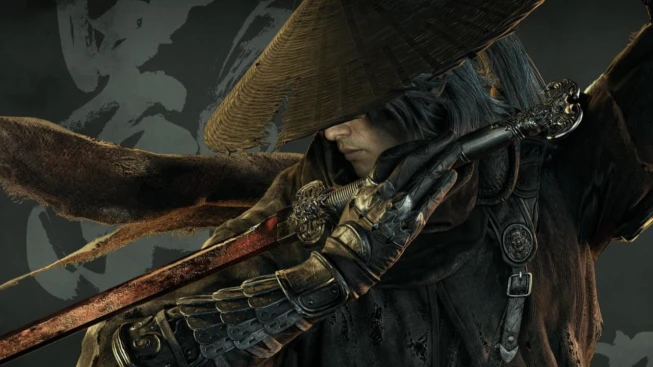
The boss fights may end up being the biggest reason to play Phantom Blade Zero, especially because many of them appear to have their own mechanics. The Dancing Lion encounter is one example, with smaller enemies participating in the battle.
Another boss shown in an earlier demonstration can control an entire group of soldiers during the fight. You can attack the boss directly, but leaving the surrounding enemies alive gives the boss a way to restore health. The encounter then changes further in its second phase, with the Puppeteer effectively becoming the puppet and switching to a different combat style.
These encounters suggest that Phantom Blade Zero is not relying solely on fast attacks and parrying to create variety. Bosses appear to be built around specific mechanics that can change how you approach each fight.
Phantom Blade Zero is now scheduled to release on October 29 for PS5 and PC after its release was pushed back. The latest deep dive has provided a much clearer look at what S-Game is building, and the game is starting to look like a serious contender for action game fans.
With dozens of weapons, eight regions, flexible progression, reactive bosses, and a unique 66 Days mode, there is considerably more to this game than its stylish combat footage initially suggested.
Editor, NoobFeed
Latest Articles
No Data.