
Nintendo’s Physical Game Sales Surge as Digital Gaming Takes Over
New sales figures suggest Nintendo is dominating the physical game market in the US, while XBOX may also be finding ways to keep physical ownership relevant.
News by Tahmid Mahi on Aug 24, 2026
For months, the gaming industry has been moving further toward digital purchases, but new sales figures suggest physical games are still far from disappearing. According to the data discussed in the transcript, more than 63% of new physical games sold in the US this year were released on Nintendo platforms.
That is a major share of the market, especially when you consider that the figures cover sales from January through the current point of the year. The number could still change before December, but Nintendo already has a clear lead in physical game sales.
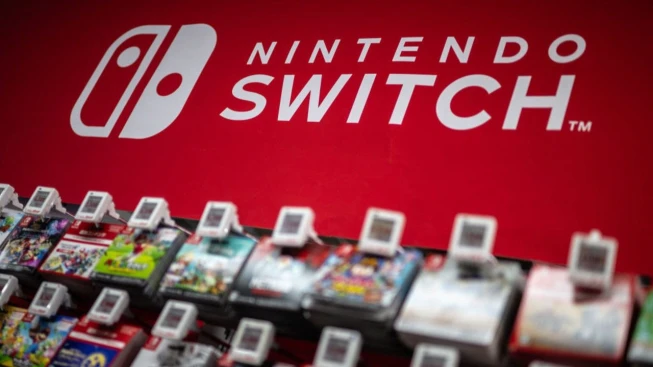
The same figures reportedly show PlayStation accounting for around 32% of physical game sales in the US this year.
XBOX appears to be in a different position, with much of its audience increasingly using services such as Game Pass instead of buying individual games. But things might get more interesting as Microsoft continues exploring ways to tie physical purchases to its wider digital ecosystem.
That said, these figures are only for the US market, so it’s worth bearing that in mind. Japan has traditionally a strong physical game market, especially with Nintendo. Europe may be closer to the trend of what is happening in the US. Add in the physical sales from other major markets, and it gives Nintendo an even better position.
Nintendo’s physical game approach also gives players a no-fuss experience. Often, you can take a cartridge from your shelf, put it into the console, and start playing without having to download the entire game first. That simplicity is still valuable when modern games can require massive downloads before you can properly access them.
The situation can be different with PlayStation and XBOX releases, particularly when a physical disc does not contain the complete game. You may still need to download a large portion of the game before you can play, and those downloads can take hours depending on your connection.
That makes Nintendo's cartridge-based approach appealing to players who want to put a game in their console and get started. It is one possible reason physical Nintendo releases continue to attract so much attention.
Third-party games are also becoming an important part of the discussion.
When publishers bring their games to Nintendo platforms, some players appear to be choosing the physical cartridge version rather than purchasing the same game digitally on another system. The appeal is not simply having a box on your shelf, because a complete cartridge can also provide a more convenient way to access the game.
Game key cards have also become part of this conversation, especially as publishers try to balance physical releases with the storage requirements of modern games. A key card gives you a physical item, but it may require additional downloads, which makes it less appealing to collectors who want the game itself preserved on the cartridge.
That is why a complete physical release can stand out so much when it actually happens. Players are paying more and more attention to what’s physically in the box, not just to seeing a box on the store shelves.
One example offered in the conversation is Indiana Jones and the Great Circle. Originally the game was planned to be released on Nintendo hardware with a game key card, but instead XBOX released the game on an actual physical cartridge.
The choice meant a much more complete physical release for players and proved that publishers can still opt to release the full game when the situation permits. The game's continued sales also suggest there is still demand for this kind of release.
XBOX may also have another development that could make physical games more useful. The company is reportedly testing a physical-to-digital game license system that it could potentially release publicly around September 2026. The idea would allow you to use a physical disc in your console and then obtain a digital license associated with that game.
This type of system could give physical games a useful place inside a more digital-focused ecosystem.
You would still be able to buy and own a physical copy, but you could also gain some of the convenience normally associated with digital purchases. That could become particularly useful as XBOX expands its ecosystem across consoles, PCs, and potential handheld hardware.
The main advantage of physical games is long-term ownership. When you have a cartridge sitting on your shelf, you have something tangible that you can keep, collect, trade, or sell. You are also less dependent on a digital storefront remaining available years after the original release.
Nintendo's cartridge strategy also helps with accessibility around the world. Not every player has access to fast or reliable internet, and downloading a modern game can be a serious problem when your connection is limited. A physical cartridge can reduce that problem by giving you immediate access to much of the game without relying on a large download.
That becomes even more pertinent when you think of markets like Japan and other parts of the world where physical games still have a lot of life. A platform that completely abandons physical media risks limiting access to players who can’t easily download large games.
Nintendo can continue reaching those players by offering cartridges alongside its digital storefront. That gives the company a broader way to distribute its games without forcing everyone into the same purchasing method.
The current numbers could also change significantly before the end of the year.
Nintendo has several major releases that could continue to drive physical sales, and that 63% number could potentially get higher if the current trend continues. The transcript suggests that an even larger share could be possible later in the year, although that remains a prediction rather than a confirmed result.
Splatoon Raiders was also pointed out as another example of the demand for physical Nintendo games. Retailers were seemingly seeing strong interest in physical copies, with the game reportedly being out of stock for a significant period.
When a game becomes difficult to find physically while digital copies remain available, it can be a useful indication that players are still willing to choose something they can own and keep. Retail pricing could also play a role when physical and digital versions are offered at similar prices.
That pricing relationship is important because a major price difference can easily push you toward one format. If the physical version costs roughly the same as the digital version, the physical copy offers additional benefits such as collecting, reselling, and keeping the game on your shelf.
Retailers matching those prices more closely could therefore help physical sales remain competitive. Nintendo's current performance suggests that this strategy may already be working in some cases.
The broader industry is still moving toward digital distribution, but that does not mean physical games have suddenly become irrelevant.
Nintendo’s market share figures suggest there’s a healthy appetite for cartridges, and XBOX seems to be exploring how physical purchases can be married with digital licenses. PlayStation, meanwhile, continues to move toward a more digital-focused approach, which could leave Nintendo and XBOX serving players who still value physical ownership.
For collectors, the situation is particularly encouraging. You can still walk into a store, buy a Nintendo game, bring it home, and add it to a collection that can remain useful for years. You can also choose digital purchases when convenience matters, meaning the two formats can exist alongside each other rather than one immediately replacing the other.
Nintendo's reported 63% share is therefore more than just another sales statistic. It indicates that players continue to value cartridges even while digital distribution becomes the standard across much of the industry. Xbox's potential physical-to-digital licensing system could give the format another boost, especially for players who want both ownership and convenience.
Editor, NoobFeed
Related News
No Data.