
Valve Proton 11 Brings Major Handheld Gaming Updates
Proton 11 improves game compatibility while Bazzite Linux 44 expands handheld support, controller features, and SteamOS-style functionality.
Hardware by Naheyan Tahmin on Aug 23, 2026
The handheld gaming industry is undergoing a major shift as more and more desktop-quality software is being made for mobile devices. Recent news makes it seem less like a crazy idea that an ARM-based handheld computer could run a full version of Steam.
This change enables native processing without the high costs of traditional emulation or the delays associated with streaming services. With specialized compatibility layers, these portable devices are becoming powerful computers capable of running PC games that previously only ran on x86 platforms.
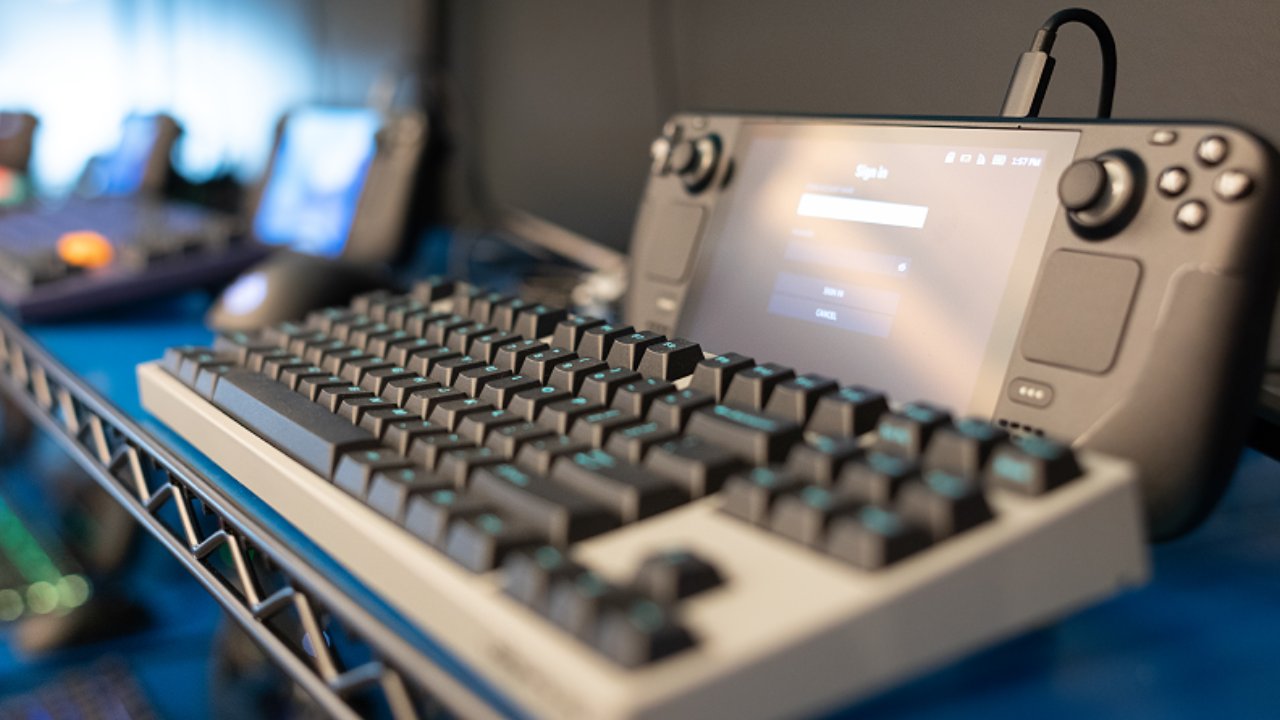
ARM Support and Dawn of Proton 11
ARM-based handhelds are now running on Full Steam and using Linux. It is not streamed or emulated; it runs natively on Proton as it would on a Steam Deck. Although Valve has not officially announced this shift, they have just released the first official version of Proton 11, with arm64 support and FEX-EMU built in.
This is a massive stride in the right direction towards PC games on ARM-based hardware and future hardware. Valve will soon launch a VR headset, the Steam Deck, which uses an ARM-based CPU and needs a way to run PC games. This initial official release of Proton, which supports FEX-EMU, makes that possible.
This progress wouldn't be possible without the Rocknix operating system. It has tested other gadgets, including the Odin 2 Portal, the Ayaneo Pocket 2S, and the Conker Fit. The Odin 2 Portal is powered by a Snapdragon 8 Gen 2, while the Conker Fit is powered by a Snapdragon 8 Gen 3. It is strongly advisable to install the operating system on internal storage, as it loads Steam and installs games much faster than a microSD card.
Upon entering the Steam settings, you can choose to play in Big Picture mode or in regular Steam mode. Although Steam itself is compatible with Linux, particular games cannot be run without the Proton layer with FEX. You can use the Proton 11 beta, designed specifically to work with ARM devices, with any game in your library.
For example, a game like The Witcher 3 can start once, and then when you quit, it won't boot up again or just show a black screen. Unless you want a buttery-smooth ride, you may just wait until more bugs are worked out. Nevertheless, this is an enormous step towards making the standard handhelds ARM-based Steam Decks.
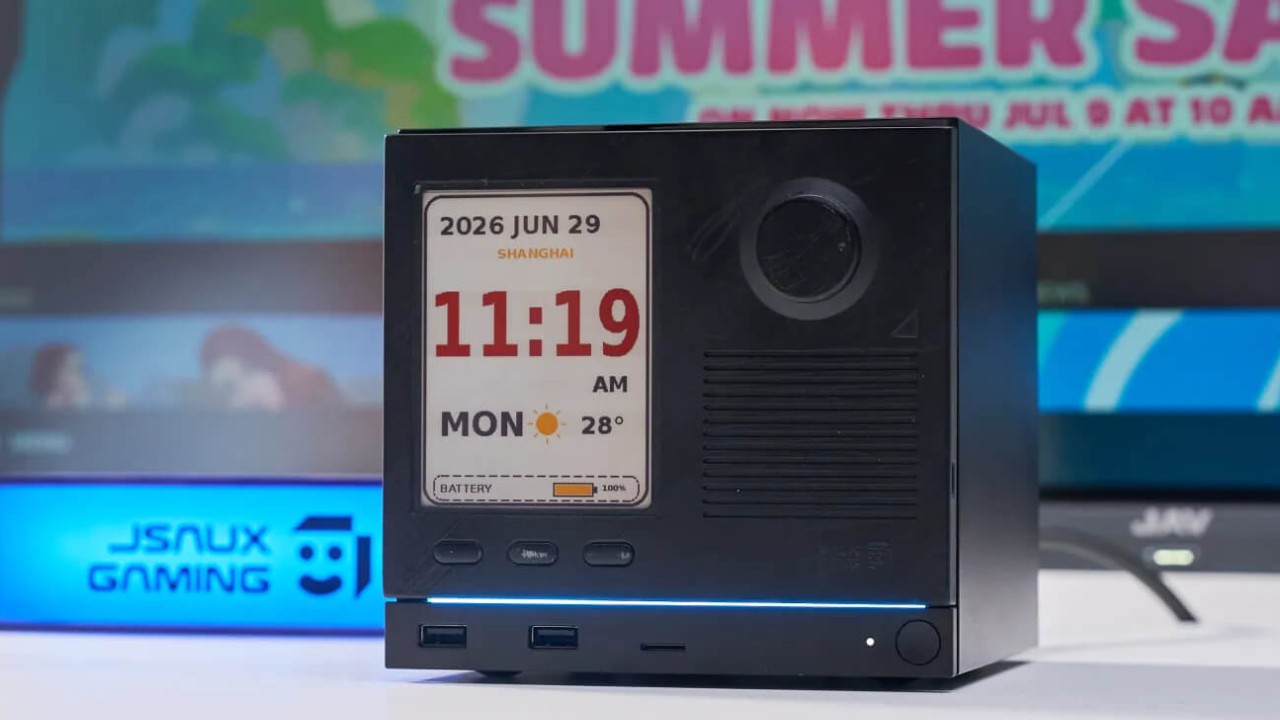
Although games such as Silk Song often experience screen tearing on Android, they play exceptionally well on Linux with this new Proton version. On a 120 Hz panel, we can observe frame rates well above 100 fps. Although the Snapdragon 8 Gen 2 is not an elite chip, it can run indie games at impressive performance.
Testing on the Odin 2 Portal shows promising results for indie titles.
Other games, such as Half-Life 2, may also require a mouse and keyboard, as they may not be fully compatible with built-in controllers. The ability to store the system on internal storage is a difference in itself when it comes to launching games and downloading content, since most handheld card slots do not fully utilize SD card speeds.
It is more powerful with a Snapdragon 8 Gen 3. It is available as the Pocket 2S, but it is limited to running from a microSD card, a bottleneck for downloads. Although 40 fps or better has been demonstrated in certain Android games, such as Red Dead Redemption 2, with various methods like Game Hub enabled, using Proton 11 is likely to significantly increase compatibility across the board.
Lighter games may start with a direct boot, and further settings can be found on the Rocknix site if a game will not start. ProtonDB can also be checked for compatibility. However, it does not necessarily carry over from the Steam Deck at the moment. The development of ARM gaming will probably advance more rapidly than anticipated, and this beta is already noteworthy.
Editor, NoobFeed
Gaming Hardware Updates
No Data.