
PS6 Hardware Explained: Zen6 CPU, 54CUs GPU, AI Power and 4K120 Gaming Targets
Early leaks suggest the PS6 processor uses a 280mm² die, balancing manufacturing cost, efficiency, and powerful next-generation gaming performance.
Hardware by Mitsuba Miyu on Mar 13, 2026
As more information and leaks about future hardware emerge, talk about the next generation of consoles is already picking up steam. From what we know so far, the next PlayStation platform is being designed with a clear goal: to deliver high-end gaming performance optimized for current displays while keeping costs and efficiency in check.
The next generation doesn't seem to be focused solely on specs; instead, it's focusing on architectural improvements, ray tracing, AI processing, and better design choices that show how games and hardware are changing.
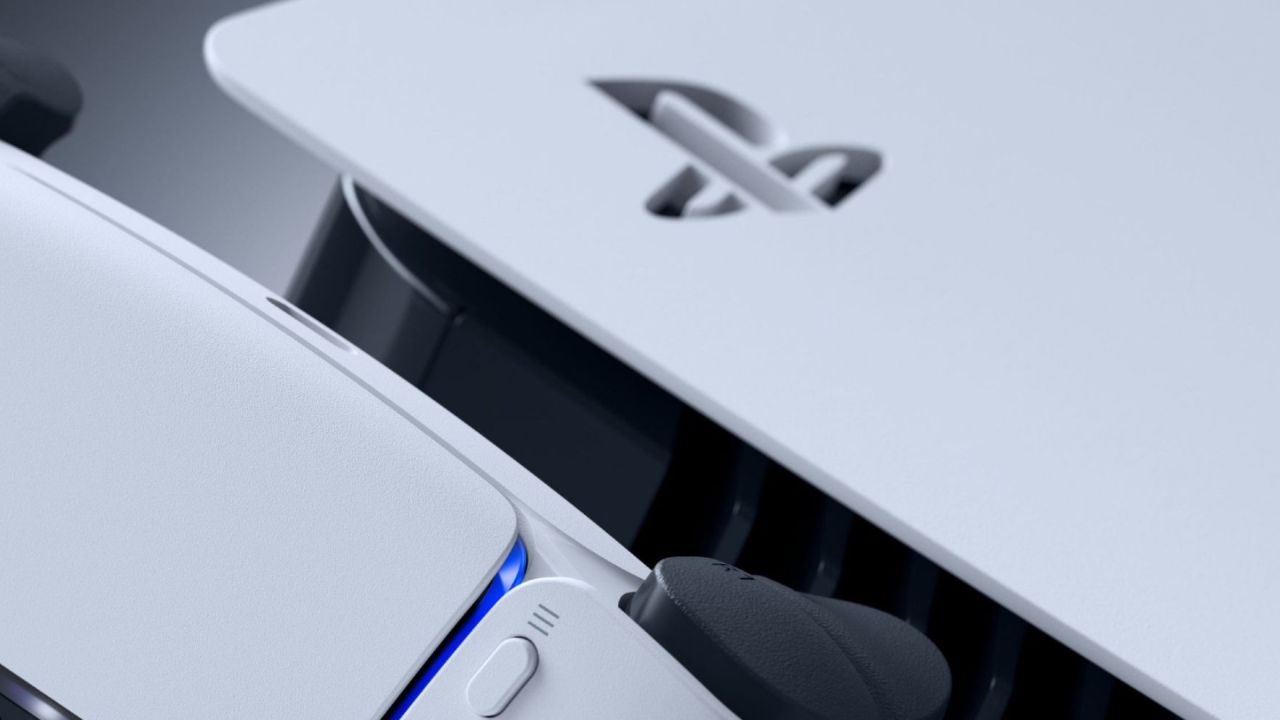
PS6 Chip Design and Die Size Strategy
The die size of the new PlayStation processor is one of the most interesting features. Reports say the die size will be about 280 mm², which is similar to the 6nm PlayStation 5 silicon already on the market. Because they look so much alike, I wonder whether some design ideas or structural elements from the old building are being reused.
A die size of 280 mm² is much smaller than that of larger game chips, such as a 408 mm² design. This suggests that efficiency and cost control are more important than just making the biggest chip possible. The smaller die also helps lower the cost of manufacturing the hardware, which is very important when making products sold in large quantities.
From a design point of view, this method probably lets Sony make a console with great performance without making the price too high. It looks like the goal is to compete with other platforms that offer similar overall performance while keeping the platform's price lower.
CPU Architecture and Core Configuration
According to leaked information, the processor will have 8 Zen6C cores and 2 low-power Zen6 cores for background jobs and operating system functions. The main cores' clock speeds will likely be between 4 GHz and 5 GHz.
Adding low-power cores dedicated solely to that purpose is very important. Some of the main CPU's performance is lost on modern computers because the operating system needs to run on part of the processor. Since those jobs are done by separate low-power cores, the main cores are free to handle gaming workloads.
Internal company documentation says that adding just two low-power cores that run at about 1W can boost CPU speed by about 20%. The system can achieve higher speeds without making the hardware much more complicated by using only the main cores for games.
Zen6 is a big step up from the older Zen2 cores that are used in today's systems. Over many generations of architecture, the performance per core in games has slowly improved. Overall CPU performance in gaming workloads could reach three to four times that of present hardware if clock speeds were raised and the architecture was improved.
GPU Performance and Graphics Targets
It is said that the graphics processor has 54 compute units that run at speeds close to 3GHz. If those numbers are correct, the system might be able to deliver about 40 TFLOPS of computing power.
That's about 4 times the raw computing power of the original PlayStation 5. For rasterization tasks alone, the gain could be as much as 3 times faster than the current hardware.
But performance with rasters isn't the only thing that matters. Even bigger improvements are predicted in how well ray tracing works. It is thought that ray tracing could be 3 to 12 times faster, depending on the amount of work required.
With these kinds of speed boosts, developers could add much more advanced lighting, effects, and global illumination systems without worrying about frame rates.
Designed for 4K120 Displays
The main idea behind the design is 4K120 screens. High-end PCs can handle higher frame rates, but most TVs still only work at 60 Hz or 120 Hz. By designing a console for that setting in particular, the hardware is sure to work best for most users.
In the right situations, even modern devices can approach 120 fps. With a processor several times faster, you can play many games at a stable 4K120 resolution.
Ray tracing features will also improve a lot in terms of scaling, allowing games to maintain their graphical quality while still achieving smooth frame rates. When advanced reconstruction methods like PSSR3 are used together, the system can produce great results even when rendering at lower internal resolutions.
Importance of AI and Next-Gen Workloads
In the future, AI performance is likely to be one of the main things that sets game hardware apart. AI acceleration could be very important for future consoles, enabling better NPC behavior, procedurally generated worlds, more advanced physics systems, and real-time content creation.
When it comes to AI tasks, the new system might be hundreds of times faster than older gear. Depending on the job, some predictions suggest improvements will be close to 500 times better than the PlayStation 5's AI.
This change is a sign of a bigger change in the business. In previous generations, graphics performance and TFLOPs received significant attention. Most likely, the next version will place much greater emphasis on AI processing and ray tracing.
A lot of people still compare hardware based on basic teraflop numbers, but those numbers rarely tell the whole story. This was already very clear in the last generation.
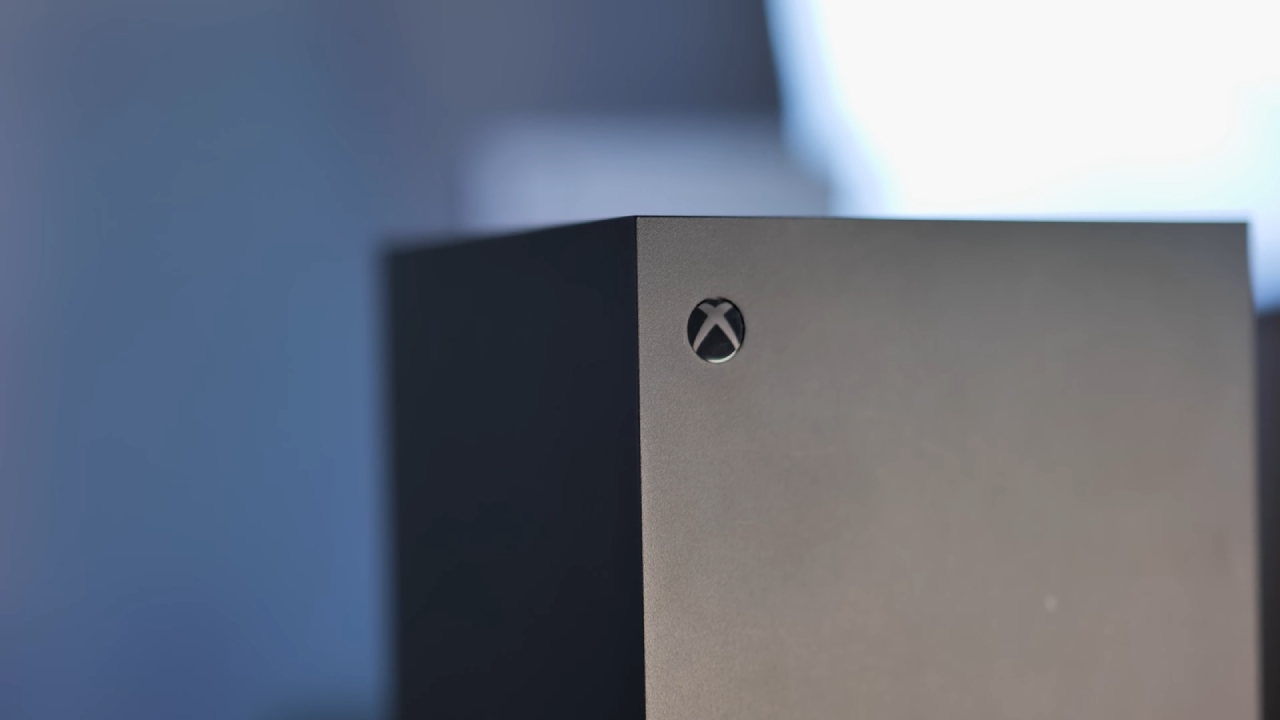
On paper, the Xbox Series X had more teraflops than the PlayStation 5. Still, in practice, it often performed about the same as the PlayStation 5. The raw compute number alone didn't have as much of an effect on game speed as architectural efficiency, storage systems, and developer optimization.
The next generation may do the same thing. It will be much more important than standard raster performance metrics to consider storage speeds, I/O architectures, ray tracing hardware, and AI acceleration.
Return of PlayStation Handheld Hardware
The rumored PlayStation handheld system, to be released alongside the main device, is another big change. It looks like the handheld's purpose is to offer the same game ecosystem in a portable form, rather than being a totally different platform.
Based on what we know now, the portable may have fewer CPU cores but the same overall architecture. It could have four Zen6C cores, along with the same two low-power cores used for background tasks.
Developers have already seen changes to PlayStation development tools that limit games to only 8 threads at a time. That configuration is very close to the structure of the alleged handheld CPU.
These changes to the SDK make it very likely that Sony is getting developers ready to support the handheld as part of the larger community.
Handheld Performance and Display Expectations
A 1080p120 OLED screen is likely to be on the handheld machine. Most games would run at 1080p internally, and the PSSR3's upscaling engine would maintain high-quality graphics.
When the device is in pocket mode, the processor may run at about 1.2GHz. When docked, the speed may rise to about 1.6 GHz. That's an improvement of about 30% in performance when linked to an outside power source.
When the device is hooked up to a TV, it will likely upsample to 4K using modes that prioritize speed. Even though it might not have as good raw raster performance as the main system, improvements to ray tracing and modern upscaling could make the graphics as good as, or even better than, the base PlayStation 5.
It's important to note that the developers don't seem concerned about the handheld slowing down the main console. The software tools already account for differences in CPU core count and clock speed.
Comparing Next-Generation Console Strategies
The console market as a whole seems to be splitting into two separate plans.
One platform aims to achieve speeds more like those of a high-end gaming PC. The goal is to create a console with a form factor similar to that of a current high-performance graphics card. This would give the console more flexibility, higher frame rates, and maybe even more PC-like features.
In contrast, the PlayStation approach is more focused on the experience of playing games on TV. Instead of going for the fastest frame rates or the most PC-style options, the goal is to offer close to high-end PC graphics, optimized for 4K120 displays.
Both methods try to provide high-quality gaming experiences, but they do so in slightly different ways.
Why the Next Generation Looks More Exciting
The next version of consoles looks like it will be much better than the current one. The last generation's transition was mostly about faster storage and better architecture. The next generation could bring huge improvements to ray tracing, AI acceleration, and total processing power.
If the secret specs and performance predictions turn out to be true, the next generation could be one of the biggest leaps in technology in the history of consoles. For example, improvements to ray tracing alone could make systems ten times faster, and AI acceleration could completely change how games are made.
Final Thoughts
It looks like the hardware for the next generation of consoles will be much more advanced than what's currently on the market. Future designs will not only focus on traditional graphics speed, but also on smarter architecture, better ray tracing, and more powerful AI processing.
Modern 4K120 TVs seem fully supported by the main device, and a companion handheld could expand the ecosystem to include portable gaming without limiting the main system's capabilities.
All of these changes point to a future where computer games will continue to improve beyond just the graphics, moving toward smarter, more immersive, and technically more advanced experiences.
Also, check our other hardware articles:
- AMD Ryzen 9 9950X3D Review: Setting The Standard For 2025 Gaming CPU
- Amazon Luna 2025 Review: Is Prime Gaming's Cloud Service Your Go-To For Casual Fun?
- AMD RX 9070 XT Review: AMD's RDNA 4 Champion for 1440p Gaming
- GeForce Now Ultimate: Ditching Your Gaming PC For Cloud RTX 4080 Power?
- NVIDIA GeForce RTX 5080 Review (2025): Still A 4K Gaming Powerhouse?
- Intel Core Ultra 9 285K Review And Performance Breakdown (2025)
- AMD Ryzen 7 9800X3D Review: 3D V-Cache Goes God Mode with Stunning Gaming Performance
- Intel Core Ultra 9 285K vs AMD Ryzen 7 9800X3D: In-Depth Gaming Performance and Benchmark Comparison
- NVIDIA GeForce RTX 5080 Super Performance In Cyberpunk 2077: Path Tracing & DLSS 4.0 Tested
- AMD Radeon RX 9070 XT In Cyberpunk 2077: Ray Tracing & FSR 4.0 Tested
- Intel Arc B580 Review: The $250 GPU Revolutionizing 1440p Gaming
- Intel Arc B570 Vs. B580: Value, Specs, And Real-World Gaming Performance
- RTX 5090 Laptop Vs. M4 Max MacBook Pro: Ultimate Raw Performance Vs. Battery Endurance
- Intel Arc b580 Vs. RTX 4060: Game Performance And Value Analysis
- RTX5090 Hell Is Us Demo 4K Ultra Benchmark: DLSS Vs. Native Performance Guide
- NVIDIA RTX 5070 Review: Mid-Range Muscle or Marketing Hype?
- Nintendo Switch 2 Review: Handheld Performance, Features & Value Breakdown
- RTX 5070 Ti Review: Performance, Thermals & Power Efficiency Tested
- Samsung Odyssey OLED G81SF Review 2025: Ultimate 32-Inch QD-OLED Gaming Monitor
- AMD RX 9070 Performance Review: Thermals, Clocks, and Real-World FPS
- AMD Ryzen 5 7600 Review: Best Budget Gaming CPU of 2025?
- AMD Radeon RX 7800 XT Review: RDNA 3 Power For Midrange Gaming
- Asus ROG RTX 5090 Astral OC Vs. Founders Edition: The 4K Gaming Benchmark
Editor, NoobFeed
Gaming Hardware Updates
No Data.