
Rising RAM Prices Threaten Steam Machine and Next-Gen Consoles
Increasing RAM prices place heavy pressure on console and PC developers aiming to balance performance targets with affordability.
Hardware by Tanvir Kabbo on Dec 08, 2025
Continuous rise in memory prices has raised significant concern in the gaming hardware market. As analysts say RAM prices may keep rising for a few more years, more and more people are wondering whether future console-like devices will work.
As memory becomes more expensive, even established platforms may struggle to keep prices low for customers.
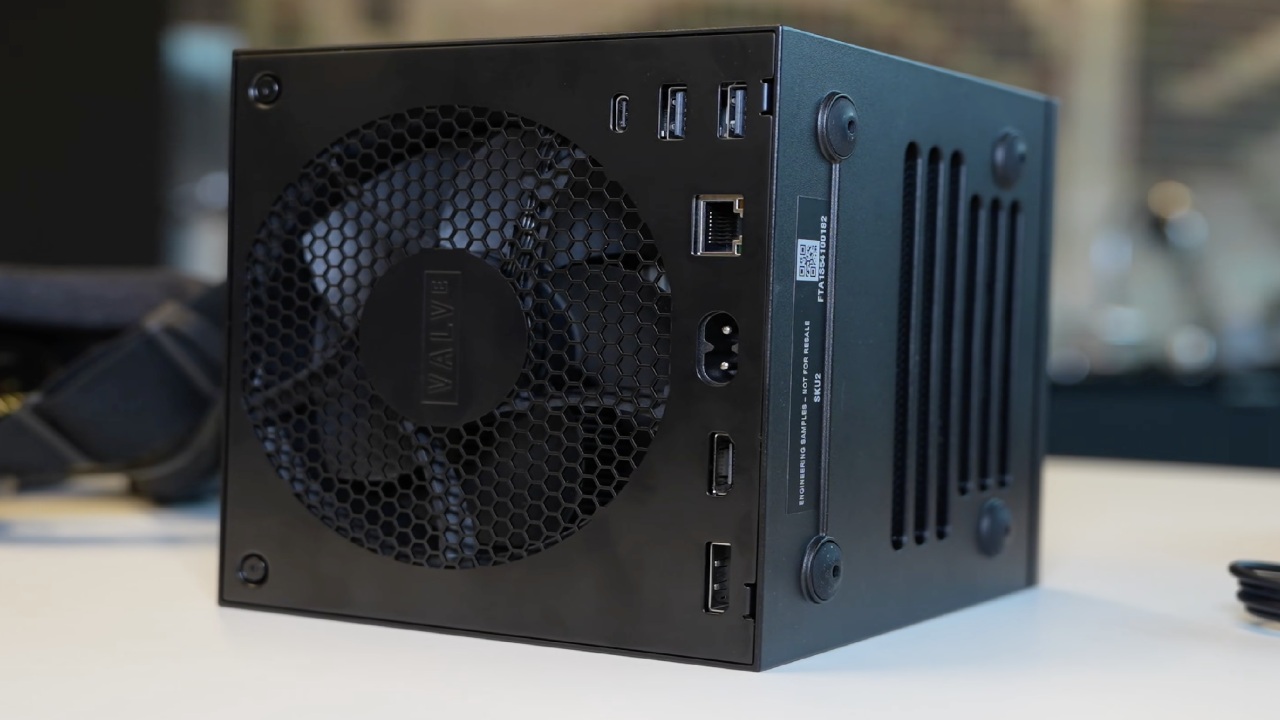
Is the Steam Machine at Risk of Becoming an AI-Era Casualty?
We see growing anxiety over whether devices like Steam Machine can survive the current economic landscape. A major worry is that 24GB of RAM no longer seems viable for a budget-friendly system. Skepticism persists over whether Valve, not traditionally a large-scale hardware manufacturer, has secured enough affordable memory at early-2025 prices. If the Steam Machine can't launch below $700, some are questioning whether releasing it at all might hurt long-term demand.
We understand the concern, but it seems unlikely Valve would cancel the Steam Machine. Since they've already announced it, there's a strong chance development and possibly production have advanced far enough that some memory allocation was secured ahead of the spike.
Bigger question is whether the initial launch price will differ drastically from the price several months later. We may even see an unusual situation where early units are cheaper than later batches, something rarely observed in fixed-box consumer hardware.
Industry-Wide Consequences of Memory Price Inflation
We're entering unfamiliar territory as memory costs continue climbing without signs of slowing. It threatens the affordability of PCs, consoles, and console-like systems such as the Steam Machine. As RAM becomes more expensive, these platforms risk slipping beyond mass-market pricing brackets, making them inaccessible to typical consumers.
The trend is alarming enough that many are genuinely uncertain how the broader computer entertainment industry will adapt if this trajectory continues. We're looking at a long-term structural problem, not a short-term fluctuation.
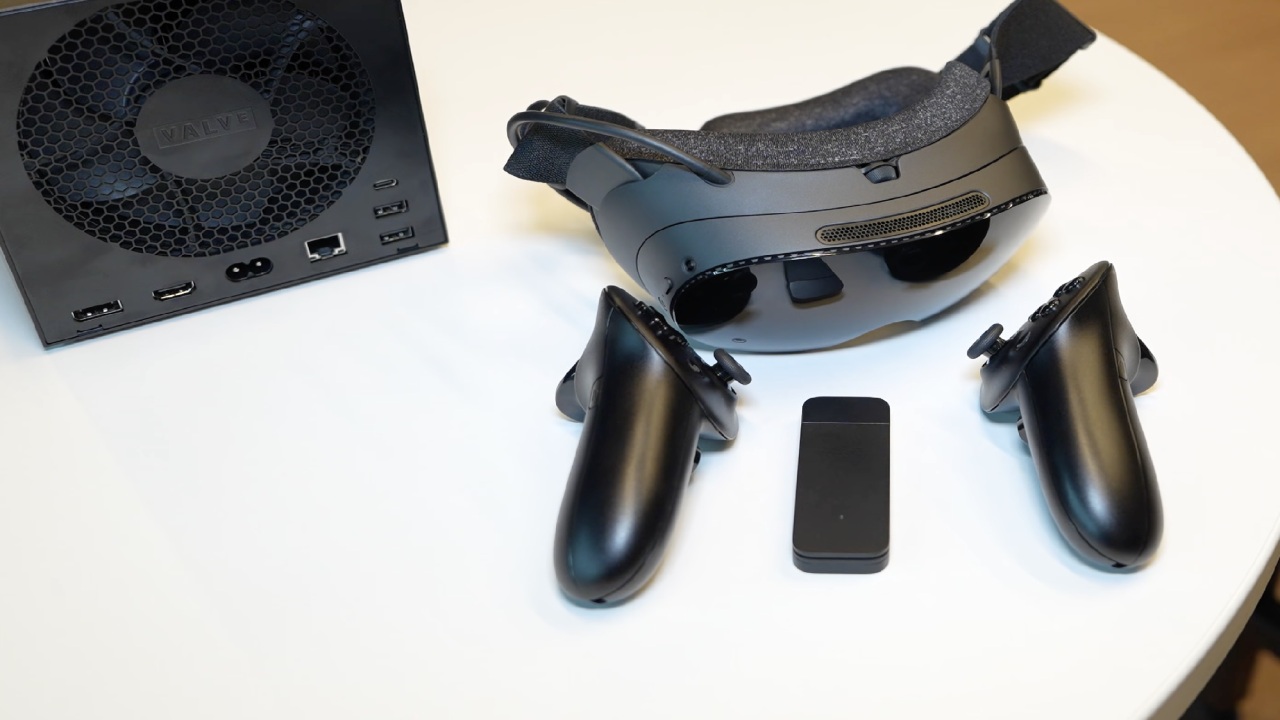
Console Planning Under Pressure: PlayStation 6 and Beyond
Planning for future consoles is also directly influenced. Since PlayStation 6 is scheduled to come out in 2027, manufacturers need to rethink their goals for system setup. For next-gen hardware, we would generally expect a big jump in RAM beyond 16GB. However, the fact that RAM prices are going through the roof makes it hard to believe that those goals can be realized.
We anticipate this issue influencing internal decision-making. Memory allocations are not typically secured years in advance, meaning rising costs could force adjustments to system specs. With RAM now costing up to three times more than before—sets that used to sell for $100-$120 now appearing at $400-$500—the impact on new hardware is unavoidable.
Handhelds, Next-Gen Systems, and the Expanding RAM Problem
The memory crisis doesn't only affect full-size consoles. Handheld systems also face mounting pressure, especially with various new devices on the horizon. Even companies that have stockpiled RAM for near-term launches won't have enough to sustain production for multiple years.
We also note increased speculation about supply-chain shifts in the GPU market. Rumors suggest Nvidia may stop bundling GPU dies with memory, pushing responsibility back onto board partners. Whether true or not, it adds more tension to a market already destabilized by rising RAM costs.
Retail and Specification Impact of Inflated RAM Pricing
We're already seeing inflated retail pricing. For example, 32GB kits of CL36 memory are now sitting around £222, and while prices vary, the overall trend is upward. Memory used to cost roughly the same as a mid-range motherboard, but it has now become one of the most expensive parts of a system build.
Higher-quality memory, such as 6000MT/s CL30 kits, is even more affected, often costing £100 more than CL36 versions. The situation is frustrating for anyone attempting to build or upgrade a PC.
.jpg)
Hardware Ecosystem Entering Unknown Territory
This is a really important time for us. If RAM prices keep rising, the whole ecosystem of PCs, consoles, handhelds, and hybrid devices may have to adjust, changing how much products cost and how easy they are to find. Some companies might take on the expenditures, while others might change their plans to focus on more expensive, less accessible platforms.
Steam Machines, PlayStation 6, new handhelds, and forthcoming GPUs are all entering this unknown world. Prices are going up, there is a lot of speculation, and supply chains are not always reliable. The future remains uncertain, and the sector needs to prepare for tough choices.
Also, check our other articles below :
- ASUS ROG Ally X Handheld Review: Double the Battery, Double the Comfort
- Nintendo Switch 2 Vs. Original Switch 1: A Full Comparison
- How To Connect A Camera And Join Voice Chat With Nintendo Switch 2
- Nintendo Switch 2 Review: Handheld Performance, Features & Value Breakdown
- ROG Xbox Ally X Vs. ROG Ally X: Display, Battery & Controls
- ASUS ROG Ally X vs. Steam Deck OLED: Display, Battery & Gaming Benchmarks
- MSI Claw 8 AI+ Review: Display, Controls & Gaming
- Nintendo Switch 2 vs. Steam Deck OLED: Gaming, Performance, Battery, Display and Value
- PlayStation Portal Review: Remote Play, Cloud Streaming & Travel Gaming
- PlayStation Portal vs. Lenovo Legion Go: Best Portable Gameplay
- Cyberpunk 2077 Patch 2.3 FPS Test on MSI Claw 8 AI+
Senior Editor, NoobFeed
Gaming Hardware Updates
No Data.