
RTX 50 Super vs. RTX 60: NVIDIA's GPU Future Amid Memory Shortages
NVIDIA’s GPU roadmap faces uncertainty as memory shortages and AI demand disrupt expected RTX 50 Super release timelines.
Hardware by Tanvir Kabbo on Nov 12, 2025
There have been numerous rumors and expectations surrounding Nvidia's next major launches in the GPU market. It's been roughly a year since the RTX 50 series was released, and this is usually the time when people start to expect updates and perhaps even a sneak peek of the RTX 60 series. But subsequent events have made things look less clear.
Many people are wondering what's next for Nvidia's GPU roadmap, as rumors about the RTX 50 Super series grow, and concerns arise about potential delays and component shortages.
Rise and Rumors of the RTX 50 Super Series
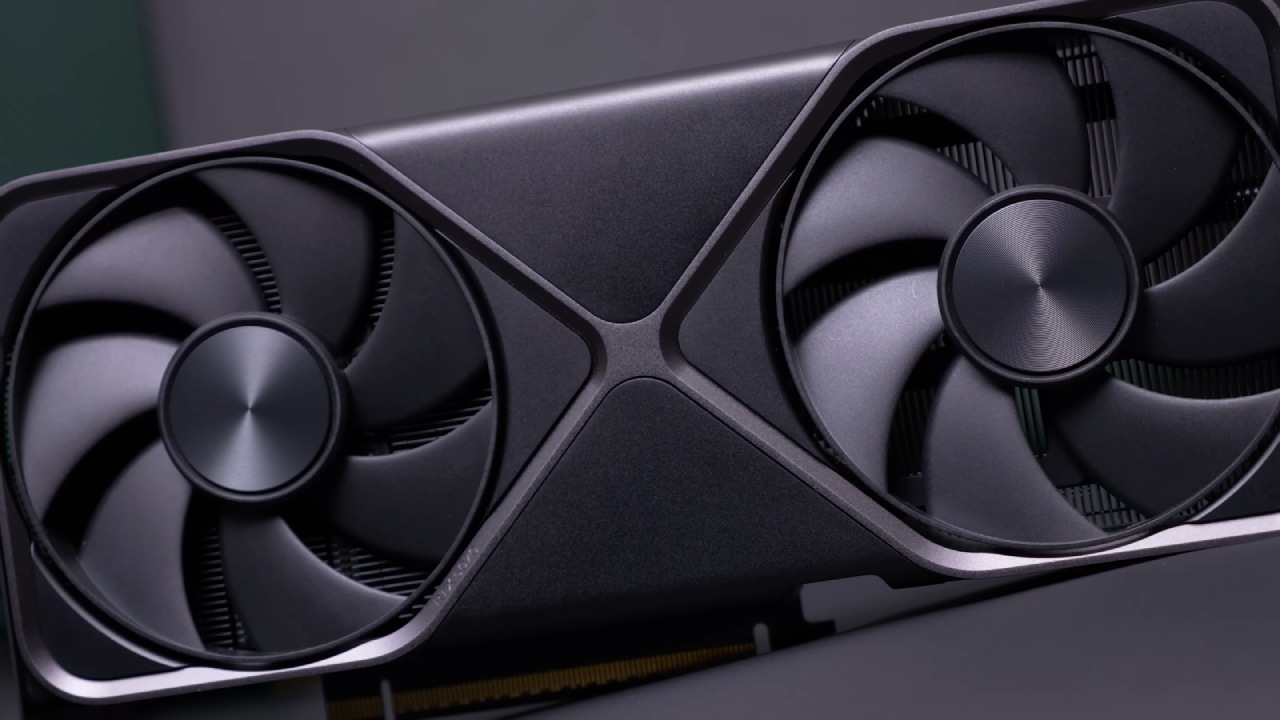
Initially, the RTX 50 Super series was expected to arrive around January or February 2026, possibly being unveiled at CES 2026. Enthusiasts were eager to see improvements, especially in VRAM capacity and performance boosts across the RTX 5080 Super, RTX 5070 Ti Super, and RTX 5070 Super models.
The RTX 5080 Super was rumored to be nearly identical to the standard RTX 5080, but with higher clock speeds and an upgrade from 16GB to 24GB of VRAM using new 3GB memory chips. Similarly, the RTX 5070 Ti Super was expected to retain the same number of cores while increasing both clock speeds and memory from 16GB to 24GB. The RTX 5070 Super appeared to be the most exciting, with its memory increasing from 12GB to 18GB and a minor core bump from 48 to 50 streaming multiprocessors.
Overall, these refreshes promised approximately 10% performance improvements, along with improved longevity. For gamers, an RTX5070 Super at $499 to $550 with 18GB of VRAM sounded incredibly appealing—enough to run modern games at maximum settings without compromise.
Delays, Cancellations, and Shortages
Unfortunately, reports began to surface that cast doubt on the entire timeline. Videocards.com reports that Nvidia has been experiencing difficulties in sourcing 3GB GDDR7 memory modules, citing information from Unico's Hardware on Twitter. The report stated that these shortages would likely mean the end of the RTX 50 Super series, and the price of 2GB GDDR7 RAM is already on the rise.
For anyone considering purchasing an RTX 50 series GPU, this could mean that prices may soon start climbing. While many models are still available at MSRP, the uncertainty surrounding supply chains and rising memory costs could change that quickly.
However, another update came from the leaker MegaIzGPU, who clarified that the RTX 50 Super series isn't canceled—just delayed. According to his claim, the launch has been pushed from Q1 2026 to Q3 2026. If that proves to be accurate, the delay would be almost a full year, raising new questions about the RTX 60 series' timeline.
What This Means for the RTX 60 Series
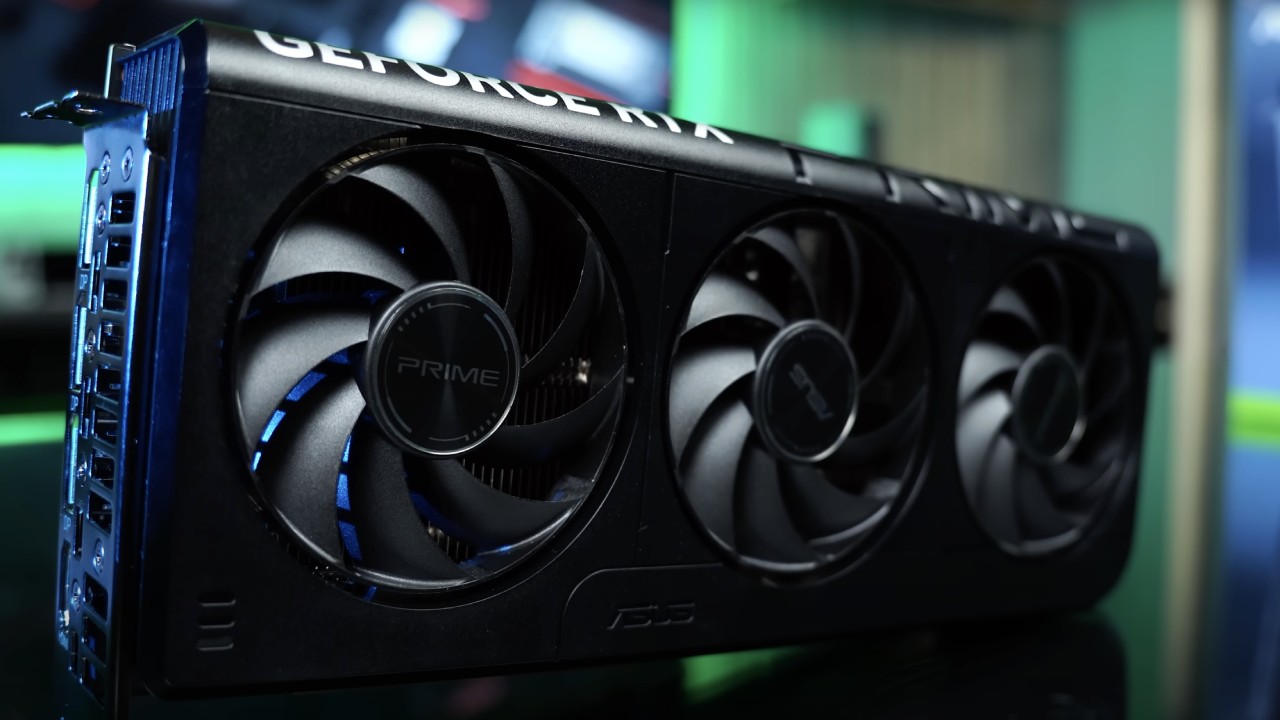
If the RTX 50 Super series is indeed delayed until late 2026, the RTX 60 series is likely to launch in early 2027 or later. That's a worrying sign for those hoping to see next-generation GPUs sooner. The culprit behind all this appears to be, once again, the global demand for AI hardware. AI-related chip and memory shortages are directly affecting GPU production and availability.
However, from our perspective, it seems unlikely that Nvidia would allow such a massive delay to unfold entirely. Suppose the Super series is postponed beyond a few months. In that case, it's more plausible that Nvidia might scrap it altogether and shift its focus to the RTX 60 series instead.
Market Competition and Nvidia's Strategy
When we look at the competition, Nvidia has little incentive to rush. AMD and Intel have come a long way, but their top-of-the-line graphics cards, such as the RTX 5090, still outperform them in terms of sheer performance. The RX 9000 series from AMD made enhancements to the architecture. Still, they had trouble maintaining their MSRP prices, and ultimately, they couldn't compete effectively with Nvidia's best GPUs.
AMD no longer appears to be competing with high-end gaming GPUs; instead, it seems to be focusing more on AI. Because of this, Nvidia doesn't feel the need to introduce new cards more quickly. Nvidia can afford to put off new models, rename old ones, or make minor changes like improved memory or slightly faster clock speeds, because there isn't much competition in the high-end market.
What We Expect Moving Forward
We believe that the RTX 50 Super series will likely be delayed by 3 to 6 months, rather than a whole year. If Nvidia exceeds that time frame, the odds of the project being canceled increase significantly. As for the RTX 60 series, we estimate a little delay as well, possibly shifting its availability from late 2026 to early or mid-2027.
Nvidia's plan makes logical sense in light of the current situation. There isn't much need to expedite big GPU debuts if AMD or Intel aren't putting real pressure on them. Instead, Nvidia will likely focus on AI-driven development and keep gamers interested with incremental upgrades, speed improvements, or pricing adjustments.
Final Thoughts
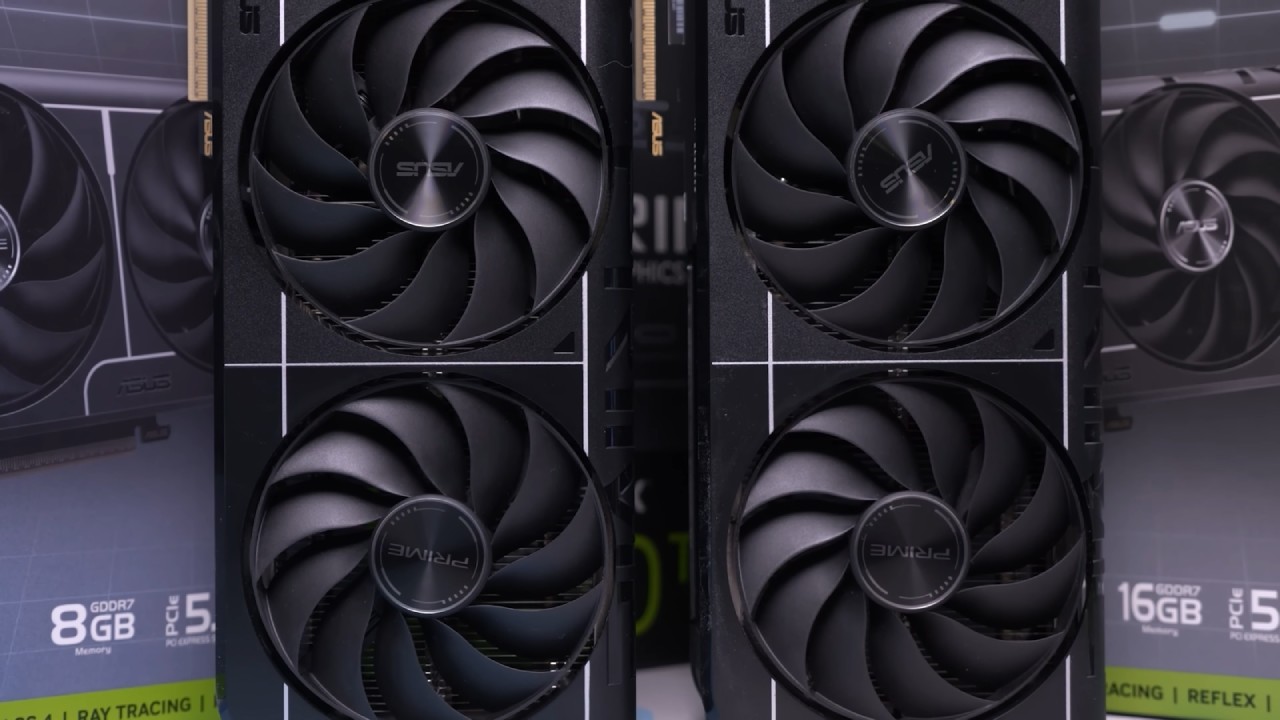
In the next few years, there may be fewer GPU releases because of supply issues and Nvidia's strong market dominance. We might eventually see the RTX 50 Super series, but its future is uncertain. The RTX 60 series, on the other hand, could be the next great step forward, but not as soon as many people would like.
For now, if you're in the market for a GPU, it might be wise to pick up an RTX 50 series card while prices remain stable. Waiting could mean paying more—or waiting much longer for Nvidia's next major generation of GPUs.
Also, check our other NVIDIA articles:
- GeForce RTX 5090 Unleashed: Is NVIDIA's New Flagship the Ultimate 4K Gaming GPU?
- NVIDIA GeForce RTX 5080 Review (2025): Still A 4K Gaming Powerhouse?
- RTX 5090 Performance Testing In GTA 5 – 1080p, 1440p, and 4K Max Settings Benchmark
- RTX 5090 Laptop Vs. M4 Max MacBook Pro: Ultimate Raw Performance Vs. Battery Endurance
- NVIDIA RTX 5070 Review: Mid-Range Muscle or Marketing Hype?
- RTX 5070 Ti Review: Performance, Thermals & Power Efficiency Tested
- Asus ROG RTX 5090 Astral OC Vs. Founders Edition: The 4K Gaming Benchmark
- ASUS ROG Astral RTX 5090 OC Edition Review: 32GB GDDR7 & 4K Gaming Benchmark
- ASUS GeForce RTX 5090 LC Liquid Cooled GPU Review: Unmatched Silence & Speed
- MSI GeForce RTX 5090 32GB SUPRIM SOC Review: Power Efficiency, Cooling, and Gaming Performance
- INNO3D RTX 5060 Ti 16 GB X2 Review: Gaming Benchmarks, Temps, and Power Efficiency
- HP Omen 45L Review: RTX 5090 Performance, Thermals, and Value Analysis
- ASUS TUF Gaming GeForce RTX 5060 Ti Review: DLSS 4, Power Efficiency, and Gaming
- ASUS Prime RTX 5060 Ti OC 16GB Review: DLSS 4, Ray Tracing, & Thermals Tested
- NVIDIA GeForce RTX 5060 Review: Specs, Gaming, and Cost per Frame
- MSI GeForce RTX 5090 GAMING TRIO OC Review: A Monster Power GPU
Senior Editor, NoobFeed
Gaming Hardware Updates
No Data.