
NVIDIA RTX 50 Super Series Leaks Show Major VRAM Upgrades
Nvidia prepares RTX 50 Super series refresh with higher VRAM, competitive pricing, and improved performance to counter Radeon's growing momentum.
Hardware by Tanvir Kabbo on Sep 06, 2025
It has already been nearly 2 years since early leaks revealed RTX 40 series Super specs and pricing, showing Nvidia's unusually aggressive strategy. The company increased VRAM on cards like RTX 4070 Ti while simultaneously lowering pricing compared to predecessors, with RTX 4080 Super coming in $200 cheaper than the model it replaced.
At first, many dismissed the idea that Nvidia would reduce prices while offering more performance, but it turned out to be accurate.
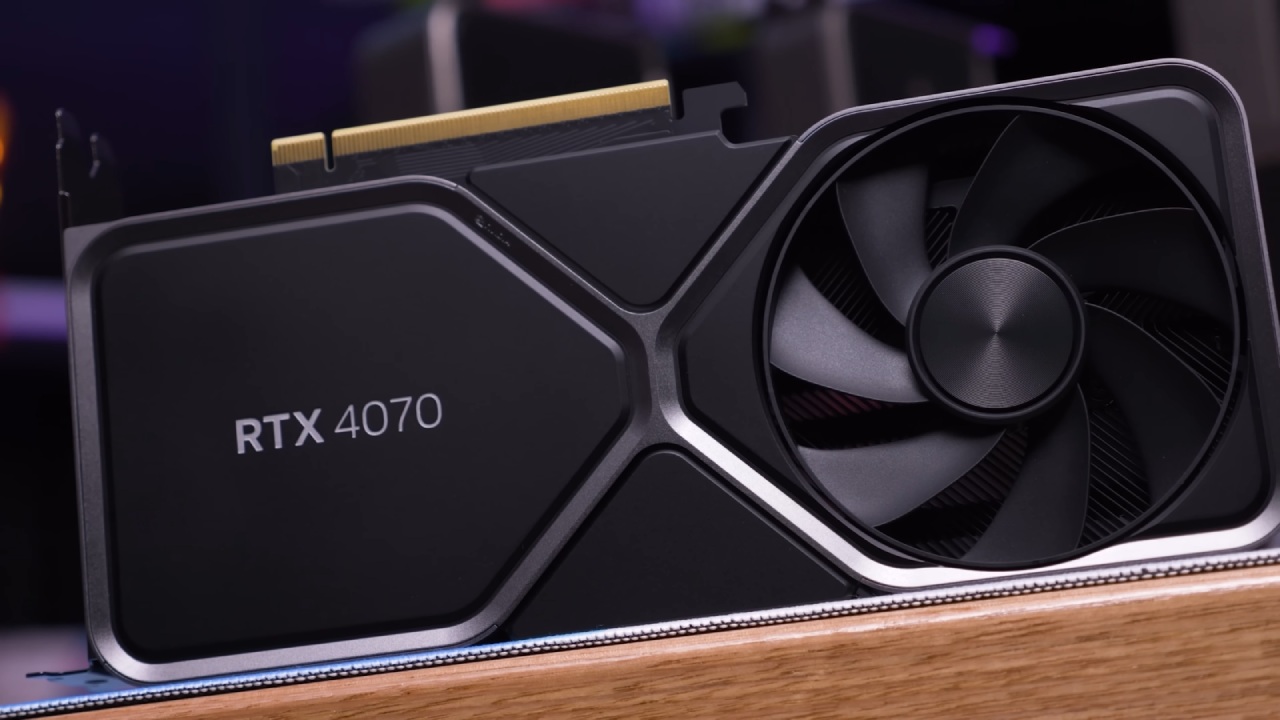
Nvidia has a long history of making bold moves whenever it feels market share is at risk. Despite its reputation for maximizing margins, the company has proven capable of surprising the market with aggressive tactics.
Right now, Radeon is gaining momentum in the DIY sector, and Nvidia clearly recognizes the threat. AMD is not dominating globally, but in the DIY market, Radeon is picking up real steam. That momentum could translate into significant market share gains, reminiscent of AMD's transition from Zen 1 to Zen 2 in CPUs.
Shifting Enthusiast Sentiment
Enthusiast surveys reveal a major perception shift, with nearly 80% of respondents viewing Radeon more favorably compared to previous generations, while Nvidia has lost goodwill.
Other community polls back this trend, showing gamers increasingly frustrated with Nvidia's approach over the past decade. Concerns also exist about Nvidia's reported GPU shipments labeled as "gaming" but not necessarily ending up in gaming systems, something covered extensively by independent outlets.
Retailer sales data further reflects Nvidia's challenges, signaling why the company is preparing a stronger counterattack. That response appears to be materializing in the form of high-VRAM RTX 50 Super refresh models.
RTX 5080 Super, RTX 5070 Ti Super, and RTX 5070 Super Leaks
We can now report that Nvidia is preparing RTX 5080 Super, RTX 5070 Ti Super, and RTX 5070 Super refreshes with substantial VRAM upgrades. Based on our sources, here are the key details:
RTX 5080 Super: 24GB GDDR7, 10,752 CUDA cores, TDP of 415W. Memory speeds will be at least 32Gbit/s, with the possibility of 36Gbit/s. Performance uplift is expected around 10%, with potential for up to 15% if 36Gbit/s is used. This could put it on par with or above RTX 4090.
RTX 5070 Ti Super: 24GB VRAM, same CUDA core count as RTX 5070 Ti, with a 350W TDP. Nvidia's strategy here is to contain costs while still boosting clocks and overall performance by about 10%. Pricing could rise modestly, around $50.
RTX 5070 Super: Compared to the current model, it has 50% additional VRAM (18GB). This card should perform 10% better, according to internal benchmark documents from AAA titles. In rivalry with AMD's RX 9070 XT, it could prompt price adjustments while offering greater RAM and Nvidia's feature set, like DLSS 4.
The RTX 5070 Super, in particular, looks compelling, delivering a stronger balance of performance and memory capacity at its tier.
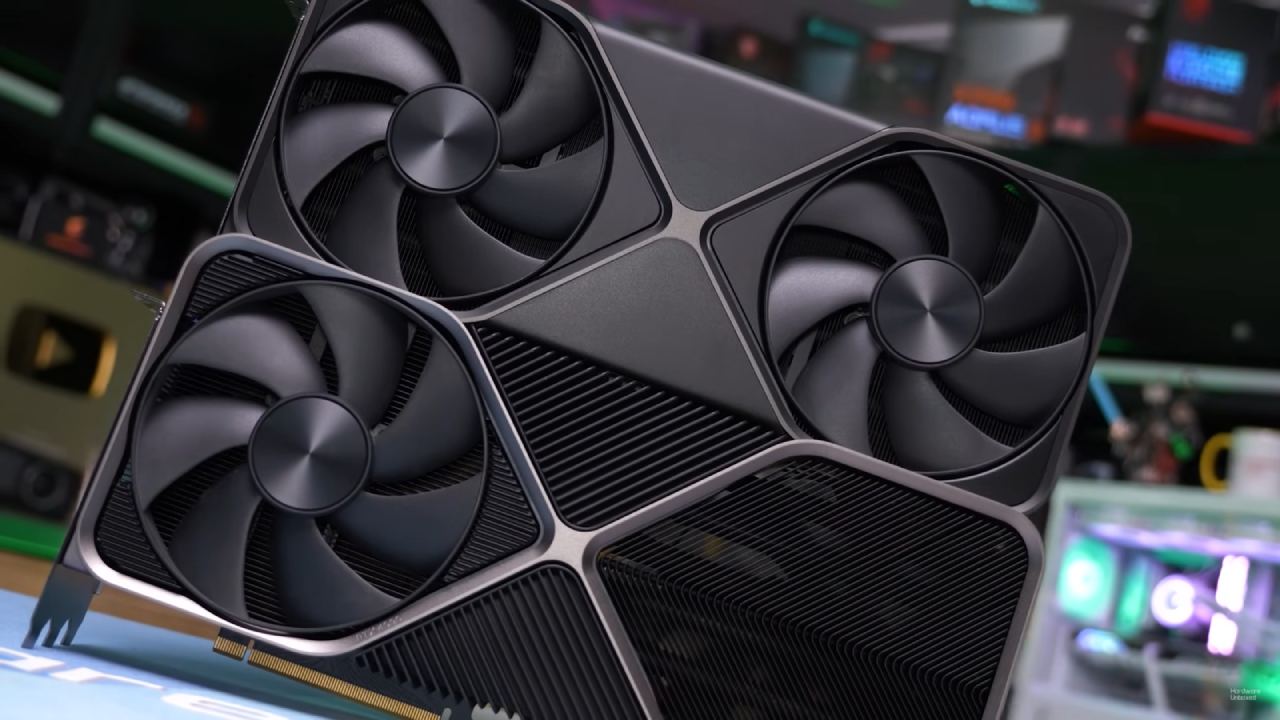
Production Changes and Pricing Strategy
Nvidia is reportedly ending production of RTX 5080 and RTX 5070 Ti in October, signaling a full shift toward their Super refreshes.
The company intends to consistently offer at least 16GB of VRAM on cards priced above $550. However, lower-tier 8GB and 12GB variants, such as the RTX 5060 Ti 8GB and RTX 5070 12GB, will still be available with reduced production.
This restructuring shows that Nvidia is serious about addressing VRAM criticisms, although it falls short of creating a perfectly clean lineup progression.
Possible Delay for RTX 5080 Super
While RTX 5070 Super and RTX 5070 Ti Super are expected to launch in Q4, RTX 5080 Super may slip to early next year. The reason is Nvidia's consideration of 36Gbit/s GDDR7 memory.
Choosing this ultra-fast memory could boost performance by a few extra percentage points, potentially enabling RTX 5080 Super to match or surpass RTX 4090.
However, waiting for 36Gbit/s modules could constrain supply and delay the launch, suggesting Nvidia views this move more as a prestige play to counter AMD's upcoming flagship than a mass-market necessity.
Radeon's Role in Nvidia's Strategy
The decision to even consider delaying for faster RAM suggests Nvidia is bracing for a powerful AMD release. We believe AMD is preparing a high-end RDNA 4 refresh for early next year, similar to past stopgap refreshes like RX 590 or RX 6950 XT. RDNA 5 is still 1.5–2 years away, and AMD has historically used refreshes to bridge such long gaps.
If AMD delivers 24GB cards with GDDR7, Nvidia's decision to match that capacity on both RTX 5080 Super and RTX 5070 Ti Super makes perfect sense. Nvidia would not hand over a VRAM advantage to Radeon without a fight.
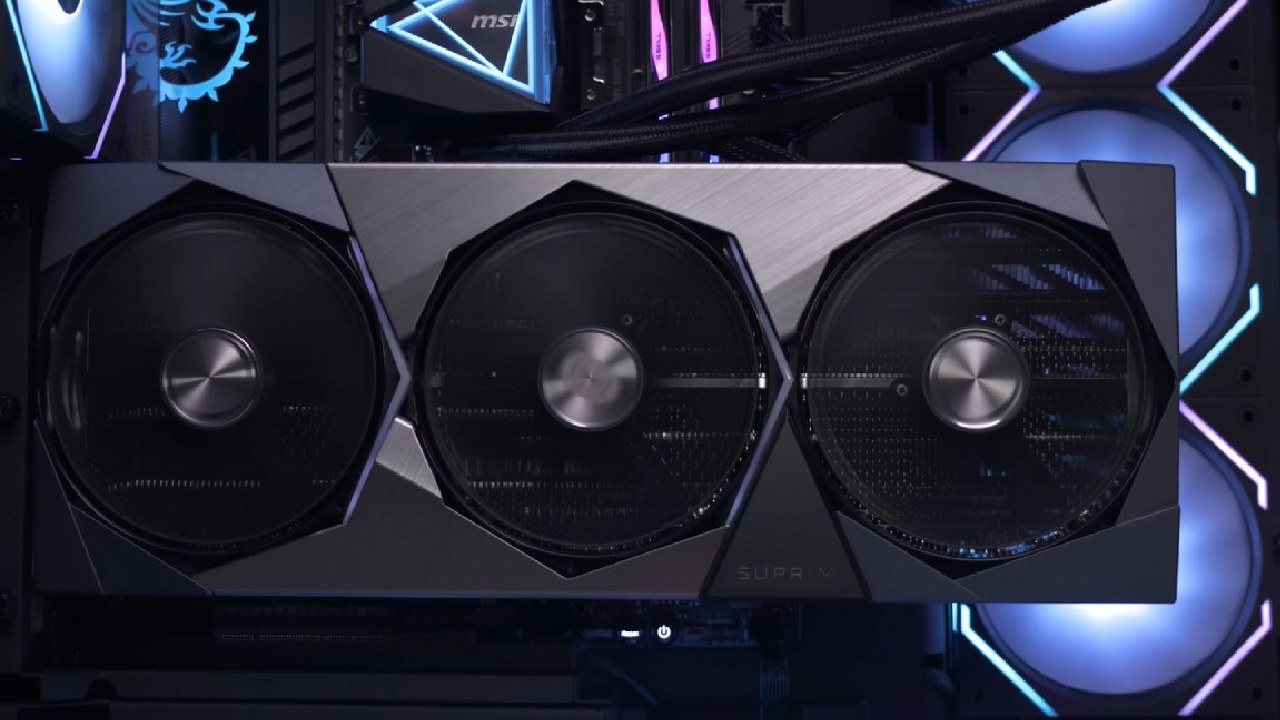
Final Thoughts
With the RTX 50 Super series refresh, Nvidia looks set to provide more VRAM across the lineup and directly counter AMD's momentum in DIY markets. The most exciting changes are the 24GB RTX 5080 Super and RTX 5070 Ti Super, alongside the 18GB RTX 5070 Super, which could shake up mid-to-high tier competition.
Whether Nvidia opts for 32Gbit/s or 36Gbit/s memory on RTX 5080 Super may come down to how much of a threat AMD's refreshed RDNA4 lineup poses early next year.
What is clear is that Nvidia is preparing to aggressively defend its position, and Radeon's growing momentum is forcing its hand in ways we haven't seen for years.
Check Our Other NVIDIA Articles:
- GeForce RTX 5090 Unleashed: Is NVIDIA's New Flagship the Ultimate 4K Gaming GPU?
- NVIDIA GeForce RTX 5080 Review (2025): Still A 4K Gaming Powerhouse?
- RTX 5090 Performance Testing In GTA 5 – 1080p, 1440p, and 4K Max Settings Benchmark
- RTX 5090 Laptop Vs. M4 Max MacBook Pro: Ultimate Raw Performance Vs. Battery Endurance
- NVIDIA RTX 5070 Review: Mid-Range Muscle or Marketing Hype?
- RTX 5070 Ti Review: Performance, Thermals & Power Efficiency Tested
- Asus ROG RTX 5090 Astral OC Vs. Founders Edition: The 4K Gaming Benchmark
- ASUS ROG Astral RTX 5090 OC Edition Review: 32GB GDDR7 & 4K Gaming Benchmark
- ASUS GeForce RTX 5090 LC Liquid Cooled GPU Review: Unmatched Silence & Speed
- MSI GeForce RTX 5090 32GB SUPRIM SOC Review: Power Efficiency, Cooling, and Gaming Performance
- INNO3D RTX 5060 Ti 16 GB X2 Review: Gaming Benchmarks, Temps, and Power Efficiency
- HP Omen 45L Review: RTX 5090 Performance, Thermals, and Value Analysis
- ASUS TUF Gaming GeForce RTX 5060 Ti Review: DLSS 4, Power Efficiency, and Gaming
- ASUS Prime RTX 5060 Ti OC 16GB Review: DLSS 4, Ray Tracing, & Thermals Tested
- NVIDIA GeForce RTX 5060 Review: Specs, Gaming, and Cost per Frame
- MSI GeForce RTX 5090 GAMING TRIO OC Review: A Monster Power GPU
Senior Editor, NoobFeed
Gaming Hardware Updates
No Data.