
Steam Machine Release in Doubt Amid Chip Shortages and Rising Hardware Costs
Ongoing component shortages create uncertainty around Steam Machine production timelines and long term hardware availability.
General by Nahe Yan on Feb 19, 2026
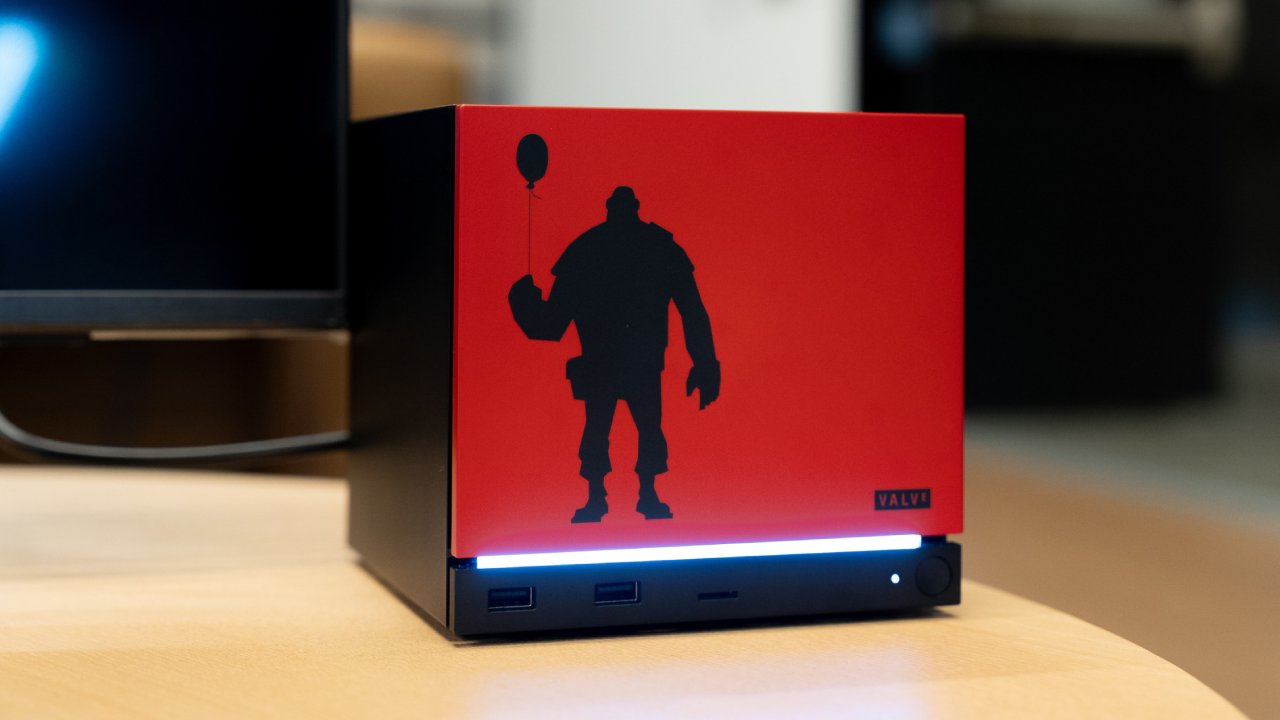
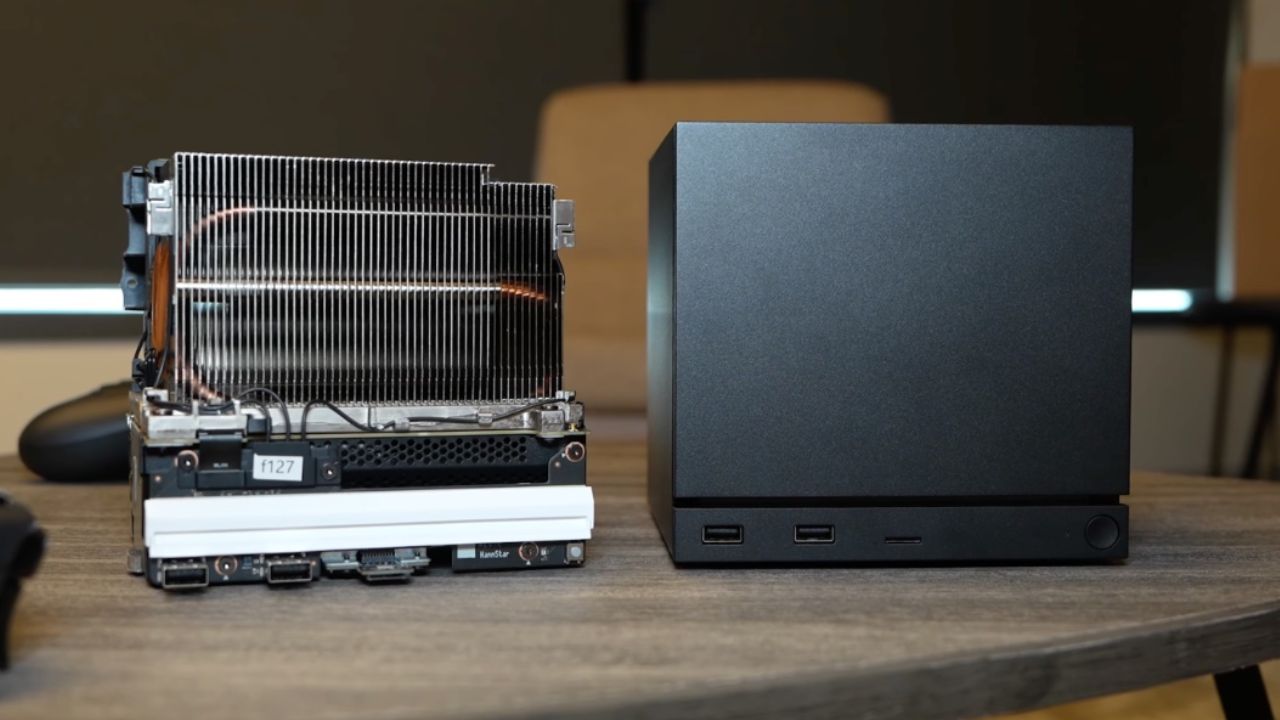
One of the most talked-about hardware announcements of 2025 was the Steam Machine. It was meant to provide a link between PC gaming and console gaming, giving people access to the Steam store while keeping the device simple enough to fit under a TV. Steam has a huge selection of games, including titles no longer available on other platforms. It also has regular sales that often beat prices on stores like PlayStation, Xbox, and the Nintendo eShop. Customization possibilities and performance tweaks are still part of what makes the PC environment so appealing.
But new information suggests the Steam Machine is experiencing more problems. There is doubt about its planned release window in the first half of 2026 due to delays, changing component costs, and broader supply issues. At this point, it seems unlikely that the launch will happen in 2026.
Concerns About the Availability of Steam Deck
Valve has made other hardware before the Steam Machine. Steam Deck has been around for years and is a handheld PC gaming device that works with the Steam environment. It didn't sell as many consoles as the big ones. Still, estimates put its sales at between 4 and 5 million systems over its existence. Distribution has mostly been limited to Steam's own store, with a few other stores carrying it.
The LCD 256GB model is no longer being produced; only OLED models are still available. Some areas still have trouble getting OLED models in stock due to memory and storage issues. Direct purchases through Steam aren't always possible in the US, which means that secondary marketplaces sometimes list units for much higher costs, sometimes more than $1,000.
The hardware for the Steam Deck isn't based on the latest technology. The OLED update adds a better screen, but the internal parts that make the device work are mostly the same. If there are problems with making a device using outdated hardware, making more powerful Steam Machines is even harder.
Costs of Parts and Stress on the Supply Chain
Prices for technology parts are changing quickly right now. There are limits on the supply of memory, storage, and chipsets, and prices can change quickly. If Valve is having trouble keeping a steady supply of Steam Decks, it will be harder to launch a higher-spec Steam Machine on a large scale.
You can easily see the problem: yesterday's prices don't guarantee today's will stay the same, and it's hard to predict component costs over the long run under these conditions. Setting definitive retail pricing and release dates remains difficult without stable supply agreements and a clear picture of available production capacity.
However, corporations have to either raise the prices of their devices or come up with new ways to make money, including changing subscription prices, raising game prices, adding more downloadable content, or adding more microtransactions.
If the Steam Machine can handle higher component costs, the sale price could be higher than expected. That situation makes it less appealing as a console option. It puts it in direct rivalry with well-known hardware platforms.
Risks of Timing and Market Conditions
The longer the Steam Machine goes without a price or a release date, the more unsure people get. There is still no confirmation of a window in the first half of 2026. Without any real information, people are starting to expect delays.
We also know that the whole industry is working on future generations of consoles, but we don't know when they will be ready. You can see how entering the market when hardware changes are underway increases the risk. Launching when there aren't enough components and competing with established ecosystems adds even more strain.
Every quarter that passes without clear information narrows the launch window. A holiday release is hard to plan if prices are still unclear and supply chains are still shaky.
Possible Reallocation of Production
One possible reason is that production priorities have changed. Valve is moving parts that were meant for the Steam Deck to the Steam Machine. If memory or storage space is limited, focusing on a new flagship device may explain why the Steam Deck's output is lower.
We don't know if this is a good idea. There are definitely problems with memory and storage, as well as stock issues that come and go. You can see that these shortages have lasted longer than a short-term change, suggesting that supply problems persist and are not just a transient issue.
Final Thoughts
We are looking at a situation where there aren't enough parts, manufacturing priorities are changing, and prices are uncertain. You can read the signals as warnings instead of hard facts, but they do point to a more complicated release for the Steam Machine in 2026.
If supply problems keep affecting gear that is already out there, like the Steam Deck, it will be very challenging to coordinate the logistics of ramping up production for a new console-class device. Timelines and prices remain unclear because there isn't steady access to components or predictable cost structures.
Also, check our other hardware articles:
- AMD Ryzen 9 9950X3D Review: Setting The Standard For 2025 Gaming CPU
- Amazon Luna 2025 Review: Is Prime Gaming's Cloud Service Your Go-To For Casual Fun?
- AMD RX 9070 XT Review: AMD's RDNA 4 Champion for 1440p Gaming
- GeForce Now Ultimate: Ditching Your Gaming PC For Cloud RTX 4080 Power?
- NVIDIA GeForce RTX 5080 Review (2025): Still A 4K Gaming Powerhouse?
- Intel Core Ultra 9 285K Review And Performance Breakdown (2025)
- AMD Ryzen 7 9800X3D Review: 3D V-Cache Goes God Mode with Stunning Gaming Performance
- Intel Core Ultra 9 285K vs AMD Ryzen 7 9800X3D: In-Depth Gaming Performance and Benchmark Comparison
- NVIDIA GeForce RTX 5080 Super Performance In Cyberpunk 2077: Path Tracing & DLSS 4.0 Tested
- AMD Radeon RX 9070 XT In Cyberpunk 2077: Ray Tracing & FSR 4.0 Tested
- Intel Arc B580 Review: The $250 GPU Revolutionizing 1440p Gaming
- Intel Arc B570 Vs. B580: Value, Specs, And Real-World Gaming Performance
- RTX 5090 Laptop Vs. M4 Max MacBook Pro: Ultimate Raw Performance Vs. Battery Endurance
- Intel Arc b580 Vs. RTX 4060: Game Performance And Value Analysis
- RTX5090 Hell Is Us Demo 4K Ultra Benchmark: DLSS Vs. Native Performance Guide
- NVIDIA RTX 5070 Review: Mid-Range Muscle or Marketing Hype?
- Nintendo Switch 2 Review: Handheld Performance, Features & Value Breakdown
- RTX 5070 Ti Review: Performance, Thermals & Power Efficiency Tested
- Samsung Odyssey OLED G81SF Review 2025: Ultimate 32-Inch QD-OLED Gaming Monitor
- AMD RX 9070 Performance Review: Thermals, Clocks, and Real-World FPS
- AMD Ryzen 5 7600 Review: Best Budget Gaming CPU of 2025?
- AMD Radeon RX 7800 XT Review: RDNA 3 Power For Midrange Gaming
- Asus ROG RTX 5090 Astral OC Vs. Founders Edition: The 4K Gaming Benchmark
Editor, NoobFeed
Latest Articles
No Data.