
Steam Machine vs. PlayStation 5: Console That Can't Justify Its $1,049 Price Tag
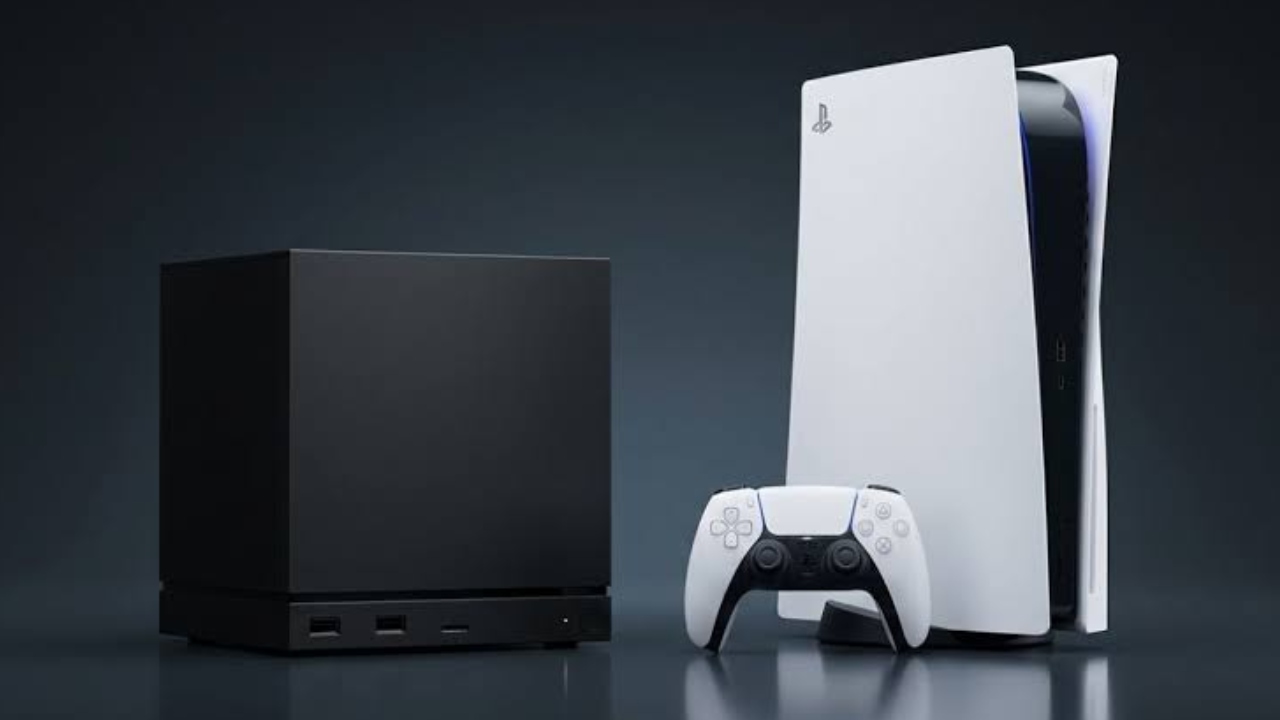
Steam Machine pairs a compact living room form factor with a light bar that doubles as a status indicator.
Hardware by Naheyan Tahmin on Jul 14, 2026
On paper, a PC housed in a console-sized box in the living room is an obvious win, and the Steam Machine is all about that, with its compact size, RGB status indicators, and HDMI CEC support. There's been a mixed reaction online, with some people looking forward to acquiring one and others calling out the price relative to what the hardware offers.
Now let's take a close look at the Steam Machine's strengths and weaknesses, and the value's weaknesses. The concept of the Steam Machine is laudable, in and of itself. The combination of PC gaming in a console-sized box offers the benefits of a console system in a living room, while still allowing you to enjoy the PC gaming experience on a dedicated PC.
Pricing and Specs Set Up: A Steep Value Problem
The light bar provides an extra degree of customization, and it is also a useful status indicator to keep track of game installs and updates, another welcome addition! Support for HDMI CEC is also mentioned frequently in the device's sales materials, and we have a feeling that the emphasis placed on this feature online is greater than in real life, but it's a real plus nonetheless.
The base price of $1,049 includes a 512GB storage option for the Valve Steam Machine, but doesn't include a controller. The more storage that's added or a controller is purchased, the higher the total. By itself, this figure would not be considered high, as PC components are generally sold at a high rate. If you consider the price relative to the actual performance of the hardware, though, that value proposition crumbles, not midway between the extremes.
Valve first advertised the Steam Machine as a 4K, 60 fps machine with FSR support, but removed the 60 FPS number and the word '60' from the Steam Machine's sales copy, leaving the reference to 4K and FSR entirely for FSR-only games. The change already indicates how far the real output is below the original pitch.
Benchmark Results Tell The Real Story
Black Myth: Wukong ran at an average of 43.9 FPS, Starfield at 41 FPS, and Oblivion Remastered at 27 FPS. Others were more successful: Kingdom Come: Deliverance 2 achieved 50 FPS, while Resident Evil 4 reached 94 FPS, though the latter is an outlier, known for its efficiency across a wide range of platforms.
With frame generation disabled and FSR set to the performance mode, a setting one step up from the lowest upscaling mode, testing from Linus Tech Tips brought the Steam Machine to 4K. In that place, most titles did not average 60 FPS. Forza Horizon 6 averaged 50 FPS, Doom: The Dark Ages dropped to 42 FPS, and Cyberpunk 2077 was at 41 FPS.
That's true of Shadow of the Tomb Raider, one of the few exceptions that performed better, but it doesn't offset the trend across the remainder of the roster. The Steam Machine isn't as easy to use as a real 4K 60 box, with some presets still not working, and even when upscaling is enabled, it will only hit 60 FPS at best.
Digital Foundry ran the Steam Machine in comparison to a PlayStation 5 base console, which doesn't even include the PlayStation 5 Pro, and the Steam Machine still wasn't holding up. That only widens the gap between the PS5 Pro and the base PS5, as the PS5 Pro is a definite step up from the base model.
Better Alternatives at the Same or Less Cost
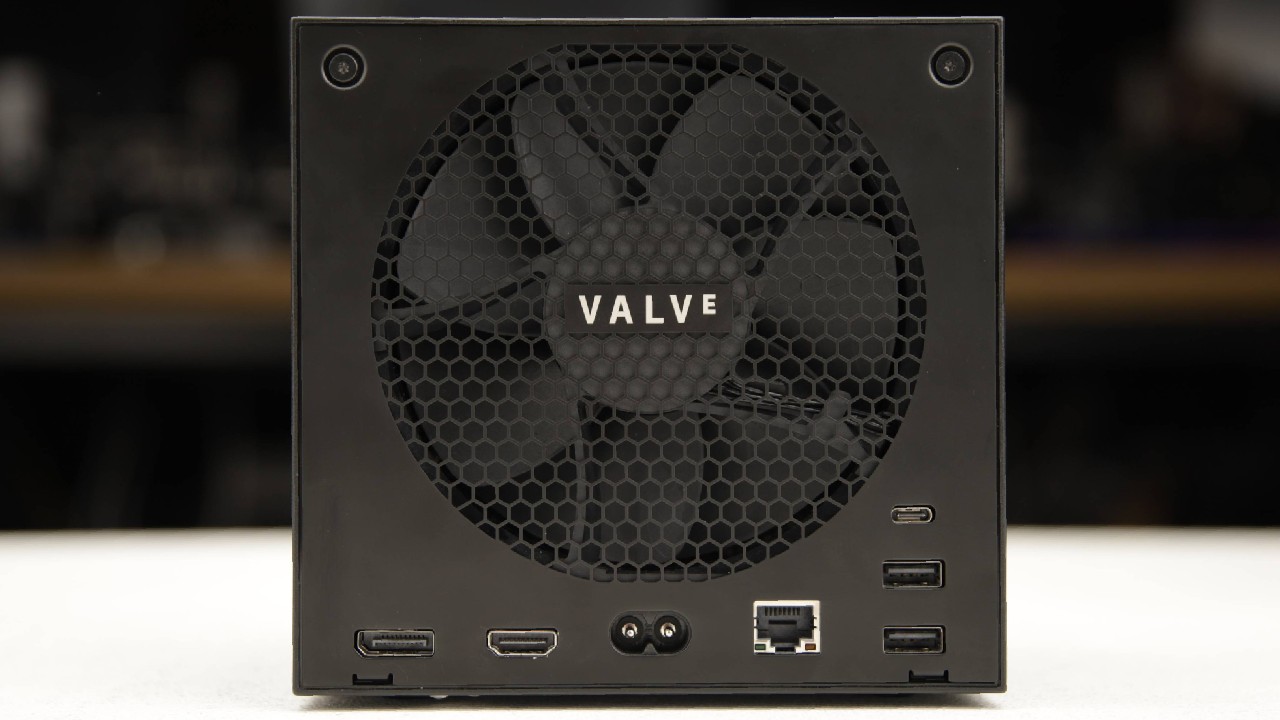
If your first priority is gaming in the living room, you're better off with a traditional console such as the PlayStation 5, PS5 Pro, or Xbox Series X, which is more affordable and more powerful than the Steam Machine. Another way is to construct your own build with a similar budget, and that build will certainly beat the Steam Machine. It'll be larger than the Steam Machine itself, but not as big as it's often described.
There are small-form-factor cases, of course, for this type of construction, and models such as the Fractal Terra or NZXT H2 Flow allow you to maintain a compact footprint while giving it a look that would be more at home in a living room than a traditional ATX tower.
Valve also opened SteamOS to the public, and a self-contained version of the OS is available for free, meaning a self-contained build of SteamOS will run the same as the Steam Machine itself, without any of the Steam community to lose.
HDMI CEC is a big selling point for the Steam Machine, and those specs aren't that important.
There are no GPUs or motherboards available on the market that have native support for HDMI CEC – and it's what makes a traditional console feel seamless. However, using a missing input-switching convenience as an excuse for a $1,049 starting price is a bit over the limit and becomes quite ridiculous when you factor in some workarounds.
For instance, waking up a living room PC by pressing Enter on the keyboard can be eliminated altogether in Windows settings: You might only need to switch inputs on the TV and turn it on to watch something in the first place. The form factor, the light bar, and the Steam Controller are all positives, and that's a fact. However, the performance is just not worth this price at this level.
This same hardware, at $500, would be a no-brainer, and even a model with about 2x today's performance at this price would pass. At present, building your own small-form-factor computer or buying a console would be a more cost-effective way to get performance at a lower price,, and tons of builds already exist that demonstrate just that.
Editor, NoobFeed
Latest Articles
No Data.