
Every Game Steam Frame Can Run — From Retro Emulation to PC VR
Steam Frame runs SteamOS on a Snapdragon 8 Gen 3 chip, supporting broad retro emulation across multiple older consoles.
Hardware by Shinji Okazaki on Jul 15, 2026
Valve's Steam Frame headset makes people think about many new things. Which games can be played? How does it compare to other headsets that you can use on their own? What can the hardware actually do for people when it reaches them? You can get a good idea of what to expect by looking at the specs, the software stack, and how similar gear works now.
Steam Frame runs SteamOS the same way the Steam Deck does, which gives it a level of flexibility beyond that of typical VR headsets. We use Steam Deck regularly as an emulator, mainly for PlayStation 1 titles, and Steam Frame is positioned to do the same job.
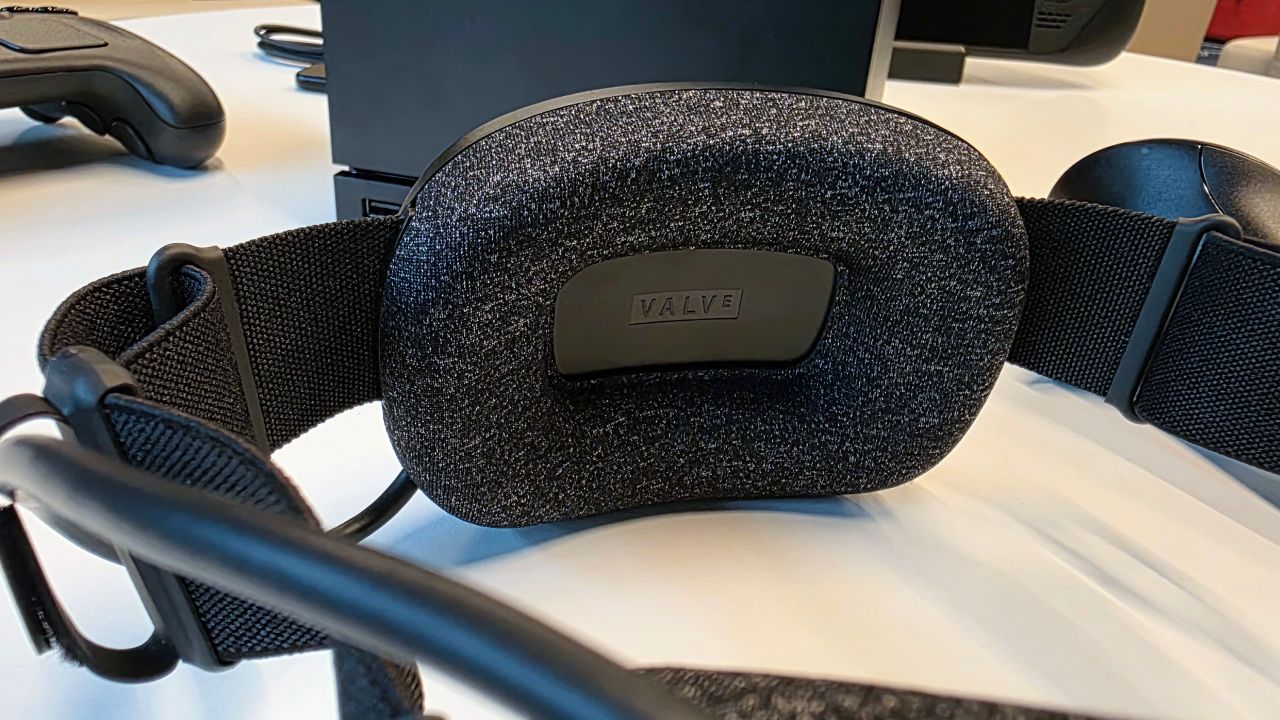
It runs a Snapdragon 8 Gen 3 chip with 16GB of RAM, which is enough for a wide range of retro emulation, including PS1, PSP, Dreamcast, GameCube, Wii, older arcade systems, and likely a good share of PS2 titles.
Steam Frame as a Portable SteamOS PC
One of the more interesting possibilities sits inside VR rather than on a flat screen. EmuVR lets you load a library of ROMs and consoles and play them inside a virtual recreation of a bedroom setup, complete with CRTs, VHS tapes, older consoles, cartridges, and posters. It captures a specific kind of nostalgia well, and the format fits Steam Frame closely.
EmuVR currently officially runs only on Windows, but people have already gotten portions of it running on Linux via Proton. One user reported adding EmuVR and Game Scanner to Steam with Proton enabled. That does not guarantee standalone support on Steam Frame, but it points to the possibility.
People often say that Steam Frame is just a Steam Deck strapped to your face, but that's not really what it is. Most PC games are designed to run on an AMD x86 chip, which is what the Steam Deck has. Snapdragon 8 Gen 3 is an ARM-based chip that runs Steam Frame. This means that some games in the Steam library need extra translation to work.
Most of the time, a Windows PC game goes through Proton and then FEX, which changes the code from x86 to ARM. Still, the games should be able to run. This means that compatibility is more important than raw processing speed.
Flat Games and ARM Translation
Lighter titles, including Hollow Knight, Celeste, Stardew Valley, Vampire Survivors, and Undertale, are likely to perform well since they already run smoothly on the Steam Deck and do not demand a large GPU. More demanding titles present a tougher question. Project Zomboid is a useful test case: it is simulation- and CPU-heavy, and can become more demanding the longer a session runs.
According to information from Valve's GDC presentation, the Steam Frame target for flat games is around 30 fps at 720p. The game must also be compatible with Steam Frame controllers and have an easy-to-read interface. That's more of a baseline check than a high bar. It's more like making sure a game works on the headset than testing its peak speed.
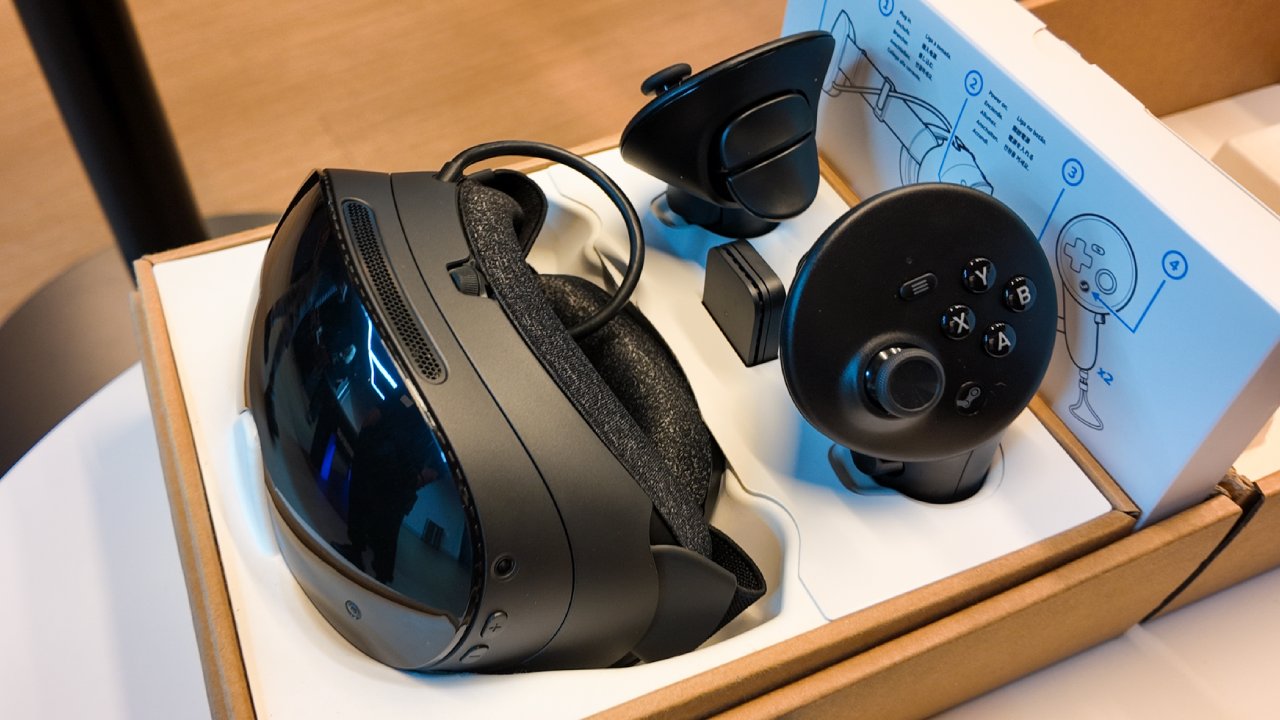
Since Project Zomboid already works on Steam Deck, adding an ARM translation layer to meet that standard seems like a good idea. Flat gaming on Steam Frame breaks down into three tiers. Lightweight indie titles should run without issue.
Heavier simulation games, older 3D titles, and existing Steam Deck games represent the real test, and most should run, particularly with foveated rendering support. Modern AAA titles are better suited to streaming rather than local execution.
Streaming and The Dongle
Heavier games are not expected to run locally on the headset at all. Valve includes a dedicated wireless dongle that connects to a PC or Steam Machine and creates a 6GHz connection directly to Steam Frame. Combined with eye tracking, the system can prioritize image quality in the area you are looking at directly, since the edges of your vision do not require the same level of detail.
That approach reduces the amount of data needed to maintain a clean image, which can lower compression artifacts and latency. Streaming typically runs into two problems: perceived delay and softer image quality. The dongle addresses the delay, and eye tracking addresses image quality.
Together, they give Steam Frame an advantage over Steam Deck that has nothing to do with local processing power. Valve appears confident enough in this streaming setup to support competitive, fast-paced titles, which are among the more demanding benchmarks for wireless streaming.
VR Performance and Comparison to Quest 3
VR is the category Steam Frame is actually built for, and expectations should be measured against Quest 3 as a reference point. Quest 3 runs a Snapdragon XR2 Gen 2 chip with 8GB of RAM.
Steam Frame runs a newer Snapdragon 8 Gen 3 with double that memory, at 16GB. That advantage does not mean Steam Frame will run something like Half-Life Alyx as a standalone title the way a full gaming PC would; it remains mobile hardware, so standalone VR titles will still be built around efficiency measures such as simplified lighting, simpler shadows, and optimized physics.
When used by itself, Steam Frame should be better than Quest 3 in terms of raw power while still having about the same number of games and experiences. This should include most Quest games that aren't platform-exclusive. The extra space could enable better textures, more stable performance, and larger worlds in games made for the hardware, but the refresh rate upgrade is likely to be more useful.
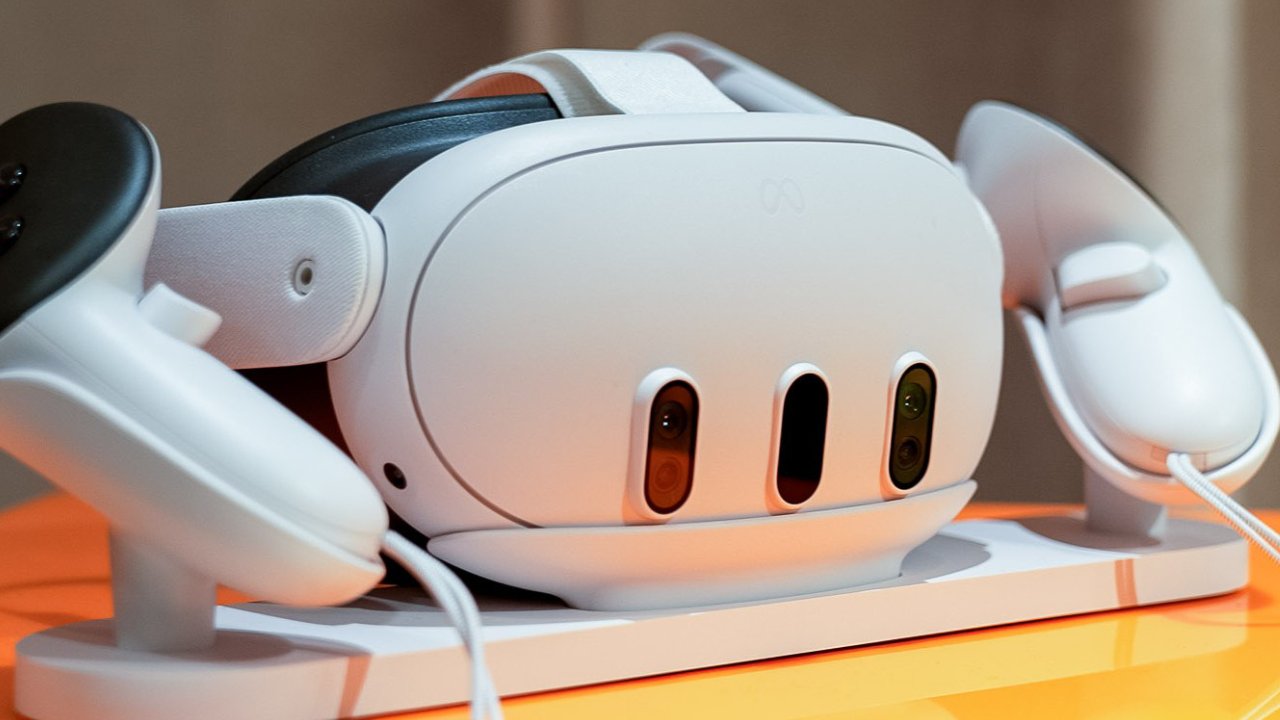
On Quest hardware, the fastest refresh rate is 72 Hz, and on Steam Frame, it's 144 Hz.
Higher refresh rates make the speed difference clear, which changes how playable a game feels after longer sessions. Quest 3 already supports PC VR through Air Link, Steam Link, and Virtual Desktop, and does it well. Steam Frame approaches PC VR differently: rather than treating it as a workaround, Valve appears to be building games around the headset from the start through SteamVR. Opening a title like Half-Life Alyx should work.
Still, without specific optimization for the headset, performance will likely be unplayable, and the same applies to most current PC VR titles in their existing form. Eye tracking and streaming remain the two features most likely to close that gap, since the same foveated streaming approach used for flat games applies to PC VR content streamed from a PC or Steam Machine, which represents Valve's primary use case for the headset.
Steam Frame is likely to do more than Quest 3 in terms of raw capability, even if it is not the strongest performer in every category. The translation layers effectively make it a PC headset without requiring a full PC to operate. For many, the more relevant detail may be that this headset does not come from Meta: you can mod it, run emulation on it, and treat it as an extension of your existing PC setup, the same qualities that make the Steam Deck appealing.
Editor, NoobFeed
Gaming Hardware Updates
No Data.