

Which Subscription Wins Between Xbox Game Pass and PlayStation Plus
Other by NestiShy on Jul 08, 2026
Subscription services show the clearest differences. Xbox Game Pass is built around broad access to a rotating library. PlayStation Plus combines online play, monthly games, and catalog tiers. For New Zealand players, the choice depends on local NZD pricing, as well as console availability and whether the service fits a household.
A direct comparison is difficult because Microsoft and Sony do not publish the same type of data across all regions. Microsoft reported 34 million Game Pass subscribers at the start of 2024, while Sony had 125 million monthly active PlayStation users in 2026. The stronger model will be the one that keeps players subscribed as prices continue to rise.
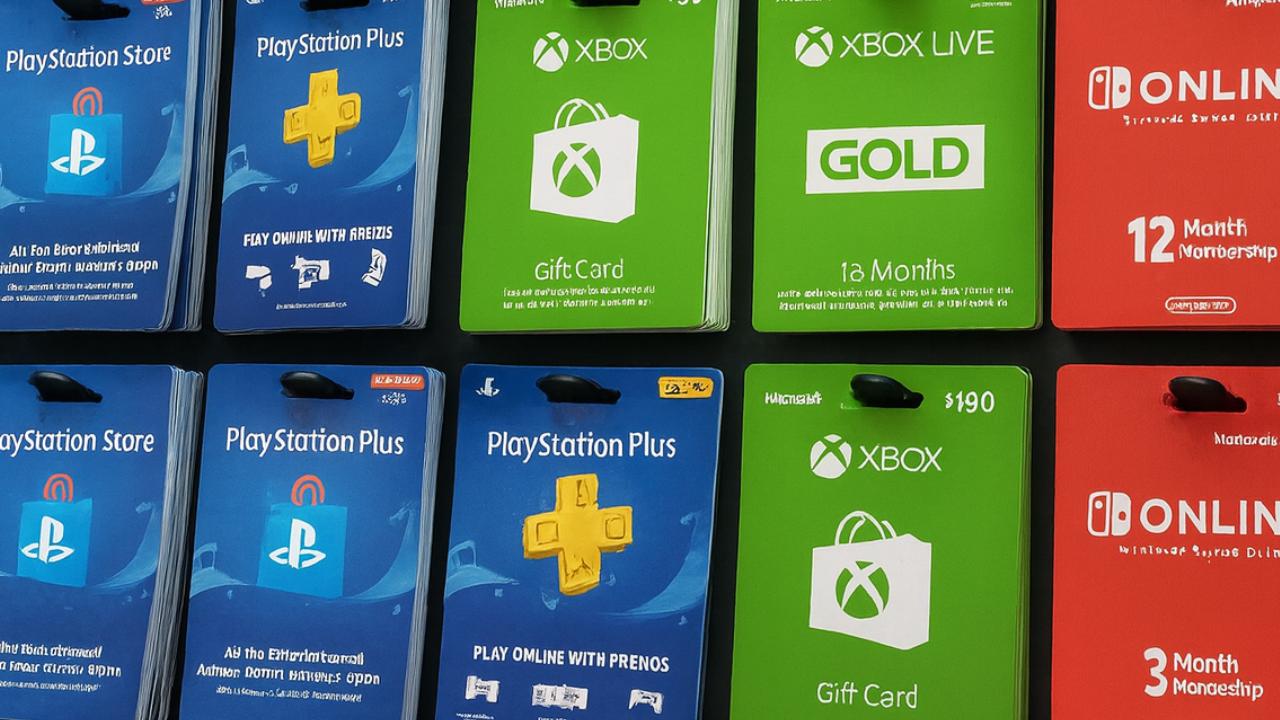
Two Different Visions for Gaming Subscriptions
Both Microsoft and Sony target the same subscribers by employing two opposing business models. Microsoft offers Game Pass, which features day-one availability of new titles. Higher tiers also include extras like EA Play and Ubisoft+ Classics.
Game Pass Ultimate reaches the most devices. According to the official Xbox Wire update, the Ultimate version covers consoles, PCs, and cloud. It costs just NZ$32.95 a month. Day-one releases from its catalog are a major selling point.
However, Sony has chosen a different route. PlayStation Plus supports Sony’s premium game sales without replacing them. Big exclusive releases come out at full price upon release while making it to the subscribers later or even not at all. This program relies on an extensive selection of games.
Game Pass vs PlayStation Plus: A Side-by-Side Comparison
The two services line up very differently across price, libraries, and platform reach. The table below compares their current shape, using New Zealand monthly pricing as of June 2026:
|
Feature |
Xbox Game Pass |
PlayStation Plus |
|
Pricing Tiers (monthly) |
Essential NZ$15.95, Premium NZ$21.95, PC NZ$20.95, Ultimate NZ$32.95 |
Essential NZ$17.95, Extra NZ$28.95, Deluxe NZ$30.95 |
|
Day-One Releases |
Yes, first-party day-one on Ultimate |
No, first-party stays full-price at launch |
|
Library Size |
Hundreds across console and PC |
400+ catalog, plus classics |
|
First-Party Games |
Available day-one on Ultimate |
Added later, not at launch |
|
Cloud Gaming |
Unlimited Xbox Cloud Gaming (Ultimate) |
Not in the main NZ offer |
|
Classic Games |
Limited catalog of older games |
Deep PS1-PS3 and PSP library (Deluxe) |
Follow the information from the table to compare the offers and select the most suitable one for you. The same technique is useful in many fields, including gambling. In New Zealand, you may study bonuses, registration, payment methods and games to evaluate a gambling platform with Slotozilla. With up-to-date reviews, you can select a good option based on your preferences.
Why Game Pass Has Become the Industry Benchmark
Day-one access is what makes Game Pass special. Plus, they don’t need to pay full price upfront. Microsoft’s approach comes down to a few key points:
- day-one first-party releases that anchor the value pitch;
- heavy bundling, with EA Play, Ubisoft+ Classics, and Fortnite Crew inside Ultimate;
- a multiplatform pivot, placing Xbox games on PlayStation and Switch;
- wide device reach, across console, PC, cloud, and handheld hardware.
That’s another risk of the model. Putting expensive games on the service immediately strains the economics, part of why prices swung so sharply through 2025 and 2026.
Why PlayStation Plus Still Has Major Advantages
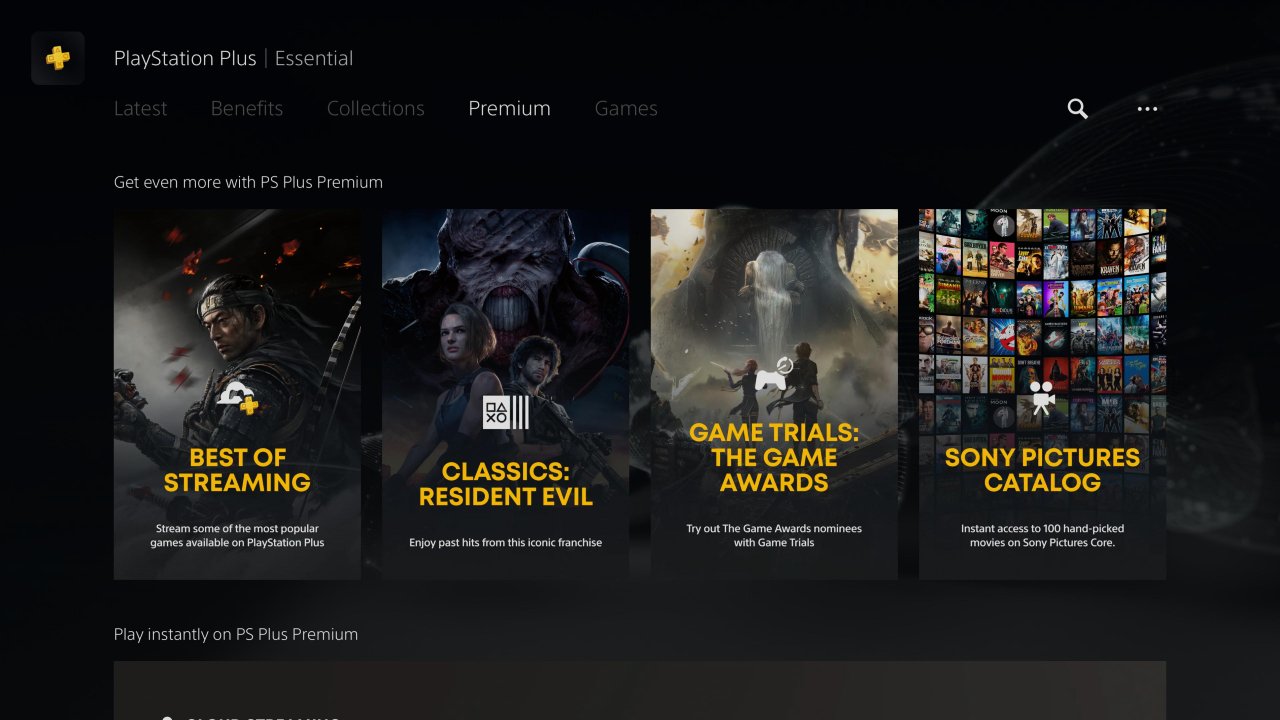
PlayStation Plus is slow and steady, and it succeeds. Sony reported about 50 million PS Plus subscribers and 125 million monthly active users (MAU) as of March 2026. Microsoft has not matched that subscriber scale yet, but the two services rely on different strengths.
PlayStation Plus benefits from full-price exclusive releases, including major first-party games such as Marvel’s Spider-Man 2 and Ghost of Yōtei. It also has a broad catalog of more than 400 downloadable games on Extra, while Deluxe adds classics from older PlayStation generations. For many PS5 owners, the service works because it supports an existing console library rather than trying to replace new game purchases.
Which Model is Better Positioned for the Future?
Both models faced their own challenges in 2026. Microsoft reduced Game Pass Ultimate in the US after backlash over higher pricing, while the New Zealand Ultimate plan now sits at NZ$32.95 per month. Sony took a different route, leaning on PlayStation Plus tiers, catalog access, and full-price exclusive releases rather than day-one access to its biggest new games.
Game Pass stands out because of its scale and routine gaming. It makes subscription-based gaming the norm and offers more platforms than any rival. The case for PlayStation Plus is clear: it keeps a premium revenue model and offers access to a vast library. But both are now facing similar challenges:
- Rising development costs make day-one inclusion costly.
- Price fatigue follows repeated hikes on both sides.
- Hardware costs have also risen, with PS5 reaching NZ$1,099 for the standard model.
You are likely to see more ways to make money from hybrid subscription services. Premium tiers will offer day-one access. Classic games and collections will support lower tiers. Add-ons will replace price hikes. Game Pass may focus on fewer day-one titles. Meanwhile, PlayStation Plus will explore how much of its catalog it can offer without hurting sales.
Moderator, NoobFeed
Latest Articles
No Data.