
Why Switch 2 Will Survive the Next Console Generation
Switch 2 could maintain strong developer support as expensive next-generation consoles struggle to build large install bases.
Nintendo by Naheyan Tahmin on Aug 25, 2026
With its long-term plans for Nintendo Switch 2, the company has been the subject of speculation about whether the Switch will remain Nintendo's primary console into the early 2030s. Switch 2 feels more like the original Switch than current-generation hardware, mainly because it offers more robust third-party support early on.
But the bigger question is whether the system will stand the test of time and whether developers will keep creating games for it for the next 6-7 years. This is one of the primary reasons there's little concern about Switch 2, as the SOC is in a much more stable position than the original Switch hardware ever was.
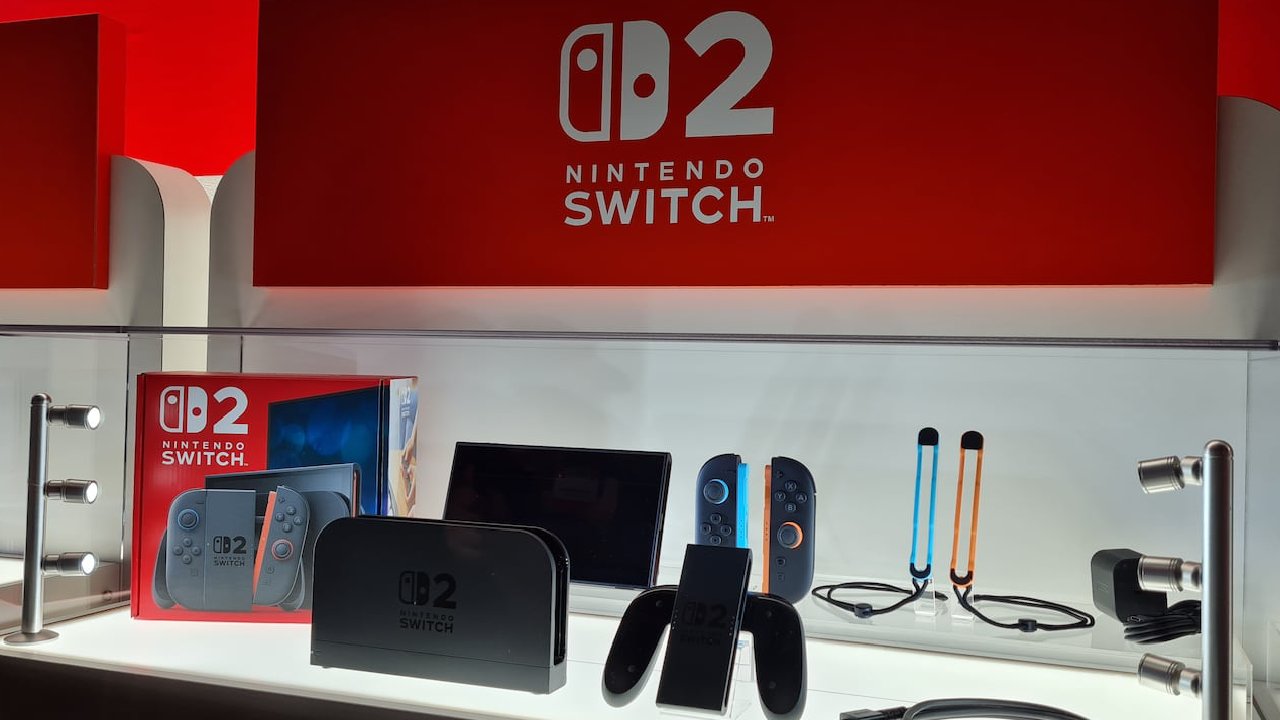
In addition to being lighter on the event itself, the original Switch wasn't as powerful as other platforms because it lacked some of the technologies already used on those platforms at the time of its release. The original hardware didn't have features such as async compute.
Switch 2 is Starting in a Better Position than Switch 1
That's a world of difference with Switch 2. PS5 is ahead of the hardware in certain aspects. It supports proper mesh shading, machine learning, and specialized ray tracing acceleration. Those additions matter, as they let the system scale in ways the original Switch couldn't. As a result, developers can take a different tack with ports than with the previous generation.
The industry has moved from a time when games were available on a single platform to offering them on as many platforms as possible. The cost and time required to produce AAA games have been steadily increasing. So PS5 developers will not be ready to give up so easily, even with next-gen consoles here.
Support from third Parties may be Strong for a Longer Period
That's in Switch 2's favor. Many PS5 games will likely be scaled down to a 30 fps Switch 2 version if they're targeting a median resolution of 60 fps. It is not guaranteed that all the titles will be on the system, but it should get much more support than the original Switch ever did.
Meanwhile, the Switch 2's audience will depend on the types of titles developers want to offer. Not all of the big titles make it on the platform today. But the software support that already exists appears stronger than in the early days of Switch 1.
PS5 Generation could Extend the Switch 2's Life Span
The PS5 Generation may help prolong the Switch 2's life. The fate of Switch 2 could depend heavily on the longevity of the PS5 generation. Switch 2 should also benefit from cross-generation development cycles as long as PS5 receives games well into the early 2030s.
In the short term, a steady flow of software will come from both last-generation and current-generation projects. Third-party releases were outpaced throughout Switch 1, as developers moved to more challenging hardware. Many Switch 1 ports were leftovers from previous console generations and were eventually phased out. Switch 2 in position 2 is better than Switch 1 before, but a similar limitation may appear later in Switch 2's life.
Technical Gaps could be Larger in the 2030s
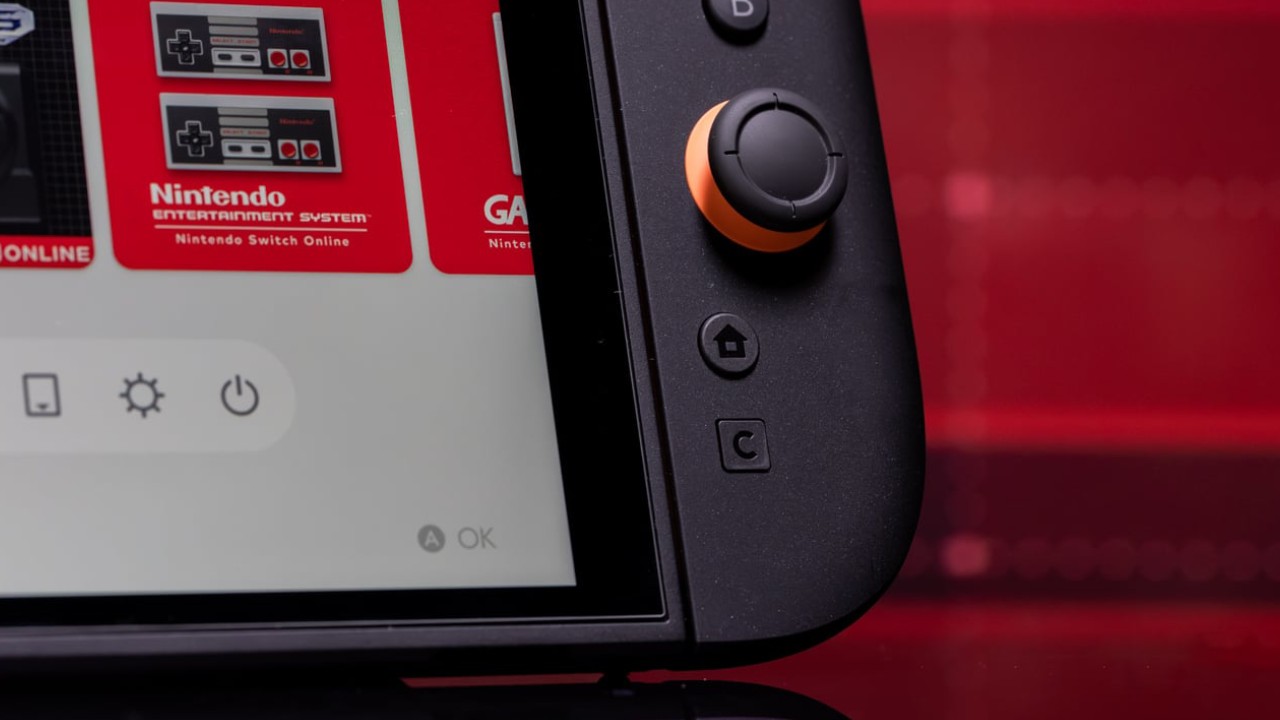
As the industry moves into the next generation of hardware, Switch 2 could be even further behind newer titles. In the near future, starting in the early 2030s, developers could turn their attention to more sophisticated ray-tracing pipelines and more “higher-end” rendering capabilities that aren't easily downscaled efficiently.
This could result in Switch 2 versions that support only 30 fps and lower-quality visuals, others that use only raster-based lighting paths, or more primitive versions capable of higher frame rates with less advanced visuals. It could also be a time when all the more straightforward third-party ports are out, and the flow of big software to the platform decreases.
The platform is still driven by the company's First-Party Software.
For many years, Nintendo's first-party software has accounted for approximately 50% of the company's eShop revenue. Having third-party support is a crucial part of Nintendo's platform strategy, but it's not as much as it is with other opponents.
With the launch of any of Nintendo's own games, the platform can still be maintained even if third-party titles lag behind later in the generation. We might still get more overall support from this generation than Switch 1 did, as the PS5 generation will still be around for a while.
Switch 2 could eventually face situations similar to those of other aging consoles. Still, the hardware, the industry's direction, and Nintendo's first-party lineup give it a leg up on the original Switch.
Editor, NoobFeed
Latest Articles
No Data.