
AMD RDNA 4M Firmware Arrives as Radeon RX 8000M Gaming Laptops Near Launch
Early Linux firmware support reveals AMD’s preparations for a major RDNA 4M mobile GPU rollout targeting next-generation gaming laptops.
Hardware by Tanvir Kabbo on Aug 24, 2026
AMD has quietly delivered one of the clearest signs yet that its next-generation mobile graphics hardware is moving toward an actual laptop launch. The company has submitted the first open-source Linux firmware patches for RDNA 4M, the mobile implementation of its RDNA 4 architecture, providing an important software-side confirmation that new Radeon laptop hardware is getting closer.
Firmware patches might not generate the same excitement as benchmark leaks or product announcements, but they are often among the most meaningful clues in the hardware release cycle. Graphics hardware needs display, power-management, compute, and driver infrastructure in place before systems reach consumers. AMD pushing these components upstream suggests that the company is well into the enablement process for its upcoming mobile GPUs.
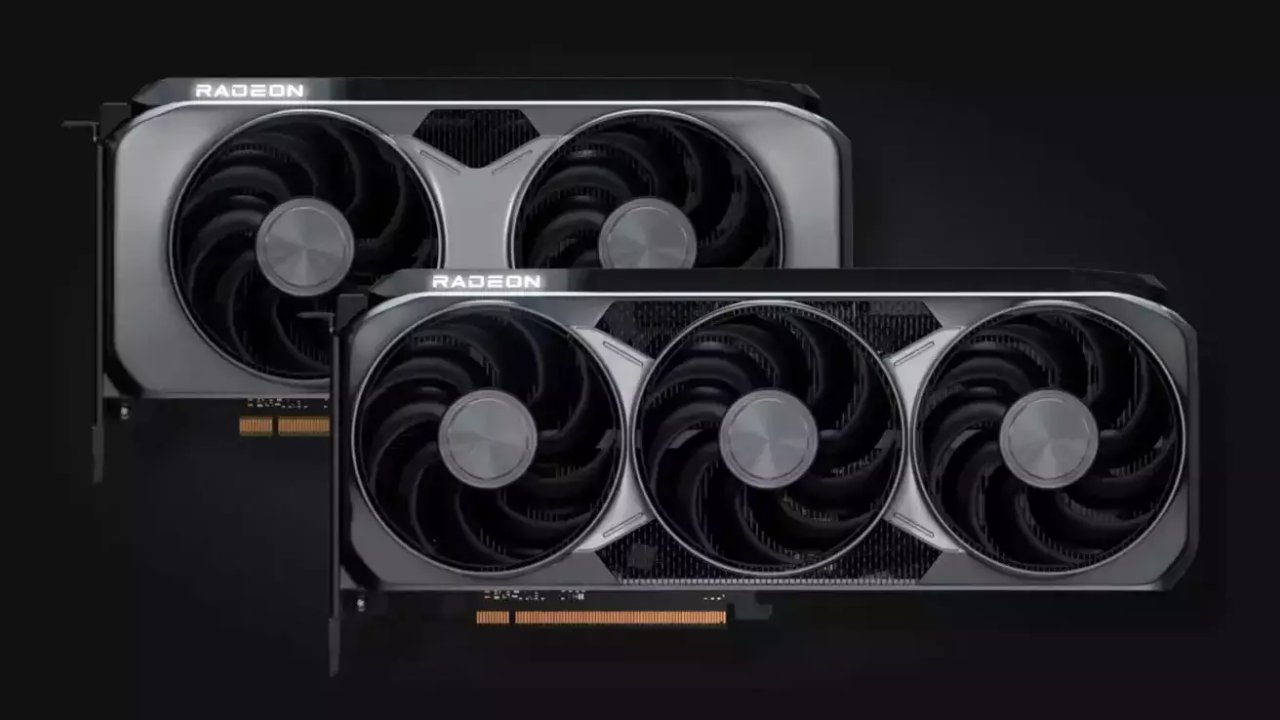
That makes the reported Radeon RX 8000M series considerably more interesting. If AMD follows its historical software-development pattern, these early patches point toward a launch window potentially arriving within the Fall/Winter period.
RDNA 4M Puts Laptop Efficiency at the Center
The significance of RDNA 4M goes beyond AMD simply shrinking its desktop architecture into a laptop package. Mobile GPUs operate under much tighter thermal and power constraints, where every watt must translate into useful performance.
RDNA 4's architectural priorities therefore make considerable sense for notebooks. AMD has placed substantial emphasis on improving hardware ray tracing while simultaneously pushing greater power efficiency. Those improvements can have a different impact on a gaming laptop than they would on a desktop graphics card.
On a desktop, you can often accommodate additional power consumption with a larger cooler, higher fan speeds, or a more aggressive power limit. A laptop does not have that luxury. The GPU operates in a tight thermal environment with the CPU; battery capacity is limited, and sustained performance can quickly become a juggling act between temperature, noise, and battery life.
This is where better ray-tracing efficiency may be really useful. Ray tracing has traditionally incurred significant performance and power costs, making efficient dedicated hardware increasingly important for mobile gaming. If RDNA 4 can deliver substantially stronger ray-tracing performance without demanding a proportionally larger power budget, AMD could have a much more compelling architecture for premium gaming notebooks.
The other half of the equation is sustained performance. A laptop GPU that posts great peak benchmark numbers but quickly hits thermal limits is less helpful than hardware that can sustain high performance over long gaming sessions. RDNA 4's efficiency improvements could allow manufacturers to build thinner systems without sacrificing as much graphics performance.
RX 8000M Could Change AMD's Mobile Strategy
AMD's biggest challenge is not simply producing a competitive GPU. It is getting those GPUs inside enough laptops. NVIDIA has built an exceptionally strong position in the gaming notebook market, with GeForce becoming the default graphics choice across a huge range of gaming systems.
ASUS, Lenovo, MSI, and other major manufacturers have extensive experience designing around GeForce GPUs, while consumers are already familiar with NVIDIA's software ecosystem and feature set.
That creates a difficult cycle for AMD. Fewer Radeon laptop designs mean fewer opportunities to demonstrate competitive performance, which can reinforce OEM and consumer preference for GeForce. Breaking that cycle requires more than one generation of strong GPUs.
The early RDNA 4M firmware push suggests AMD understands that software enablement has to happen well before the hardware reaches store shelves. Getting Linux support moving early can help developers, OEM engineers, and the broader open-source ecosystem prepare for the new architecture rather than scrambling after launch.
More importantly, it hints at a broader hardware push rather than an isolated product. If AMD wants the Radeon RX 8000M series to make a meaningful impact, it needs multiple laptop configurations covering different performance and price segments.
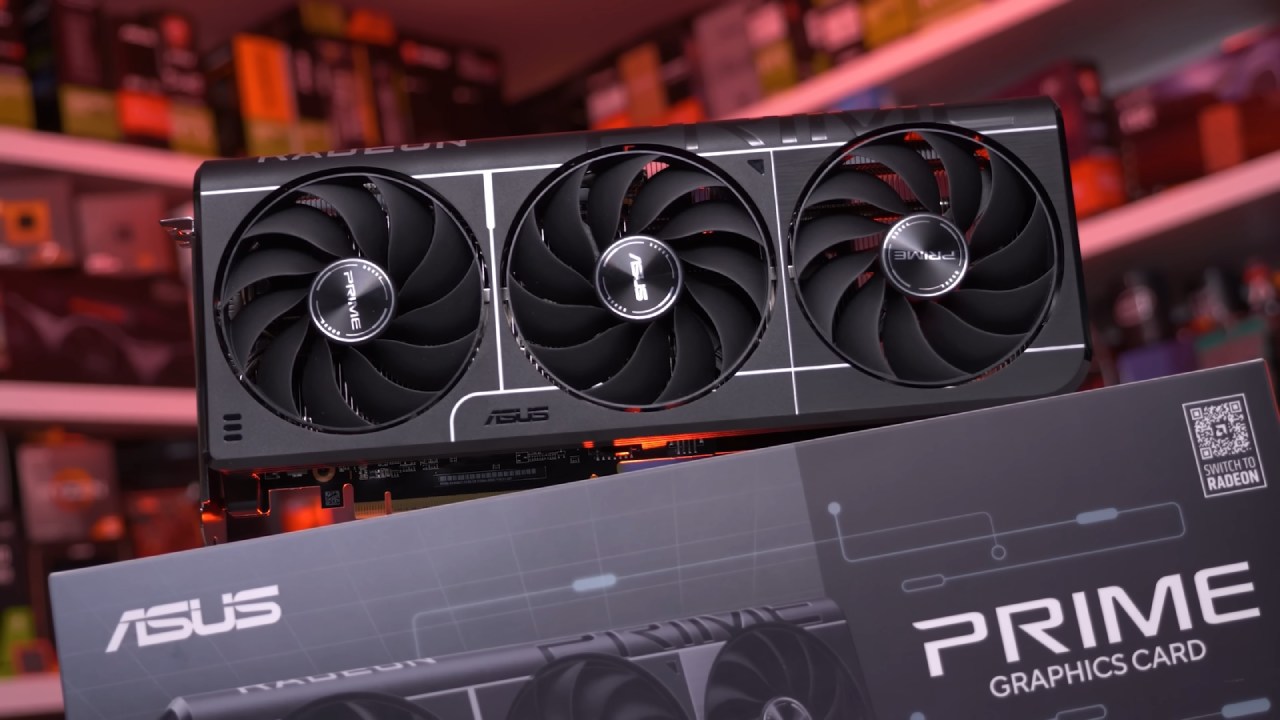
The OEM Battle Will Decide RDNA 4M's Success
The real test begins when AMD starts competing for laptop designs. ASUS, Lenovo, and MSI have enormous influence over how consumers encounter mobile graphics hardware. A technically impressive Radeon GPU means little if it appears only in a handful of expensive configurations or is paired with inferior displays, cooling systems, memory configurations, or chassis designs.
AMD therefore needs to convince OEMs that RDNA 4M is commercially attractive, not merely competitive on a specification sheet. Power efficiency could become one of its strongest arguments.
Laptop manufacturers are constantly trying to reduce system thickness, control fan noise, extend battery life, and improve performance per watt. A GPU that delivers more gaming performance within a fixed thermal envelope gives OEMs more flexibility when designing those machines.
AMD also needs to make the entire platform compelling. Strong ray tracing, efficient rasterization, competitive upscaling, capable media engines, and mature drivers all contribute to the final laptop experience. The GPU itself is only one part of the equation.
NVIDIA's Advantage is Bigger Than GPU Performance
AMD's attempt to reclaim mobile design wins will also face a problem that raw performance alone can't solve. For NVIDIA, years of software development, OEM connections, branding, and technology around GeForce hardware have strengthened the laptop advantage. Features such as DLSS and other platform-level technologies can influence purchasing decisions even when competing GPUs offer strong traditional rendering performance.
That means RDNA 4M needs to give manufacturers and consumers a reason to reconsider Radeon. Efficiency is potentially the reason. If AMD can deliver competitive gaming performance at lower power while maintaining strong ray-tracing capabilities, the company could give OEMs a practical alternative to GeForce, not just another benchmark competitor.
The timing of the firmware patches makes that possibility more intriguing. AMD is not waiting until the last minute to prepare its software infrastructure. The company appears to be laying the groundwork early, which is exactly what you'd expect from a platform preparing for a significant commercial rollout.
Senior Editor, NoobFeed
Gaming Hardware Updates
No Data.