
Dying Light 2 Renaissance Going Beyond Restoration With a New Story, World, and Protagonist
A fan project built around Dying Light 2's lost 2018 vision is now shaping up to be a separate prequel with a new world, protagonist, story, and consequences that could reshape how you play.
News by Tahmid Mahi on Aug 25, 2026
Dying Light 2 Renaissance is starting to look like something much bigger than a project designed to restore an older version of Dying Light 2. While it began with the goal of bringing back the atmosphere and ideas shown during the game's early presentations, the project has grown into something that is being treated almost like a separate game built inside Dying Light 2.
The team behind it is not simply changing the lighting, adding a few weapons, or rebuilding locations from the famous E3 2018 demo. Instead, Renaissance is taking that earlier vision and using it as the foundation for an entirely new experience.
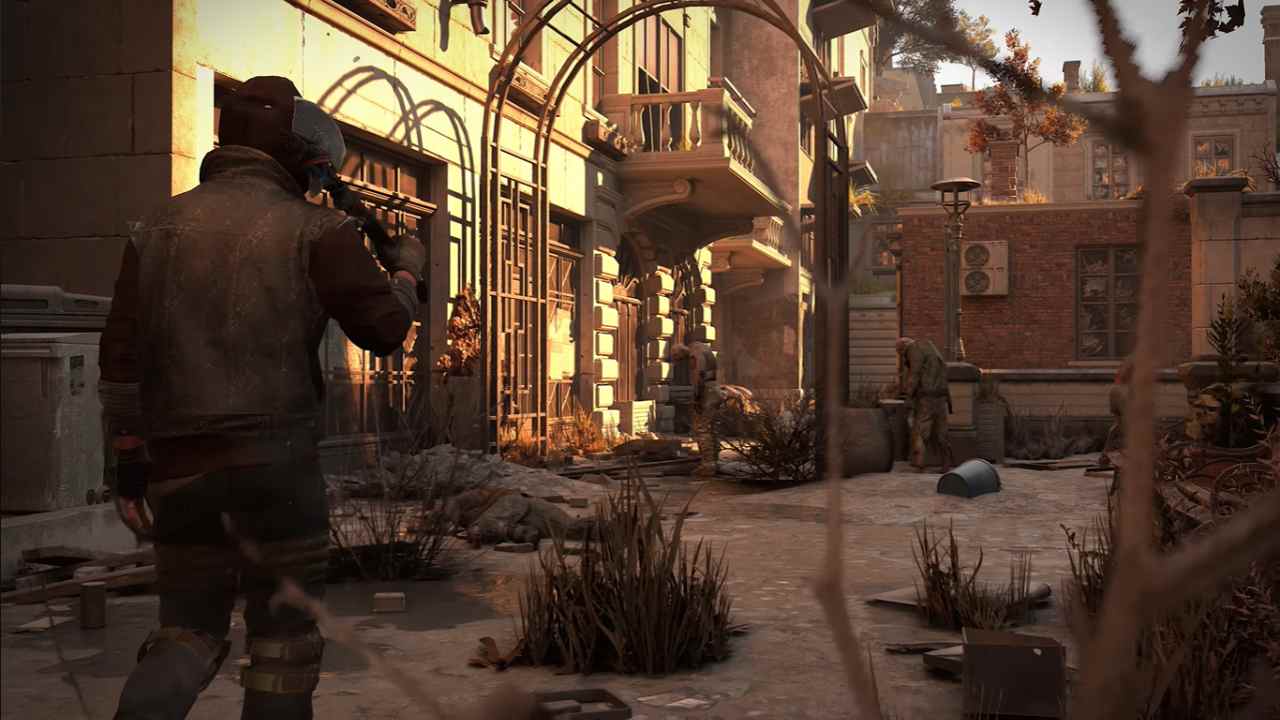
After speaking directly with the developers behind the project, it becomes clear just how ambitious their plans are.
Renaissance is intended to restore and recreate the original vision of Dying Light 2 that players first saw when the game was revealed in 2018. However, that description only explains part of what the team is actually doing. The project has expanded beyond recreating an old demo and is now being developed as its own story-driven experience.
According to the developers, Dying Light 2 Renaissance is essentially being treated as a separate game that takes place before the events of Dying Light 2. You will play as a new protagonist named Eli, rather than following the story of Aiden from the retail game. The project will feature its own original story, music, animations, and gameplay mechanics.
The premise is: take the version of Dying Light 2 that vanished during the game’s development, and imagine how things could have gone, had that direction persisted. Meanwhile, the developers are throwing in their ideas and adding in features that the Dying Light community has wanted for years.
The earlier version of Dying Light 2 had a darker atmosphere and a much harsher feeling throughout the city. Civilization appeared to be barely holding itself together, creating a more desperate tone than what eventually appeared in the final release. Techland was also discussing an incredibly reactive world where your choices could physically transform different parts of the city.
Renaissance is returning to those earlier materials to understand what that version of the game was meant to be. The team is drawing from the original E3 2018 announcement trailer, the gameplay reveal, and the later LA Mega Convention gameplay footage. However, the developers are not limiting themselves to material that was publicly shown.
The team is using all of that information to reconstruct the visual and gameplay identity of the version of Dying Light 2 that never officially released. This includes the architecture, interiors, textures, weather conditions, lighting, and the overall appearance of the world. The team acknowledges it does not have access to a complete build of the original game.
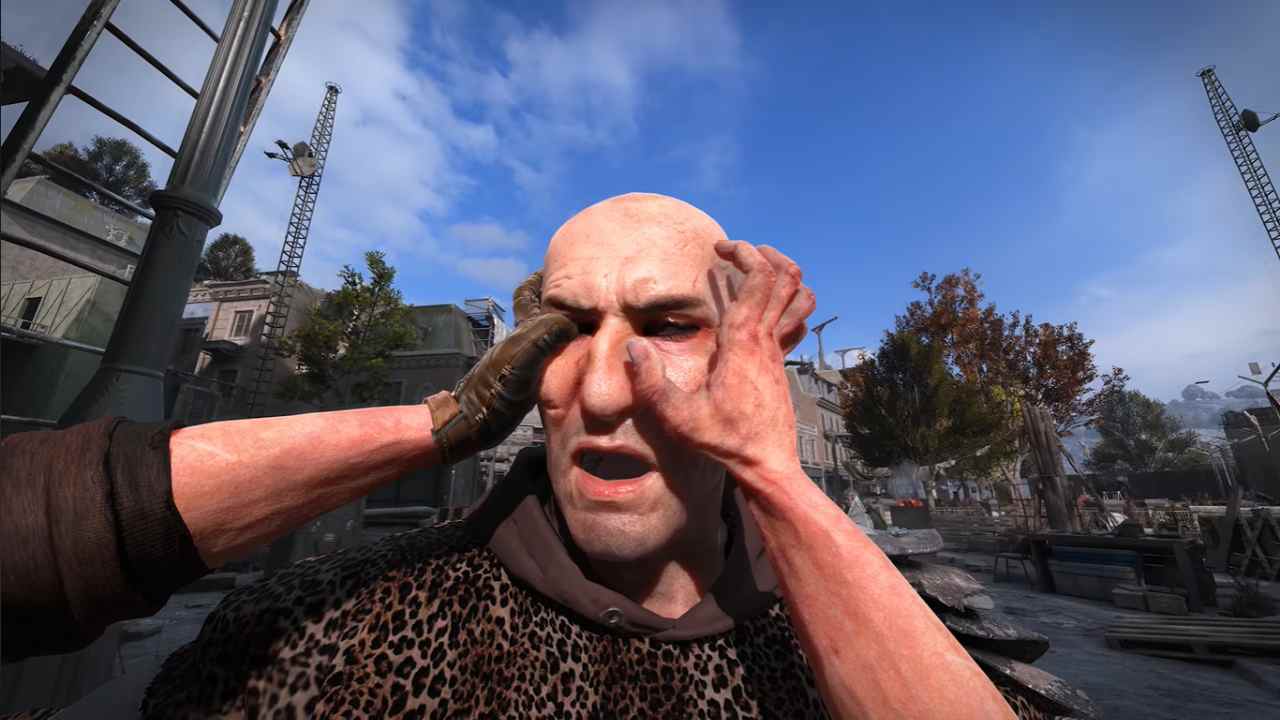
One of the biggest surprises is the scale of the world that the team is creating for Renaissance.
Rather than simply giving the existing Dying Light 2 map a different appearance, the developers are building an entirely new region called Elysium. Interestingly, Elysium already exists within the lore of the retail game, even though you cannot properly explore it.
Renaissance is essentially taking that inaccessible part of the world and turning it into the setting for its own experience. Elysium will contain multiple districts, with each one designed to have a different identity and atmosphere.
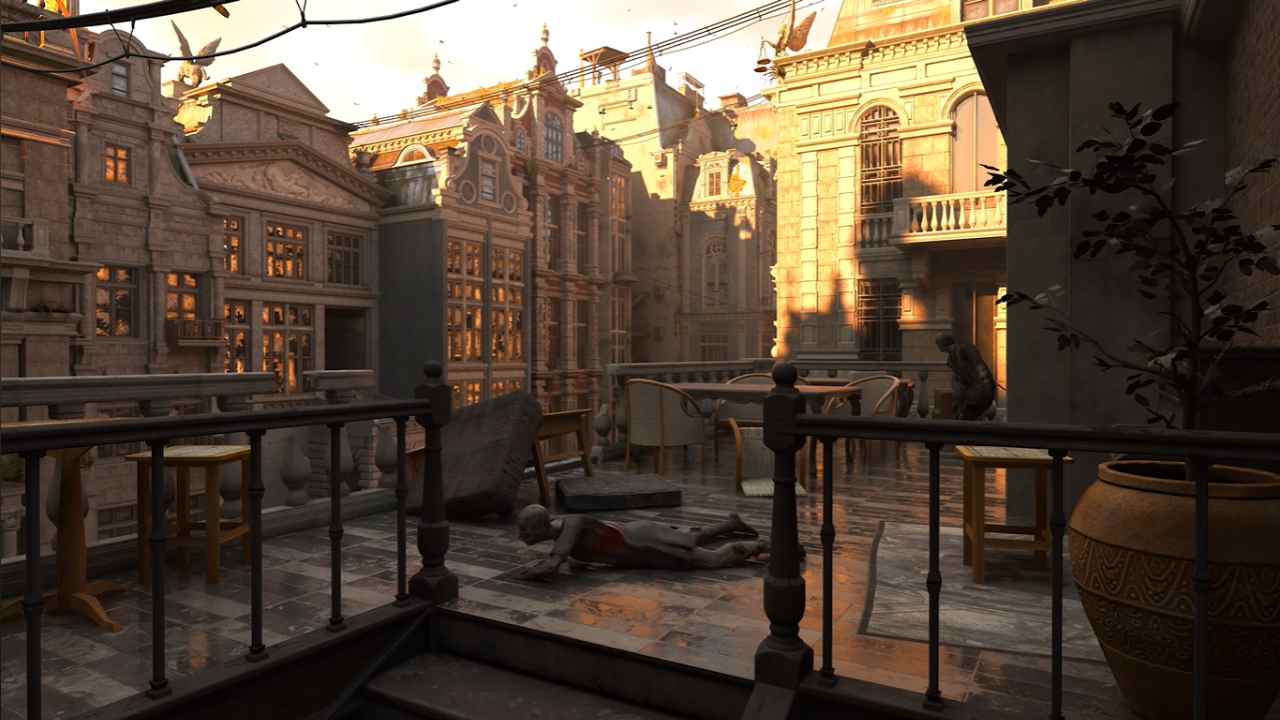
One of the most recognizable locations will be Old Embers, which is connected to material that Techland showed during the original E3 2018 presentations. The Renaissance team has been reconstructing its buildings using trailers, teasers, and data-mined information before rebuilding the surrounding areas by hand.
Old Embers is only one part of the new region, though. The team is also creating districts such as Arrington and Bastion using surviving information about what those locations were originally supposed to be. Arrington was described as a flooded and largely abandoned part of the city, while Bastion was associated with heavy bandit activity.
That approach could make the environment itself more important to the way you play. A flooded district can create different exploration opportunities compared to a densely populated bandit stronghold, while an abandoned building can make entering it feel like a decision rather than simply another location to clear.
The world will also include a large number of physical interactions inspired by what made the original Dying Light so enjoyable. Floors inside buildings can collapse underneath you, while damaged doors can be kicked open to reach new interiors. Boxes can physically collapse when you land on them, helping you survive a dangerous fall.
Steel barrels can reportedly be grabbed and moved with the grappling hook during combat, providing another way to interact with the world.
Opportunity weapons are also being placed throughout the environment, and the developers have said there are even more interactions currently in development that have not yet been shown. None of these mechanics might sound revolutionary on their own.
That philosophy has always been a major part of what makes Dying Light different. The environment becomes part of combat and survival as you kick enemies off buildings, jump onto objects to survive falls, use nearby weapons, activate traps, and climb through areas that might not initially appear accessible.
Another major focus is the idea of choices and consequences, which was one of the most exciting promises surrounding Dying Light 2 before its release. According to the Renaissance team, your decisions will have genuine consequences rather than simply changing a few lines of dialogue.
Certain choices could also prevent you from gaining access to specific gameplay mechanics or moves. There are characters you might never encounter depending on the decisions you make throughout the game. Your behavior within the world can also have lasting consequences.
Instead, your actions can lead to you becoming wanted. This gameplay is much closer to the reactive version of Dying Light 2 that many players imagined after watching those early presentations. The city is designed to respond to your behavior, while your decisions can change what you can do, who you encounter, and which parts of the environment become accessible.
The developers are also working on something called dynamic missions.
They have not revealed how these missions will work, but the team plans to share more with the community in the coming months. For now, the developers describe them as something new that they are experimenting with and believe players will enjoy. It is another example of how Renaissance is moving beyond the idea of simply recreating old material.
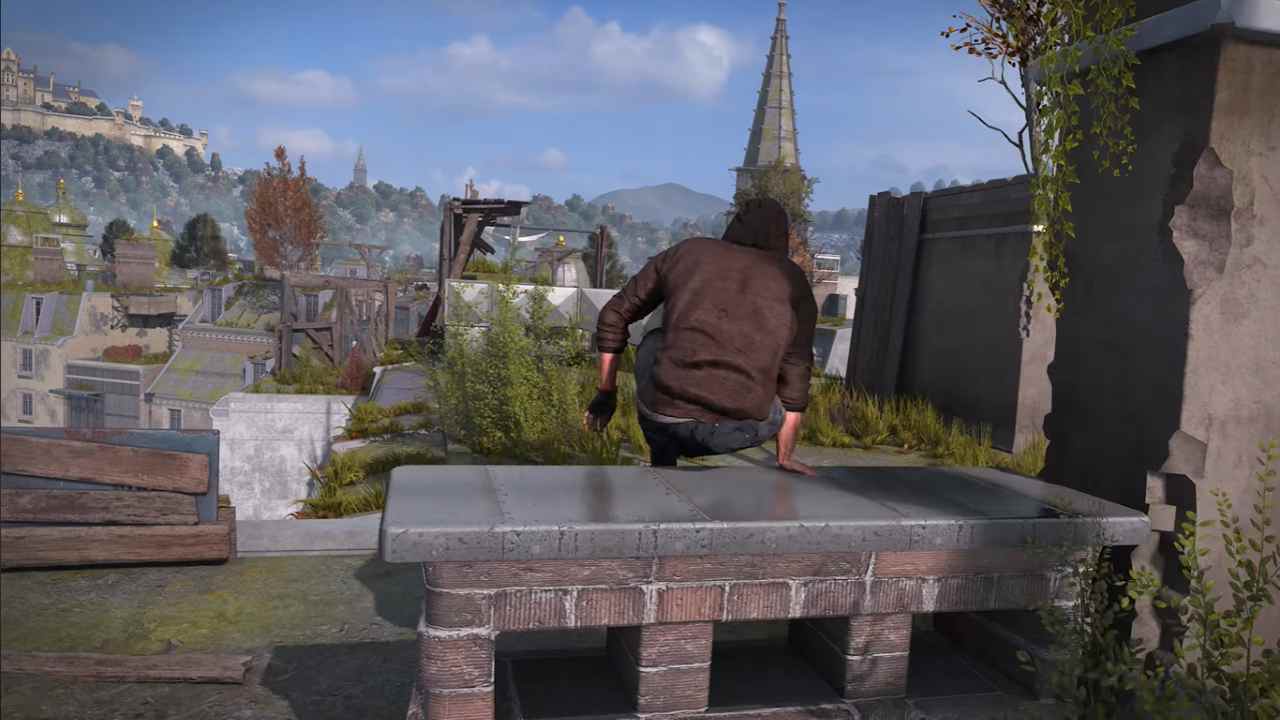
That is ultimately what makes the project more interesting than a simple restoration. The original version of Dying Light 2 shown at E3 was never a finished game that could simply be rebuilt frame by frame. It was a collection of ideas and an early vision for what the game could eventually become.
The story is one of the clearest examples of that approach. Renaissance is not retelling Dying Light 2's campaign with different graphics or a darker atmosphere. Instead, it has an entirely original narrative designed to fit within the existing Dying Light universe. Eli serves as the new protagonist, and the developers describe his story as more serious and personal.
The emotional moments in his journey are intended to matter because of what is happening to the character rather than simply being included to create a dramatic scene.
There will also be more than one storyline running through the game. Eli has his own personal story, but there is also a separate narrative involving the different factions and another storyline focused specifically on the infected.
You will be able to decide which parts of the world you want to spend more time exploring. You might become more invested in the conflict between the human factions and follow that storyline closely. You may instead want to learn more about the infected and the role they play in the world.
Dying Light 2 Renaissance is therefore becoming much more than an attempt to recreate a famous E3 demo. It is using that lost version of the game as a starting point while building an original prequel around its ideas, locations, atmosphere, and systems.
With a new protagonist, a separate story, the unexplored region of Elysium, physical environmental interactions, dynamic missions, and choices that could permanently affect the world, the project is aiming to create something that stands on its own. If the developers can bring all of these ideas together, Renaissance could end up feeling less like a restoration of what Dying Light 2 once was and more like a new interpretation of what it could have become.
Editor, NoobFeed
Related News
No Data.