
AMD UDNA Architecture Brings Major GPU Cache Changes
AMD and Intel address TPM 2.0 vulnerabilities as AMD prepares UDNA GPUs and graphics card prices continue climbing.
Hardware by Naheyan Tahmin on Aug 13, 2026
AMD and Intel have disclosed TPM 2.0 vulnerabilities affecting many processors and platforms. At the same time, AMD is changing its GPU cache architecture as it moves toward UDNA, while GPU prices continue to rise across the market. The situation also shows how memory costs can continue affecting graphics card prices even after signs of improvement begin to appear.
AMD has announced new vulnerabilities that affect more than just AMD CPUs. The vulnerabilities are found in the reference implementation for TPM 2.0, the technology Microsoft started requiring for Windows 11. The Trusted Computing Group published two separate flaws in the code.
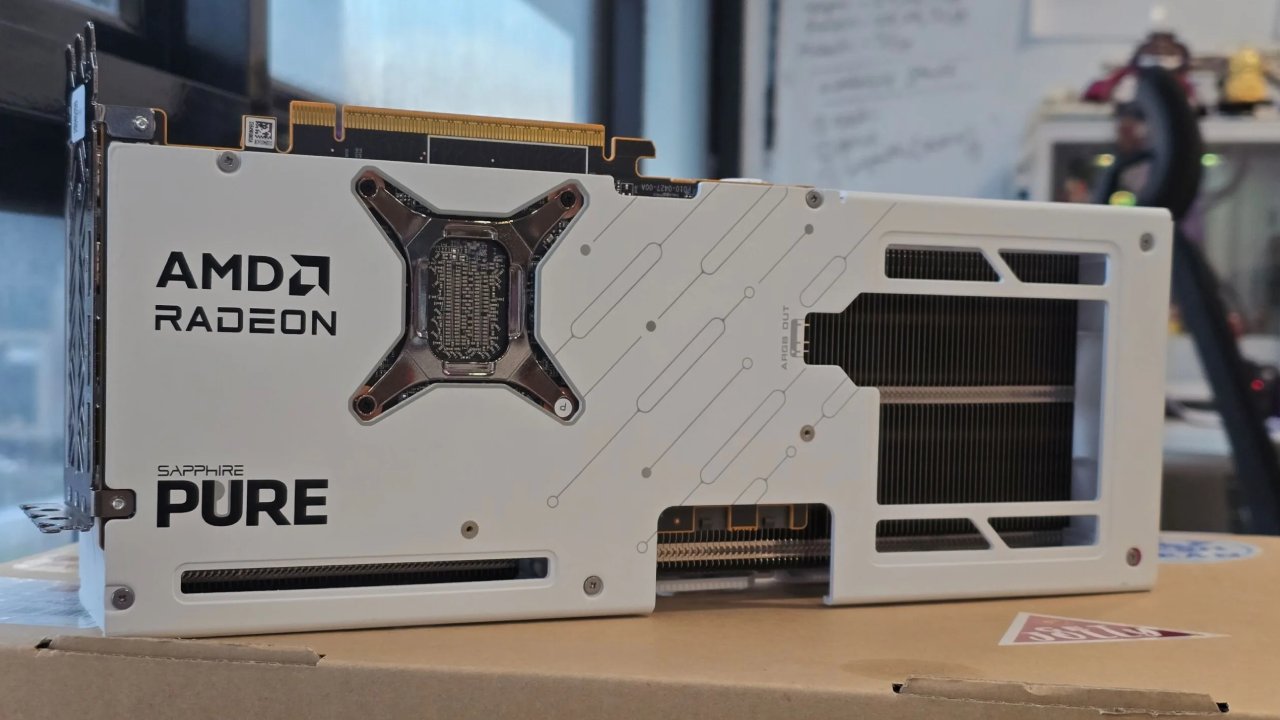
AMD and Intel TPM 2.0 Vulnerabilities
AMD confirmed that its firmware TPM is affected across many Ryzen processors. Affected processors include Ryzen 3000, 4000, 5000, 6000, 7000, 8000, and Ryzen 9000 CPUs, along with a range of mobile processors, multiple generations of Threadripper, and some EPYC processors.
However, this is not limited to AMD. Intel confirmed that the same TPM vulnerabilities affect firmware across a range of its platforms. Intel's affected list stretches from certain 8th Gen Core processors and 10th Gen Core chips to systems using 400, 500, 600, and 700 series chipsets, along with some Core Ultra systems.
Not every TPM 2.0 computer is vulnerable, but many affected PCs span both AMD and Intel. Fortunately, both companies already offer mitigations. To check whether your board has received the update, you can cross-reference the newest BIOS version offered by the manufacturer with the mitigated version. If you haven't updated your BIOS in a while, this is a good time to do it.
AMD Moves Toward a New GPU Cache Design
AMD's RX 10000 GPUs are set to change the company's GPU architecture, with AMD bringing its RDNA gaming and CDNA compute architectures together under one unified architecture called UDNA. A major source previously reported that next-generation RDNA5 is also based on UDNA. Now, information from AMD's CDNA5 architecture shows that the company has changed its cache system.
During an interview with Chips and Cheese, AMD's chief architect for data center GPUs explained the change. AMD essentially took the area that would have been used for Infinity Cache and used it to build global L2 caches. These caches let multiple shader engines share the same L2 while avoiding some of the latency and power costs of the older Infinity Cache design.
That change could also be important for future gaming GPUs. According to information previously reported by Morsaw is Dead, older internal PlayStation 6 documents listed something called GL2. At the time, the significance of that detail was not clear. Now that AMD has officially unveiled global GL2 with CDNA5, those documents make more sense.
The same information also shows a desktop Ardina A5 GPU with 32 workgroup processors and 24MB of L2 cache. That works out to 75MB of L2 cache per workgroup processor, which is the same ratio as CDNA5's 192MB across 256 workgroup processors. The numbers support the idea that AMD is moving CDNA and RDNA toward one architecture.
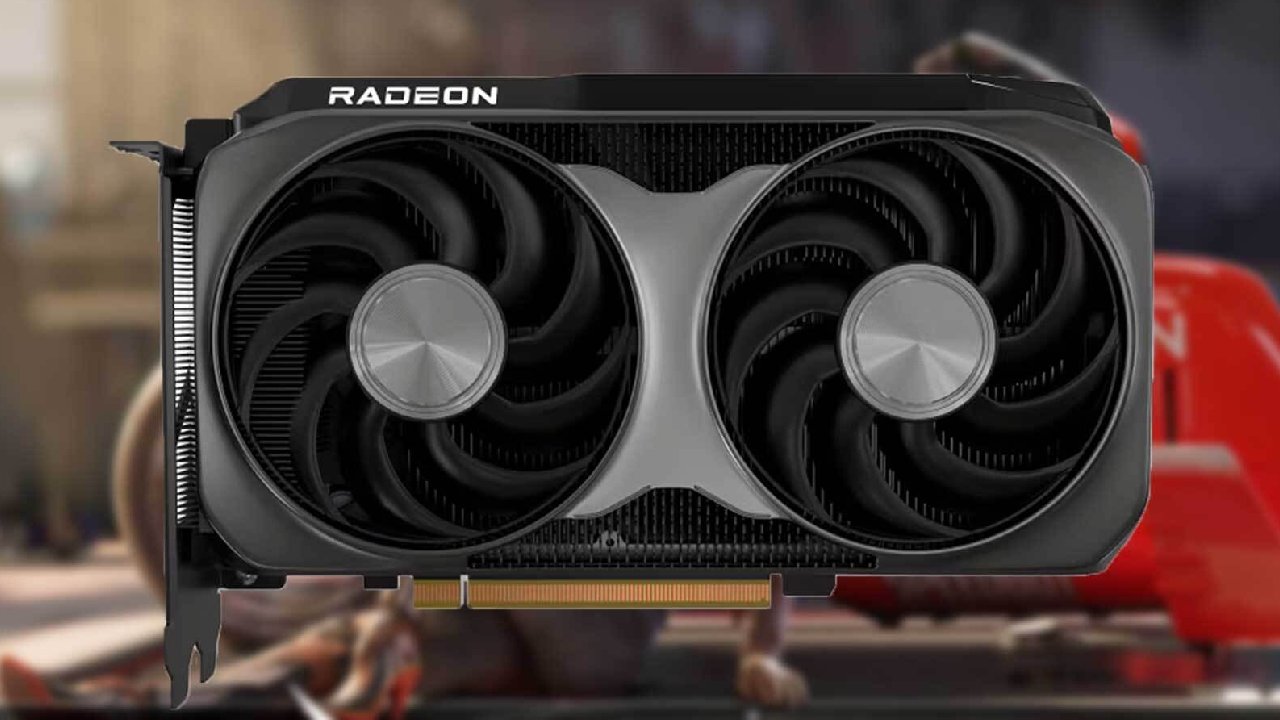
GPU Prices Continue to Rise
GPU prices are now moving in the direction expected as higher component costs continue to reach retailers. New pricing data from Newegg shows how quickly prices have changed. The median price of the RTX 5060 is now around $470, up roughly 27% in only 2 months. RTX 5070 has climbed to around $900, representing a 36% increase.
The 16GB RTX 5060 Ti is also priced far above its original launch MSRP. The reported price is around $85, roughly 88% higher than its original $429 launch MSRP. AMD is also following the same pattern. New pricing guidance reportedly shows AMD increasing RX 9000 series pricing by as much as 20%, with the RX 9070 XT seeing one of the larger increases.
The memory crisis itself may finally be showing signs of improvement, but those improvements do not immediately appear in graphics card prices. The price increases had already started moving through the supply chain. They reached US retailers after appearing further up the supply chain, and another wave is now reaching consumers.
Stories about memory prices beginning to improve haven't suddenly become wrong.
It simply takes time for those changes to reach the products sitting on store shelves. The GPUs reaching stores right now were built using components purchased weeks or months ago, when memory costs were still increasing. Those costs have to move through AMD and NVIDIA, board partners, distributors, and finally retailers.
What is happening today is essentially the earlier price increases reaching consumers. The improvements being seen now have to make the same journey in the opposite direction. As of now, GPU pricing has not fully reversed. Instead, multiple reports indicate prices can't keep rising at the same rate indefinitely, and a decline could come sooner than expected.
For anyone considering a new GPU, the current market remains difficult because prices are being affected by costs that entered the supply chain before the recent signs of improvement. The next stage will depend on how quickly lower memory costs move through the supply chain and into retail pricing.
Editor, NoobFeed
Gaming Hardware Updates
No Data.