
Assassin’s Creed Codename: Hexe Faces Major Changes as 2027 Delay Rumors Grow
Ubisoft’s dark and experimental Assassin’s Creed game is reportedly going through a major restructuring, with leadership changes and dozens of developers moving away from the project
News by Tahmid Mahi on Aug 12, 2026
Assassin’s Creed Codename: Hexe was shaping up to be one of the darkest and most unusual games in the series, but recent developments suggest that things may have changed considerably behind the scenes. The project has reportedly lost its creative director, and around 50 developers have left the team.
There is no official confirmation from Ubisoft that Hexe is in trouble, and the company has never announced a firm release date for the game. However, when all of these developments are considered together, it is clear that significant decisions are being made during the development process.
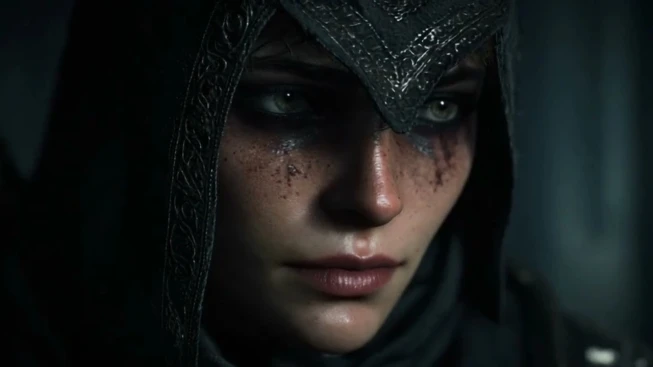
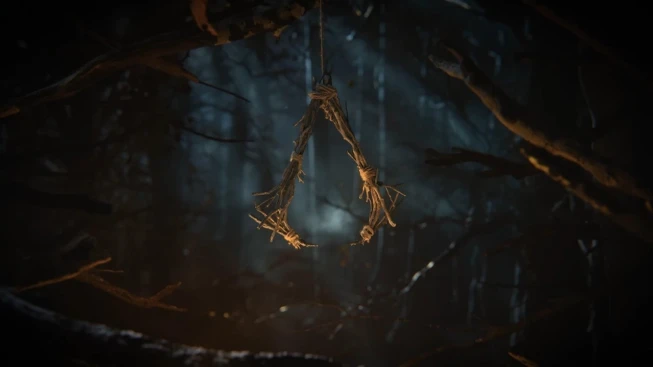
Ubisoft first announced Assassin’s Creed Codename: Hexe in 2022 through a short and mysterious teaser.
The footage showed an Assassin symbol made from branches in a foggy forest, creating an atmosphere that was much darker than what you normally expect from the series. Since then, Ubisoft has shown almost nothing, with no proper gameplay footage, full trailer, or official introduction to the game's characters.
That secrecy was initially exciting because Assassin’s Creed Codename: Hexe appeared to be moving away from the familiar Assassin’s Creed formula. As more time has passed, however, the lack of information has started to make the project feel increasingly uncertain. Years after its announcement, fans are still relying heavily on the original teaser and reports about what the game could become.
One of the main reasons the game has garnered so much attention is its setting. Hexe is believed to take place during the European witch hunts, giving Ubisoft the opportunity to explore a much darker period of history.
That direction could be a major benefit for Assassin’s Creed. Rather than giving you another giant map that takes dozens of hours to complete, Ubisoft could focus on atmosphere, characters, and a memorable story. A smaller and more focused game would also give Hexe an identity of its own.
The first major shake-up was the departure of creative director Clint Hocking. Hocking is a veteran Ubisoft developer who formerly worked on major games including Splinter Cell: Chaos Theory, Far Cry 2, and Watch Dogs: Legion.
A director leaving a project does not automatically mean that development is going badly. Developers leave studios and projects for many different reasons, and leadership changes are common in the industry. Still, Hocking's departure naturally attracted attention because Hexe has already been in development for years without receiving a substantial public reveal.
Following his departure, Jean Guesdon took over Assassin’s Creed Codename: Hexe.
Assassin’s Creed fans will recognize Guesdon for his previous work on games such as Assassin’s Creed IV: Black Flag and Assassin’s Creed Origins. His experience means Ubisoft has not handed the project to someone unfamiliar with the franchise, and his knowledge of Assassin’s Creed could potentially help the game move forward.
At the same time, changing creative leadership during a project's development can lead to a reconsideration of some of its ideas. When a new creative lead comes in, they will review all of these things—the gameplay systems, story elements, and scope.
The more striking development involves the reported movement of around 50 developers away from the project. It is important to clarify that this does not necessarily mean those developers were laid off. Some may have been moved to other Ubisoft games as the company reshuffles its teams and resources.
That said, pulling so many people off a major AAA project can affect development. Hexe has been in development for a long time, so a reduction or restructuring of the team could mean that Ubisoft has changed the scope of the game or is reworking certain sections. It could also simply be an attempt to make development more efficient.
None of this means Hexe is being canceled. There is no official information saying that Ubisoft has stopped development, and the project is reportedly continuing with an experienced team. The more interesting issue is what kind of Hexe Ubisoft is actually building now compared with the game that was originally planned.
The game could have been scaled back, certain mechanics could have been removed, or the studio may have decided to rethink its overall structure. Ubisoft could also be realigning the development team to make production more manageable.

The release timeline adds yet another layer to the situation. Ubisoft has never announced a specific release date for Hexe, so technically the game can’t be considered officially delayed. However, it was earlier believed to be a project that could possibly be arriving in 2026; a new claim now says that it might not drop until the second half of 2027.
There has even been speculation that Assassin’s Creed Codename: Hexe could arrive toward the end of 2027 depending on the scale of the changes taking place.
Ubisoft has not confirmed this timeline, so it should not be treated as an official release window. Still, given how little Ubisoft has shown and the reported changes within the development team, a 2027 release would not be particularly surprising.
While Hexe has been going through these changes, Ubisoft has also reorganized the wider leadership of Assassin’s Creed. Eric Baptizat, who formerly worked on Black Flag, Origins, and Valhalla, returned to Ubisoft and became the game director for the Assassin’s Creed brand.
Baptizat is not directly replacing Jean Guesdon as the director of Hexe. Guesdon remains responsible for the creative direction of the game, while Baptizat has a broader role covering the Assassin’s Creed brand. However, because of that position, Baptizat could still influence major decisions surrounding Hexe and Ubisoft's overall plans for the franchise.
That broader role is important because Ubisoft appears to be trying to create different types of Assassin’s Creed experiences rather than having every project follow the same formula. If Hexe represents the darker and more experimental side of the series, it will need to fit into that wider strategy.
Previous gameplay claims have suggested that Hexe could be very different from the recent Assassin’s Creed games. It has been reported that the game could feature a single female protagonist with supernatural abilities, along with a fear system that affects how enemies react.
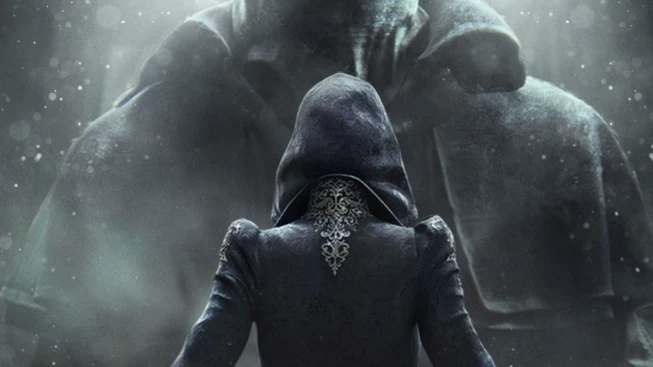
None of these details have been confirmed officially, so they should still be treated as rumors. However, if these ideas remain part of the project, Hexe could offer the kind of change that the franchise has needed. A witch-hunt setting combined with supernatural abilities and horror elements would give Ubisoft plenty of room to create something that feels different without abandoning the core identity of Assassin’s Creed.
The most significant concern is that Ubisoft could make the game too safe during this restructuring.
If the supernatural elements are reduced, the horror atmosphere becomes less important, and Hexe turns into another conventional open-world Assassin’s Creed game; much of what made it compelling could disappear. The original teaser created excitement precisely because it suggested Ubisoft was willing to take the series in a different direction.
There is also a more positive outcome. If Ubisoft uses the restructuring to remove unnecessary content and concentrate on the central story, Hexe could become a shorter and more focused experience. A darker game with less clutter would allow developers to focus more on atmosphere, characters, and setting, rather than trying to fill another giant map.
So a potential 2027 release is not necessarily bad news. The premature launch of major games has caused technical issues and negative reactions. Ubisoft has also been criticized for releasing games before they are polished enough, so maybe giving Hexe more time is the right call if the studio truly needs it.
The thing that matters is what Ubisoft does with that extra time. A delayed game only helps if the delay fixes the game's problems or improves its design. If it takes another year for the studio to develop a clear vision and deliver a polished experience, then waiting until 2027 might be the best option.
What Ubisoft needs to do next is show players what the game currently looks like. The company does not necessarily need to release a lengthy gameplay presentation, but a proper trailer showing the setting, main character, atmosphere, and basic structure would provide much-needed clarity.
The lack of information has also made every reported internal change seem more dramatic.
When Ubisoft stays quiet, fans turn to rumors to fill the gap, making a director's departure or team reshuffle seem even more worrying. A strong reveal could show that Hexe is still following a clear direction and confirm whether the original dark and experimental concept has survived the changes.
For now, Assassin’s Creed Codename: Hexe has not been canceled, and development is reportedly continuing. But the creative leadership change, the reported movement of about 50 developers, broader shifts within Ubisoft’s Assassin’s Creed leadership, and claims of a potential 2027 release all point to a massive overhaul.
Ultimately, Hexe’s success will depend on whether Ubisoft protects the ideas that made it interesting in the first place. If the studio preserves its darker atmosphere, supernatural elements, focused storytelling, and different approach while using the additional development time to improve the game, these changes could work in its favor.
Editor, NoobFeed
Related News
No Data.