
Intel Nova Lake Desktop iGPU Could Challenge Entry-Level GPUs
Intel Nova Lake's 12 XE3-P iGPU could deliver RTX 2070-class gaming performance while using high-speed DDR5 memory.
Hardware by Naheyan Tahmin on Aug 13, 2026
Intel's next-generation CPUs, code-named Nova Lake, are getting closer to release, and more details are emerging about a desktop SKU with 12 XE3-P cores in its integrated GPU. The configuration could bring integrated graphics performance to desktop systems that previously required discrete graphics cards, while also letting existing DDR5 memory serve as both system and graphics memory.
The Nova Lake chip with 12 XE cores was already known, but the desktop configuration is new. These are the same XE cores used in Panther Lake's B390 GPU, which has 7.6teraflops of FP32 performance. In real-world gaming, the B390 is around the RTX 4050 mobile level and can be closer to an RTX 2060 Super, depending on the game.
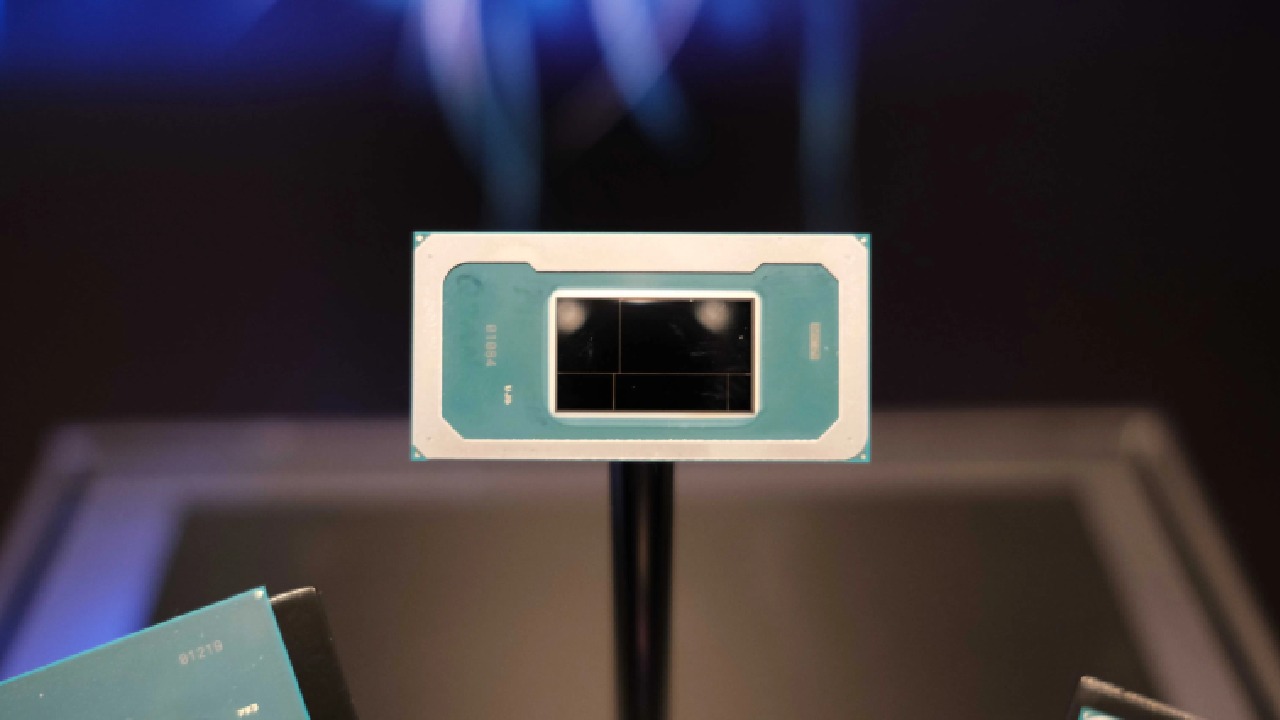
Nova Lake Desktop CPU With 12 XE3-P Cores
For an integrated GPU, that performance level gives some context for what Nova Lake could offer. The difference is that this GPU would be part of a desktop CPU, so you wouldn't need to buy a laptop or separate graphics memory. A chip like this could land around $400, letting a system use existing DDR5 memory.
The CPU configuration includes four P-cores, eight E-cores, and four low-power E-cores. That gives a total of 16 cores: 12 main cores and 4 low-power cores. The main detail is the reported 154W LPL2 for this chip. The CPU can boost to around 150W, while the iGPU is reportedly getting a dedicated 40W. That gives the graphics portion room to run beyond what Panther Lake's iGPU can achieve.
Panther Lake's highest-end configurations are laptop chips with different power configurations, with the maximum TDP reaching around 80W. Not all of that power goes to the iGPU. Nova Lake's desktop configuration is expected to provide 40W specifically to the iGPU.
Nova Lake iGPU is also expected to have 25% more L2 cache. It will have 20MB of L2 cache compared with 16MB on Panther Lake. That cache will matter because the iGPU depends on system memory, and desktop DDR5 configurations will not necessarily provide the same memory bandwidth as the soldered memory used with Panther Lake.
Memory Bandwidth Will Matter
Panther Lake iGPUs can use soldered memory in the 8,000MT/s to 9,000MT/s range, providing the bandwidth needed for an iGPU with 12 XE cores. Nova Lake will instead depend on the DDR5 installed in the desktop system. The performance of this iGPU will therefore range based on the speed and configuration of the RAM.
A single-channel 16GB DDR5-5200 CL40 configuration should not deliver the intended performance. Dual-channel memory will be needed, along with Gear 2 operation and memory speeds above 8,000MT/s. With Nova Lake, DDR5 around 9,000MT/s in Gear 2 could provide the memory bandwidth needed to get the most from the 12 XE3-P cores.
Overclocking Could Push Performance Further
If power and memory bandwidth were sufficient, performance could rise from around the RTX 2070 level to that of the RTX 3060 or RTX 2070 Super. Overclocking might add another 10 to 15 percent, but the memory subsystem might become the main bottleneck. The memory bus is likely the main bottleneck for this iGPU. Getting DDR5 to run above 8,000MT/s can be difficult, especially with current memory prices.
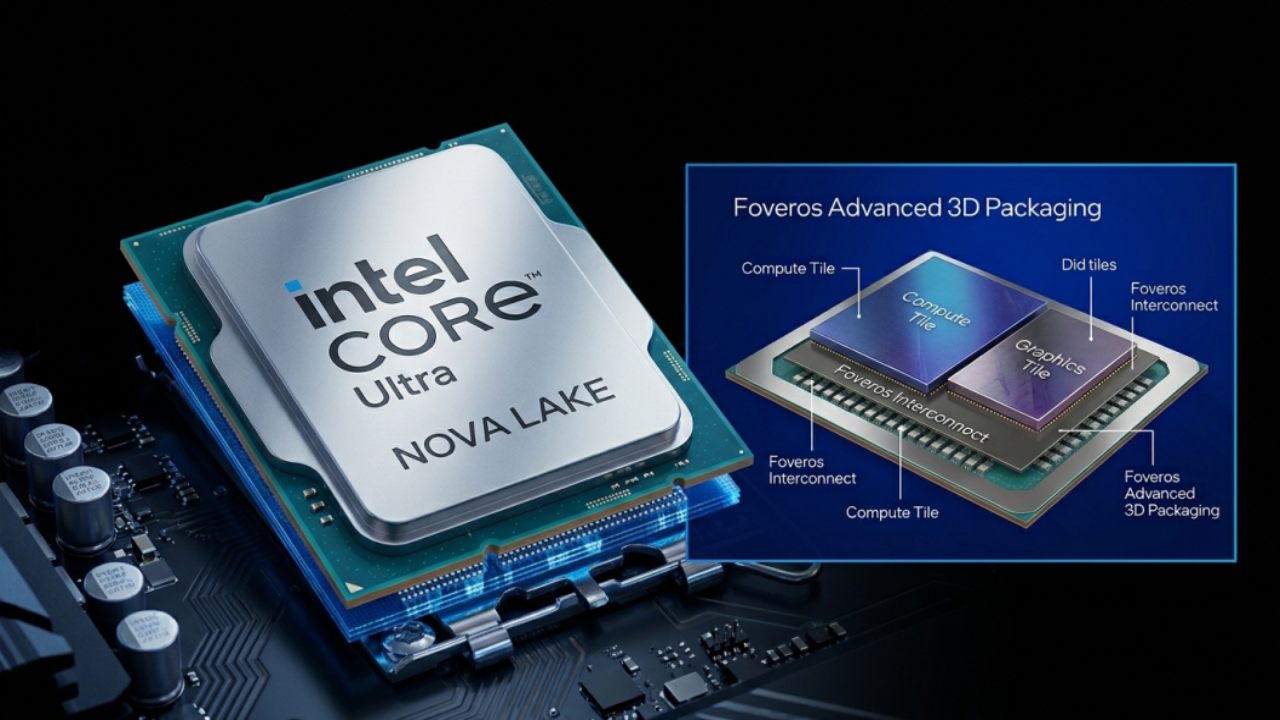
For someone who already has a 48GB DDR5 kit capable of running above 8,000MT/s, Nova Lake could become an interesting option. Arc B580 has 20 XE cores, meaning Nova Lake's 12 XE cores represent more than half of the core count in Intel's current high-end discrete graphics card. The difference is that Nova Lake places those cores inside a desktop CPU.
The other advantage is the amount of system memory available to the iGPU. A system with 64GB of DDR5 could provide a large memory pool, while 32GB of DDR5 could potentially allocate around 16GB as graphics memory. That makes the configuration useful beyond gaming, particularly for experimenting with AI models.
The iGPU also includes matrix AI cores, along with the 12 XE cores. With a system configured with something like 256GB of DDR5, the large memory pool could support AI workloads that would otherwise be limited by a discrete graphics card's VRAM capacity.
Nova Lake Could Target the Low-End GPU Market
The timing could also matter. Nova Lake is expected around January of next year, and memory prices could be higher by then. If GDDR and other memory prices rise another 30% to 40%, low-end graphics cards could become harder to reach. A Nova Lake system could instead use DDR5 that is already available.
If DDR5 is already on hand, there would be no need to purchase a separate graphics card. For someone who doesn't already have DDR5, the platform becomes less attractive because they still need to buy the memory. With the right memory configuration, the iGPU could reach around RTX 2070 to RTX 3060 performance. That is around the performance level of the 8GB RX 9050 mentioned in the comparison. The difference is that the Nova Lake system could have access to a much larger memory buffer.
This could make the chip useful for gaming systems without a dedicated GPU.
The main idea behind this Nova Lake configuration is that Intel could target the low-end GPU market without producing a separate discrete GPU for every segment. A buyer could spend more on DDR5 memory but avoid purchasing a dedicated GPU, which is often one of the highest costs in a gaming PC.
Nova Lake is expected to bring these 12 XE cores to desktop, despite the configuration initially looking similar to a Panther Lake laptop SKU. The move could give desktop buyers another option for building a gaming PC without a dedicated graphics card, while making memory speed and capacity an important part of the platform's graphics performance.
Editor, NoobFeed
Gaming Hardware Updates
No Data.