

Console Prices Are Rising: What It Means for Next-Generation Gaming?
Rising bill of materials estimates for the PlayStation 6 point toward a launch price near $1000.
Hardware by Godrics01 on Jul 06, 2026
Console pricing has entered uncertain territory, with production costs rising so quickly that the launch prices of upcoming hardware from Sony and Microsoft remain genuinely unclear. Between component shortages, memory price forecasts, and recent price increases on current-generation hardware.
Questions have emerged about whether next-generation consoles can launch at a price most people can afford, or whether gaming risks becoming an expensive hobby reserved for those with disposable income. We received a question pointing out that, between the Steam Machine's price situation and yet another price increase on Xbox, imagining a next-generation console priced under $1000 has become difficult.
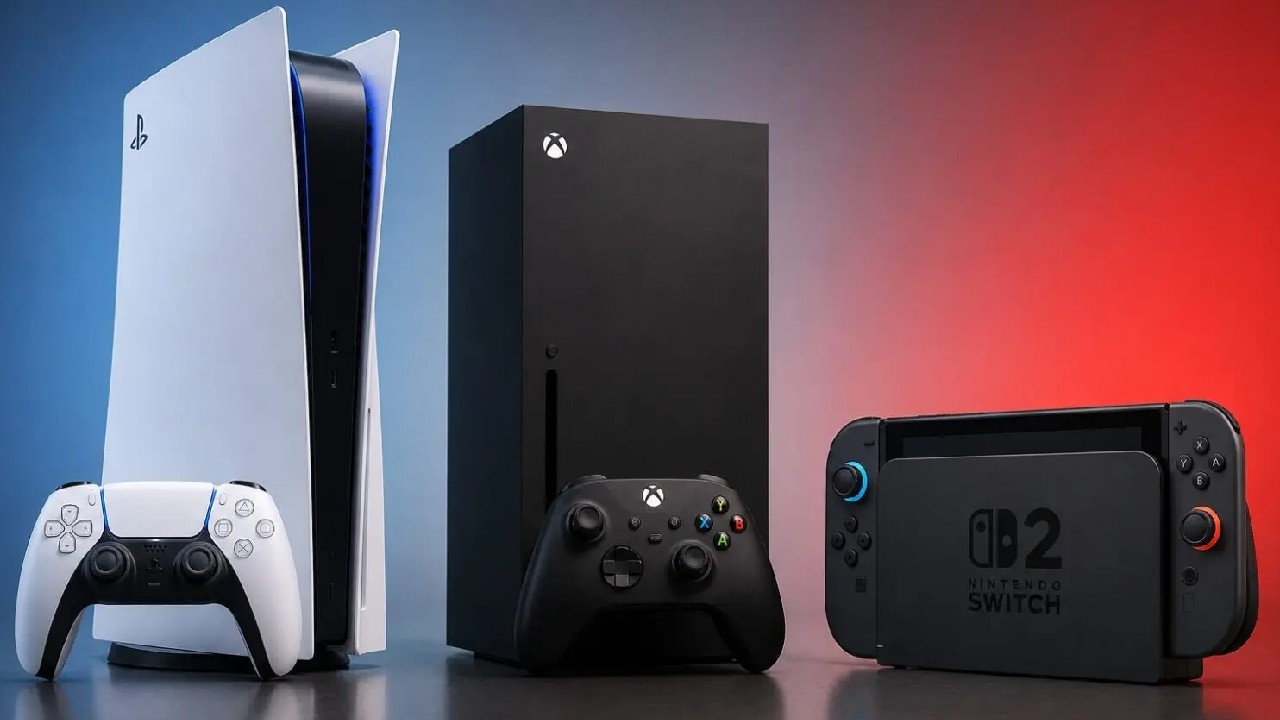
A Console Priced Out of Reach for Many
That scenario raises concerns that gaming could become a wealthy hobby, comparable to skiing or polo, and that a shrinking audience, combined with high triple-A development costs, could lead to more layoffs and studio closures. Leaker Kepler L2 recently stated that the PS6's bill of materials has risen by $200 since an earlier estimate, moving from roughly $760 to around $960.
At the same time, Jefferies Equity Research has forecast a 40% to 50% increase in memory prices for Q3 over Q2, a 30% to 40% increase in Q4 over that Q3 figure, and a 40% to 45% increase heading into 2027, with only modest relief expected in 2028, meaning prices would still settle higher than current levels even after that relief arrives.
Game streaming services are often proposed as an alternative whenever hardware costs rise, but the math does not appear to work out well there either. Serving a large gaming audience through streaming would require massive data center expansion, and the components used in those data centers would remain subject to the same rising prices.
GeForce Now currently costs between $10 and $20. Still, that price would need to increase substantially to cover the added capacity required, and directing GPUs, CPUs, and memory toward consumer gaming streaming would prove far less profitable than directing them toward B2B use cases like AI. Subscription pricing would need to reflect that trade-off, and, in the end, streaming would price out a large share of people in a way similar to buying hardware outright.
Consoles Increasing in Price Marks A Break From History
We have reached a point where gaming genuinely risks becoming borderline unaffordable, something not previously seen in the history of the medium. Consoles have historically decreased in price rather than increased, but that pattern has now reversed.
An Xbox Series X, hardware from roughly 6 years ago, now costs $800 with a disc drive included, a price that makes it hard to see who Microsoft expects to attract as a new customer at that price. PS5 sits in a similar position, and pricing on Apple hardware has climbed as well, creating a broader environment in which many people can no longer easily afford this kind of entertainment.
Console hardware and PC hardware now share the same underlying core technologies, and that convergence changes the traditional case for buying a console. Consoles used to offer easy plug-and-play access at a lower price point than an equivalent PC, with the cost recovered over time through game purchases and platform revenue.
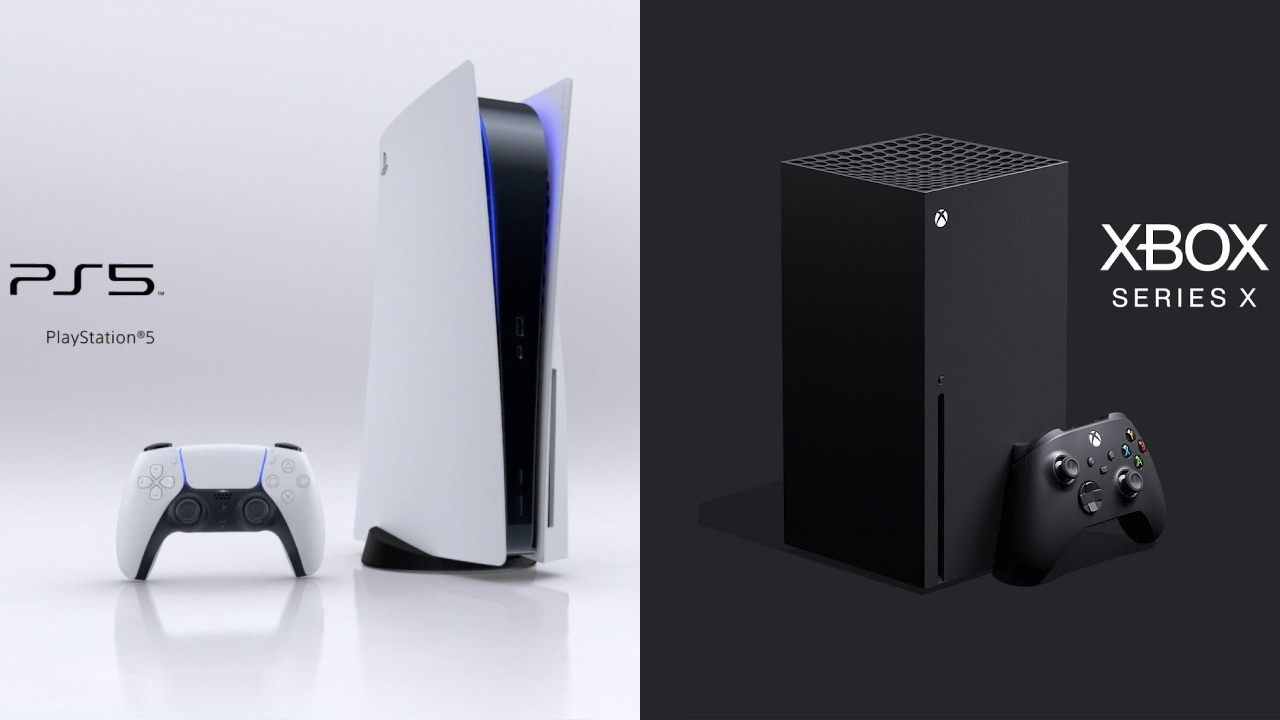
If a console no longer costs meaningfully less than a PC, the business case behind it becomes harder to justify, and buyers may start considering a PC instead, where hardware can be swapped more flexibly. Competitive deals still surface from time to time. That said, PC component pricing has climbed as well, and an older PC that's weaker than a console from 6 years ago isn't a good purchase either.
A Stripped-Back Console Could Offer A Path Forward
One possibility raised is a console that does not aim for cutting-edge performance, unlike the PlayStation 6 and Xbox's next-generation consoles. A stripped-back option, potentially built around the same APU used in a handheld device, could offer Sony a semi-affordable route to eventually replace the PlayStation 5, rather than offering only a single high-cost flagship.
That kind of approach would let a company continue supporting existing hardware for buyers who have already invested in it, while introducing an alternative, lower-cost model alongside a more expensive option, rather than releasing a single, expensive machine that leaves the previous generation behind entirely.
Building a console typically takes four to five years of planning, and the price of key components now fluctuates on a near-daily basis, making long-term technical planning considerably harder than in previous console generations. That volatility pushes some buyers toward weighing a PC purchase instead, since convergence between the two platforms continues to narrow the gap.
AI-driven demand for memory and compute could help ease pricing pressure over time.
Delaying next-generation hardware carries its own risks, since waiting does not guarantee lower component costs and could simply mean launching into an even higher-priced environment later. Companies also cannot make sudden hardware decisions once years of investment have already gone into a design, and delaying risks further dating the hardware and creating additional complications for developers targeting that generation.
If unit economics do not work at a given price, launching may still make sense to sell to an audience willing to pay for the latest experience, with the possibility of lowering the price later if component costs ease, following a pattern seen in past console generations. Nintendo's Switch 2 stands as a rare example of a delayed launch.
However, that delay stemmed from strong ongoing sales of the original Switch rather than cost pressures, a position Sony and Microsoft do not currently share, given the recent loss of momentum for the PlayStation 5 following price increases. How GTA6 factors into console adoption, and whether buyers remain willing to pay $600 to $700 or more for new hardware, are among the more significant open questions heading into the next console generation.
Editor, NoobFeed
Latest Articles
No Data.