

Steam Machine's Next Iteration: Why RDNA 5 Could Define Valve's Roadmap?
Component shortages and pricing volatility complicate timing for any future Steam Machine hardware refresh cycle.
Hardware by Okazaki on Jul 06, 2026
The prices of parts have been hard to predict, and shortages and price increases are likely to continue for another three to five years. Because of this, it's unclear how Valve plans to improve the Steam Machine, whether the current model is the last in the line, and whether a separate Pro version might be added.
An RDNA5 version feels justified, given that the current Steam Machine already feels dated compared to the Steam Deck's launch in 2022, when that hardware felt genuinely modern. Steam Machine in 2026 comes across as hardware that could use replacement with more current components, and RDNA5 seems like a reasonable point to make that leap.
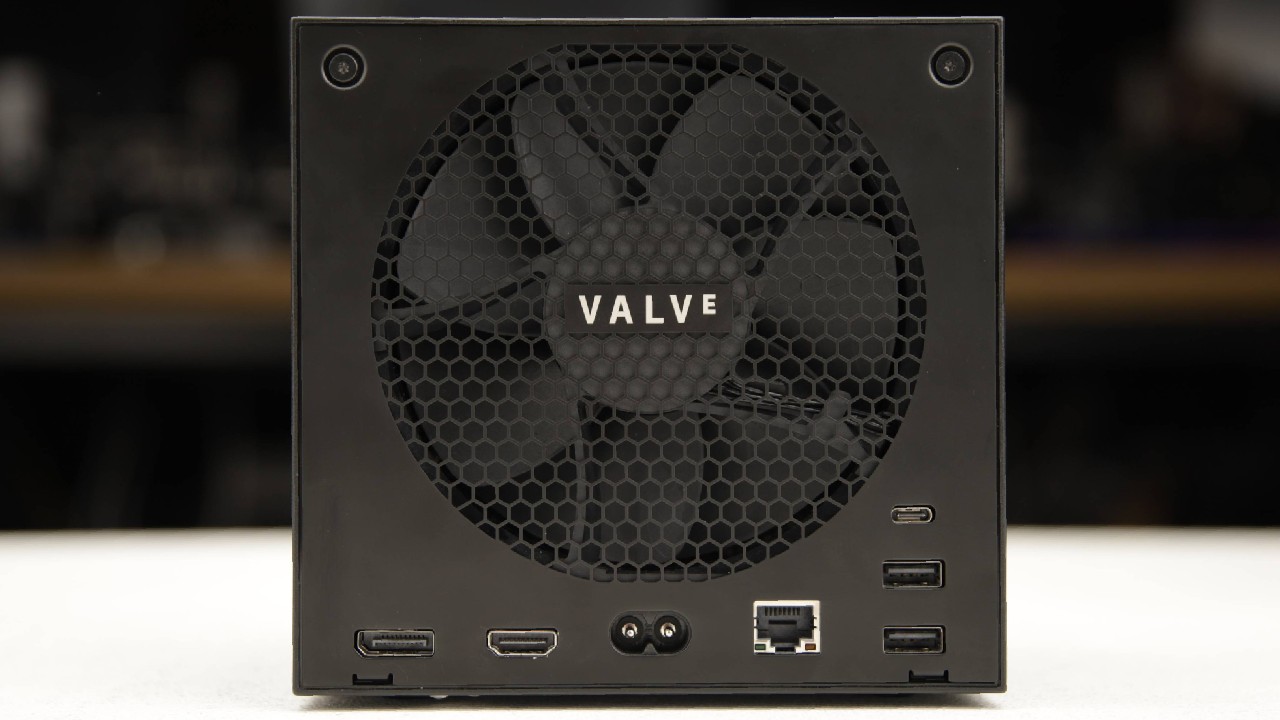
Easier to Iterate Than the Deck
Based on what Valve has said publicly, you might expect a refresh sooner rather than later, within the next 2 or 3 years, unless those plans are shelved entirely in favor of polishing SteamOS for broader compatibility across commodity desktop hardware. Either direction remains possible.
If Valve does iterate on the Steam Machine, we would not be surprised if it happened sooner, since a meaningful upgrade does not require higher-end hardware dramatically, just more modern hardware overall. We see this kind of iteration as easier to execute, both in selling it to customers and in the underlying engineering.
Steam Deck has to fit a specific, tight form factor to remain portable, with real limitations on power draw because it runs on a battery. That constraint makes the Deck harder to iterate on quickly. Steam Machine, by contrast, could support multiple models over time without creating much confusion for buyers, since it runs as a PC rather than a battery-limited handheld.
SteamOS Could Take Priority
You can see a genuine interest in what Valve does next. The company has indicated it plans to continue building hardware even though the current environment makes that difficult, reasoning that people want machines to play games on. Producing any consumer electronics right now carries real risk given current supply conditions.
For a new Steam Deck to deliver on Valve's vision, RDNA5 seems necessary, which in turn requires a new SOC. Aside from the Steam Deck OLED, Valve has never really shipped a fully custom piece of silicon, which makes the path to the next SOC something of an open question, likely still a couple of years out.
Valve's direction still remains hard to predict, since the company's focus tends to shift based on internal interest.
If an RDNA5 handheld arrives, an RDNA5-based Steam Machine would logically follow. There are ways to build a substantially better Steam Machine while keeping the existing cube form factor, largely by updating the CPU and GPU. A Steam Machine Pro does not look likely anytime soon, but a new iteration built around more current hardware for this year's games looks realistic within the next few years.
The current Steam Machine runs Navi33 silicon, while Navi44, the chip used in the 9600XT, runs roughly 70% faster and represents the next generation version of the same processor line, still on RDNA4 rather than RDNA5. Whether RDNA4 constitutes a sufficient jump remains debatable, since a true generational leap would point to RDNA5.
Editor, NoobFeed
Latest Articles
No Data.